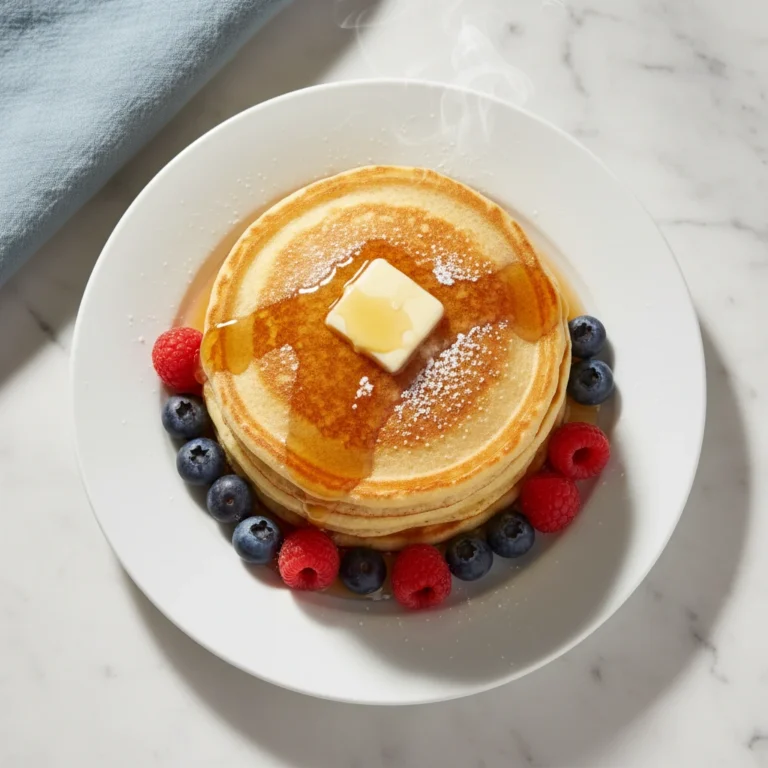
There’s something magical about a stack of homemade buttermilk pancakes that makes mornings feel special. Unlike boxed mixes, these fluffy pancakes are made from simple pantry staples and deliver that perfect balance of tender crumb and golden-brown edges. The buttermilk adds a subtle tanginess that enhances the flavor, while the combination of baking powder and baking soda creates those coveted bubbles that make pancakes so irresistibly fluffy. Whether you’re cooking for a cozy weekend breakfast or feeding a hungry family, this straightforward recipe delivers restaurant-quality results every single time.
Reasons to Try Homemade Buttermilk Pancakes
Fluffy, Tender Texture: The combination of buttermilk, baking powder, and baking soda creates pancakes with an impossibly soft interior and a delicate crumb structure. Each bite melts in your mouth.
Superior Flavor: Buttermilk adds a subtle tang that enhances the overall flavor profile, making these pancakes taste more sophisticated and satisfying than box mixes. The vanilla extract rounds out the taste beautifully.
Simple Ingredients: You likely have everything in your pantry already—no mysterious additives or preservatives. Just wholesome ingredients you can pronounce and trust.
Incredibly Forgiving: This recipe is beginner-friendly and hard to mess up. Even slight variations in mixing or batter thickness won’t ruin your breakfast.
Golden-Brown Perfection: The griddle method ensures even cooking and those beautiful caramelized edges that everyone loves. You’ll achieve restaurant-quality results at home.
Customizable: The base recipe is easily adaptable for add-ins like blueberries, chocolate chips, or pecans. You can also serve them with countless toppings and side dishes.
 Save
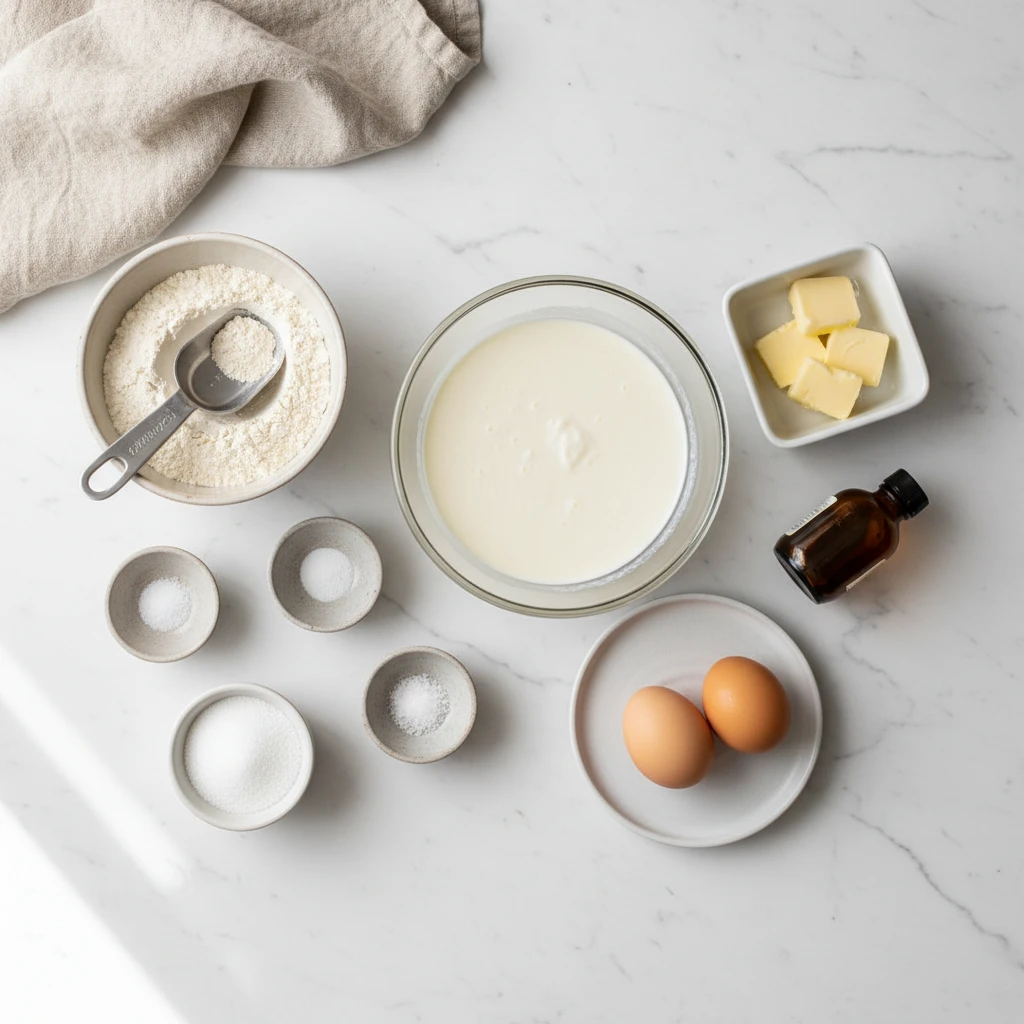
SaveIngredients Notes
- All-purpose flour
- Baking powder
- Baking soda
- Granulated sugar
- Kosher salt
- Buttermilk
- Butter, melted and cooled, plus more for the skillet
- Eggs
- Vanilla extract
 Save
SaveHow to Make Homemade Buttermilk Pancakes
- Whisk together flour, baking powder, baking soda, sugar, and salt in a large bowl; set aside.
- In another bowl, combine buttermilk, melted butter, and eggs, then add vanilla extract.
- Pour the wet ingredients into the dry ingredients and gently fold together until combined. The batter should be thick and lumpy—do not overmix.
- Add more buttermilk if needed to reach a pourable consistency.
- Heat a griddle or non-stick skillet over medium-high heat and add butter or cooking spray.
- Spoon about one-third cup of batter onto the pan, leaving half an inch between pancakes.
- Cook until bubbles form on the surface and edges appear dry, then flip to brown the other side.
- Transfer to a plate and serve immediately with butter, syrup, and your favorite toppings.
What You Must Know About Homemade Buttermilk Pancakes
Don’t Overmix the Batter: This is the most common mistake. Mix just until the dry ingredients are moistened. Lumps are normal and actually desirable. Overmixing develops gluten, which makes pancakes tough and dense instead of fluffy. Fold gently and walk away.
Use Real Buttermilk: The acidic nature of buttermilk reacts with baking soda to create lift and tenderness. While substitutes work in a pinch, real buttermilk delivers superior flavor and texture. If using a substitute, follow the guidelines in the Variations section.
Let Batter Rest If Adding Moisture: If you need to add extra buttermilk to adjust consistency, let the batter rest 2–3 minutes before cooking. This allows the flour to hydrate and the leavening agents to activate properly.
Temperature Matters for the Griddle: Medium-high heat is essential for proper browning. If the griddle is too cool, pancakes spread thin and become dense. If too hot, the outside burns before the inside cooks. Use the water droplet test: a drop should sizzle immediately and evaporate in 2–3 seconds.
Timing the Flip: Don’t rush the flip. Wait until bubbles cover the surface and edges look set and slightly dry. Flipping too early causes the pancake to stick and tear. The bottom side cooks faster once flipped, so watch closely to avoid burning.
Helpful Tips: For extra fluffy pancakes, separate the eggs and fold in the stiffly beaten whites at the very end (this requires gentle folding). For a brighter flavor, add a pinch of nutmeg or cinnamon to the dry ingredients. Keep cooked pancakes warm in a 200°F oven while you finish cooking the rest rather than stacking them, which traps steam and makes them soggy. For meal prep, cool pancakes completely, stack with parchment paper between layers, and freeze up to 3 months—reheat in a toaster or oven.
Variations and Substitutions
Buttermilk Substitute: If you don’t have buttermilk, you have two options. Mix 3/4 cup whole milk with 1 tablespoon fresh lemon juice or white vinegar and let sit 5 minutes before using. Then reduce baking soda to 1 teaspoon and increase baking powder to 3 teaspoons. Or simply use the milk-and-acid mixture as written with the adjusted leavening. Real buttermilk works best, but this substitute works in a pinch.
Add-In Pancakes: Stir blueberries, chocolate chips, chopped pecans, or sliced strawberries into the batter just before cooking. Use about half a cup of mix-ins per full batch. For fresh berries, toss them lightly in a bit of flour first to prevent them from sinking.
Whole Wheat Version: Replace half the all-purpose flour with whole wheat flour for added nutrition and a nuttier flavor. You may need an extra tablespoon of buttermilk since whole wheat absorbs more liquid.
Protein Boost: Add 2 tablespoons of vanilla protein powder or collagen peptides to the dry ingredients for extra protein without affecting texture.
Spiced Pancakes: Mix one-half teaspoon cinnamon, one-quarter teaspoon nutmeg, and a pinch of ginger into the dry ingredients for cozy fall-inspired pancakes. These pair wonderfully with maple syrup and whipped cream.
Lemon or Orange Zest: Add 1 tablespoon of fresh lemon or orange zest to the wet ingredients for a bright, citrusy twist. Serve with berry compote.
Dairy-Free Option: Use non-dairy milk (almond, oat, or soy) mixed with 1 tablespoon vinegar as your buttermilk substitute. Use melted coconut oil instead of butter. The result will be slightly different but still delicious.
Serving Suggestions for Homemade Buttermilk Pancakes
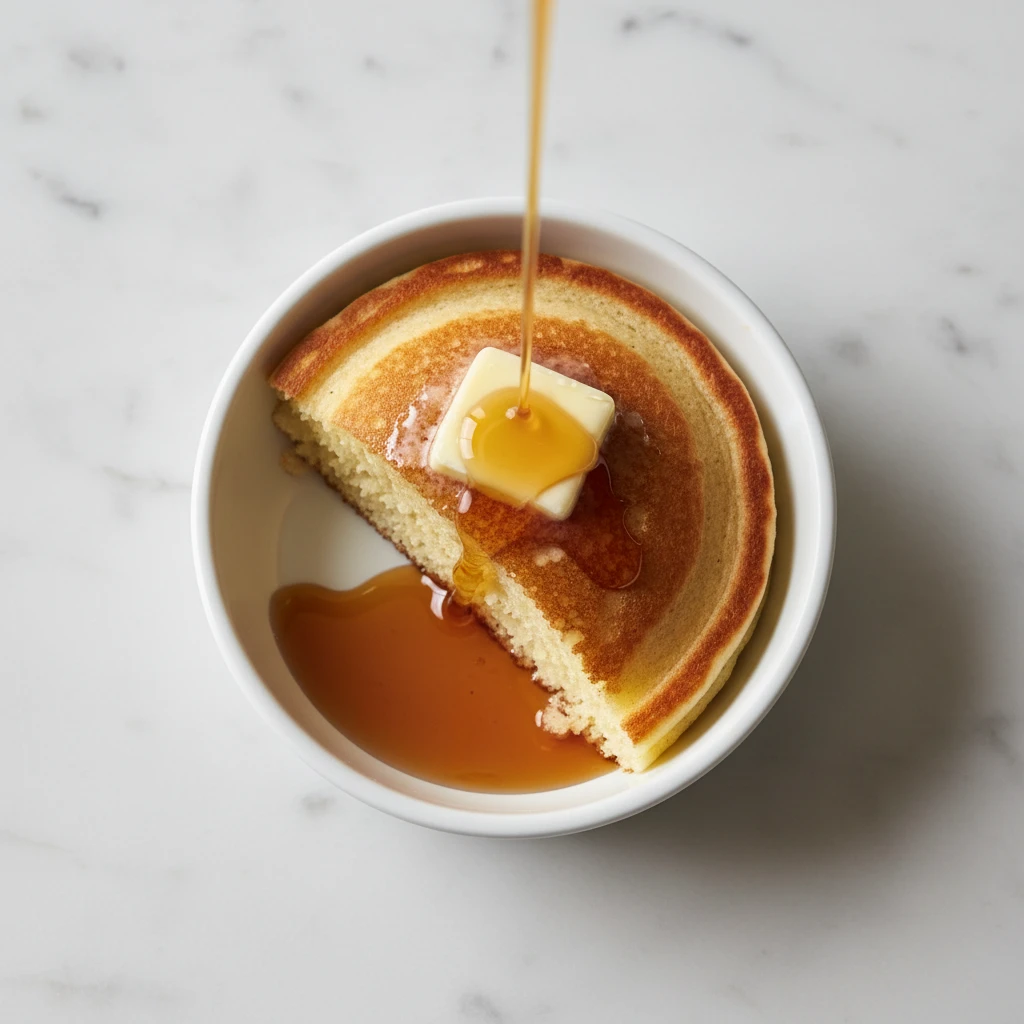
The Classic Breakfast: Serve warm pancakes with a pat of butter melting into the surface, warm maple syrup drizzled over the top, and a side of crispy bacon or sausage links. Add fresh fruit like berries or sliced bananas on the side.
Fruit-Forward Stack: Top pancakes with fresh whipped cream, a generous handful of mixed berries (blueberries, raspberries, strawberries), and a drizzle of honey or berry compote. Finish with a sprinkle of powdered sugar.
Indulgent Brunch: Layer pancakes with Nutella or peanut butter spread between the layers, top with chocolate sauce and sliced strawberries, and add a dollop of whipped cream. Perfect for a special breakfast or brunch.
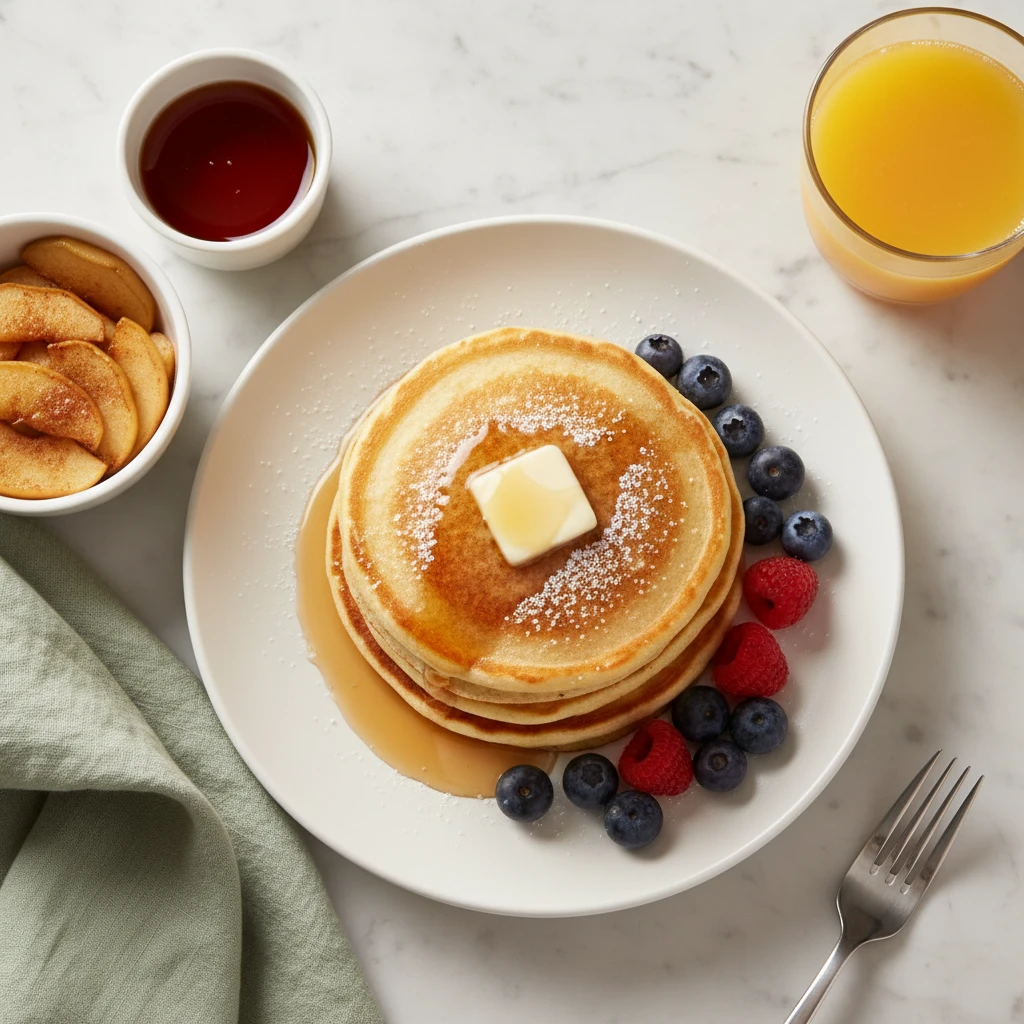
Skillet Apples and Caramel: Serve alongside warm skillet-cooked apples (sautéed with cinnamon and brown sugar) and a generous drizzle of salted caramel sauce. The warm, tender apples complement the fluffy pancakes perfectly.
Savory Twist: For a twist, make savory pancakes by reducing sugar to 1 tablespoon, adding fresh herbs like chives or dill, and serving with sour cream and smoked salmon or crispy bacon bits.
Brunch Platter: Arrange pancakes on a large platter with eggs cooked to order, fresh fruit, bagels with cream cheese, and a selection of jams and syrups. Perfect for feeding a crowd.
Simple and Sweet: Sometimes less is more. Serve with just butter and warm maple syrup on simple white or cream-colored plates. The beauty of the golden-brown pancakes speaks for itself.
 Save
SaveStorage and Reheating
Short-Term Storage: Cooked pancakes can be refrigerated in an airtight container for up to 4 days. Layer them with parchment paper between each pancake to prevent sticking. The texture will be slightly softer than fresh but still very enjoyable.
Freezing: Pancakes freeze beautifully for up to 3 months. Cool them completely on a wire rack, then layer them with parchment paper between each one. Place the stack in a freezer-safe container or zip-top bag, label with the date, and freeze. This is perfect for meal prep.
Reheating from Refrigerator: Place refrigerated pancakes in a 350°F oven for 5–8 minutes until warmed through, or pop them into a toaster set to medium-high heat for 2–3 minutes. Avoid the microwave, which makes them rubbery.
Reheating from Frozen: Reheat frozen pancakes in a 350°F oven for 10–12 minutes, covered loosely with foil to prevent over-browning. Alternatively, place them in a toaster set to medium-high heat for 3–4 minutes. Check for warmth throughout before serving.
Storing Batter: Unused batter can be refrigerated in an airtight container for up to 24 hours. The pancakes will still cook beautifully, though they may be slightly less fluffy. Stir gently before using, and add a teaspoon of buttermilk if the batter has thickened.
Best Served: Homemade buttermilk pancakes are best enjoyed fresh and warm, straight from the griddle. The texture is fluffiest and the butter melts perfectly into warm pancakes.
Frequently Asked Questions about Homemade Buttermilk Pancakes
Can I make the batter ahead of time?
Yes, you can refrigerate pancake batter for up to 24 hours in an airtight container. However, the pancakes will be slightly less fluffy because the leavening agents lose some potency over time. Before cooking, stir gently and add a teaspoon or two of buttermilk if the batter has thickened. For best results, make the batter no more than 2 hours before cooking.
What’s the difference between baking powder and baking soda in this recipe?
This recipe uses both for a reason. Baking soda reacts immediately with the acidic buttermilk, giving pancakes lift. Baking powder (which contains baking soda plus an acid) continues to work during cooking, creating additional rise. Together, they create the perfect fluffy texture. Don’t substitute one for the other without adjusting quantities.
Why are my pancakes coming out dense and flat?
Dense pancakes are usually caused by overmixing the batter, which develops gluten. Mix only until dry ingredients are barely combined—lumps are good. Other culprits include expired leavening agents, griddle temperature that’s too low, or flipping too early before bubbles form. Check your baking powder and baking soda expiration dates and ensure your griddle is truly medium-high heat.
Can I use regular milk instead of buttermilk?
Regular milk won’t work as a direct substitute because you need the acid to react with baking soda. Instead, make a buttermilk substitute by mixing 3/4 cup regular milk with 1 tablespoon lemon juice or vinegar and letting it sit 5 minutes. Then use that mixture and adjust the leavening to 1 teaspoon baking soda and 3 teaspoons baking powder. The result is close but not identical to using real buttermilk.
How do I know when to flip the pancakes?
Flip when bubbles cover the surface of the pancake and the edges look set and slightly dry (not wet). If you flip too early, the pancake won’t hold together and will stick to the spatula. If you wait too long, the bottom will burn. Typically, this takes 2–3 minutes on the first side. The second side cooks much faster, usually 1–2 minutes.
Can I add chocolate chips or blueberries to the batter?
Absolutely! Add about half a cup of mix-ins per full batch of batter. Fold them in gently at the very end. For fresh berries, toss them lightly in a bit of flour first so they don’t sink to the bottom. You can also sprinkle some on top of the pancake right after pouring the batter onto the griddle before they set.
How many pancakes does this recipe make?
This recipe makes about 16 pancakes, depending on how large you make them. If you use a one-third cup measure for each pancake (as recommended), you’ll get 16. You can make them smaller for more pancakes or larger for fewer. The recipe also halves easily if you’re cooking for just one or two people.
Nutrition Facts (Per Serving)
| Nutrient | Amount per Serving |
| Calories | 240 |
| Protein | 6g |
| Carbohydrates | 35g |
| Dietary Fiber | 1g |
| Total Fat | 8g |
| Saturated Fat | 4.5g |
| Cholesterol | 30mg |
| Sodium | 380mg |
Dietary Notes: These pancakes are naturally free of artificial ingredients and preservatives. Nutritional values are approximate and calculated per pancake (one-sixteenth of the full recipe). Adding toppings such as butter, syrup, whipped cream, or fruit will increase the calorie and nutrient content. For a higher-protein version, add vanilla protein powder or Greek yogurt to the batter.
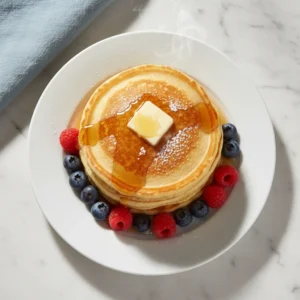
Homemade Buttermilk Pancakes
Ingredients
- all-purpose flour
- baking powder
- baking soda
- granulated sugar
- kosher salt
- buttermilk
- butter
- eggs
- vanilla extract
Instructions
- Gather and measure all ingredients. Have your flour, baking powder, baking soda, sugar, salt, buttermilk, butter, eggs, and vanilla extract ready. This takes about 5 minutes and prevents scrambling later.
- Preheat your griddle or skillet. Set it to medium-high heat and let it warm for 2–3 minutes. You'll know it's ready when a drop of water sizzles immediately on the surface. This ensures even cooking and proper browning.
- Combine dry ingredients. In a large mixing bowl, whisk together 2 cups all-purpose flour, 2 teaspoons baking powder, 2 teaspoons baking soda, 3 tablespoons granulated sugar, and 1 teaspoon kosher salt. Whisk for about 30 seconds until evenly distributed. Checkpoint: You are ready to move on when the mixture is uniform in color with no visible clumps of baking soda.
- Mix wet ingredients separately. In another bowl, combine 1 cup buttermilk, 2 tablespoons melted and cooled butter, and 2 large eggs. Stir with a fork for about 1 minute until well combined. Add 1 teaspoon vanilla extract and stir 15 seconds more.
- Combine wet and dry ingredients. Pour the buttermilk mixture into the flour mixture. Using a spatula or wooden spoon, gently fold together for about 30–45 seconds. Stop while small lumps remain—do not stir until smooth. Overmixing creates tough pancakes. Checkpoint: You are ready to move on when you see lumpy batter that's thick enough to hold its shape but loose enough to pour slowly.
- Adjust batter consistency if needed. If the batter is too thick, add 1–2 tablespoons more buttermilk and fold gently. If too thin, let it rest 2 minutes—it will thicken slightly. Proper consistency pours like cake batter but holds its shape on the griddle.
- Prepare the griddle. Once hot, add 1 tablespoon butter, non-stick spray, or cooking oil to the surface and swirl to coat evenly. It should sizzle immediately. This takes about 30 seconds.
- Pour the first batch. Using a one-third cup measure or ladle, pour batter onto the hot griddle, leaving at least half an inch between each pancake. Pour slowly to avoid splashing. You should fit 3–4 pancakes per griddle depending on size. This takes about 1 minute total.
- Monitor for bubbles. Watch the pancakes for 2–3 minutes. When bubbles form across the surface and the edges look dry or slightly browned, the pancake is ready to flip. If you flip too early, the center won't cook through. Checkpoint: You are ready to flip when you see at least 5–10 bubbles broken across the surface and the edges appear set.
- Flip and cook the second side. Using a thin spatula, slide under each pancake and flip quickly in one motion. Cook the second side for 1–2 minutes until golden brown. The second side cooks faster than the first, so watch carefully.
- Transfer to a plate. Once the second side is golden and pancake springs back slightly when touched, transfer to a serving plate. Keep warm in a 200°F oven or serve immediately. This takes about 30 seconds per pancake.
- Repeat with remaining batter. Add another small amount of butter to the griddle and repeat steps 8–11 with the remaining batter. The recipe makes about 16 pancakes total, depending on size.
- Serve immediately. Homemade pancakes are best enjoyed fresh and warm. Top with butter (which melts into the warm surface), warmed maple syrup, fresh fruit, whipped cream, or your favorite toppings. Plate and serve within 5 minutes of cooking for the best texture.