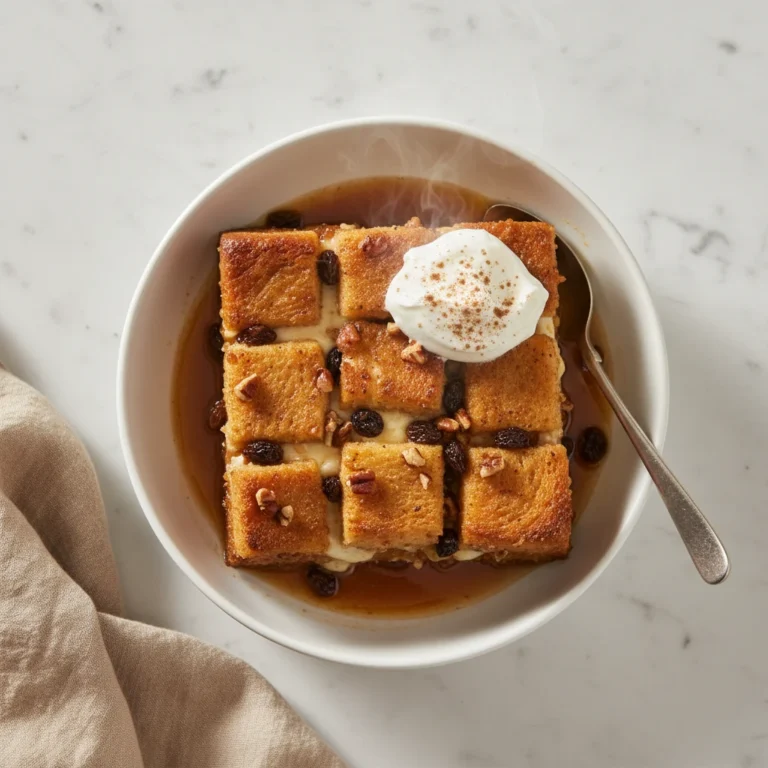
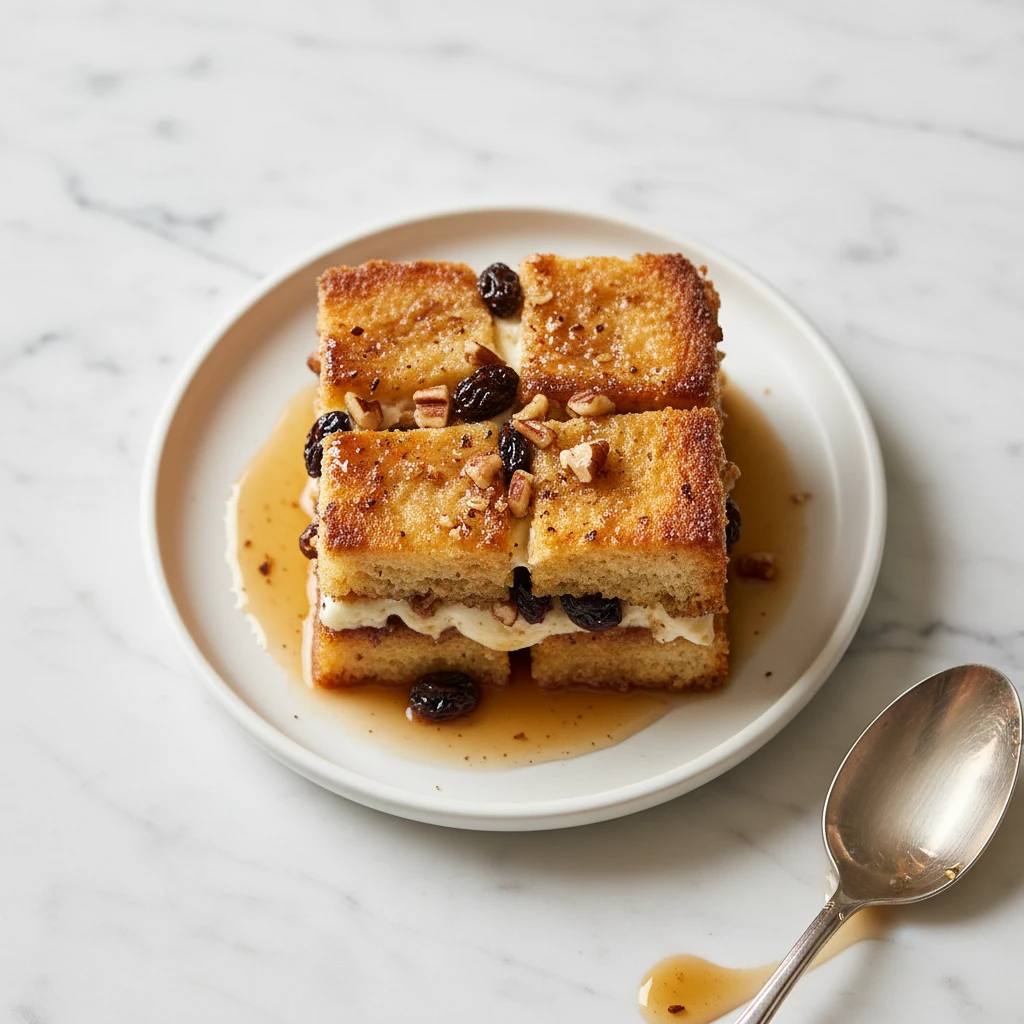
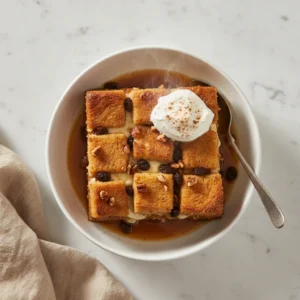
Capirotada is a traditional Mexican bread pudding that blends sweet, spiced, and savory flavors into one comforting dessert. This iconic dish, deeply rooted in Mexican culture and commonly prepared during Lent, features toasted bread cubes soaked in a fragrant brown sugar sauce infused with cinnamon, cloves, and nutmeg. Layered with cheese, nuts, and dried fruit, capirotada delivers complex textures and warmth in every spoonful—a beloved family recipe passed down through generations.
Reasons to Try Capirotada
A Taste of Tradition: Capirotada carries deep cultural significance in Mexican cuisine, especially during Holy Week and religious observances. Preparing and sharing this dish connects you to centuries of family heritage and tradition.
Unique Flavor Profile: Unlike typical American bread puddings, capirotada combines sweet brown sugar syrup, warm spices, tangy cheese, and rich nuts in a way that feels both familiar and exotic. The piloncillo (unrefined cane sugar) adds earthy depth that refined sugar cannot match.
Economical and Resourceful: This recipe transforms day-old bread, pantry staples, and simple ingredients into an elegant dessert. It’s a perfect example of resourceful Mexican cooking that wastes nothing.
Layered Textures and Flavors: Every bite offers contrast—crispy bread edges against soft centers, creamy melted cheese, crunchy nuts, and chewy raisins all bound together by silky syrup.
Surprisingly Easy to Make: Despite its sophisticated taste, capirotada requires minimal baking skills and uses everyday ingredients. It’s an impressive dessert that looks and tastes far more complicated than it actually is.
 Save
SaveIngredients Notes
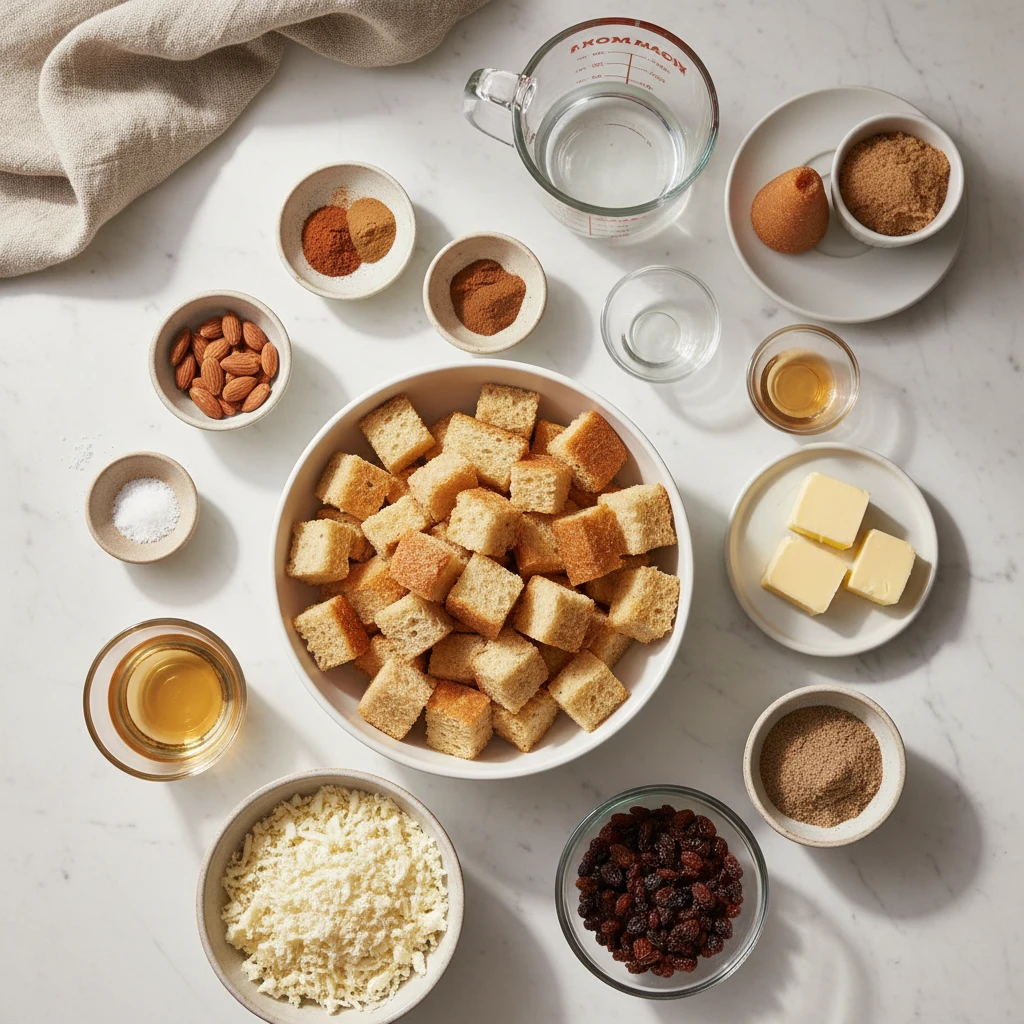
- Day-old bread, cut into 1-inch cubes
- Piloncillo or packed brown sugar
- Water
- Vanilla extract
- Ground cinnamon
- Ground cloves
- Ground nutmeg
- Butter
- Chopped pecans or walnuts
- Raisins
- Shredded queso fresco or mozzarella cheese
- Apple cider vinegar
- Whole almonds (optional)
- Salt
 Save
SaveHow to Make Capirotada
- Preheat oven to 350°F. Butter a 9×13-inch baking dish.
- Spread bread cubes on a baking sheet and toast in the oven for 8–10 minutes until light golden, stirring halfway through. Remove and set aside.
- In a medium saucepan, combine piloncillo, water, cinnamon, cloves, nutmeg, and salt. Bring to a boil over medium heat, stirring until piloncillo dissolves completely, about 5 minutes.
- Remove from heat, stir in vanilla extract and apple cider vinegar. Let syrup cool for 3–5 minutes.
- Layer half the toasted bread cubes in the prepared baking dish.
- Sprinkle half the pecans, half the raisins, and half the cheese over the bread layer.
- Add the remaining bread cubes on top.
- Sprinkle the remaining pecans, raisins, and cheese over the second bread layer.
- Pour the warm syrup evenly over all layers, allowing it to soak in for 2 minutes. Press gently with a spatula to help absorption.
- Bake uncovered for 25–35 minutes until the top is lightly golden and the syrup is absorbed but not dry.
- Remove from oven and let cool for 10 minutes before serving.
What You Must Know About Capirotada
Use Day-Old Bread: Fresh bread will absorb too much syrup and become mushy or fall apart. Day-old bread (or bread that has been left out overnight) has dried slightly on the surface, allowing it to maintain its shape while still soaking up the delicious syrup. If you only have fresh bread, cut it into cubes and let it sit uncovered on a plate for 4–6 hours, or lightly toast all cubes first.
Piloncillo Is Preferred Over Brown Sugar: While you can substitute with packed brown sugar, piloncillo (unrefined cane sugar) offers a more authentic, complex flavor with subtle molasses notes. Piloncillo is widely available in the Hispanic or international section of most supermarkets and in specialty stores. It comes in cone or disc shapes and must be broken into pieces before measuring.
The Cheese Element Is Essential: The addition of queso fresco or mozzarella cheese may seem unusual for a dessert, but it’s a defining characteristic of authentic capirotada. The cheese doesn’t make it savory—instead, it melts into the syrup, creating a creamy texture and subtle saltiness that balances the sweetness. This is not optional.
Cooling Time Matters: Do not cut or serve capirotada immediately from the oven. The warm syrup is still runny, and the layers need 10–15 minutes to set and firm up slightly. This makes portioning much easier and improves the eating experience.
Timing and Spice Balance: The spices (cinnamon, cloves, nutmeg) should be noticeable but not overwhelming. Taste the syrup before baking to ensure the spice level suits your preference. If you prefer less spice, reduce cloves and nutmeg to 1/8 teaspoon each.
Helpful Tips: For a richer version, add 1/2 cup chopped dried apricots or dates along with the raisins. Toast the nuts lightly in a dry skillet for 2–3 minutes before adding to enhance their flavor. If serving at a gathering, prepare capirotada up to 2 hours ahead and reheat gently in a 300°F oven for 5–10 minutes before serving.
Variations and Substitutions
Nuts Selection: While pecans and walnuts are traditional, you can substitute with almonds, pine nuts, or a combination. Lightly toasting raw nuts in a dry skillet for 2–3 minutes before adding intensifies their flavor.
Dried Fruit Variations: Beyond raisins, try dried cranberries, chopped dried apricots, figs, dates, or even dried pineapple. Mix two types for added complexity—for example, raisins plus chopped dried apricots create a more interesting flavor profile.
Bread Type: Mexican bolillo bread is traditional, but French bread, challah, brioche, or even good-quality white sandwich bread works well. Avoid whole wheat or overly dense breads, which can become heavy.
Cheese Alternatives: If queso fresco is unavailable, substitute with fresh mozzarella (drained and shredded), feta cheese (though it will add tanginess), or even mild cheddar. Avoid pre-shredded cheese packed with anti-caking agents—fresh, hand-shredded cheese melts more smoothly.
Spice Customization: Add a pinch of ground ginger or increase vanilla to 2 teaspoons for warmer notes. Some regional recipes include a small amount of ground anise or Mexican canela (softer, sweeter than cassia cinnamon).
Syrup Enhancement: Stir 1–2 tablespoons of rum, brandy, or Kahlúa into the cooled syrup for an adult version. Some recipes add a tablespoon of orange zest to the syrup for brightness.
Lighter Version: Reduce butter to 2 tablespoons and use low-fat mozzarella cheese. The capirotada will still be delicious but slightly less rich.
Serving Suggestions for Capirotada
Traditional Presentation: Serve capirotada warm in a shallow bowl or on a dessert plate, spooning extra syrup from the bottom of the baking dish over each portion. The syrup that pools at the bottom is liquid gold—do not discard it.
Temperature Choice: Capirotada is best served warm but not scorching hot. If it cools completely, reheat gently in a 300°F oven for 8–10 minutes. Some families enjoy it at room temperature as well.
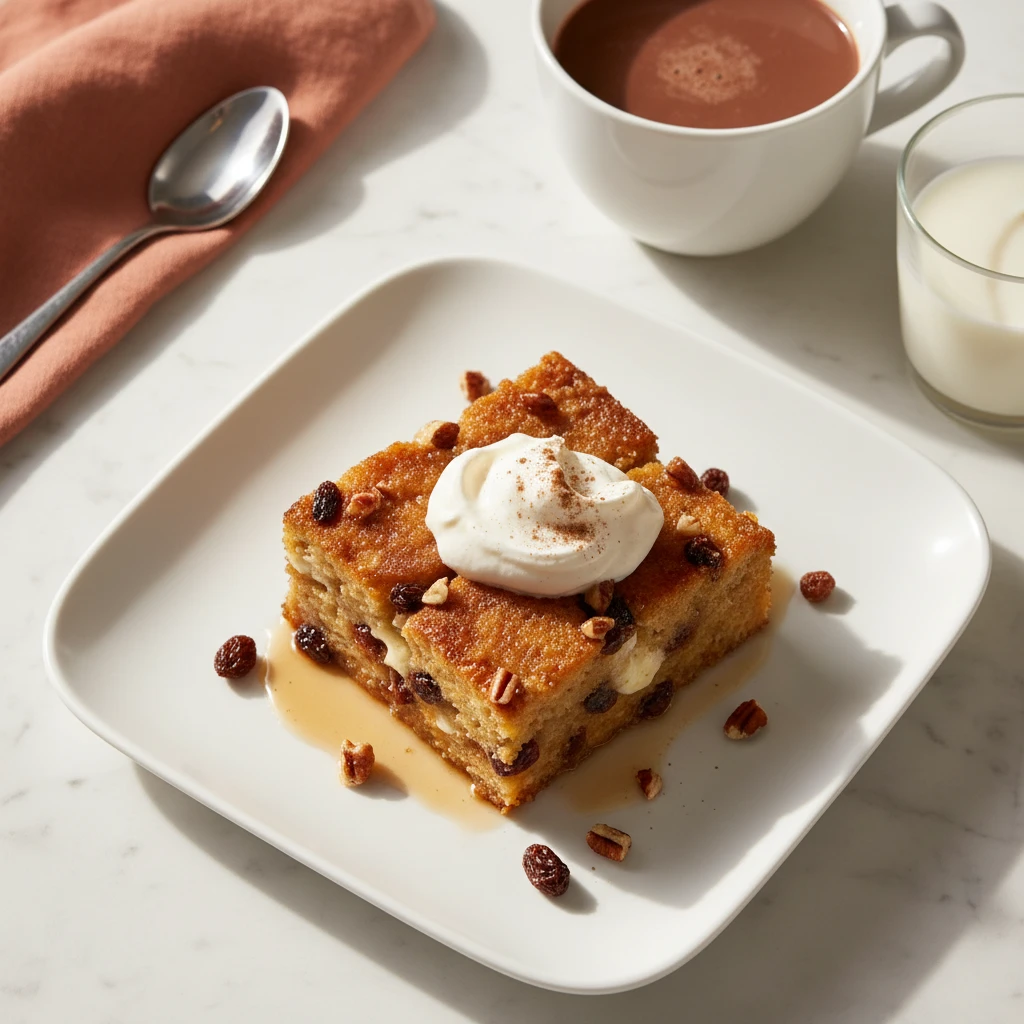
Garnish Ideas: Top each serving with a small dollop of crema (Mexican sour cream), whipped cream, or crème fraîche. A sprinkle of ground cinnamon or a few whole almonds on top adds visual appeal and extra flavor.
Beverage Pairings: Serve alongside Mexican hot chocolate for a traditional pairing, or with strong black coffee or espresso. Champagne or a sweet dessert wine also complements the rich, spiced flavors beautifully.
Accompaniments: A small glass of warm atole (Mexican corn-based drink) pairs wonderfully with capirotada during cold months. For a refreshing contrast, serve with a side of Mexican arroz con leche (rice pudding) or fresh fruit salad.
Plating for Guests: For an elegant presentation, use a small ice cream scoop to portion capirotada onto individual plates. Drizzle a small amount of the reserved syrup around the plate, and add a tiny dollop of crema on the side. Garnish with a cinnamon stick or a few toasted nuts.
 Save
SaveStorage and Reheating
Refrigerator Storage: Cover the baking dish tightly with plastic wrap or aluminum foil and refrigerate for up to 4 days. The capirotada will keep well and actually improve as flavors meld over time.
Freezer Storage: While capirotada freezes adequately, the texture of the bread may become slightly softer upon thawing. If freezing, wrap the baking dish tightly in plastic wrap and then foil. Freeze for up to 2 months. Thaw overnight in the refrigerator before reheating.
Reheating: Preheat oven to 300°F. Place the covered baking dish in the oven for 10–15 minutes until warmed through. The low temperature prevents the bread from drying out. Alternatively, reheat individual portions in the microwave on 50% power for 1–2 minutes, stirring halfway through.
Portion and Freeze: For convenience, cool the entire capirotada completely, cut into individual portions, and wrap each portion in plastic wrap and foil. Freeze for up to 2 months. Reheat wrapped portions at 300°F for 12–15 minutes until warm.
Frequently Asked Questions about Capirotada
What is the difference between capirotada and bread pudding?
While both are baked bread dishes with syrup or custard, capirotada is a specifically Mexican dessert that typically includes cheese, is spiced with cinnamon, cloves, and nutmeg, and uses piloncillo syrup. Traditional American bread pudding usually relies on a custard base (eggs and cream) rather than syrup, and does not include cheese. Capirotada is more syrup-based and less eggy, creating a different texture and flavor profile.
Can I make capirotada without cheese?
While possible, omitting cheese is not recommended as it removes an essential flavor element that distinguishes capirotada from other bread puddings. The cheese melts into the syrup, adding subtle saltiness and creaminess that balances the sweetness. If you dislike cheese in desserts, reduce it to 1/2 cup or use a milder cheese like fresh mozzarella.
Where can I buy piloncillo?
Piloncillo is available in most supermarkets’ Hispanic or international foods section. You can also find it at specialty Latin markets, health food stores, and online retailers. If unavailable, substitute with packed brown sugar in equal measure, though the flavor will be slightly less complex.
Can I prepare capirotada the night before?
Yes, absolutely. Assemble the capirotada through step 9 (pouring syrup), cover with plastic wrap, and refrigerate overnight. The next day, let it come to room temperature for 20 minutes, then bake as directed, adding 3–5 minutes to the baking time if starting from cold.
Is capirotada only served during Lent?
While traditionally prepared during Lent in Mexican households, capirotada is enjoyed year-round. It’s perfect for potlucks, family gatherings, or anytime you want a unique, comforting dessert. Many families serve it during Easter celebrations and other holidays.
What if my bread cubes are too soft or fresh?
If your bread is very fresh, cut it into cubes and spread on a baking sheet. Leave uncovered at room temperature for 4–6 hours or overnight to allow surface moisture to evaporate. Alternatively, bake at 300°F for 8–10 minutes until the cubes are dry on the outside but still slightly tender inside.
Can I use gluten-free bread?
Yes, you can substitute with good-quality gluten-free bread. Use day-old or slightly stale gluten-free bread to prevent it from falling apart. Be aware that gluten-free bread may be denser and absorb more syrup, so you may need slightly less liquid. Adjust as needed during assembly.
Nutrition Facts (Per Serving)
| Nutrient | Per Serving |
|---|---|
| Calories | 385 kcal |
| Protein | 7 g |
| Total Fat | 15 g |
| Saturated Fat | 4 g |
| Carbohydrates | 56 g |
| Dietary Fiber | 2 g |
| Total Sugars | 42 g |
| Sodium | 210 mg |
| Calcium | 145 mg |
Dietary Notes: Capirotada is a rich dessert suitable for special occasions. It contains dairy (cheese) and is not vegan. The recipe can be adapted to be gluten-free with appropriate bread substitution. One serving (1/6 of the pan) provides moderate protein and fiber from nuts and dried fruit, though sugar content is moderately high due to the piloncillo syrup base. Nutritional information is approximate and may vary based on specific ingredients used.
Capirotada
Ingredients
- 8 slices day-old bread cut into 1-inch cubes
- 1 cup piloncillo or packed brown sugar
- 2 cups water
- 1 teaspoon vanilla extract
- 1 teaspoon ground cinnamon
- 1/4 teaspoon ground cloves
- 1/4 teaspoon ground nutmeg
- 4 tablespoons butter
- 1 cup chopped pecans or walnuts
- 1 cup raisins
- 1 cup shredded queso fresco or mozzarella cheese
- 2 tablespoons apple cider vinegar
- 1/2 cup whole almonds optional
- pinch of salt
Instructions
- Preheat oven to 350°F. Butter a 9x13-inch baking dish thoroughly so the capirotada does not stick to the bottom. Checkpoint: Your dish is ready when butter coats the entire surface.
- Spread 8 cups of bread cubes (1-inch pieces) on a large baking sheet in a single layer. Place on the middle rack of your preheated 350°F oven for 8–10 minutes, stirring halfway through with a wooden spoon. Toast until bread is light golden brown on edges but still slightly soft inside—not hard or dark. Remove and set aside on a clean plate. Checkpoint: Bread should smell fragrant and nutty, and cubes should feel slightly crispy on the outside.
- In a medium saucepan, combine 1 cup piloncillo (or packed brown sugar), 2 cups water, 1 teaspoon ground cinnamon, 1/4 teaspoon ground cloves, 1/4 teaspoon ground nutmeg, and a pinch of salt. Place over medium heat and bring to a full rolling boil—watch for large bubbles breaking the surface—about 6–8 minutes. Stir frequently with a wooden spoon to dissolve the piloncillo completely. It should look like caramel-colored liquid with no grainy texture. Checkpoint: The mixture should smell sweet and spicy, and no brown sugar solids should remain visible when you tilt the pan.
- Remove the saucepan from heat immediately when the mixture reaches a full boil. Add 1 teaspoon vanilla extract and 2 tablespoons apple cider vinegar—the mixture may bubble up slightly. Stir well to combine. Let the syrup cool on the counter for 3–5 minutes while you assemble the capirotada. Checkpoint: The syrup should be warm but not so hot it burns your fingertip when you dip it in quickly.
- Pour half of the toasted bread cubes (about 4 cups) into the buttered 9x13-inch baking dish, spreading them in an even layer across the bottom. Press gently with your hands to compact slightly.
- Sprinkle half of 1 cup chopped pecans (or walnuts) evenly over the bread layer. Then sprinkle half of 1 cup raisins over the pecans. Finally, sprinkle half of 1 cup shredded queso fresco cheese over the raisins. You should see distinct pockets of nuts, fruit, and cheese across the entire surface.
- Pour the remaining 4 cups of toasted bread cubes over the first layer, again spreading evenly and pressing gently to compact.
- Sprinkle the remaining pecans, raisins, and cheese over the top bread layer in the same distribution method. This creates an even flavor throughout. Checkpoint: All ingredients should be visible on top in roughly equal amounts.
- Carefully pour the warm (not hot) syrup evenly over the entire top layer, pouring slowly in a circular motion so it soaks all areas. Use about two-thirds of the syrup. Wait 1–2 minutes to let the bread absorb the liquid. Then gently press the top layer with a spatula to help the syrup distribute evenly downward without crushing the bread. Pour any remaining syrup over the top. Checkpoint: The top should look moist and glossy but not swimming in liquid; bread cubes should still be distinguishable.
- Place the baking dish on the middle rack of your preheated 350°F oven. Bake uncovered for 25–35 minutes until the top is light golden brown and most syrup is absorbed (a slight syrupy layer should remain on top). The capirotada should not look wet or soupy, but it should not be bone-dry either. Checkpoint: When you gently tap the top with a wooden spoon, the bread should feel tender and moist, not crispy.
- Remove the baking dish from the oven using oven mitts. Place on a heat-safe surface or trivet. Let the capirotada cool on the counter for at least 10 minutes before serving—this allows the layers to set and makes it easier to portion. Checkpoint: The capirotada should still be warm but cool enough that you can touch the dish without pain.