
This chocolate cottage cheese pudding is a revelation for anyone seeking a protein-rich dessert that doesn’t taste healthy. Creamy, decadent, and surprisingly satisfying, this pudding transforms humble cottage cheese into a silky chocolate indulgence. It combines the natural creaminess of cottage cheese with rich cocoa and dark chocolate, creating a dessert that’s equally at home as an elegant dinner finale or a guilt-free breakfast treat.
Reasons to Try Chocolate Cottage Cheese Pudding
Protein powerhouse: With over 20 grams of protein per serving, this pudding keeps you satisfied for hours while delivering pure chocolate satisfaction.
Naturally creamy texture: Cottage cheese creates an impossibly smooth pudding without cream or eggs. No special equipment needed—just a blender.
Rich, decadent flavor: The combination of cocoa powder, melted dark chocolate, and a hint of espresso creates depth that rivals traditional chocolate mousse.
Versatile and quick: Ready in under 15 minutes, it works as a make-ahead dessert, breakfast bowl topping, or post-workout snack.
Lower in sugar: Sweetened with both honey and sugar for balanced flavor, but you can reduce sweetness further if preferred.
Restaurant-quality presentation: Looks fancy enough to serve at dinner parties, yet simple enough for weeknight cravings.
 Save
SaveIngredients Notes
- Full-fat cottage cheese—use a high-quality brand without gums or additives for the smoothest texture. Small-curd cottage cheese works best.
- Unsweetened cocoa powder—choose Dutch-processed for deeper, richer chocolate flavor.
- Dark chocolate—use 70% cacao or higher for sophistication; lower percentages work but will taste sweeter.
- Honey—adds moisture and subtle complexity; maple syrup is an acceptable substitute.
- Instant espresso powder—optional but highly recommended; it deepens chocolate flavor without making the pudding taste like coffee.
- Whole milk—adjusts texture; use less for thicker pudding, more for a lighter mousse-like consistency.
How to Make Chocolate Cottage Cheese Pudding
- Add cottage cheese, cocoa powder, sugar, honey, milk, vanilla extract, sea salt, and espresso powder to a blender.
- Blend on high speed for 60–90 seconds until completely smooth, stopping to scrape down the sides as needed.
- Gently melt the chopped dark chocolate with butter in a microwave-safe bowl in 30-second intervals, stirring between each, until fully melted and smooth.
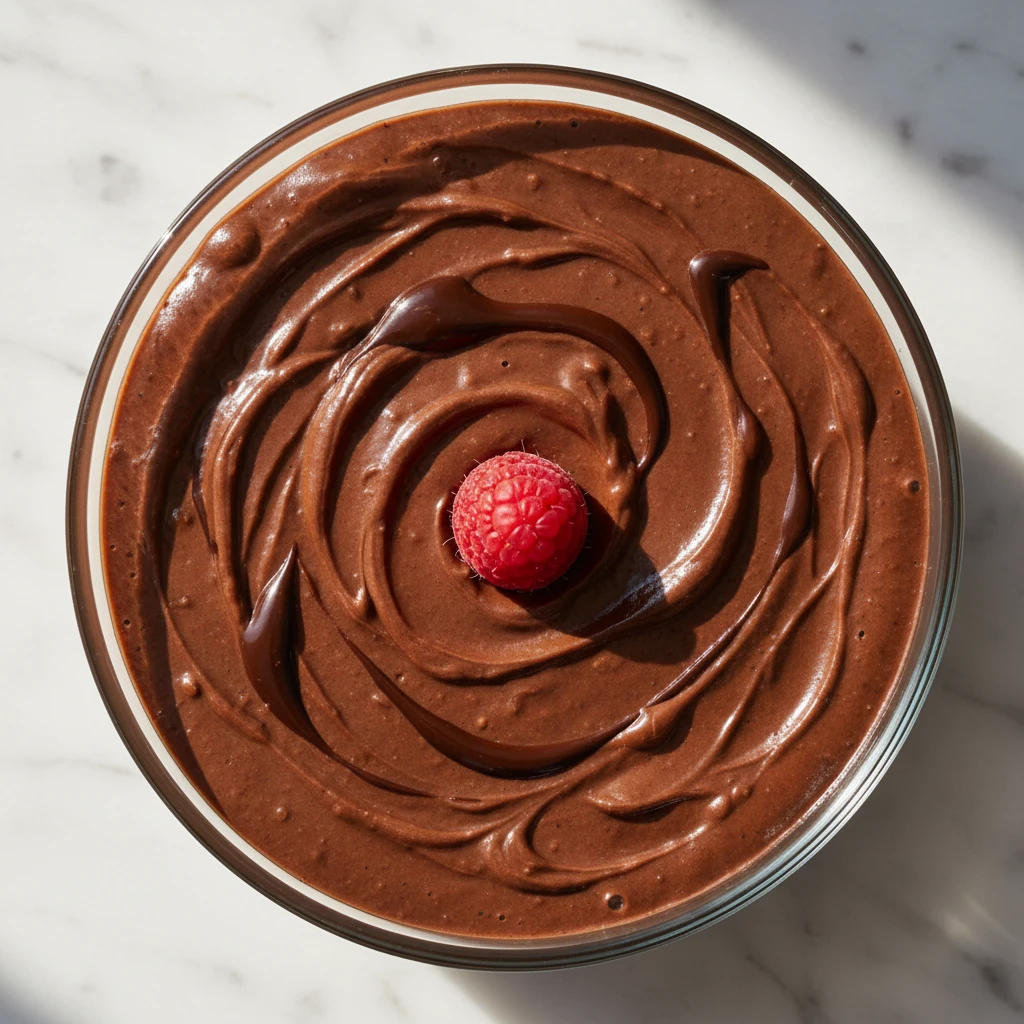
- Add the melted chocolate to the blender and pulse 8–10 times to fold it in, creating a marbled effect.
- Divide the pudding into serving glasses or bowls immediately, or transfer to an airtight container and refrigerate for up to 3 days.
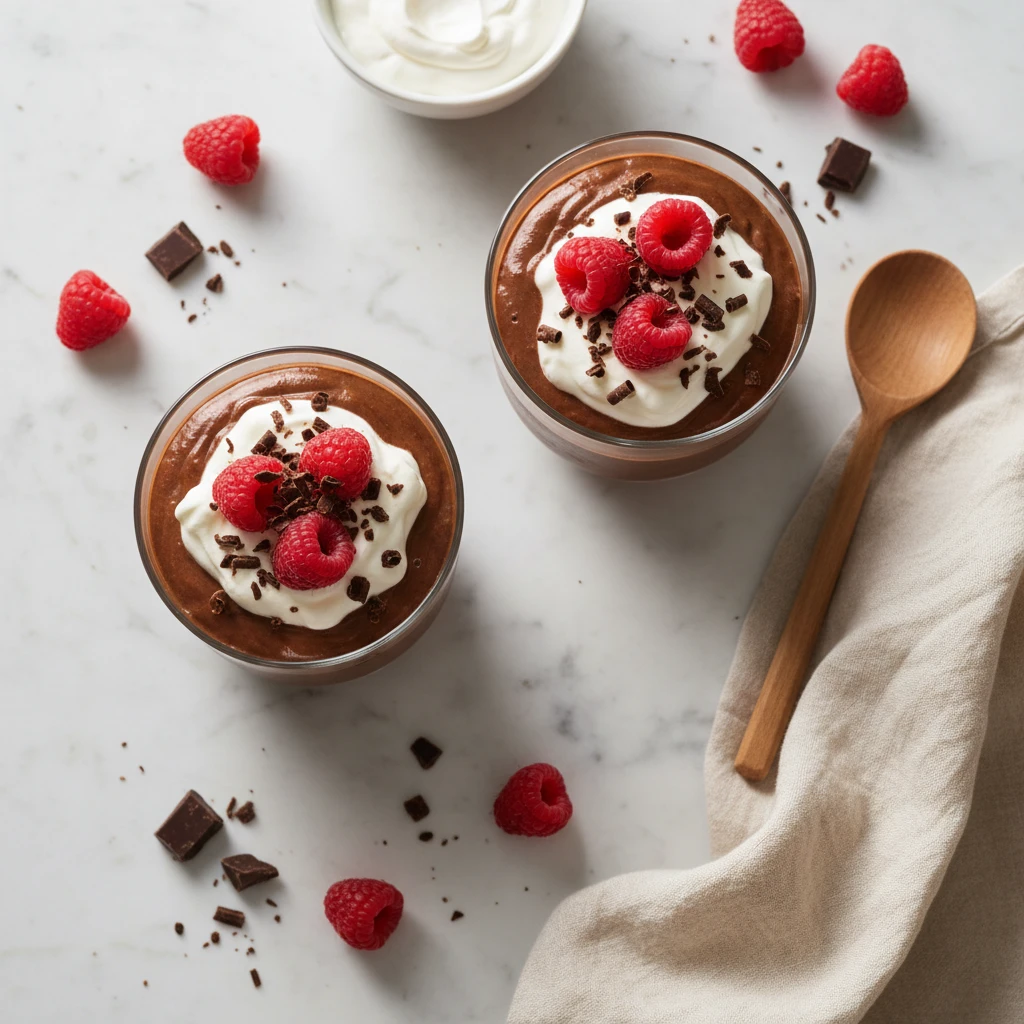
- Top with whipped cream, fresh berries, and chocolate shavings just before serving.
What You Must Know About Chocolate Cottage Cheese Pudding
Blend until completely smooth: This is critical for a silky texture. Any remaining cottage cheese lumps will ruin the mousse-like consistency. Blend for the full 60–90 seconds recommended, even if it feels long. Stop and scrape the sides multiple times.
Don’t skip the melted chocolate fold: Adding melted chocolate creates luxury and prevents cocoa powder from tasting one-dimensional. The pulse-and-fold method keeps it visually interesting with chocolate ribbons.
Temperature matters for texture: Serve chilled for the best experience. Warm pudding tastes flat and loses its appeal. Refrigerate for at least 30 minutes before serving, or overnight for deeper flavor.
Use full-fat cottage cheese only: Low-fat or non-fat versions produce a grainy, chalky texture that won’t smooth out. The fat is essential for creaminess.
Strain watery cottage cheese: If your cottage cheese sits in excess liquid, drain it through cheesecloth or a fine-mesh sieve for 10 minutes before blending.
The espresso powder is optional but transformative: It doesn’t make the pudding taste like coffee; instead, it amplifies chocolate depth. Use it if you want restaurant-quality results.
Helpful Tips
Make ahead confidently: This pudding actually improves after 12–24 hours in the refrigerator as flavors meld. Prepare it the night before for dinner parties—just add garnishes before serving.
Adjust sweetness and cocoa balance: If you prefer less sugar, reduce it and increase cocoa powder by the same amount. If it tastes too chocolate-forward, add more honey for smoothness without extra granulated sugar.
For a lighter mousse version: Add an extra 1/4 cup milk and fold in 1/2 cup whipped cream by hand after blending for an airier texture (though this reduces protein content slightly).
Use a food processor as backup: If your blender struggles with cottage cheese, a food processor works excellently and may require less liquid.
Variations and Substitutions
Mint Chocolate: Add 1/2 teaspoon peppermint extract and 2 tablespoons crème de menthe (or omit alcohol and increase peppermint extract to 1 teaspoon). Garnish with crushed candy canes.
White Chocolate Swirl: Replace the dark chocolate with white chocolate, reduce cocoa powder to 1/3 cup, and add 2 tablespoons of the cocoa-sweetened pudding back into white chocolate before folding for a two-tone effect.
Mocha Version: Increase instant espresso powder to 1/2 teaspoon and add 1 tablespoon of strong cooled coffee to the milk for a bolder coffee flavor.
Vegan Adaptation: Substitute cottage cheese with silken tofu (blended with an extra tablespoon of milk for flow), use maple syrup or agave instead of honey, and use dairy-free dark chocolate. The texture will be slightly lighter but still creamy.
No-Sugar-Added: Replace granulated sugar with 3 tablespoons of erythritol or monk fruit sweetener, and use unsweetened almond butter instead of butter for melting chocolate. Taste after blending and adjust sweetness to preference.
Protein Boost: Add 2–3 tablespoons of chocolate protein powder or unflavored protein powder for extra nutrition. Add it during blending and reduce cocoa powder by 2 tablespoons to prevent bitterness.
Tiramisu Twist: Blend in 1 tablespoon of cocoa powder mixed with 1 teaspoon instant espresso, then layer the pudding with ladyfinger crumbs and mascarpone whipped cream in a glass for a deconstructed tiramisu.
Serving Suggestions for Chocolate Cottage Cheese Pudding
Classic Elegant Presentation: Spoon pudding into vintage coupes or wine glasses. Top with a generous dollop of whipped cream, a few fresh raspberries, and a scatter of dark chocolate shavings. Add a thin wafer cookie on the side for textural contrast.
Breakfast Bowl: Spoon pudding into a bowl and top with granola, sliced fresh fruit (strawberries, bananas, or pears work beautifully), a drizzle of honey, and toasted nuts like almonds or hazelnuts for crunch.
Layered Parfait: Layer pudding with fresh berries, whipped cream, and crumbled brownies or chocolate cake in a tall glass for a stunning individual dessert.
With Fruit Compote: Serve pudding alongside a warm berry compote (raspberries, blackberries, and a touch of honey simmered for 5 minutes) for a sophisticated contrast of temperature and flavor.
Dessert Tart: Spread pudding into a pre-baked chocolate or vanilla wafer crust, chill for 2 hours, then top with fresh berries and a light chocolate glaze for a no-bake tart.
Post-Workout Snack: Serve plain or with a small handful of mixed berries in a bowl—no garnishes needed—for a quick, protein-rich recovery option.
Chocolate Pudding Pie: Layer pudding into individual tartlets or small jars with a crumb crust, chill, and top with whipped cream and fresh fruit just before serving.
 Save
SaveStorage and Reheating
Refrigerator Storage: Transfer leftovers to an airtight container and refrigerate for up to 3 days. The pudding actually develops deeper, more complex chocolate flavor after 24 hours of chilling, so don’t hesitate to make it ahead.
Freezing: This pudding does not freeze well due to its custard-like texture, which becomes grainy when thawed. Enjoy it fresh or refrigerated.
Individual Portions: If meal prepping, portion pudding into individual glasses or jars with lids up to 2 days ahead. Add whipped cream and fresh garnishes only right before eating to prevent sogginess.
Reheating (Not Recommended): This pudding is best served cold or chilled. If you prefer it at room temperature (not recommended), let it sit on the counter for 15–20 minutes. Do not microwave, as this will cause the texture to become grainy.
Reviving Separated Pudding: If the pudding separates during storage (rare, but possible), stir gently for 30 seconds or blend on low speed for 5 seconds to re-emulsify before serving.
Frequently Asked Questions about Chocolate Cottage Cheese Pudding
Can I use low-fat or non-fat cottage cheese?
It’s not recommended. Low-fat and non-fat cottage cheese produce a grainy, chalky texture that won’t blend smoothly no matter how long you blend. Full-fat cottage cheese has the right fat content to create that silky, mousse-like consistency that makes this pudding special.
What if my pudding is too thick or too thin?
Too thick: Add milk 1 tablespoon at a time and blend briefly until you reach your desired consistency. Too thin: Add 1 tablespoon of cocoa powder or a spoonful of melted dark chocolate and blend again. You can also refrigerate for an hour—the pudding thickens slightly when very cold.
Is the instant espresso powder necessary?
No, it’s optional. However, it’s highly recommended because it amplifies the chocolate flavor without making the pudding taste like coffee. Omit it if you prefer, but the pudding will taste slightly less complex. If you want an actual coffee flavor, substitute the espresso powder with 1 tablespoon of strong cooled coffee mixed into the milk.
Can I make this pudding dairy-free?
Yes! Replace cottage cheese with silken tofu (1 cup tofu plus 1/4 cup almond milk to start, adjust for desired thickness), use maple syrup or agave instead of honey, and use dairy-free dark chocolate. The texture will be slightly less creamy but still delicious and protein-rich.
How far ahead can I make this pudding?
You can make it up to 3 days ahead and store it covered in the refrigerator. Flavors actually deepen after 12–24 hours, making it perfect for meal prep. Just add whipped cream, berries, and chocolate shavings immediately before serving to keep garnishes fresh.
Why does my pudding taste grainy after blending?
This usually means the cottage cheese wasn’t blended long enough or your cottage cheese has excess liquid. Always blend for the full 60–90 seconds recommended and scrape down the sides multiple times. If problems persist, drain your cottage cheese through cheesecloth for 10 minutes before blending, or use a food processor which often works better with cottage cheese.
Can I reduce the sugar or make it less sweet?
Absolutely. Reduce granulated sugar to 1/4 cup and/or reduce honey to 3 tablespoons. To compensate for lost sweetness and prevent the pudding from tasting one-dimensional, increase cocoa powder to 2/3 cup. Taste and adjust to your preference before serving.
What’s the best way to fold in the melted chocolate?
Pulse (don’t blend continuously) the chocolate into the pudding 8–10 times on low speed. This creates beautiful chocolate ribbons throughout rather than a uniform dark color. If you over-blend, the marbling disappears and you lose the elegant visual effect. You can also fold it in gently by hand with a spatula for more control.
Nutrition Facts (Per Serving)
| Nutrient | Per Serving (1/6 of recipe) |
|---|---|
| Calories | 185 |
| Protein | 21g |
| Total Fat | 7g |
| Saturated Fat | 4g |
| Carbohydrates | 16g |
| Dietary Fiber | 2g |
| Sugars | 13g |
| Sodium | 280mg |
| Calcium | 18% of Daily Value |
| Iron | 15% of Daily Value |
Dietary Notes: This pudding is high in protein, making it an excellent choice for post-workout recovery or as a satisfying breakfast. It contains natural sugars from honey and cocoa but is lower in added sugar than traditional chocolate mousse. The pudding is gluten-free by nature, though always verify that your cocoa powder and chocolate are certified gluten-free if that’s a concern. One serving provides approximately 21% of daily protein intake for a 2,000-calorie diet.

Chocolate Cottage Cheese Pudding
Ingredients
- 2 cups full-fat cottage cheese
- 1/2 cup unsweetened cocoa powder
- 1/3 cup granulated sugar
- 1/4 cup honey
- 1/4 cup whole milk
- 2 teaspoons vanilla extract
- 1/4 teaspoon sea salt
- 2 ounces dark chocolate finely chopped
- 1 tablespoon unsalted butter
- 1/8 teaspoon instant espresso powder
- whipped cream for serving
- fresh berries for garnish
- chocolate shavings for topping
Instructions
- Add 2 cups full-fat cottage cheese, 1/2 cup unsweetened cocoa powder, 1/3 cup granulated sugar, 1/4 cup honey, 1/4 cup whole milk, 2 teaspoons vanilla extract, 1/4 teaspoon sea salt, and 1/8 teaspoon instant espresso powder to a blender. Blend on high speed for 60–90 seconds until completely smooth and there are no visible cottage cheese lumps. Stop every 30 seconds to scrape down the sides with a rubber spatula. Checkpoint: The mixture should look like silky chocolate mousse with no graininess.
- Place 2 ounces dark chocolate (finely chopped) and 1 tablespoon unsalted butter in a microwave-safe bowl. Microwave on 50% power for 30 seconds, stir well, then microwave for another 20–30 seconds until the chocolate is completely melted and smooth. Do not overheat or the chocolate will seize. Checkpoint: The mixture should be glossy and pourable, with no lumps.
- Pour the melted chocolate into the blender with the pudding mixture. Pulse 8–10 times on low speed, just until the chocolate is partially combined and creates a marbled pattern throughout. Do not over-blend or the pudding will lose its beautiful swirl effect. Checkpoint: You should see streaks of dark chocolate rippling through the chocolate pudding.
- Divide the pudding evenly into 4–6 serving glasses or bowls (about 1/2 cup to 2/3 cup per serving) immediately, or transfer to an airtight container for chilling.
- If serving immediately, top each pudding with a dollop of whipped cream, fresh berries (raspberries, strawberries, or blueberries), and a pinch of chocolate shavings. If storing, cover tightly and refrigerate for up to 3 days; top with garnishes just before serving.