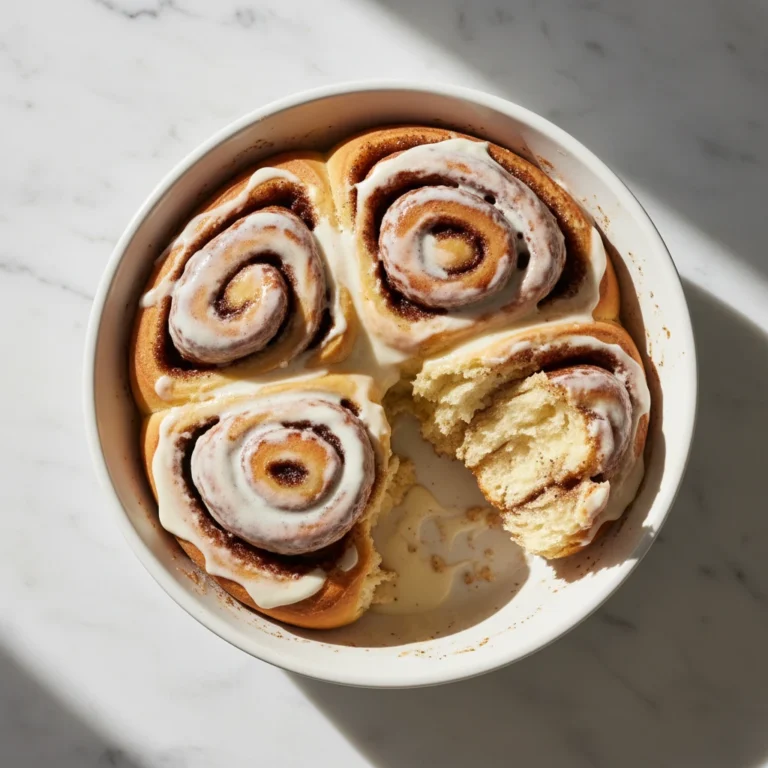
Cottage cheese cinnamon rolls are a delightful twist on a classic favorite, combining the tender, fluffy texture of traditional cinnamon rolls with the protein-rich goodness of cottage cheese. These soft, gooey rolls feature a moist, cake-like crumb that stays fresh longer than standard recipes, while the creamy filling delivers bold cinnamon flavor in every bite. Perfect for weekend breakfasts or holiday gatherings, this recipe yields bakery-quality results at home.
Reasons to Try Cottage Cheese Cinnamon Rolls
Protein-Packed Breakfast: The cottage cheese adds surprising nutritional value, making these rolls more satisfying and keeping you fuller longer than traditional versions. They’re an excellent choice for those seeking a more balanced breakfast treat.
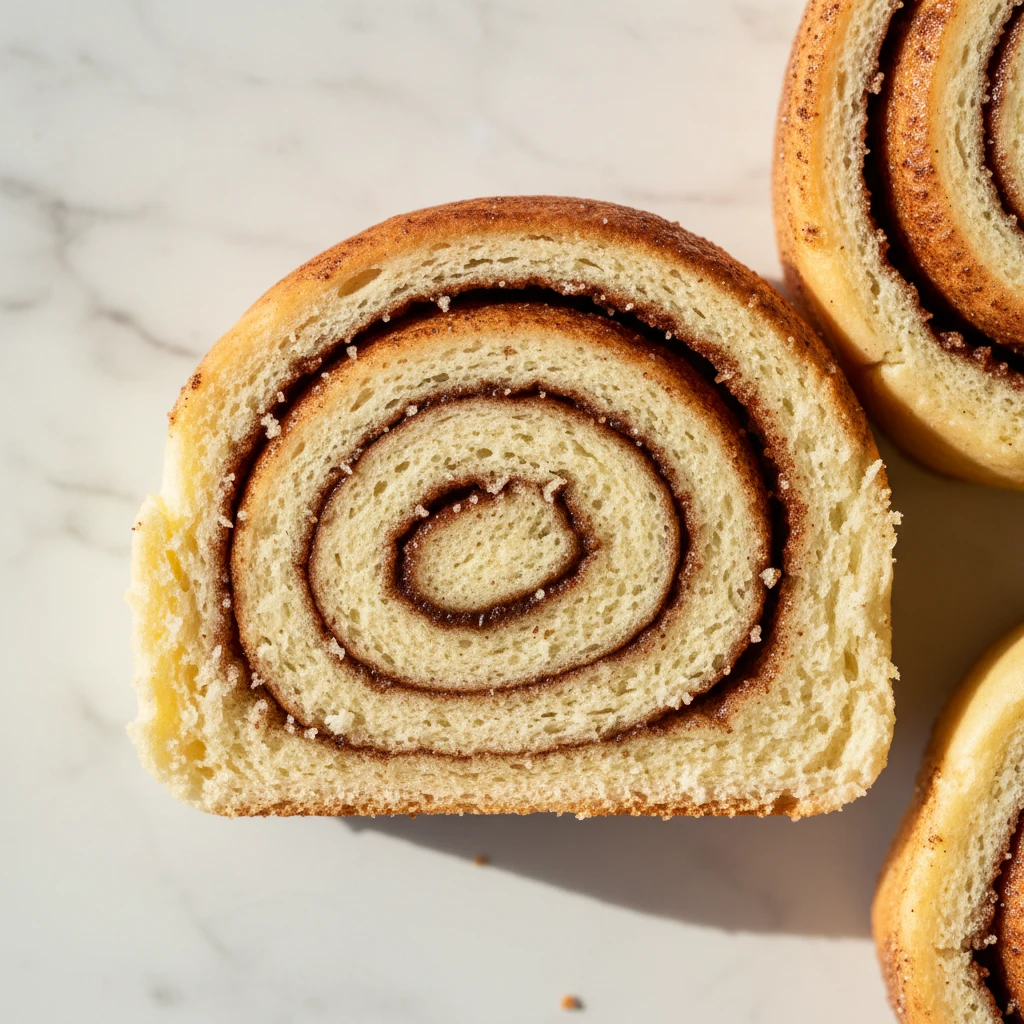
Incredibly Moist and Tender Crumb: Cottage cheese creates an exceptionally soft, cake-like texture that stays moist for days. This means you can enjoy leftovers without them drying out, a common problem with regular cinnamon rolls.
Unique Flavor Profile: The subtle tang of cottage cheese complements the warm cinnamon spice beautifully, creating a more complex and sophisticated taste that distinguishes these rolls from standard recipes.
Easy to Make: Despite sounding fancy, this recipe uses straightforward techniques. The dough comes together quickly, and there’s no need for complicated shaping or rolling skills.
Perfect for Any Occasion: Whether you’re hosting a brunch, preparing a holiday breakfast, or simply treating yourself on Sunday morning, these rolls impress without requiring professional baking experience.
 Save
SaveIngredients Notes
For the Dough
- All-purpose flour
- Whole wheat flour
- Instant yeast
- Granulated sugar
- Salt
- Cottage cheese, room temperature
- Whole milk, warm
- Unsalted butter, melted
- Large egg, room temperature
- Vanilla extract
For the Filling
- Unsalted butter, softened
- Light brown sugar, packed
- Ground cinnamon
- Cottage cheese
For the Cream Cheese Frosting
- Cream cheese, softened
- Unsalted butter, softened
- Powdered sugar, sifted
- Vanilla extract
- Salt
How to Make Cottage Cheese Cinnamon Rolls
For the Dough
- Mix flours, yeast, sugar, and salt in a large bowl.
- Combine cottage cheese, warm milk, melted butter, egg, and vanilla in another bowl until smooth.
- Add wet ingredients to dry ingredients and stir until a shaggy dough forms.
- Knead for 8–10 minutes by hand or 5–6 minutes with a stand mixer until smooth and elastic.
- Place in an oiled bowl, cover, and let rise 60–90 minutes until doubled in size.
For the Filling and Assembly
- Mix softened butter, brown sugar, cinnamon, and cottage cheese in a bowl.
- Punch down dough and roll into a 16×12 inch rectangle on a floured surface.
- Spread filling evenly over dough, leaving a half-inch border on all sides.
- Roll tightly from the long side and cut into 12 equal pieces.
- Place rolls in a greased 9×13 inch baking pan.
- Cover and let rise 45–60 minutes until puffy and touching.
- Bake at 350°F for 25–30 minutes until golden brown.
For the Frosting
- Beat cream cheese and butter until creamy.
- Add powdered sugar, vanilla, and salt, beating until smooth.
- Spread frosting over warm rolls immediately after baking.
What You Must Know About Cottage Cheese Cinnamon Rolls
Room Temperature Ingredients Are Essential: Cold cottage cheese, milk, or eggs will shock the yeast and prevent proper rising. Remove all ingredients from the refrigerator 30 minutes before starting. This is non-negotiable for consistent results.
Don’t Overmix the Dough: Unlike other baked goods, cinnamon roll dough should not be overworked after mixing. Once it reaches the smooth, elastic stage (it will still be slightly tacky), stop kneading. Overworking develops too much gluten, resulting in tough, chewy rolls instead of tender ones.
Accurate Oven Temperature Is Critical: A 25-degree variance makes a significant difference in baking time and browning. If you’ve never checked your oven’s accuracy, invest in an oven thermometer (under $10). Many ovens run 15–25 degrees off factory calibration.
The Cottage Cheese Must Be Smooth: Lumpy cottage cheese will create an uneven texture and tough spots in the dough. Before using, either blend the cottage cheese in a food processor for 10 seconds or press it through a fine sieve. This step takes 30 seconds and dramatically improves results.
Don’t Skip the Rest After Baking: Fresh cinnamon rolls are extremely fragile. Allowing them to rest for 2–3 minutes after removing from the oven sets the structure enough that they won’t fall apart when frosted or removed from the pan.
Make-Ahead Option: After assembling and arranging rolls in the pan (before the second rise), cover tightly with plastic wrap and refrigerate for up to 12 hours. In the morning, remove from the fridge, let come to room temperature (30–40 minutes), then proceed with the second rise and baking. This allows you to bake fresh rolls without waking up early.
Freezing Instructions: Cool the frosted rolls completely, wrap individually in plastic wrap, and freeze in an airtight container for up to 1 month. Thaw at room temperature for 60 minutes and microwave for 15–20 seconds before serving.
Helpful Tips: For extra-gooey rolls, place a pan of hot water on the lower oven rack while baking; the steam keeps the tops soft. For a cinnamon swirl variation, add 1/4 teaspoon ground nutmeg and 1/8 teaspoon ground cloves to the filling for warm spiced flavors. If you prefer less frosting, the cream cheese mixture can be halved without affecting the rolls themselves.
Variations and Substitutions
Greek Yogurt Version: Replace the cottage cheese in the dough with 1 cup plain Greek yogurt (full-fat for best texture). The rolls will be slightly tangier and equally moist. Reduce the milk to 2 tablespoons since Greek yogurt contains less liquid than cottage cheese.
Maple-Pecan Filling: Instead of the standard cinnamon filling, mix softened butter with 3/4 cup brown sugar, 2 1/2 tablespoons cinnamon, 1/2 cup chopped toasted pecans, and 2 tablespoons maple syrup. Proceed as directed. These rolls are perfect for fall gatherings.
Brown Butter Frosting: For deeper, nuttier flavor, brown 1/4 cup butter in a small saucepan over medium heat (5–7 minutes until foaming stops and it turns golden). Cool completely, then use it in place of regular butter in the frosting recipe. This adds incredible depth to the sweetness.
Lower-Sugar Filling: Use 3/4 cup brown sugar + 2 tablespoons coconut sugar mixed with 2 1/2 tablespoons cinnamon and 1/4 cup cottage cheese. The coconut sugar adds slight caramel notes while reducing overall sweetness.
Whole Wheat Variation: Increase whole wheat flour to 1 1/2 cups and reduce all-purpose flour to 1 1/2 cups. The rolls will be slightly denser and nuttier. Increase the first rise time by 10–15 minutes.
Cardamom Spiced Version: Replace or supplement the cinnamon with 1 teaspoon ground cardamom and 2 tablespoons cinnamon in the filling. Cardamom adds a sophisticated, floral note that pairs beautifully with cream cheese frosting.
Raisin and Walnut Addition: Add 1/2 cup soaked raisins and 1/2 cup chopped walnuts to the filling mixture for texture contrast and additional flavor complexity.
Orange Zest Frosting: Add 1 tablespoon of fresh orange zest and 1/2 teaspoon orange extract to the cream cheese frosting for a bright, citrusy complement to the cinnamon spice.
Serving Suggestions for Cottage Cheese Cinnamon Rolls
Classic Brunch Presentation: Serve warm rolls directly from the pan with the frosting still melting. Arrange on a large wooden board or platter lined with parchment paper, allowing guests to pick from the center. Dust lightly with additional ground cinnamon and a sprinkle of coarse sugar for visual appeal.
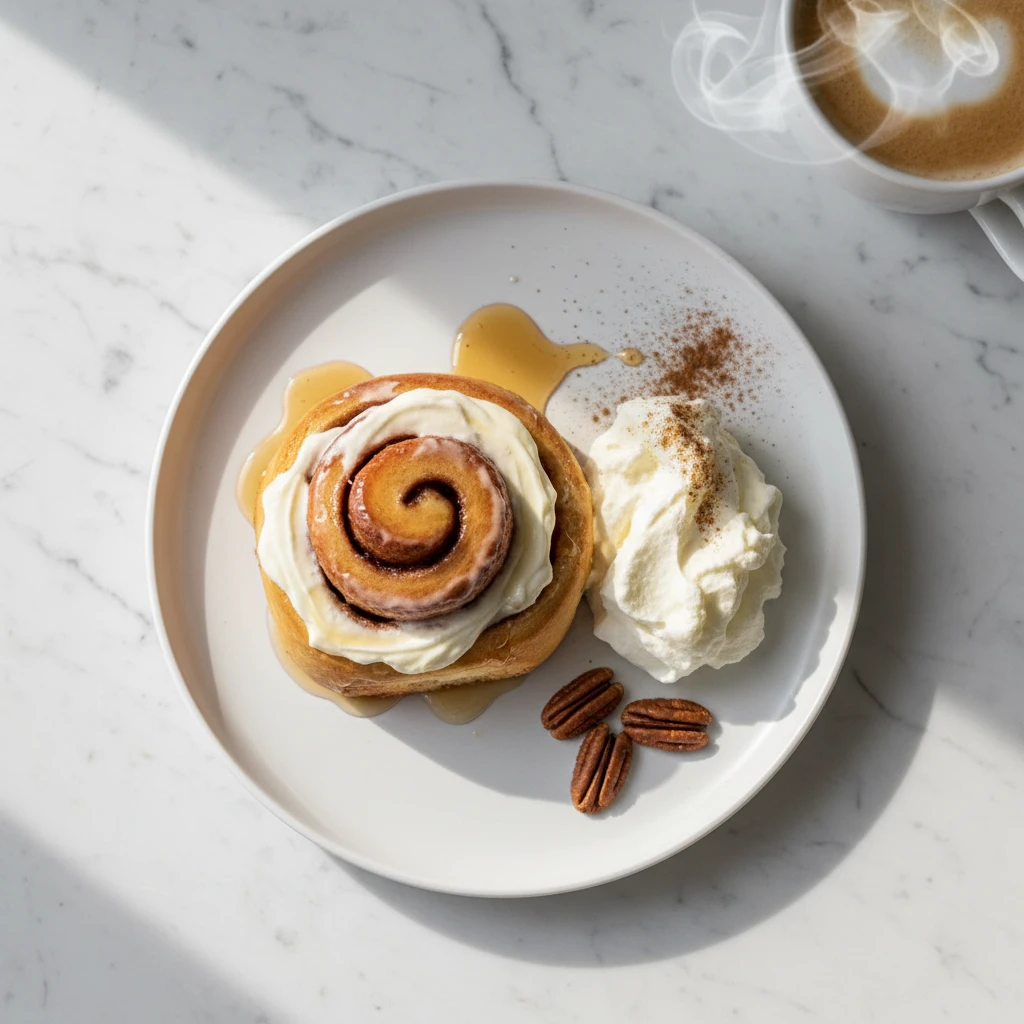
Individual Plating: Place one roll on a white plate with a small dollop of fresh whipped cream on the side. Garnish with a light sprinkle of cinnamon, a few toasted pecans or walnuts, and fresh mint for color. Serve with a small cup of vanilla bean ice cream on the side for an indulgent dessert twist.
Breakfast Spread: Arrange rolls on a rustic platter surrounded by accessories: fresh berries (raspberries or strawberries), a small bowl of mascarpone or sour cream, honey drizzle in a small dish, and crushed pistachios. Let guests customize their experience.
Coffee Shop Style: Plate one roll on a small artisan plate, add a quenelle of mascarpone to the side, and finish with a light dusting of powdered sugar and a sprinkle of fleur de sel. Serve alongside a cappuccino or latte for an authentic café experience.
Holiday Entertaining: For parties, stack the rolls on a tiered cake stand, drizzle with extra frosting, and garnish the platter with fresh cranberries, rosemary sprigs, and edible gold dust for festive elegance.
Accompaniments: Serve alongside fresh fruit salad, scrambled eggs, crispy bacon, or smoked salmon for a balanced brunch. Hot apple cider, fresh-squeezed orange juice, or specialty coffee complement the sweetness beautifully.
 Save
SaveStorage and Reheating
Room Temperature Storage: Store cooled cinnamon rolls in an airtight container at room temperature for up to 3 days. The cottage cheese in the dough keeps them remarkably moist during this period, so they won’t dry out as quickly as traditional rolls. Cover the container to prevent them from absorbing odors from the kitchen.
Refrigerator Storage: Place cooled rolls in an airtight container and refrigerate for up to 5 days. The dough will become slightly denser but remain very moist. This extended storage is one of the greatest advantages of this recipe.
Freezer Storage: Wrap each cooled roll individually in plastic wrap, then place in a freezer bag or airtight container. Freeze for up to 1 month. Label the container with the date for reference.
Reheating from Room Temperature: If storing at room temperature and rolls have cooled completely, wrap them loosely in foil and warm in a 300°F oven for 8–10 minutes until heated through and frosting softens slightly. Do not exceed 300°F or the frosting will melt unevenly.
Reheating from Refrigerator: Remove rolls from the refrigerator and allow them to come to room temperature (30–40 minutes). Alternatively, wrap loosely in foil and warm in a 325°F oven for 12–15 minutes. Microwave reheating (15–20 seconds per roll at 50% power) works but may create uneven hot spots; it’s less ideal than oven reheating.
Reheating from Freezer: Thaw rolls at room temperature for 60–90 minutes until completely thawed. Then reheat as directed for refrigerated rolls, adding 5 minutes to the oven time. Alternatively, microwave thawed rolls for 20–30 seconds at 50% power.
Best Texture: Rolls taste best served warm within 24 hours of baking. Reheating slightly restores the soft, tender texture. After 5 days of refrigeration, the rolls are still perfectly safe and delicious but are best eaten cold or at room temperature rather than reheated, as the dough will become slightly denser.
Frequently Asked Questions about Cottage Cheese Cinnamon Rolls
Can I make the dough the night before?
Yes, absolutely. After the first rise, punch down the dough, wrap it tightly in plastic wrap, and refrigerate for up to 12 hours. The next morning, let it come to room temperature (30–40 minutes), then proceed with rolling, filling, and shaping. The cold overnight rise actually develops more flavor. You can also assemble the rolls in the baking pan, cover tightly with plastic wrap, and refrigerate overnight. Simply remove them in the morning, let them rise at room temperature for 40–50 minutes, then bake as directed.
What brand of cottage cheese works best?
Any full-fat or 2% cottage cheese works well, but large-curd varieties may need to be processed in a food processor for 10 seconds to break down the curds and create a smoother dough. Small-curd cottage cheese is more forgiving and requires less processing. Avoid non-fat cottage cheese, as it lacks the fat necessary for moisture and texture. Store brands are perfectly fine and less expensive than name brands.
Can I substitute the whole wheat flour?
Yes. Use 100% all-purpose flour (3 cups total) for a lighter, airier roll. You can also substitute with bread flour for a chewier texture, or replace up to 1/2 cup flour with oat flour for a slightly nuttier flavor and denser crumb. If using oat flour, add 1–2 tablespoons extra milk since oat flour absorbs more liquid. Avoid using more than 1/2 cup specialty flour in place of wheat flour, as it may require dough adjustments.
How do I know if my rolls are proofed enough?
The poke test is your best friend. Gently press one finger into the dough; it should spring back slowly over 3–5 seconds but leave a slight indent. If it springs back immediately, give it more time. If it doesn’t spring back at all, you’ve overproofed it—bake immediately, though the rolls may be slightly denser. Properly proofed rolls rise 1–2 inches above the pan rim during the second rise and feel pillow-soft.
Why are my rolls dense or gummy in the center?
Dense, gummy centers usually indicate underbaking. Ensure your oven is at the correct temperature (use an oven thermometer if possible) and bake for the full 25–30 minutes, checking for a golden-brown top and 190–195°F internal temperature. If you’re using a glass baking pan, rolls may bake faster and brown more; reduce oven temperature by 25°F. If rolls are still gummy after 30 minutes, your oven likely runs cool—extend baking to 35 minutes next time.
Can I use active dry yeast instead of instant yeast?
Yes, but increase the amount to 1 1/2 tablespoons active dry yeast. Active dry yeast is coarser and less concentrated than instant yeast, so you need slightly more. Alternatively, mix the active dry yeast with the warm milk and let it sit for 5 minutes before adding to the dry ingredients. Both methods yield nearly identical results.
Is the frosting dairy-free adaptable?
The cream cheese frosting is not easily dairy-free since cream cheese is the primary ingredient. However, you can create a simple dairy-free glaze: combine 1 1/2 cups powdered sugar, 2 tablespoons almond milk, 1 tablespoon melted coconut oil, 1/2 teaspoon vanilla, and a pinch of salt. Whisk until smooth and drizzle over warm rolls. The flavor will be lighter and less rich than traditional frosting, but it’s delicious and fully dairy-free.
Can I double this recipe?
Yes, doubling is straightforward. Simply double all ingredient quantities. The dough will need to rise in a large bowl (use a 6–8 quart capacity). You’ll need two 9×13 inch pans or three 8-inch round cake pans to arrange 24 rolls. First rise time remains 60–90 minutes; second rise remains 45–60 minutes. Bake both pans on the middle rack for 28–32 minutes, rotating pans halfway through for even browning. Frosting recipe can be doubled as well.
Nutrition Facts (Per Serving)
| Nutrient | Amount |
|---|---|
| Calories | 342 |
| Total Fat | 14g |
| Saturated Fat | 8.5g |
| Trans Fat | 0.3g |
| Cholesterol | 48mg |
| Sodium | 298mg |
| Total Carbohydrates | 48g |
| Dietary Fiber | 1.2g |
| Sugars | 28g |
| Protein | 7.8g |
Dietary Notes: These rolls contain more protein than traditional cinnamon rolls thanks to the cottage cheese, making them a more balanced breakfast option. Each roll contains approximately 7.8g of protein, which aids satiety and blood sugar stability. The whole wheat flour contributes additional fiber compared to all-purpose-only recipes. Contains eggs, dairy, and gluten.
Cottage Cheese Cinnamon Rolls
Ingredients
- 2 cups all-purpose flour
- 1 cup whole wheat flour
- 1 tablespoon instant yeast
- 1/4 cup granulated sugar
- 1 teaspoon salt
- 1 cup cottage cheese room temperature
- 1/4 cup whole milk warm
- 3 tablespoons unsalted butter melted
- 1 large egg room temperature
- 1/2 teaspoon vanilla extract
- 1/2 cup unsalted butter softened
- 1 cup light brown sugar packed
- 2 1/2 tablespoons ground cinnamon
- 1/4 cup cottage cheese mixed into filling
- 8 ounces cream cheese softened
- 1/4 cup unsalted butter softened
- 1 1/2 cups powdered sugar sifted
- 1/2 teaspoon vanilla extract
- 1/8 teaspoon salt
Instructions
- Preheat your oven to 350°F. This is your baking temperature for the rolls.
- In a large mixing bowl, combine 2 cups all-purpose flour, 1 cup whole wheat flour, 1 tablespoon instant yeast, 1/4 cup granulated sugar, and 1 teaspoon salt. Whisk together for 10 seconds until evenly distributed. Checkpoint: Your dry ingredients are fully blended when no streaks of flour remain.
- In a separate bowl, add 1 cup cottage cheese (ensure it is at room temperature), 1/4 cup warm whole milk (between 110–120°F), 3 tablespoons melted unsalted butter, 1 large room-temperature egg, and 1/2 teaspoon vanilla extract. Stir vigorously for 30 seconds until the mixture is completely smooth with no lumps. Checkpoint: The cottage cheese should be broken down enough that the mixture looks like a thick cream.
- Pour the wet ingredients into the dry ingredients. Using a sturdy spoon or rubber spatula, stir for 60 seconds until a shaggy, wet dough forms and no dry flour remains. Checkpoint: The dough should look rough and uneven at this point.
- If kneading by hand: Transfer dough to a lightly floured work surface and knead for 8–10 minutes, adding tiny pinches of flour only if extremely sticky. If using a stand mixer with a dough hook: Knead for 5–6 minutes on medium speed. The dough should be smooth, elastic, and slightly tacky (not sticky). It should spring back slowly when poked with one finger.
- Lightly oil a large bowl. Shape the dough into a ball and place it in the bowl, turning to coat all sides with oil (2 seconds per side). Cover the bowl tightly with plastic wrap or a damp towel.
- Let the dough rise at room temperature (68–72°F is ideal) for 60–90 minutes. If your kitchen is cold (below 65°F), it may take up to 2 hours. The dough should roughly double in volume and be puffy to the touch. Checkpoint: When you poke the dough gently with a floured finger, it should spring back slowly but leave a slight indent.
- While the dough rises, prepare the filling. In a small bowl, combine 1/2 cup softened unsalted butter, 1 cup packed light brown sugar, 2 1/2 tablespoons ground cinnamon, and 1/4 cup cottage cheese. Stir vigorously for 60 seconds until the mixture is smooth and spreadable, with no lumps of brown sugar remaining. Set aside.
- After the first rise, gently punch down the dough by pressing your fist into the center, then fold the edges toward the middle (5 seconds total). This releases excess gas.
- Transfer the dough to a lightly floured work surface. Using a rolling pin, roll the dough into a rectangle approximately 16 inches long by 12 inches wide. The dough should be 1/4 inch thick and even throughout. Checkpoint: You should see a rectangular shape with fairly uniform thickness.
- Spread the cinnamon-brown sugar filling over the dough using an offset spatula or the back of a spoon, leaving a half-inch border uncovered on all four edges (90 seconds). The filling layer should be about 1/4 inch thick. Checkpoint: The filling is evenly distributed when you don't see bare dough peeking through.
- Starting at the long edge (16-inch side) closest to you, tightly roll the dough toward the far edge, tucking slightly as you roll (120 seconds). The finished log should be about 16 inches long and 2 inches wide. Use both hands to keep the roll tight.
- Using a sharp knife dipped in warm water (wipe between cuts), cut the log into 12 equal pieces, each about 1 1/3 inches thick. Wipe the knife clean after each cut to prevent the dough from sticking. Checkpoint: Each roll should have a visible spiral of cinnamon filling.
- Grease a 9x13 inch baking pan with butter or non-stick spray, coating the bottom and sides evenly. Arrange all 12 rolls in the pan in 3 rows of 4, placing them cut-side up with about 1/2 inch of space between each roll. The rolls will expand into each other during the second rise.
- Cover the pan loosely with plastic wrap or a damp kitchen towel. Let the rolls rise at room temperature for 45–60 minutes. If your kitchen is cold, they may need 75 minutes. The rolls should be puffy, pillowy, and should spring back slowly when gently pressed with one finger. The tops will rise 1–2 inches above the rim of the pan. Checkpoint: When you press a roll gently, it should leave a slight indent that fills back in slowly over 3 seconds.
- Bake the rolls in the preheated 350°F oven on the middle rack for 25–30 minutes. The tops should turn golden brown (the color of honey), and the rolls should smell deeply fragrant and cinnamony. Insert a thermometer into the center of one roll; it should register 190–195°F when fully baked. The rolls should feel firm on the outside but yield slightly when pressed gently. Checkpoint: The rolls are done when the tops are golden brown and an instant-read thermometer reads 190°F in the center of a roll.
- While the rolls bake, prepare the frosting. In a medium bowl, beat 8 ounces softened cream cheese and 1/4 cup softened unsalted butter together for 60–90 seconds using an electric mixer on medium speed until light and fluffy. Scrape the bowl halfway through.
- Add 1 1/2 cups sifted powdered sugar, 1/2 teaspoon vanilla extract, and 1/8 teaspoon salt to the cream cheese mixture. Beat on medium speed for 60 seconds until smooth and spreadable with no lumps of sugar remaining. The frosting should be thick but pourable. If too thick, add milk 1/2 teaspoon at a time. Checkpoint: The frosting is ready when it is smooth, fluffy, and completely free of sugar grains.
- Remove the rolls from the oven immediately. Let them rest in the pan for 2–3 minutes so they are still warm but cool enough to handle. The pan will be very hot; use oven mitts.
- Spread or drizzle the frosting generously over the warm rolls (120 seconds total), allowing it to melt slightly into the crevices and run down the sides. For a lighter frosting coating, spread more thinly; for a richer frosting experience, use all of it.
- Let the frosted rolls cool in the pan for 10 minutes before serving. They will set slightly and become easier to remove from the pan.
- Troubleshooting tips:If dough won't rise after 90 minutes: Your kitchen is too cold. Move the bowl to a warmer spot (near a sunny window) or inside a turned-off oven with the light on, which maintains 75°F.
- If rolls spread too wide instead of tall during the second rise: Your filling was too wet or your rolls were cut too thick. Ensure the filling is spreadable, not drippy, and cut rolls to 1 1/3 inches.
- If rolls are dense or gummy in the center: They weren't baked long enough or your oven runs cool. Bake 5 additional minutes or check your oven temperature with an oven thermometer (buy one if you don't have one; ovens often run 15–25°F off).
- If frosting is too thick and won't spread: Let it sit at room temperature for 10 minutes, or add milk 1/2 teaspoon at a time while beating.
- If rolls stick to the pan: Let them cool for 15 minutes, then use a small offset spatula or butter knife to loosen them gently before removing.