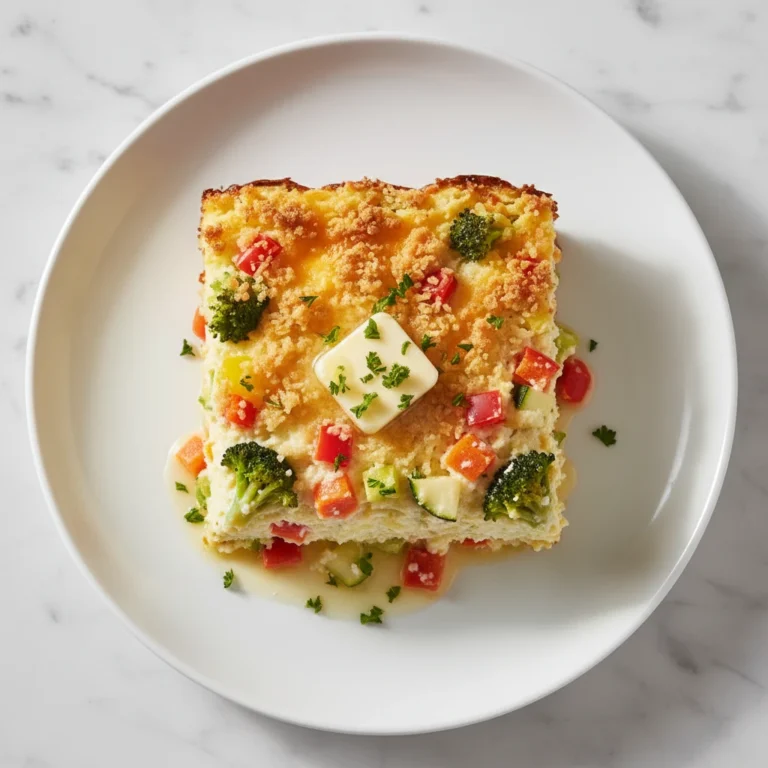
This cottage cheese veggie casserole is a wholesome, protein-packed dish that transforms simple vegetables and creamy cheese into a satisfying one-pan meal. Perfect for weeknight dinners or meal prep, it combines soft cottage cheese with vibrant seasonal vegetables for a comforting baked casserole that’s both nutritious and delicious. Whether you’re feeding a family or looking for budget-friendly leftovers, this versatile dish delivers genuine homemade comfort.
Reasons to Try Cottage Cheese Veggie Casserole
Protein-Packed Nutrition: Cottage cheese and ricotta provide high-quality protein that keeps you satisfied for hours. This casserole is an excellent choice for those seeking healthier, protein-forward comfort food without sacrificing taste.
Loaded with Fresh Vegetables: Unlike traditional casseroles heavy on cream and cheese alone, this version celebrates fresh produce. Zucchini, bell peppers, broccoli, carrots, and spinach add color, texture, and essential nutrients to every bite.
One-Dish Convenience: Minimal prep and cleanup make this ideal for busy weeknights. Simply combine ingredients, pour into a baking dish, and let the oven do the work while you attend to other tasks.
Naturally Creamy Texture: The cottage cheese and ricotta blend create a naturally creamy base without heavy cream or canned soups. The result is a lighter, fresher-tasting casserole that’s still deeply satisfying.
Flexible and Adaptable: Use whatever vegetables you have on hand. This recipe welcomes substitutions, making it perfect for cleaning out your crisper drawer while creating something restaurant-quality.
Make-Ahead Friendly: Assemble this casserole hours ahead, refrigerate, and bake when ready. It’s perfect for meal prep Sunday or preparing dinner before a hectic evening.
 Save
SaveIngredients Notes
- Cottage cheese (full-fat or 2% works best; avoid fat-free for better texture)
- Ricotta cheese (adds silky smoothness to the base)
- Shredded cheddar cheese (reserve half for topping)
- Large eggs (binds the casserole and adds richness)
- Medium zucchini (choose firm specimens without soft spots)
- Medium bell pepper (any color; red and yellow are sweeter)
- Fresh broccoli florets (chop small for even cooking)
- Diced carrots (raw is fine; they’ll soften during baking)
- Diced onion (white or yellow onion preferred)
- Fresh spinach (roughly chop before measuring)
- Fresh mushrooms (cremini or button mushrooms work well)
- Fresh garlic cloves (mince finely for even distribution)
- Dried Italian seasoning (or use fresh herbs if available)
- Ground black pepper
- Salt
- Red pepper flakes (optional but recommended for depth)
- Panko breadcrumbs (creates a crispy golden topping)
- Butter, melted (for topping moisture)
- Fresh parsley (brightens the finished dish)
- Grated Parmesan cheese (adds nutty flavor to the crust)
How to Make Cottage Cheese Veggie Casserole
- Preheat oven to 350°F and prepare a 9×13-inch baking dish by lightly greasing with butter or cooking spray.
- In a large mixing bowl, combine cottage cheese, ricotta cheese, 1 cup cheddar cheese, and eggs. Stir until smooth and well blended.
- Add minced garlic, Italian seasoning, salt, pepper, and red pepper flakes to the cheese mixture. Stir to combine.
- Fold in all diced vegetables (zucchini, bell pepper, broccoli, carrots, onion, spinach, and mushrooms) until evenly distributed throughout the cheese base.
- Pour the entire mixture into the prepared baking dish and spread evenly with a spatula.
- In a small bowl, toss panko breadcrumbs with melted butter, remaining 1 cup cheddar cheese, Parmesan cheese, and fresh parsley.
- Sprinkle the breadcrumb mixture evenly over the top of the casserole.
- Bake uncovered for 45-50 minutes until the top is golden brown and the casserole is set in the center (a knife inserted should come out clean).
- Let rest for 5 minutes before serving to allow the casserole to set and cool slightly.
What You Must Know About Cottage Cheese Veggie Casserole
Cheese Quality Matters: Use full-fat or 2% cottage cheese and ricotta rather than fat-free versions. Fat-free varieties often have a grainy texture that won’t create the creamy base this casserole requires. The fat is essential for both flavor and texture.
Don’t Skip the Resting Time: After baking, let the casserole rest for 5 minutes before cutting. This allows the eggs to fully set, making slices hold together instead of falling apart. Serve it warm but not piping hot for the best texture.
Vegetable Prep is Key: Dice vegetables consistently and relatively small (about 1/4 to 1/2 inch). This ensures even cooking throughout the 45-50 minute bake time. If pieces are too large, they’ll still be crunchy; if too small, they may become mushy.
Layer Your Seasoning: Season the cheese base first, then let vegetables sit briefly with the seasoned cheese before baking. This allows flavors to meld. Don’t over-season; you can always add more salt at the table, but you can’t remove it.
Watch for Overbaking: Check the casserole at 45 minutes. Overbaking causes the cottage cheese and ricotta to release excess moisture, which then evaporates, potentially leaving the dish dry. The center should be set but still slightly moist.
Make-Ahead Tip: Assemble the casserole in the baking dish, cover tightly with plastic wrap, and refrigerate for up to 24 hours before baking. Add 5-10 minutes to the bake time if baking straight from the refrigerator (no thawing necessary).
Storage Note: This casserole stores well but may become slightly drier after a day or two. Add a splash of milk or cream when reheating to restore moisture if needed.
Variations and Substitutions
Protein Additions: Stir in cooked ground turkey or beef (1 pound), diced ham (1 cup), or cooked Italian sausage (8 ounces) to make this dish more filling and create a heartier main course.
Dairy Swaps: Replace cheddar with mozzarella for a milder flavor, or use a mix of cheddar and Swiss cheese. Greek yogurt can replace up to 1 cup of the ricotta for a tangier taste. Cream cheese (softened, 4 ounces) can replace some of the ricotta if you prefer extra richness.
Vegetable Variations: Use whatever vegetables you have: roasted red peppers, corn, green beans, diced celery, peas, green zucchini, yellow squash, kale, or chard. Keep the total vegetable volume at approximately 5 cups. Avoid very watery vegetables like tomatoes in large quantities, as they’ll make the casserole wet.
Spice Level Adjustments: Increase red pepper flakes to 1/2 teaspoon for more heat, or add cayenne pepper. For a Mediterranean twist, use oregano and basil instead of Italian seasoning, and add sun-dried tomatoes (1/2 cup) and fresh basil.
Gluten-Free Version: Replace panko breadcrumbs with gluten-free panko or crushed gluten-free crackers. All other ingredients are naturally gluten-free if using certified varieties.
Lower-Fat Version: Use low-fat cottage cheese and ricotta (not fat-free), reduce cheddar to 1.5 cups total, and use only 2 eggs plus 2 egg whites. Reduce butter in the topping to 1 tablespoon. The casserole will be slightly less rich but still delicious.
Creamy Sauce Option: For extra creaminess, whisk together 1/2 cup heavy cream or half-and-half with 1/4 cup milk and pour over the vegetable mixture before topping. This creates a saucier, moister casserole.
Serving Suggestions for Cottage Cheese Veggie Casserole
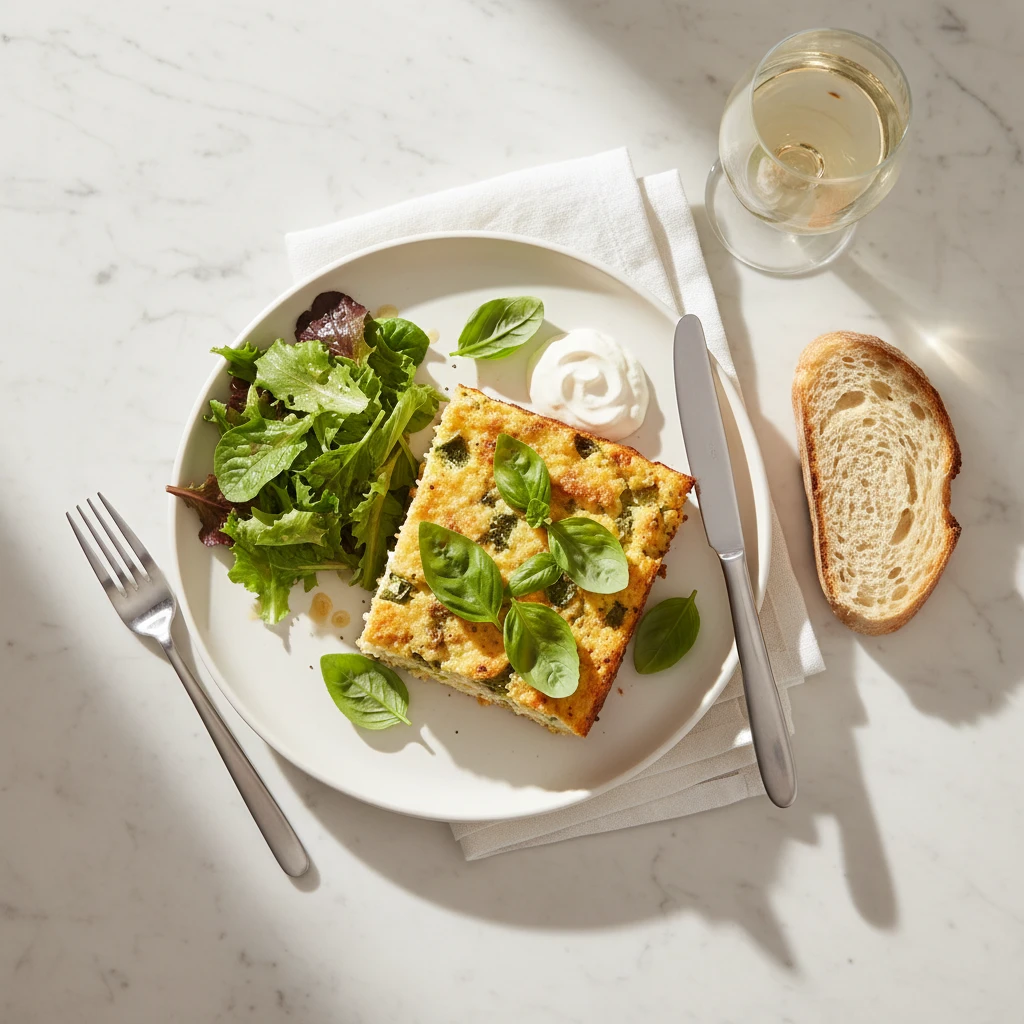
As a Main Course: Serve generous squares directly from the baking dish onto warm plates. Pair with a simple green salad dressed with vinaigrette to balance the richness. Add crusty bread on the side for scooping up any creamy sauce from the plate.
With Fresh Toppings: Garnish individual servings with fresh basil, parsley, or chives for brightness and color. A dollop of sour cream on top adds tangy creaminess and complements the cheesy casserole beautifully.
Alongside Proteins: Serve this casserole as a vegetable-forward side dish with grilled chicken breast, pan-seared salmon, or roasted turkey. Its protein content makes it substantial enough to stand alone, but it pairs well with additional lean proteins.
With Grain Sides: Accompany with rice pilaf, couscous, quinoa, or roasted potatoes. The casserole’s creamy texture contrasts nicely with fluffy grains or crispy roasted vegetables.
For Meal Prep: Cut into 6-8 portions, allow to cool completely, then store in individual containers. Reheat single portions in the microwave (2-3 minutes) or oven (350°F for 10-15 minutes covered with foil) for grab-and-go lunches.
Cold Leftover Option: While best served warm, cold casserole pieces make a surprisingly good protein-packed lunch addition to grain bowls or salads on warm days.
 Save
SaveStorage and Reheating
Refrigerator Storage: Allow the casserole to cool to room temperature, then cover tightly with plastic wrap or transfer to an airtight container. Store in the refrigerator for up to 4 days. The casserole may appear slightly drier after storage due to moisture evaporation, which is normal.
Freezer Storage: Cool completely, then cut into individual portions. Wrap each portion tightly in plastic wrap and place in a freezer-safe container or zip-top bag. Label with the date and freeze for up to 3 months. For best texture, thaw overnight in the refrigerator before reheating rather than reheating from frozen.
Reheating from Refrigerator: Preheat oven to 325°F. Place the covered casserole (or individual portions covered with foil) on a baking sheet. Bake for 15-20 minutes until heated through. The casserole should reach 165°F internally. To restore moisture, sprinkle a tablespoon of milk over the top before reheating, or cover tightly with foil for the first half of reheating time.
Microwave Reheating: For individual portions, place on a microwave-safe plate and cover loosely. Microwave on 50% power for 2-3 minutes, stirring halfway through, until heated to your preference. Microwave reheating may result in uneven heating, so check temperature carefully.
Stovetop Reheating: Cut casserole into smaller pieces and gently warm in a skillet over medium-low heat with a splash of milk or broth, stirring occasionally. This method is gentler and restores moisture well.
Frequently Asked Questions about Cottage Cheese Veggie Casserole
Can I make this casserole without eggs?
Eggs act as a binder and help set the casserole structure. If you need an egg-free version, replace the 3 eggs with 1/2 cup of full-fat plain yogurt or 1/4 cup cornstarch mixed with 1/4 cup milk. The texture will be slightly different but still delicious. Note that egg-free versions may take slightly longer to bake fully.
What if my cottage cheese is too lumpy?
Blend the cottage cheese with ricotta in a food processor for 30 seconds until completely smooth before mixing with other ingredients. Alternatively, press the cottage cheese through a fine-mesh strainer into a bowl to break up lumps. A smoother base will yield a creamier finished casserole.
Can I use frozen vegetables instead of fresh?
Yes, frozen vegetables work well. Thaw them completely and drain any excess liquid before adding to the cheese mixture. Frozen broccoli, carrots, and mixed vegetables are excellent options. Pat them dry with paper towels to prevent the casserole from becoming watery.
How do I know when the casserole is done baking?
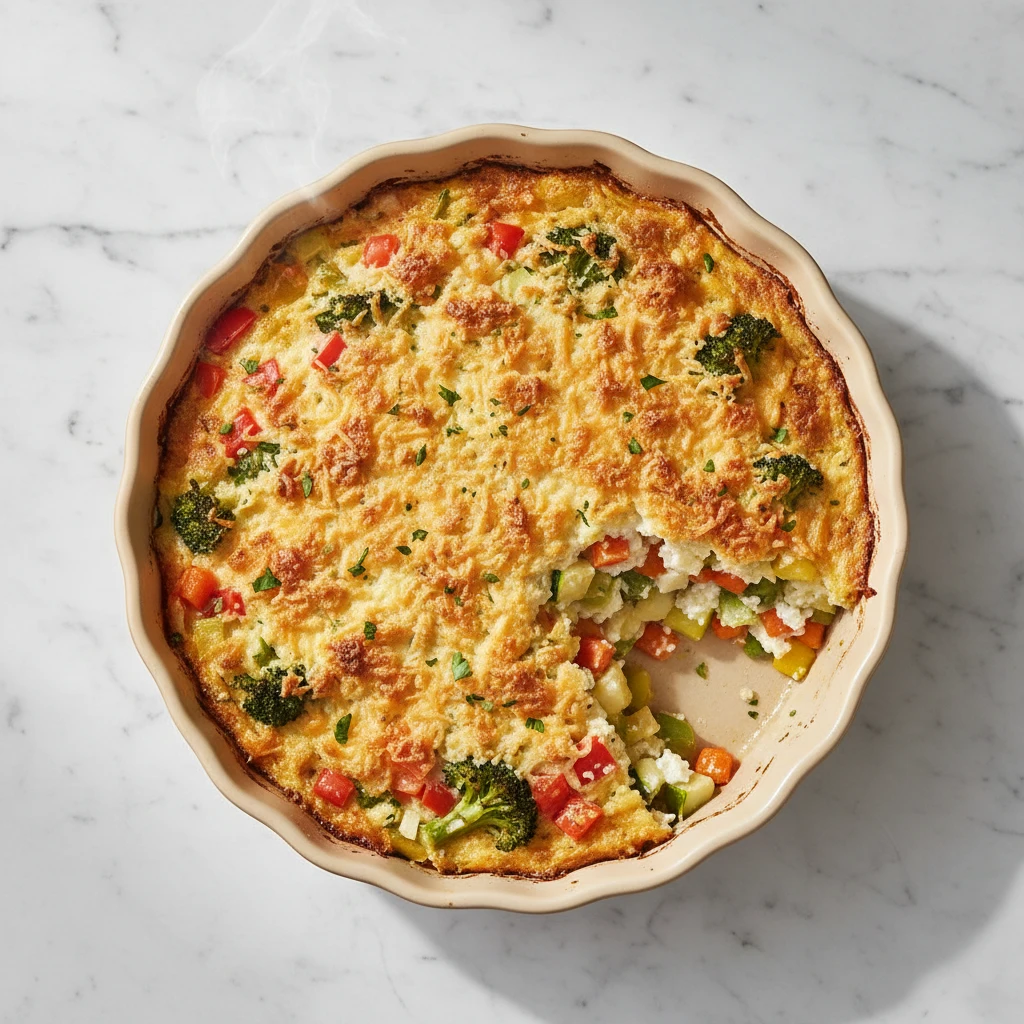
The casserole is done when the top is golden brown, the edges are lightly bubbling, and a knife inserted into the center comes out clean (not wet). The center should be set but still slightly moist, not dry. At 45 minutes, check for these signs; if needed, bake an additional 5 minutes.
Can I prepare this casserole ahead of time?
Yes, assemble the entire casserole in the baking dish, cover with plastic wrap, and refrigerate for up to 24 hours before baking. When ready to bake, add 5-10 minutes to the bake time since it will be starting from cold. You do not need to thaw it first.
Is this casserole vegetarian and vegan-friendly?
This casserole as written is vegetarian (it contains dairy and eggs) but not vegan. For a vegan version, use dairy-free cottage cheese alternative and vegan ricotta, replace eggs with aquafaba or flax eggs, and use vegan cheddar cheese. The texture will differ slightly, so test a vegan version with a small batch first.
What’s the best way to cut clean slices?
Use a long, thin knife dipped in hot water and wiped dry between cuts. Cut while the casserole is still warm (after the 5-minute rest) but not piping hot. For extra clean slices, chill the leftovers completely before cutting. A sharp serrated knife also works well.
Can I double this recipe?
Yes, double all ingredients and bake in two 9×13-inch dishes, or in a large roasting pan. You may need to add 5-10 minutes to the bake time since larger volumes take longer to heat through. Check for doneness at 50 minutes and extend if needed. Alternatively, use a larger dish and increase bake time by 10-15 minutes.
Nutrition Facts (Per Serving)
| Nutrient | Per Serving |
|---|---|
| Calories | 285 |
| Protein | 22g |
| Carbohydrates | 12g |
| Dietary Fiber | 2g |
| Total Fat | 16g |
| Saturated Fat | 9g |
| Cholesterol | 105mg |
| Sodium | 520mg |
| Calcium | 380mg (30% DV) |
| Iron | 1.8mg (10% DV) |
Dietary Notes: This casserole is vegetarian, naturally high in protein and calcium from dairy and eggs, and rich in vitamins and minerals from fresh vegetables. It provides excellent satiety due to its protein content. Calories and nutrients may vary slightly based on specific brands and ingredient choices.
Cottage Cheese Veggie Casserole
Ingredients
- 2 cups cottage cheese
- 1 cup ricotta cheese
- 2 cups shredded cheddar cheese divided
- 3 large eggs
- 1 medium zucchini diced
- 1 medium bell pepper diced
- 1 cup broccoli florets chopped small
- 1 cup diced carrots
- 1/2 cup diced onion
- 1 cup fresh spinach chopped
- 1/2 cup mushrooms diced
- 2 cloves garlic minced
- 1/2 teaspoon dried Italian seasoning
- 1/4 teaspoon ground black pepper
- 1/2 teaspoon salt
- 1/4 teaspoon red pepper flakes
- 1/2 cup panko breadcrumbs
- 2 tablespoons butter melted
- 2 tablespoons fresh parsley chopped
- 1 tablespoon grated Parmesan cheese
Instructions
- Preheat oven to 350°F (175°C). This takes about 10 minutes. Lightly grease a 9x13-inch baking dish with butter or cooking spray. Set aside. Checkpoint: Oven is preheated and dish is ready when you can hold your hand 3 inches above the rack and feel strong heat.
- In a large mixing bowl, combine 2 cups cottage cheese, 1 cup ricotta cheese, 1 cup shredded cheddar cheese, and 3 large eggs. Stir for about 2 minutes with a wooden spoon or whisk until the mixture is smooth and creamy with no lumps visible. Checkpoint: The cheese base should look uniform and creamy, with no cottage cheese curds visible.
- Add 2 minced garlic cloves, 1/2 teaspoon dried Italian seasoning, 1/2 teaspoon salt, 1/4 teaspoon black pepper, and 1/4 teaspoon red pepper flakes to the cheese mixture. Stir well for about 1 minute until the seasonings are evenly distributed throughout. Checkpoint: The mixture should smell fragrant and aromatic; no streaks of seasoning should be visible.
- Prepare vegetables while the cheese base is resting: dice 1 medium zucchini into 1/4-inch pieces (about 1 cup), dice 1 medium bell pepper into small pieces (about 3/4 cup), chop 1 cup broccoli florets into bite-sized pieces (about 1/2 inch each), dice 1 cup carrots into small cubes (about 1/4 inch), dice 1/2 cup onion into small pieces, roughly chop 1 cup fresh spinach, and dice 1/2 cup mushrooms into small pieces. This prep takes about 10-15 minutes.
- Fold all prepared vegetables into the cheese mixture using a rubber spatula. Work gently for about 2 minutes, scraping from the bottom of the bowl upward to ensure vegetables are evenly distributed. Some vegetables may break slightly, which is fine. Checkpoint: No large pockets of vegetables should be visible; they should be scattered throughout the cheese base.
- Pour the entire vegetable and cheese mixture into the prepared 9x13-inch baking dish. Use a spatula to spread the mixture evenly, pressing gently so it fills the dish in one even layer. Checkpoint: The surface should be relatively flat and level across the entire dish.
- In a small bowl, combine 1/2 cup panko breadcrumbs with 2 tablespoons melted butter. Mix for about 30 seconds with a fork until the breadcrumbs are evenly coated and no dry spots remain. Add 1 cup shredded cheddar cheese, 1 tablespoon grated Parmesan cheese, and 2 tablespoons fresh chopped parsley. Toss together for another 30 seconds until evenly combined. Checkpoint: The topping should be crumbly, moist, and golden-colored with herbs visible.
- Sprinkle the breadcrumb topping evenly over the vegetable casserole, spreading it across the entire surface with your fingers or a spoon. Press down gently so the topping adheres but doesn't compress into a solid layer. Checkpoint: You should see a visible, crumbly golden layer covering the casserole with some texture variation visible on top.
- Place the baking dish on the center rack of the preheated 350°F oven. Bake uncovered for 45-50 minutes. The casserole is done when: (1) the top is golden brown to deep golden (not pale), (2) the edges are bubbling slightly (you may see light juices at the edges), and (3) a knife inserted into the center comes out clean (not wet or doughy). Checkpoint: Top should be deeply golden brown, edges may show light bubbling, and the center should not jiggle when you gently shake the dish.
- Remove from oven using oven mitts. The dish will be very hot. Place on a heat-safe surface or trivet and let rest at room temperature for 5 minutes. This allows the casserole to set and cool slightly, making it easier to cut and serve. Checkpoint: The casserole should feel firm to the touch on top (though still hot), and you should be able to hold your hand 6 inches above it without feeling intense heat.
- Cut into squares (approximately 8 pieces) and serve warm. Use a spatula to remove each piece, keeping the golden topping intact if possible. Serves 4-6 people depending on portion size.