
Cottage cheese waffles are a delightfully fluffy and protein-packed breakfast that combines the subtle tang of cottage cheese with a delicate, custardy interior and crispy golden exterior. These waffles transform a humble pantry staple into an elegant morning treat that’s naturally tender and surprisingly rich. Perfect for weekend brunches or meal prep, they deliver impressive nutrition without sacrificing flavor or texture, making them ideal for both health-conscious cooks and waffle enthusiasts alike.
Reasons to Try Cottage Cheese Waffles
Exceptional Protein Content: Cottage cheese delivers substantial protein per serving, making these waffles a filling breakfast that keeps you satisfied for hours. This makes them an excellent choice for athletes or anyone seeking a nutrient-dense morning meal.
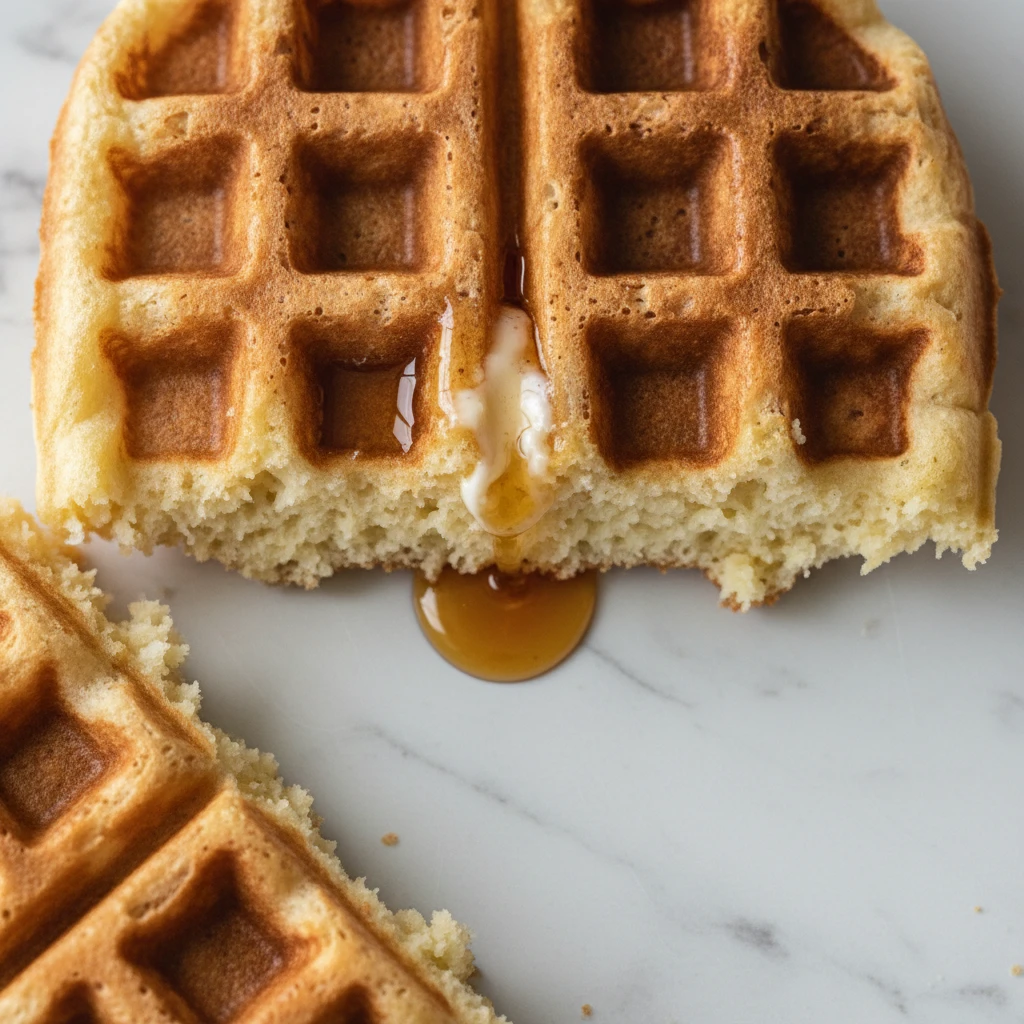
Naturally Tender Crumb: The moisture from cottage cheese creates an incredibly soft, almost custardy interior that contrasts beautifully with the crispy exterior. Unlike dense waffle recipes, these have an elegant, delicate texture that melts on your tongue.
Subtle, Sophisticated Flavor: Cottage cheese adds a faint tang and richness that elevates plain waffles beyond ordinary breakfast fare. The addition of cinnamon and vanilla creates warm, inviting notes without being overpowering.
Versatile and Forgiving: The batter is remarkably stable and easy to work with. It doesn’t require precise whisking of egg whites or complicated folding techniques, making it perfect for beginner cooks and busy mornings.
Great for Meal Prep: Cooked waffles freeze beautifully for up to three months, allowing you to reheat them instantly on busy weekdays. They taste almost as fresh as the day you made them.
Naturally Nutritious: Without added oil or excessive sugar, these waffles offer a better macronutrient balance than traditional waffle recipes, providing protein, calcium, and essential amino acids from the cottage cheese base.
 Save
SaveIngredients Notes
- Cottage cheese — Use full-fat or 2% for the richest flavor and texture. Small-curd varieties blend more smoothly than large-curd. Avoid non-fat cottage cheese, as it can make waffles rubbery.
- Large eggs — Room temperature eggs blend more smoothly and incorporate better into the batter, creating a lighter waffle.
- All-purpose flour — Provides structure without making waffles dense. Don’t overmix the batter or substitute with higher-protein flours.
- Granulated sugar — Sweetens the batter and helps create the crispy exterior. For less sugar, reduce to 3 tablespoons, though this affects browning.
- Vanilla extract — Adds warmth and depth. Use pure vanilla for best results; avoid imitation if possible.
- Baking powder — The only leavening agent needed. Check the expiration date to ensure waffles rise properly.
- Salt — Enhances all flavors and balances sweetness. Don’t skip this ingredient.
- Ground cinnamon — Complements cottage cheese beautifully. Use fresh cinnamon for maximum flavor impact.
- Unsalted butter — Adds richness and helps create a tender crumb. Melted butter distributes more evenly than cold butter.
- Whole milk — Thinns the batter to the correct consistency. Use 2% if whole milk is unavailable, though texture may be slightly less rich.
- Butter or cooking spray — Prevents sticking in the waffle iron and ensures even browning. Use clarified butter or a high-heat spray.
How to Make Cottage Cheese Waffles
- Preheat your waffle iron to medium-high heat and lightly butter or spray the plates.
- In a blender or food processor, combine cottage cheese, eggs, vanilla extract, melted butter, and milk. Blend until completely smooth, about 1 minute.
- In a separate bowl, whisk together flour, sugar, baking powder, salt, and cinnamon.
- Pour the wet ingredients into the dry ingredients and fold gently until just combined. Do not overmix; a few small lumps are fine.
- Pour about 3/4 cup batter into the center of the waffle iron and close the lid.
- Cook for 4–5 minutes until the waffle is golden brown and stops steaming, then carefully remove with a fork or spatula.
- Place cooked waffles on a cooling rack (not a plate) to keep them crispy while you finish the remaining batter.
- Serve warm with your choice of toppings.
What You Must Know About Cottage Cheese Waffles
Blending is Essential: The cottage cheese must be completely smooth before folding into dry ingredients. Any remaining curds will create lumpy, unpleasant texture in the finished waffle. Use a blender or food processor, not a fork or whisk.
Don’t Overmix: Unlike pancakes, waffle batter should remain slightly lumpy. Overmixing develops gluten, which makes waffles tough and dense instead of light and tender. Stop folding as soon as you don’t see white flour streaks.
Waffle Iron Temperature Matters: Medium-high to high heat is crucial for creating the crispy exterior while keeping the inside tender. A cool iron produces soggy, pale waffles. Allow 5–7 minutes for preheating.
Timing the Doneness: Cottage cheese waffles take longer to cook than traditional waffles (4–5 minutes vs. 3–4 minutes) due to their moisture content. Wait until steaming stops completely; a wet waffle interior indicates insufficient cooking time.
Use Fresh Baking Powder: Old or expired baking powder won’t provide adequate rise. If your waffles are dense, check the expiration date on your baking powder — it loses potency within 6 months of opening.
Room-Temperature Eggs Help: Eggs that are too cold won’t blend smoothly and may separate from the batter. Remove them from the refrigerator 15 minutes before blending, or place them in warm water for 5 minutes.
Cooling Racks Are Important: Never stack cooked waffles on a plate. The steam trapped between layers will soften the crispy exterior. Use a cooling rack to maintain crispiness while you cook the remaining batter.
Helpful Tip — Freeze for Easy Weekday Breakfasts: Cooked, cooled waffles freeze beautifully for up to three months when placed in a single layer on a baking sheet, then transferred to a freezer bag. Reheat in a toaster or 350°F oven for 5–7 minutes, and they taste nearly as fresh as the day you made them.
Helpful Tip — Make Batter the Night Before: While the mixed batter shouldn’t sit long, you can prepare all dry ingredients in an airtight container and the wet ingredients (blended cottage cheese mixture) in a separate container up to 12 hours ahead. Simply fold together in the morning for a faster breakfast.
Variations and Substitutions
Ricotta Waffles: Substitute ricotta cheese for cottage cheese in a 1:1 ratio. Ricotta creates an even more delicate, custard-like interior, though ricotta is slightly less tangy. You may need to reduce milk by 2 tablespoons since ricotta is slightly drier.
Savory Herb Cottage Cheese Waffles: Omit cinnamon and sugar, reduce sugar to 1 tablespoon, and add 1 teaspoon dried Italian herbs, 1/2 teaspoon garlic powder, and a pinch of black pepper. Serve with smoked salmon, crème fraîche, and chives for a sophisticated brunch dish.
Berry-Swirl Version: Fold 1/2 cup fresh or frozen berries (blueberries work best) gently into the batter just before cooking. Add 1 extra tablespoon flour to compensate for berry moisture. Avoid overmixing berries or they’ll break apart.
Lemon-Glazed Waffles: Add 1 tablespoon fresh lemon zest and 1/2 teaspoon lemon extract to the blended cottage cheese mixture, and omit cinnamon. Serve with a simple lemon glaze made from 1 cup powdered sugar mixed with 2–3 tablespoons fresh lemon juice.
Honey-Vanilla Waffles: Replace granulated sugar with 3 tablespoons honey, adding it to the wet ingredients before blending. The honey creates a slightly softer, moister waffle with subtle floral notes.
Greek Yogurt Blend: Replace 1/4 cup cottage cheese with 1/4 cup plain Greek yogurt for increased tanginess and protein. The yogurt adds a pleasant tartness that complements maple syrup beautifully.
Almond Flour Addition: Replace 2 tablespoons all-purpose flour with almond flour for a nuttier flavor and added protein. This works especially well with the berry variation.
Gluten-Free Option: Substitute 1:1 gluten-free all-purpose flour for regular flour. Blend until completely smooth, and use a bit of xanthan gum (1/4 teaspoon) if your blend doesn’t contain it. Texture will be slightly softer but still delicious.
Dairy-Free Alternative: Use 1/2 cup silken tofu blended with 1/4 cup cashew milk instead of cottage cheese. Add 1 extra tablespoon honey for sweetness, as dairy-free versions lack the natural tang. The result is lower in protein but still surprisingly good.
Serving Suggestions for Cottage Cheese Waffles
Classic Sweet Pairing: Serve warm waffles with pure maple syrup, a pat of melting butter, and a dusting of powdered sugar. The richness of the waffles pairs beautifully with true maple syrup’s complex, slightly earthy notes.
Fresh Fruit & Yogurt Bowl: Top waffles with creamy Greek yogurt, fresh berries (raspberries, blueberries, or strawberries), a drizzle of honey, and a sprinkle of granola. The tartness of yogurt balances the waffles’ subtle sweetness.
Decadent Cream Topping: Layer waffles with whipped cream, fresh sliced peaches or nectarines, and a drizzle of caramel sauce. Garnish with a single fresh mint leaf for elegance.
Nutella & Berries: Spread warm waffles with Nutella and top with fresh strawberries and sliced almonds. A light dusting of cocoa powder adds visual appeal.
Cinnamon Compote: Make a quick compote by simmering 2 cups fresh or frozen berries with 2 tablespoons sugar and 1/4 teaspoon cinnamon for 8 minutes. Spoon over waffles and add a dollop of mascarpone cream.
Savory Breakfast Plate: Serve with smoked salmon, scrambled eggs, fresh dill, and a small bowl of crème fraîche on the side. This transforms waffles into an elegant brunch entrée.
Bananas Foster Style: Caramelize sliced bananas in a skillet with 2 tablespoons butter and 2 tablespoons brown sugar for 3 minutes. Spoon over warm waffles and drizzle with a touch of rum or vanilla syrup.
Breakfast Sandwich: Cut a cooked waffle in half and use it as a base for a savory breakfast sandwich with crispy bacon, scrambled eggs, and melted cheese.
Plating Tip: Serve waffles slightly tilted on a warm plate to showcase their crispy, golden-brown exterior. Place toppings asymmetrically for a restaurant-quality presentation.
 Save
SaveStorage and Reheating
Room Temperature Storage (Short-Term): Freshly cooked waffles taste best served immediately, but can be kept in an airtight container at room temperature for up to 4 hours. They will lose crispiness but remain edible.
Refrigerator Storage: Layer cooled waffles between parchment paper in an airtight container and refrigerate for up to 4 days. The cottage cheese base keeps them fresher longer than traditional waffles.
Freezer Storage: This is the best long-term option. Lay cooked, completely cooled waffles in a single layer on a baking sheet and freeze for 2 hours until solid. Transfer to a freezer bag, removing as much air as possible, and freeze for up to 3 months. Label with the date.
Reheating from Refrigerator: Place a refrigerated waffle in a toaster set to medium or medium-high and toast for 45–60 seconds until warmed through and crispy again. Alternatively, reheat in a 350°F oven for 5 minutes on a baking sheet.
Reheating from Frozen: Remove waffle from the freezer and place directly in a toaster set to the highest setting, or use the “frozen” button if available. Toast for 70–90 seconds until heated through and crispy. Alternatively, place on a baking sheet in a 350°F oven for 7–10 minutes until warmed through and crispy.
Oven Reheating Method (Batch): Preheat oven to 350°F. Arrange refrigerated or frozen waffles on a baking sheet in a single layer (don’t stack) and bake for 5–7 minutes until heated through and the exterior is crispy again.
Microwave Not Recommended: While microwaving is possible, it produces soggy waffles. Use a toaster or oven for best results.
Before Freezing Note: Allow waffles to cool completely to room temperature on a cooling rack before freezing. Warm waffles will create condensation that leads to icing buildup in the freezer.
Frequently Asked Questions about Cottage Cheese Waffles
Can I use low-fat or non-fat cottage cheese for these waffles?
While technically possible, low-fat and non-fat cottage cheese will produce denser, less tender waffles that can sometimes taste rubbery. Full-fat or 2% cottage cheese delivers the best texture and rich flavor. The fat content helps create the signature tender crumb these waffles are known for.
What’s the difference between small-curd and large-curd cottage cheese?
Small-curd cottage cheese blends more smoothly into a uniform batter, creating better texture in the finished waffle. Large-curd cottage cheese may leave small lumps visible even after blending. For the smoothest results, choose small-curd varieties, though either will work if fully blended.
Can I make the batter ahead of time?
The mixed batter shouldn’t sit for more than 15–20 minutes, as baking powder will begin activating and the leavening effect will diminish. However, you can prepare dry ingredients in one container and the blended wet mixture in another container up to 12 hours ahead. Simply fold together just before cooking for fastest results.
Why are my waffles soggy inside despite cooking them long enough?
Soggy waffles usually result from insufficient waffle iron preheating. Allow the iron 5–7 minutes to reach full heat before adding batter. Additionally, avoid stacking cooked waffles on a plate; use a cooling rack instead. If already cooked, reheat in a toaster to restore crispiness. Overmixing the batter can also cause excess moisture to remain trapped inside.
Can I substitute Greek yogurt for cottage cheese?
Yes, you can use 1 cup plain Greek yogurt instead of cottage cheese, though the flavor will be tangier and the protein content remains high. You may need to reduce milk by 2–3 tablespoons since Greek yogurt is thicker. The waffles will be slightly denser but still delicious.
How do I prevent the waffles from sticking to my waffle iron?
Use a high-heat cooking spray or clarified butter (regular butter can burn at waffle iron temperatures) on both the top and bottom plates before adding each batch of batter. Apply the spray or butter in light, even coverage — excessive amounts can create pools of fat. Ensure your waffle iron is at medium-high or high heat; cooler irons are more prone to sticking.
Do these waffles work well for freezing and reheating?
Yes, these waffles freeze exceptionally well for up to three months. The cottage cheese helps them retain moisture, so they taste nearly as fresh as the day you made them after reheating. Cool completely before freezing in a single layer on a baking sheet, then transfer to a freezer bag. Reheat in a toaster or 350°F oven until warm and crispy.
What’s the best waffle iron to use for cottage cheese waffles?
Any standard waffle iron works well, but Belgian waffle makers create deeper pockets that showcase the tender interior. Non-stick irons require less butter or cooking spray than traditional irons. A medium-sized iron (most common) cooks these waffles perfectly in 4–5 minutes at medium-high heat.
Nutrition Facts (Per Serving)
| Nutrient | Per Serving |
|---|---|
| Calories | 185 |
| Protein | 9 g |
| Carbohydrates | 18 g |
| Dietary Fiber | 0.3 g |
| Sugars | 8 g |
| Total Fat | 7 g |
| Saturated Fat | 3.5 g |
| Cholesterol | 62 mg |
| Sodium | 210 mg |
| Calcium | 95 mg |
| Iron | 1.2 mg |
Nutritional information is estimated based on standard USDA ingredient data. Values may vary depending on specific brands and preparation methods. This recipe yields 4 waffles per batch. One serving = 1 waffle.

Cottage Cheese Waffles
Ingredients
- 1 cup cottage cheese
- 3 large eggs
- 1/2 cup all-purpose flour
- 1/4 cup granulated sugar
- 1 teaspoon vanilla extract
- 1/2 teaspoon baking powder
- 1/4 teaspoon salt
- 1/4 teaspoon ground cinnamon
- 2 tablespoons unsalted butter melted
- 1/4 cup whole milk
- Butter or cooking spray for the waffle iron
Instructions
- Preheat your waffle iron to medium-high heat for 3–5 minutes. You'll know it's ready when a few drops of water sizzle immediately upon contact. Lightly butter or spray both plates with a high-heat cooking spray to prevent sticking.
- In a blender or food processor, add 1 cup cottage cheese, 3 large room-temperature eggs, 1/2 cup whole milk, 2 tablespoons melted unsalted butter, and 1 teaspoon vanilla extract. Blend on high speed for 60–90 seconds, scraping down the sides once halfway through, until the mixture is completely smooth with no visible cottage cheese curds. The batter should look like slightly thick pancake batter.
- Checkpoint: You are ready to move on when the cottage cheese batter looks uniform and pours smoothly from a spoon without visible lumps.
- In a medium mixing bowl, whisk together 1/2 cup all-purpose flour, 1/4 cup granulated sugar, 1/2 teaspoon baking powder, 1/4 teaspoon salt, and 1/4 teaspoon ground cinnamon. Whisk for 15–20 seconds to combine thoroughly and aerate the flour slightly.
- Pour the blended cottage cheese mixture into the dry ingredients and gently fold together using a rubber spatula, making 8–10 slow folding motions. Stop as soon as you don't see white flour streaks. The batter should look slightly lumpy with some flour-white areas visible — this is correct. Do not overmix or the waffles will be tough.
- Checkpoint: You are ready to move on when dry ingredients are mostly incorporated but small flour lumps remain visible. The batter should pour easily but not be smooth or completely homogeneous.
- Open the hot waffle iron carefully. Pour approximately 3/4 cup batter (about the size of an ice cream scoop or a golf ball) into the center of the lower plate. Close the lid gently and do not open it to peek.
- Cook for 4–5 minutes until the steaming from the edges has stopped completely and the waffle is deep golden brown on the outside. The steam will slow significantly around the 3-minute mark. If you open too early, the waffle will be soggy inside.
- Checkpoint: You are ready to remove the waffle when no steam emerges from the edges for 10 seconds and the exterior is golden to deep golden brown (not pale yellow).
- Using a heat-resistant fork or wooden spatula (not metal, which can scrape the waffle iron), gently pry the waffle from the iron, starting at one corner and working around the edges. Slide it onto a cooling rack — never stack it on a plate, as trapped steam will make it soggy.
- Immediately return to step 7 and repeat with remaining batter. Work quickly while the iron stays hot. The batter will sit for 5–10 minutes without issue, but do not refrigerate the mixed batter.
- If waffles cool slightly while you finish the batch, warm them in a 200°F oven for 5 minutes before serving, or pop them in a toaster at medium setting for 30–45 seconds.
- Serve warm waffles immediately with your desired toppings: fresh berries, Greek yogurt, maple syrup, whipped cream, sliced fruit, honey, or nut butter.