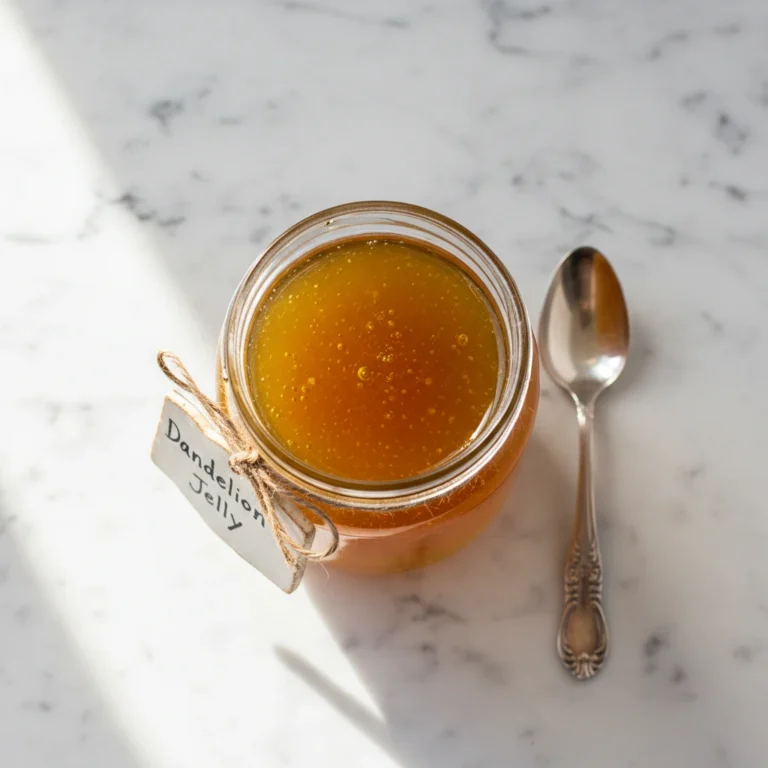
Dandelion jelly is a delicate, golden-hued preserve that transforms humble wildflower petals into a sophisticated spread. With its subtle floral sweetness and light honey-like flavor, this traditional jelly captures the essence of spring meadows. Perfect on warm toast, in pastries, or as a unique gift, homemade dandelion jelly brings a touch of foraging magic to your kitchen while being surprisingly simple to make.
Reasons to Try Dandelion Jelly
Unique Floral Flavor: Dandelion jelly offers a delicate, slightly sweet taste that’s distinctly different from common fruit jams. It has hints of honey and wildflower with no bitterness when made correctly, creating an elegant jelly perfect for special occasions.
Foraged Goodness: Making jelly from foraged dandelions connects you to traditional preserving methods and sustainable living. This recipe honors generations of foragers who knew the culinary value of wild plants.
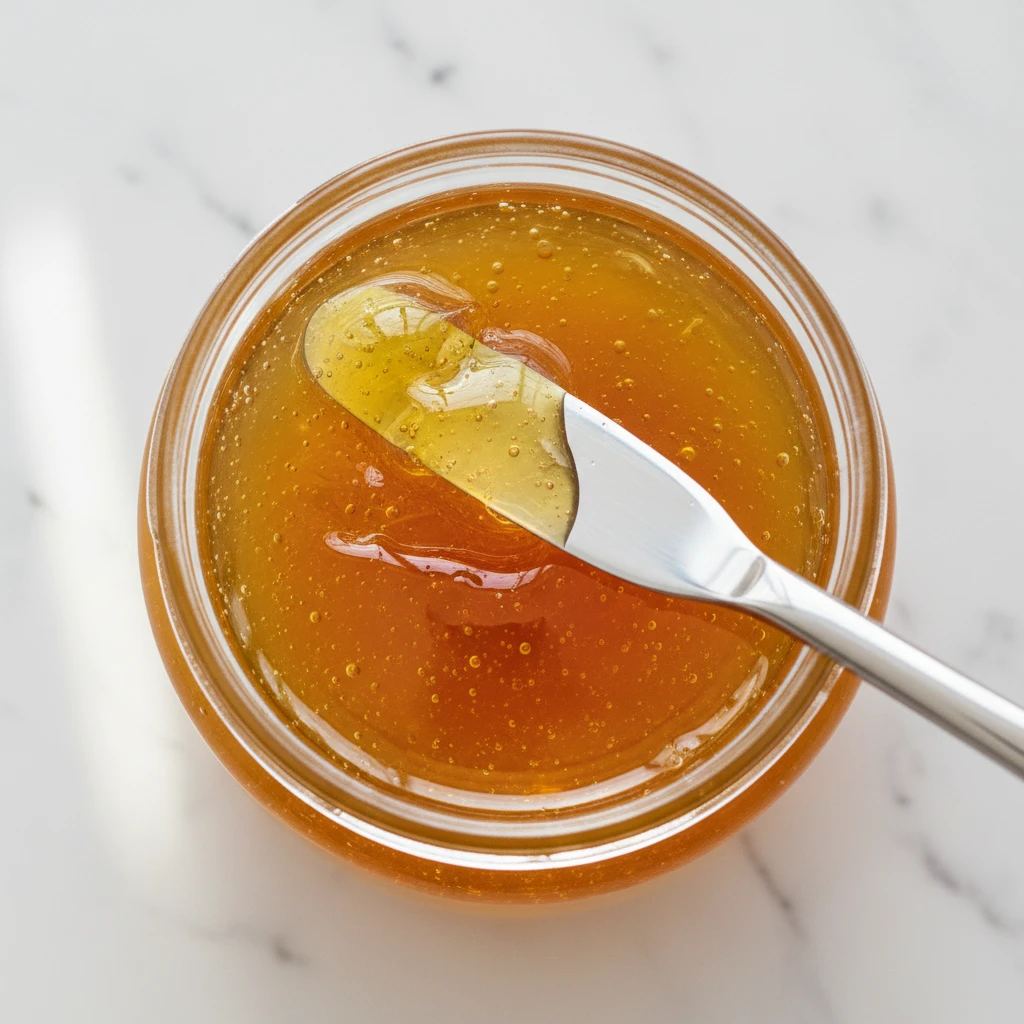
Stunning Golden Color: The jewel-like amber tone of dandelion jelly is visually striking in a jar. It catches the light beautifully and makes an impressive presentation on the breakfast table or as a homemade gift.
Versatile Uses: Beyond toast, dandelion jelly works beautifully as a glaze for roasted meats, a filling for thumbprint cookies, a topping for vanilla ice cream, or swirled into yogurt for a gourmet breakfast.
Low-Yield Patience Rewarded: The process teaches patience and precision in small-batch preserving. The generous effort results in just a few precious jars that feel utterly luxurious to use.
 Save
SaveIngredients Notes
- Fresh dandelion flowers – Use only bright yellow petals from pesticide-free areas, harvested in late morning after dew dries
- Water – Filtered or spring water works best for clearer jelly
- Fresh lemon juice – Provides pectin and brightens the floral notes; never use bottled
- Powdered pectin – Essential for proper gel set; liquid pectin requires different ratios
- Granulated sugar – White cane sugar creates the clearest jelly; do not substitute brown sugar
- Butter – Reduces foam during cooking; salted or unsalted both work
- Salt – A tiny pinch balances sweetness and enhances the floral flavor
How to Make Dandelion Jelly
- Harvest 4 cups of dandelion flower petals from clean, pesticide-free areas. Rinse gently and remove all green sepals.
- Bring water to a boil in a large pot, add dandelion petals, and simmer for 15 minutes to infuse.
- Strain the infusion through cheesecloth into a bowl, pressing gently to extract all liquid. Discard petals.
- Measure exactly 3 cups of the strained liquid and pour into your jelly pot.
- Stir in lemon juice, butter, salt, and powdered pectin until fully dissolved.
- Bring the mixture to a rolling boil over high heat, stirring constantly.
- Add all sugar at once and return to a full rolling boil for exactly 1 minute while stirring.
- Remove from heat, skim off any foam, and immediately ladle into sterilized jars.
- Wipe rims clean, seal with hot lids, and process in a boiling water bath for 5 minutes.
- Remove jars and allow to cool completely on a clean towel until the gel sets, about 12 hours.
What You Must Know About Dandelion Jelly
Harvesting is Critical: Only use dandelion flowers from areas you are 100% certain have never been treated with pesticides, herbicides, or chemicals. Avoid roadside plants. Pick flowers on a dry, sunny day after the dew has evaporated. Early spring flowers (March–April in most regions) tend to be sweeter than summer flowers.
Remove All Green Parts: The green sepals (the leafy parts under the petals) contain bitter compounds. Spend time carefully removing every trace of green—this is what separates delicious jelly from bitter jelly. Do not rush this step.
Exact Measurements Matter: Jelly-making is chemistry. Use exactly 3 cups of strained infusion, exactly 4 cups sugar, and exactly 1 package powdered pectin. Do not estimate or substitute quantities.
One Full Minute at Rolling Boil: Set a timer. Boiling for exactly 1 minute at a rolling boil after adding sugar is what activates the pectin and sets the gel. Too short and it won’t set; too long and it becomes rubbery.
Do Not Skip the Water Bath Process: While some people make “freezer jelly” without processing, a proper water bath ensures a shelf-stable product that’s safe and will last up to 1 year unopened. This 5-minute step is worth the effort.
Be Patient During Cooling: The jelly will not set immediately. Leave jars untouched for a full 12 hours. Resist the urge to tilt or move them—jelly needs uninterrupted time to gel properly.
Helpful Tips
Use a Candy Thermometer: If you have one, clip a candy thermometer to the inside of your pot during the final boil. The gel point is 220°F (104°C) at sea level. This removes guesswork and gives you confidence in the set.
Double-Check Your Pectin Type: Powdered pectin and liquid pectin have different ratios. This recipe is written for powdered pectin only. Liquid pectin requires less sugar and different timing.
Make a Test Batch First: If you’re new to jelly-making, start with 1 or 2 jars to gain confidence. The full recipe makes about 4 to 5 jars of 8-ounce size.
Save Your Spent Petals: After straining, don’t discard the cooked flower petals. Blend them with honey to make a floral face mask, or dry them for herbal tea.
Variety Check: Confirm you’re harvesting actual dandelions (Taraxacum officinale), not similar-looking weeds. True dandelions have a single hollow stem and no branches, with flowers that are perfectly round and bright yellow.
Variations and Substitutions
Dandelion-Rose Jelly: Add 1/4 cup of dried culinary rose petals to the dandelion infusion. The rose petals add floral complexity and a romantic pink hue. Follow the same instructions.
Honey-Sweetened Dandelion Jelly: Replace 1 cup of granulated sugar with 1 cup of raw or pasteurized honey. This creates a more liquid consistency and richer, deeper flavor. You may need an extra 1/2 teaspoon of powdered pectin to achieve a proper set.
Citrus-Enhanced Version: Use 1 tablespoon fresh lemon juice and 1 tablespoon fresh orange juice instead of 2 tablespoons lemon juice alone. This adds brightness and complexity.
Vanilla Dandelion Jelly: Add 1/2 teaspoon vanilla extract after removing the pot from heat and before jarring. This adds subtle sweetness and warmth.
No-Pectin Version (Traditional): Some foragers prefer making dandelion jelly the old-fashioned way without commercial pectin. This requires longer cooking to reach gel point naturally (about 30–45 minutes of gentle boiling) and results in a softer set. The flavor is slightly more concentrated but the process is less precise and requires experience.
Dandelion Wine Jelly: Replace 1 cup of water with 1 cup of dry white wine for an adult-oriented preserve with subtle depth and complexity.
Serving Suggestions for Dandelion Jelly
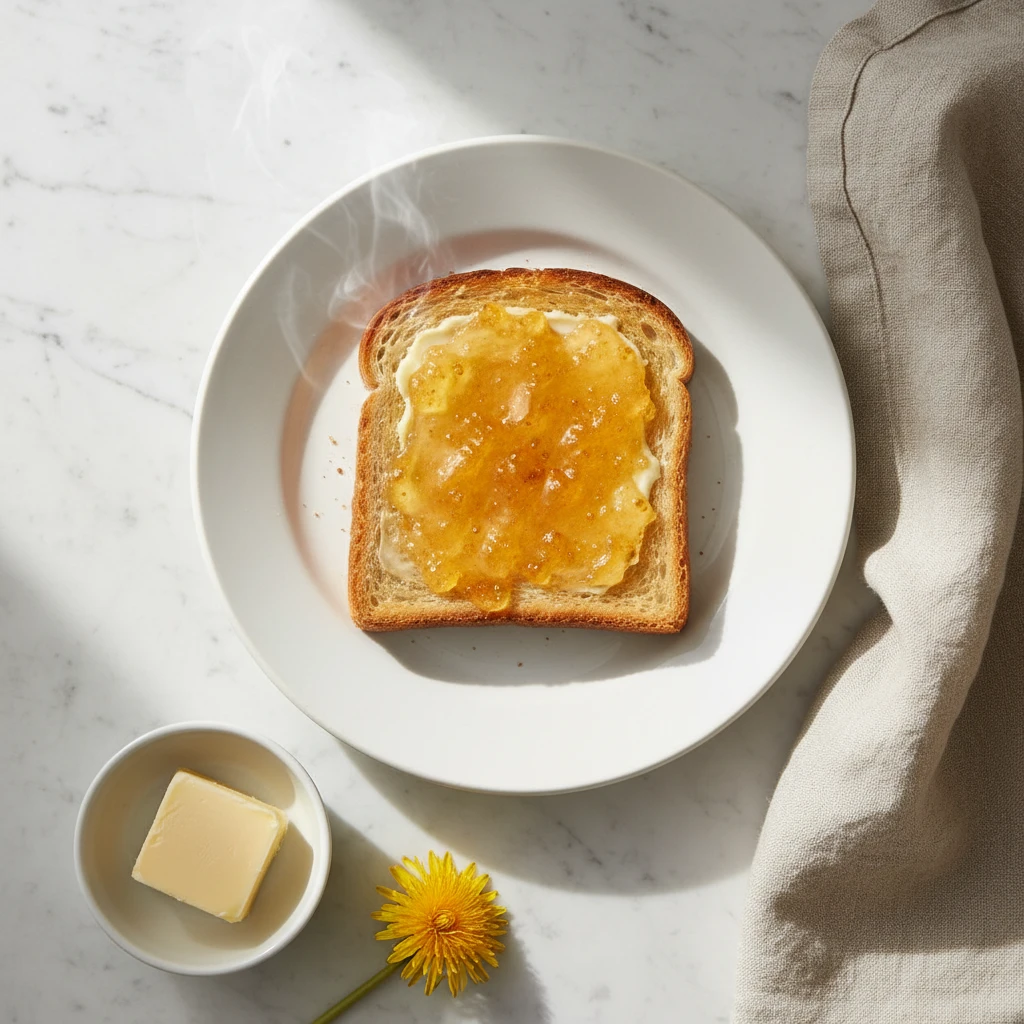
Classic Toast and Tea: Spread dandelion jelly on warm buttered toast or English muffins and serve alongside a hot cup of chamomile or herbal tea. The simple presentation lets the floral flavor shine.
Gourmet Cheese Course: Pair 1 tablespoon of dandelion jelly with aged cheddar or sharp goat cheese on a charcuterie board. The sweet-floral notes complement savory cheeses beautifully and impress guests.
Pastry and Dessert Filling: Use dandelion jelly as a filling for thumbprint cookies, pastry tarts, or Danish pastries. It works especially well in puff pastry appetizers topped with herb-seasoned brie.
Ice Cream Topping: Spoon chilled dandelion jelly over vanilla ice cream or Greek yogurt. The golden color is visually striking, and the jelly creates a luxurious, elegant dessert.
Meat Glaze: Warm dandelion jelly gently and brush over roasted duck, pork, or ham during the last 10 minutes of cooking. The floral sweetness complements rich meats and creates a glossy, sophisticated finish.
Cocktail Mixer: Stir 1 tablespoon of dandelion jelly into sparkling wine, prosecco, or gin cocktails for a delicate floral note and natural sweetness without refined sugar.
Breakfast Plate Garnish: Place a small quenelle (oval spoonful) of dandelion jelly alongside a sunny-side-up egg, smoked salmon, and herb-dressed greens for a restaurant-quality breakfast presentation.
Gift Presentation: Jar your dandelion jelly in 4-ounce decorative jars with fabric-tied lids and hand-written labels. Include a note suggesting serving ideas. This makes a memorable, unique gift that shows thought and effort.
 Save
SaveStorage and Reheating
Unopened Jars: Store unopened jars of properly processed dandelion jelly in a cool, dark place such as a pantry, cupboard, or cellar. Avoid direct sunlight, which can fade the color. Properly sealed jars will keep for up to 1 year. Check the lid occasionally to ensure it remains concave (indented).
Opened Jars: Once opened, cover with the original lid or transfer to an airtight container. Refrigerate immediately and use within 3 weeks. Dandelion jelly does not freeze well due to its gel structure, so refrigeration is preferred for opened jars.
Signs of Spoilage: Discard any jelly that shows mold, fermentation bubbles, an off smell, or a bulging lid. A concave lid that suddenly becomes flat or convex indicates seal failure and possible contamination.
No Reheating Required: Dandelion jelly is served cold or at room temperature and does not require reheating. If the jelly becomes too stiff in a cold kitchen, let the jar sit at room temperature for 30 minutes before serving. If you prefer it softer, stir in 1 teaspoon of water to reach desired consistency.
Pantry Organization: Label each jar with the date made and “Dandelion Jelly” for easy identification. Group by date so older jars are used first within the 1-year window.
Frequently Asked Questions about Dandelion Jelly
Can I use dandelion flowers from my yard?
Yes, but only if you’re absolutely certain your yard has never been treated with pesticides, herbicides, weed killer, or chemical fertilizers. Dandelions are heavy accumulators and will absorb toxins from soil and sprays. If there’s any doubt, harvest from a wild area far from roads, industrial sites, and agricultural land.
What’s the best time of year to harvest dandelions for jelly?
Early spring (March through May in most regions) is ideal. Spring dandelions are younger, sweeter, and less bitter than summer flowers. Harvest on a dry, sunny day after morning dew has evaporated but before intense afternoon heat. Avoid rainy days when flowers are closed.
Why is my dandelion jelly bitter?
Bitterness usually comes from three sources: (1) You didn’t fully remove the green sepals under the petals; (2) You harvested late-season flowers, which are naturally more bitter; or (3) You boiled the petals too long during infusion. Next time, carefully remove all green parts, pick early spring flowers, and simmer for exactly 15 minutes.
Can I make dandelion jelly without pectin?
Yes, but it requires more time and experience. Traditional recipes boil the infusion gently for 45 minutes to 1 hour until reaching gel point (220°F on a candy thermometer). The set will be softer than pectin-based jelly. This method is less reliable for beginners, so powdered pectin is recommended for your first batch.
My jelly didn’t set. Can I fix it?
Yes. Pour the soft jelly back into your pot, add 2 tablespoons fresh lemon juice and 2 teaspoons powdered pectin mixed together, bring to a rolling boil for exactly 1 minute, and immediately re-jar into sterilized jars. Process again in a water bath for 5 minutes. This recooking works best if done within 2–3 days of the original batch.
How much jelly does this recipe make?
This recipe makes approximately 4 to 5 jars of 8-ounce (half-pint) size, depending on how much the mixture reduces during cooking. The yield can vary slightly based on evaporation rates and your stove type.
Can I use liquid pectin instead of powdered?
Liquid and powdered pectin have different concentrations and require different ingredient ratios. This recipe is formulated specifically for powdered pectin. If you use liquid pectin, you must consult the manufacturer’s package directions for the correct adjustments to sugar and cooking time, as the recipe will not work as written.
Is dandelion jelly safe for pregnant women or young children?
Dandelion jelly made from clean, pesticide-free flowers is generally safe. However, pregnant women should consume in moderation and check with their healthcare provider first. Young children can enjoy it safely. If anyone in your household has a dandelion allergy (related to ragweed allergies), avoid serving this product.
Dandelion Jelly
Ingredients
- 4 cups fresh dandelion flowers petals only
- 4 cups water
- 2 tablespoons fresh lemon juice
- 1 package powdered pectin
- 4 cups granulated sugar
- 1/4 teaspoon butter
- Pinch of salt
Instructions
- Harvest and Prep (15 minutes): On a dry, sunny day, pick fresh dandelion flowers from pesticide-free areas. Gently rinse the flowers and carefully remove all green sepals with your fingers or a small knife. You need only the bright yellow petals. Checkpoint: You have 4 cups loosely packed clean petals with no green parts.
- Sterilize Your Equipment (10 minutes): Wash four 8-ounce jars, lids, and bands in hot soapy water. Place jars in a boiling water bath canner filled with hot water and bring to a boil. Let jars sit in hot water until ready to fill. Checkpoint: Your jars are hot and ready to fill without breaking.
- Infuse the Petals (20 minutes): Pour 4 cups of water into a large stainless steel or enamel pot (not aluminum). Bring water to a rolling boil over medium-high heat—you should see large, vigorous bubbles breaking the surface. Add all dandelion petals at once and stir gently. Reduce heat to medium and let simmer for exactly 15 minutes, stirring occasionally. The liquid will turn golden yellow. Checkpoint: The infusion is a clear, pale gold color and smells pleasantly floral with no raw vegetable smell.
- Strain the Infusion (10 minutes): Line a fine-mesh strainer with 2 layers of cheesecloth and place over a large bowl. Carefully pour the hot infusion through the cheesecloth. Let it drain naturally without squeezing—this keeps your jelly clear. Discard the spent petals. Checkpoint: You have approximately 3 to 3.5 cups of clear, golden liquid with no flower particles visible.
- Measure and Combine Ingredients (5 minutes): Measure exactly 3 cups of the dandelion infusion and pour it into a large stainless steel jelly pot or heavy-bottomed pot. If you have more than 3.5 cups, discard the extra. Add 2 tablespoons fresh lemon juice, 1/4 teaspoon butter, a tiny pinch of salt, and 1 package (1.75 ounces) powdered pectin. Stir constantly with a wooden spoon or silicone spatula for 2 to 3 minutes until the pectin is completely dissolved and you see no white specks. Checkpoint: The mixture is uniform in color with no visible pectin particles; it should look smooth and slightly thickened.
- Bring to a Rolling Boil (3–5 minutes): Increase heat to high and bring the mixture to a full rolling boil—this means large bubbles that don't stop when you stir. Stir frequently to prevent sticking. This should take 3 to 5 minutes depending on your stove. Checkpoint: Large bubbles are rolling vigorously and don't subside when you stir.
- Add Sugar and Boil (1 minute): All at once, pour in 4 cups granulated sugar and stir constantly. Return the mixture to a full rolling boil within 1 to 2 minutes. Once boiling hard, set a timer for exactly 1 minute and maintain a vigorous, rolling boil the entire time. Stir regularly to prevent sticking. Checkpoint: After exactly 1 minute, the mixture reaches the gel point (test with a candy thermometer if desired—aim for 220°F or 104°C at sea level).
- Remove from Heat and Skim Foam (2 minutes): Immediately remove the pot from heat. Using a clean spoon, skim off any white or tan foam that has risen to the surface. This foam is harmless but affects the appearance of your jelly. Checkpoint: The surface is mostly clear with no large foam layer.
- Fill Jars (5 minutes): Use a ladle and a jar funnel to carefully fill each hot sterilized jar with the jelly, leaving exactly 1/4 inch headspace from the rim. Wipe the rim of each jar with a clean, damp cloth to remove any jelly drips. Checkpoint: Each jar is filled to exactly 1/4 inch from the top with no jelly on the rim or threads.
- Seal Jars (2 minutes): Center a hot canning lid on each jar and screw on the band finger-tight (turn until you feel resistance, then stop—do not overtighten). Place sealed jars back into the hot water bath. Checkpoint: Each jar is sealed snugly but not over-tightened.
- Process in Water Bath (7 minutes): Ensure the water in your canning pot covers the jar tops by 1 to 2 inches. Bring water to a rolling boil and process (boil) for exactly 5 minutes. Start timing only after the water reaches a full boil. Checkpoint: Timer has reached 5 minutes and water is still at a rolling boil.
- Cool and Rest (12–24 hours): Carefully remove jars using a jar lifter and place them upright on a clean kitchen towel or cooling rack. Space them so they don't touch. Leave them completely undisturbed for 12 to 24 hours at room temperature. You may hear the lids "pop" as they seal—this is normal and desired. Do not touch, move, or tilt the jars during this time. Checkpoint: After 12 hours, lids are concave (slightly dented inward) and jelly has set to a soft gel that barely jiggles when gently tilted.
- Test Set (1 minute): After 12 hours, remove a jar and test the set. Tilt the jar—the jelly should move slowly as one mass, not run like liquid. If it's too soft, you can recook it. If it's perfect, proceed to storage. Checkpoint: Jelly jiggles slightly but holds its shape; it doesn't run freely when the jar tilts.
- Store (ongoing): Remove bands and wipe jars clean. Label with the date and contents. Store in a cool, dark place (a pantry or cupboard) for up to 1 year. Once opened, refrigerate and use within 3 weeks.