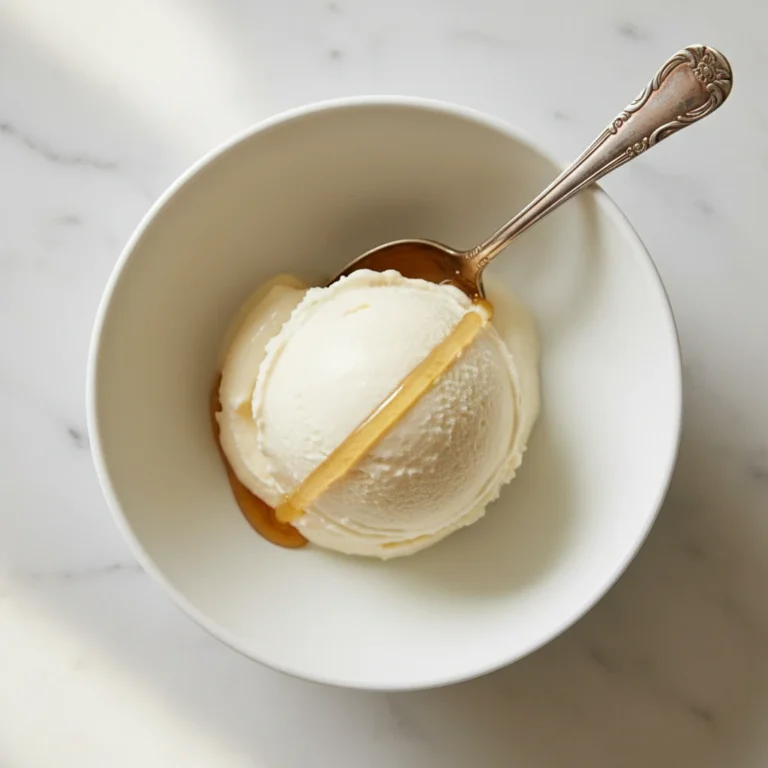
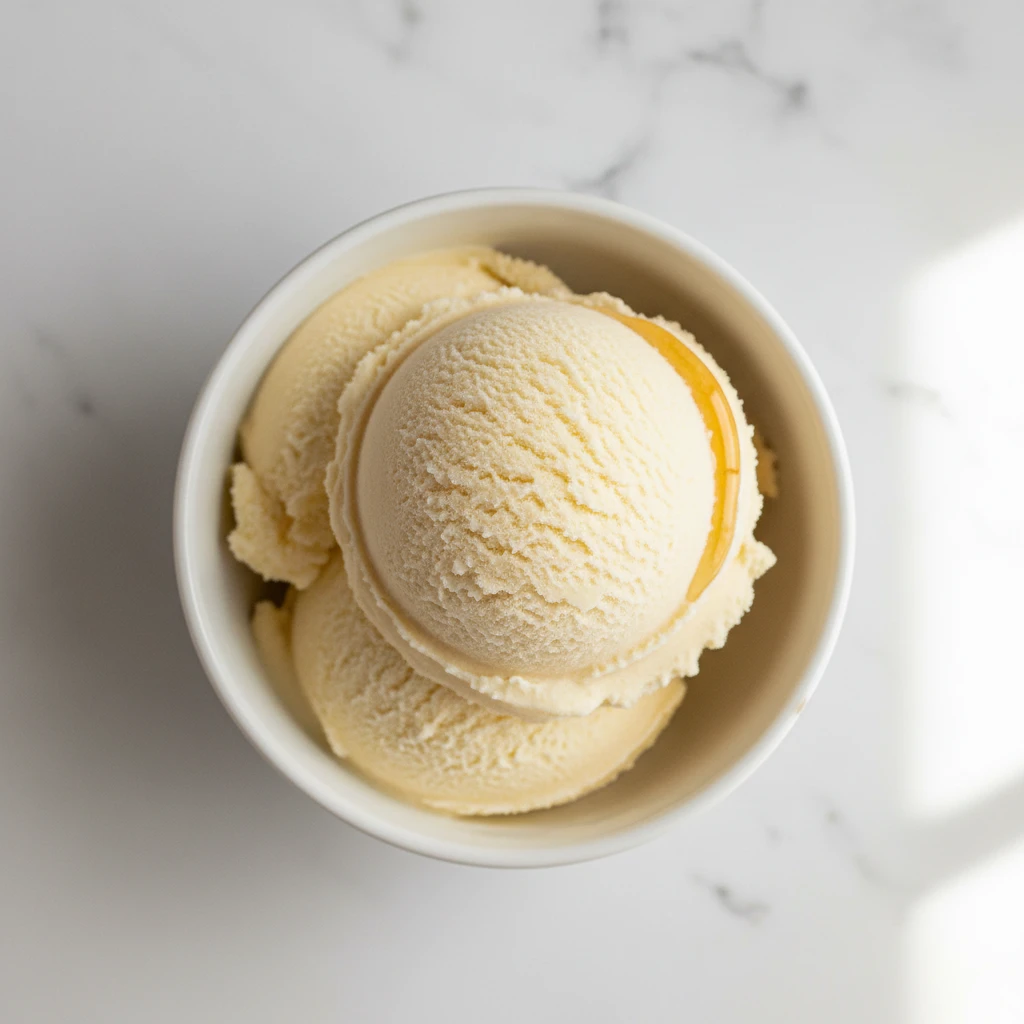
Frozen yogurt is a delightful, creamy frozen dessert that combines the tangy richness of yogurt with the indulgent texture of ice cream. Whether you prefer it plain, topped with fresh fruit, or swirled with your favorite toppings, this homemade version delivers superior flavor and quality compared to store-bought alternatives. With just a few simple ingredients and minimal effort, you can create a refreshing treat that rivals any frozen yogurt shop.
Reasons to Try Homemade Frozen Yogurt
Superior Flavor Control: When you make frozen yogurt at home, you control every ingredient. No artificial flavors, preservatives, or mysterious additives—just pure, wholesome ingredients that taste genuinely better.
Tangy, Creamy Texture: The combination of Greek yogurt and heavy cream creates a luxuriously smooth texture with a satisfying tang that sets homemade frozen yogurt apart from overly sweet commercial versions.
Healthier Alternative to Ice Cream: Frozen yogurt contains probiotics and less sugar than traditional ice cream, making it a guilt-free indulgence that feels lighter on the stomach.
Customizable and Fun: Add your own mix-ins, fruit swirls, and toppings. You can make plain vanilla, fruit-flavored, or even savory variations depending on your mood.
Budget-Friendly: Making frozen yogurt at home costs a fraction of what you’d spend at a frozen yogurt shop, especially when you factor in multiple visits.
No Ice Cream Maker Required: While an ice cream maker produces the smoothest results, you can still create delicious frozen yogurt using alternative methods like freezing and stirring.
 Save
SaveIngredients Notes
- Plain Greek yogurt – Use full-fat for creamiest results; avoid flavored varieties
- Heavy cream – Adds richness and helps prevent ice crystals from forming
- Whole milk – Balances the richness and improves texture; do not use skim
- Granulated sugar – Sweetens the mixture; adjust to taste preference
- Honey – Adds subtle sweetness and helps keep the texture smooth
- Vanilla extract – Provides classic flavor; use pure extract for best taste
- Salt – Enhances all flavors and reduces perceived sweetness
- Fresh lemon juice – Brightens the tang and prevents the frozen yogurt from tasting one-dimensional
How to Make Homemade Frozen Yogurt
- Combine Greek yogurt, heavy cream, and whole milk in a large bowl.
- Add sugar, honey, vanilla extract, and salt, then whisk together until the sugar dissolves completely (about 2 minutes).
- Stir in lemon juice and taste the mixture; adjust sweetness or tanginess as desired.
- Pour the mixture into your ice cream maker and churn according to manufacturer instructions (typically 20–25 minutes), or use the freeze-and-stir method if no machine is available.
- Transfer the frozen yogurt to a freezer-safe container and freeze until firm (at least 4 hours, or overnight for best results).
- Scoop and serve directly from the freezer, or let soften at room temperature for 5 minutes for easier scooping.
What You Must Know About Homemade Frozen Yogurt
Temperature and Churning Are Critical: If using an ice cream maker, the bowl must be completely frozen before you begin—ideally overnight in the freezer. Skipping this step or using a bowl that’s not cold enough will result in grainy, icy frozen yogurt rather than creamy texture.
Don’t Overchurn: Once your frozen yogurt reaches soft-serve consistency, stop churning immediately. Overchurning can cause the fat to separate, resulting in a grainy, butter-like texture.
Taste Before Freezing: Frozen temperatures dull our taste receptors, so flavors become muted once frozen. The mixture should taste noticeably sweet and tangy before freezing—it will taste less intense once frozen.
Fresh Ingredients Matter: Use fresh Greek yogurt (check the expiration date) and full-fat versions. Fat content is what creates the creamy mouthfeel; low-fat or non-fat yogurt will result in an icy texture.
The Lemon Juice Prevents One-Dimensional Flavor: Many homemade frozen yogurt recipes skip the acid. A small amount of lemon juice brightens the tang and prevents the frozen yogurt from tasting dull or overly sweet.
Helpful Tips
Egg-Free and Safe: This recipe uses no raw eggs, making it safe for pregnant women, young children, and anyone with egg sensitivities.
Make It Vegan: Substitute Greek yogurt with coconut yogurt or cashew cream (blended soaked cashews), use coconut cream instead of heavy cream, and use oat or almond milk. The result will be slightly less creamy but still delicious.
Batch Ahead: Prepare the mixture up to 24 hours in advance and refrigerate in an airtight container. Churn when ready to serve.
Add Mix-Ins Wisely: Add mix-ins like chocolate chips, crushed cookies, or fruit swirl during the last 2 minutes of churning so they distribute evenly without breaking apart from over-churning.
Use an Ice Cream Maker Chilled Insert: If your ice cream maker uses a bowl that sits on top of the machine, pre-chill it in the freezer for at least 12 hours. Some newer models have built-in freezing; those offer more consistent results.
Variations and Substitutions
Strawberry Frozen Yogurt: Puree 1 cup fresh or frozen strawberries and mix into the yogurt base before churning. Reduce lemon juice to 1 tablespoon to balance flavors.
Honey-Vanilla Frozen Yogurt: Increase honey to 4 tablespoons and omit the lemon juice for a sweeter, more dessert-like version. Add 1/2 teaspoon vanilla bean paste for extra depth.
Coffee Frozen Yogurt: Brew 1/4 cup strong espresso or cold brew coffee and cool to room temperature. Add to the mixture before churning. Reduce sugar slightly if the coffee is very bitter.
Coconut Frozen Yogurt: Replace 1/4 cup heavy cream with full-fat coconut milk and add 1/2 teaspoon coconut extract. Increase vanilla extract to 1.5 teaspoons.
Tart Cherry Frozen Yogurt: Substitute 1/2 cup tart cherry juice for the lemon juice and add 1/2 cup chopped fresh or frozen tart cherries before churning.
Honey-Cinnamon Frozen Yogurt: Add 1 teaspoon ground cinnamon and reduce lemon juice to 1 tablespoon. Increase honey to 3 tablespoons for warmth and spice balance.
Greek Yogurt Substitute: If you can’t find Greek yogurt, use regular plain yogurt but add 2 tablespoons of cream cheese or mascarpone to boost richness and tang.
Sugar-Free Version: Replace granulated sugar with 1/3 cup monk fruit sweetener or erythritol blend (these have less cooling effect than pure erythritol). Keep the honey at 2 tablespoons for texture and flavor.
Reduced-Fat Version: Use 2% milk instead of whole milk and reduce heavy cream to 1/2 cup. Add 2 tablespoons of cornstarch to the dry ingredients and whisk well to improve texture and prevent iciness.
Serving Suggestions for Homemade Frozen Yogurt
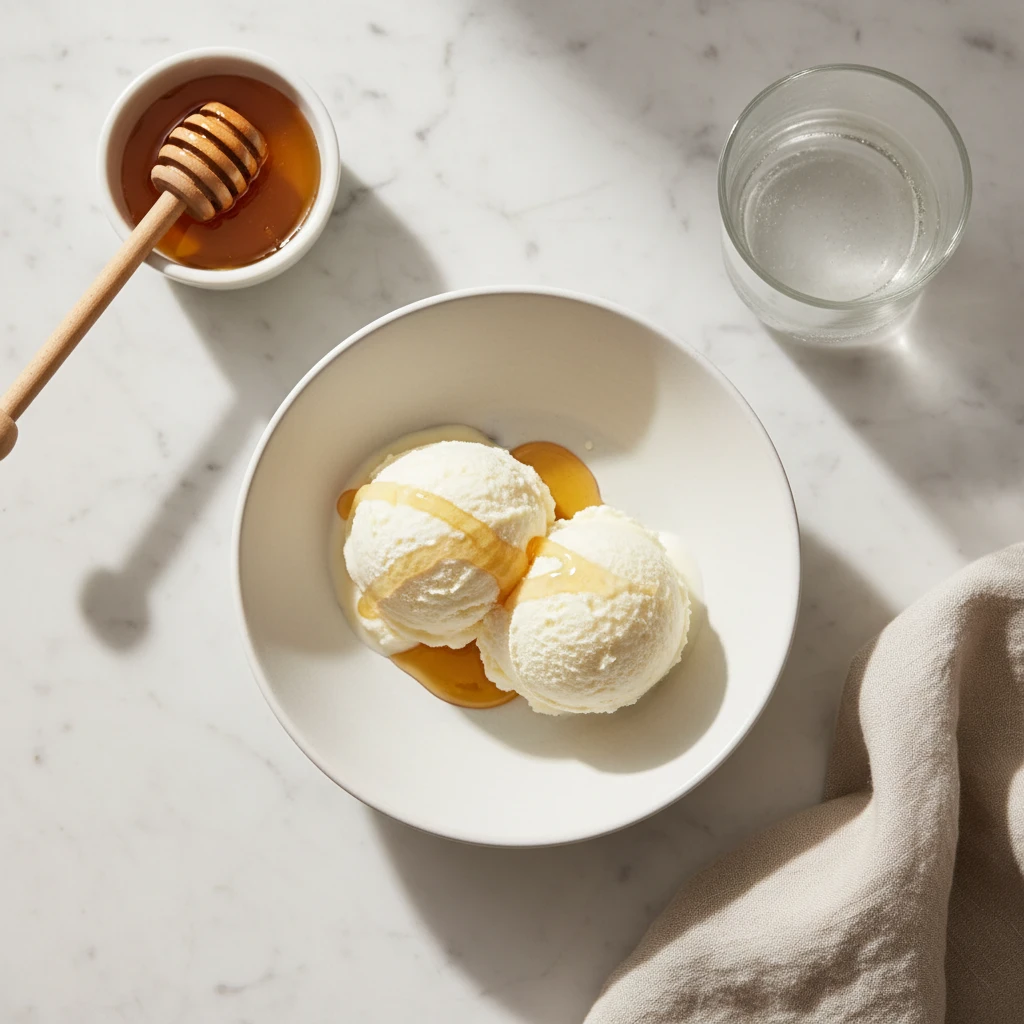
Classic Bowl with Toppings: Serve in chilled bowls topped with fresh berries, granola, sliced almonds, coconut flakes, and a drizzle of honey. This combination balances creaminess with texture and freshness.
Waffle Cone Experience: Scoop into sugar or waffle cones for an elevated presentation. Roll the top edge of the cone in crushed pistachios or mini chocolate chips before serving.
Sundae Style: Layer frozen yogurt in a tall glass with granola, fresh fruit compote, and a generous drizzle of chocolate or caramel sauce. Top with whipped cream and a cherry.
Breakfast Parfait: Layer frozen yogurt with overnight oats, fresh berries, and bee pollen in a glass for a refreshing breakfast or brunch item.
Fruit-Topped Presentation: Arrange fresh berries, sliced peaches, or diced mango on a chilled plate and place a generous scoop of frozen yogurt in the center. Dust with edible flowers or mint for elegance.
Froyo Bark: Spread softened frozen yogurt on a parchment-lined baking sheet, top with granola, nuts, chocolate chips, and dried fruit, freeze until solid, then break into shards for a fun, crunchy treat.
Smoothie Bowl Base: Use slightly softer frozen yogurt as the base for smoothie bowls. Top with berries, coconut, granola, and chia seeds for a vibrant presentation.
Pairing Suggestions: Serve alongside fresh macarons, shortbread cookies, or pound cake. Frozen yogurt’s tanginess pairs beautifully with buttery baked goods.
 Save
SaveStorage and Reheating
Freezer Storage: Transfer leftover frozen yogurt to an airtight container and cover tightly with plastic wrap or an airtight lid to prevent freezer burn and ice crystal formation. Homemade frozen yogurt keeps for up to 2 weeks in the freezer, though it’s best enjoyed within the first week when texture is creamiest and flavor is freshest.
Prevent Ice Crystals: Press plastic wrap directly onto the surface of the frozen yogurt before sealing the container. This minimizes air exposure, which causes ice crystals and freezer burn.
Softening Before Serving: Remove the frozen yogurt from the freezer 3–5 minutes before serving and let it soften at room temperature. This makes scooping easier and allows flavors to be more pronounced. Do not leave it out longer than 10 minutes, or it will begin to melt excessively.
Portioning: For easy single servings, scoop the frozen yogurt into small freezer-safe containers or silicone molds immediately after churning, freeze until solid, then remove the portions and transfer to a freezer bag. This allows you to grab individual servings without thawing the entire batch.
No Reheating Required: Unlike some frozen desserts, homemade frozen yogurt should not be reheated. Thaw in the refrigerator if you prefer a softer, yogurt-like consistency, or enjoy as-is straight from the freezer.
Separation After Thawing: If you accidentally let the frozen yogurt thaw and refreeze, it will likely separate and become grainy. It’s still safe to eat but will have a different texture. To prevent this, avoid repeated thaw-freeze cycles.
Frequently Asked Questions about Homemade Frozen Yogurt
Can I make frozen yogurt without an ice cream maker?
Yes, absolutely! Use the freeze-and-stir method: pour the mixture into a shallow baking dish, freeze, then use a fork to scrape and stir every 45 minutes for 4–5 hours until it reaches soft-serve consistency. Transfer to a container and freeze until firm. It takes longer and requires manual effort, but the results are still creamy and delicious. Frequent stirring prevents large ice crystals from forming.
Why does my homemade frozen yogurt taste icy instead of creamy?
Ice crystals form when the mixture freezes too slowly or when there’s too much water content. Ensure your ice cream maker bowl is completely frozen (overnight), churn for the full recommended time, and avoid overchurning once it reaches soft-serve. If using the freeze-and-stir method, scrape and stir more frequently. Also, make sure you’re using full-fat Greek yogurt and heavy cream—low-fat versions contain more water and freeze icier.
Can I use flavored yogurt instead of plain?
It’s not recommended. Flavored yogurts contain added sugar, thickeners, and artificial ingredients that can throw off the recipe’s balance and create an overly sweet, less creamy result. Stick with plain full-fat Greek yogurt and add your own flavorings (fresh fruit puree, coffee, vanilla, honey) so you control the taste and texture.
How do I make frozen yogurt taste less sour?
Reduce the lemon juice from 2 tablespoons to 1 tablespoon, or omit it entirely. Increase the sugar and honey slightly—try 3/4 cup sugar and 3 tablespoons honey instead. Remember that frozen temperatures mute sourness and sweetness, so the mixture should taste noticeably sweet before freezing. You can also substitute some of the Greek yogurt with regular plain yogurt (1:1 ratio) for less tang.
Can I make this recipe dairy-free?
Yes! Use coconut yogurt or cashew cream (blended soaked cashews) instead of Greek yogurt, coconut cream or oat cream instead of heavy cream, and oat or almond milk instead of whole milk. Use agave nectar or maple syrup instead of honey. The texture will be slightly less rich but still creamy and delicious. Make sure any yogurt substitute contains live cultures for authentic frozen yogurt tang.
What’s the difference between frozen yogurt and ice cream?
Frozen yogurt is made with yogurt as the base, giving it a tangy flavor and more probiotics. It typically has less fat than ice cream and a lighter taste. Ice cream uses cream and milk as the base, resulting in richer, sweeter flavor. Frozen yogurt is generally considered a healthier alternative, though homemade versions of both can be surprisingly similar in richness if you use plenty of cream.
Can I add mix-ins like cookies or chocolate chips?
Absolutely! Add mix-ins during the last 1–2 minutes of churning so they distribute evenly without shattering. For softer mix-ins like cookie dough, fold them in after the frozen yogurt is finished churning, just before transferring to the container for final freezing. Hard items like chocolate chips or crushed nuts can be added at the end of churning. Avoid adding hot ingredients, which will melt the frozen yogurt.
How long does homemade frozen yogurt last in the freezer?
Homemade frozen yogurt keeps for up to 2 weeks in an airtight container, but it tastes best within the first week. After a week, you may notice ice crystals forming and flavor fading slightly. Always store it in an airtight container with plastic wrap pressed directly onto the surface to prevent freezer burn and ice crystal formation.
Nutrition Facts (Per Serving)
| Nutrient | Per Serving |
|---|---|
| Calories | 185 |
| Total Fat | 11g |
| Saturated Fat | 7g |
| Cholesterol | 38mg |
| Sodium | 82mg |
| Total Carbohydrates | 19g |
| Dietary Fiber | 0g |
| Sugars | 18g |
| Protein | 6g |
| Probiotics (Live Cultures) | Present |
Dietary Notes: This frozen yogurt is vegetarian, gluten-free, and egg-free. It contains dairy and is not suitable for vegans unless substitutions are made. Each serving (approximately 1 cup) provides a good source of protein from Greek yogurt and includes beneficial probiotics that support digestive health. The recipe can be easily modified for reduced sugar or dairy-free diets by using the variations suggested above. Calories may vary based on serving size and specific brand ingredients used.
Homemade Frozen Yogurt
Ingredients
- 2 cups plain Greek yogurt
- 3/4 cup heavy cream
- 1/2 cup whole milk
- 1/2 cup granulated sugar
- 2 tablespoons honey
- 1 tablespoon vanilla extract
- 1/4 teaspoon salt
- 2 tablespoons fresh lemon juice
Instructions
- Pour 2 cups plain Greek yogurt, 3/4 cup heavy cream, and 1/2 cup whole milk into a large mixing bowl. Stir to combine. Prep time: 5 minutes.
- Add 1/2 cup granulated sugar, 2 tablespoons honey, 1 tablespoon vanilla extract, and 1/4 teaspoon salt to the yogurt mixture. Whisk vigorously for 2–3 minutes until the sugar and honey are completely dissolved and the mixture is smooth. Checkpoint: The mixture should look uniform with no visible sugar crystals when you lift the whisk.
- Add 2 tablespoons fresh lemon juice and stir for 30 seconds. Taste a small spoonful. If you want it sweeter, add 1 tablespoon more sugar and stir well. If you want it more tangy, add 1 more tablespoon lemon juice. Checkpoint: The mixture should taste pleasantly sweet with a subtle tang—not overly sour.
- If using an ice cream maker: Pour the mixture into your ice cream maker bowl (make sure it has been chilled per the manufacturer's instructions, usually overnight). Churn for 20–25 minutes on medium speed. The mixture will thicken and become pale. Churn until it reaches soft-serve consistency—it should mound slightly on a spoon but still be creamy. Checkpoint: The frozen yogurt should look like soft-serve ice cream, thick enough to hold a peak but still pourable.
- If using the freeze-and-stir method (no ice cream maker): Pour the mixture into a shallow 9-inch square baking dish or loaf pan. Place in the freezer. After 1 hour, use a fork or whisk to scrape the frozen edges toward the center, breaking up any ice crystals, then stir vigorously for 1 minute. Return to freezer. Repeat this scrape-and-stir process every 45 minutes for a total of 4–5 hours until the mixture reaches soft-serve consistency. This manual method takes longer but still produces creamy results.
- Transfer the soft-serve frozen yogurt to a freezer-safe airtight container (a 1-quart container works well). Smooth the top with a spatula. Freeze for at least 4 hours, preferably overnight, until firm enough to scoop. Freeze time: 4–12 hours.
- To serve, remove the container from the freezer and let it sit at room temperature for 3–5 minutes to soften slightly. Use an ice cream scoop to portion into bowls or cones. If the frozen yogurt is too hard to scoop, dip the scoop into warm water and wipe dry between scoops for easier serving.
- Top with fresh berries, granola, chocolate chips, crushed cookies, or your favorite toppings. Serve immediately.
- Storage: Cover the container tightly with plastic wrap or an airtight lid. Homemade frozen yogurt keeps in the freezer for up to 2 weeks, though flavor and texture are best within the first week.