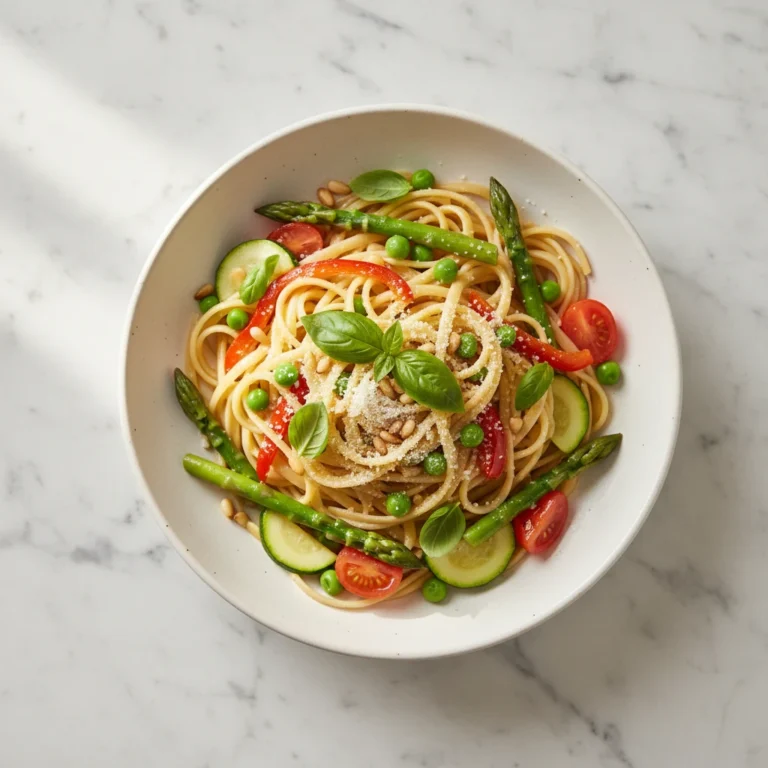
Reasons to Try Light Pasta Primavera
Bursting with Fresh Flavors – The combination of tender vegetables, bright lemon, and fragrant basil creates a clean, vibrant taste that celebrates spring and summer produce at its peak.
Naturally Light Yet Filling – Unlike cream-based pastas, this dish relies on quality olive oil and fresh ingredients, making it satisfying without feeling heavy or greasy. Perfect for health-conscious diners.
Quick and Weeknight-Friendly – Ready in under 30 minutes from start to finish, it’s ideal for busy schedules without sacrificing quality or homemade goodness.
Versatile and Customizable – Build your own primavera with whatever vegetables are in season or in your refrigerator. The technique remains the same, but the flavors stay fresh and exciting.
Restaurant-Quality at Home – Despite its simplicity, the careful balance of lemon, garlic, and premium olive oil creates a sophisticated dish that tastes like it came from an Italian trattoria.
Packed with Nutrients – Loaded with fiber, vitamins, and antioxidants from a variety of colorful vegetables, it’s as nutritious as it is delicious.
 Save
SaveIngredients Notes
- Fresh linguine or spaghetti
- Fresh zucchini, sliced into thin half-moons
- Fresh asparagus, cut into 2-inch pieces
- Cherry tomatoes, halved
- Fresh peas
- Red bell pepper, cut into thin strips
- Garlic cloves, minced
- Extra virgin olive oil
- Fresh lemon juice
- Lemon zest
- Vegetable or chicken broth
- Fresh basil, roughly chopped
- Fresh parsley, chopped
- Grated Parmesan cheese
- Red pepper flakes
- Salt and black pepper
- Pine nuts, lightly toasted (optional)
How to Make Light Pasta Primavera
- Bring a large pot of salted water to a boil and cook pasta according to package directions until al dente. Drain, reserving 1 cup of pasta water. Set aside.
- While pasta cooks, heat olive oil in a large skillet over medium heat. Add minced garlic and red pepper flakes, stirring for about 30 seconds until fragrant.
- Add zucchini and bell pepper to the skillet, cooking for 3–4 minutes, stirring occasionally, until they begin to soften.
- Add asparagus and peas, cooking for another 3 minutes until vegetables are crisp-tender.
- Stir in cherry tomatoes, lemon zest, and lemon juice. Pour in broth and cook for 1–2 minutes to combine flavors.
- Add cooked pasta to the vegetable mixture, tossing gently to combine. If needed, add reserved pasta water a little at a time to create a light sauce.
- Remove from heat. Stir in fresh basil and parsley, then season with salt and pepper to taste.
- Divide into serving bowls, top with Parmesan cheese and pine nuts if desired, and serve immediately.
What You Must Know About Light Pasta Primavera
Timing is Everything – The key to perfect pasta primavera is coordinating the pasta and vegetable cooking times so everything finishes at the same moment. Start the pasta first, then begin the vegetables so they come together just as the pasta is done.
Don’t Overcook the Vegetables – Vegetables should be crisp-tender, not soft and wilted. They continue cooking slightly after you remove the skillet from heat, so aim for just slightly underdone and they’ll be perfect.
Use Quality Olive Oil – Since this dish relies heavily on olive oil for flavor, invest in a good extra virgin olive oil. It makes a noticeable difference in the final taste.
Fresh Herbs Make a Difference – Add basil and parsley at the very end, off the heat, to preserve their fresh flavor and vibrant color. Cooking them too long dulls both.
Reserve Your Pasta Water – The starchy pasta water is essential for creating a light, silky sauce that clings to the noodles. Don’t skip this step.
Lemon is Your Secret Weapon – Both fresh lemon juice and zest are crucial. They brighten all the vegetable flavors and prevent the dish from tasting heavy or one-dimensional.
Taste as You Go – Always taste before serving and adjust salt and lemon juice to your preference. Preferences vary, and you want your version to be perfect.
Serve Immediately – Pasta primavera is best enjoyed right away while the pasta is hot and vegetables are still slightly crisp. It doesn’t hold well once plated.
Variations and Substitutions
Protein Additions – Add grilled chicken breast, seared shrimp, white beans, or crispy chickpeas for a heartier main course. Toss them in during the last minute of cooking.
Different Vegetables – Swap in whatever vegetables are in season: broccoli florets, snap peas, green beans, mushrooms, artichoke hearts, or fennel. Adjust cooking times based on how delicate each vegetable is.
Creamy Version – Stir in 1/4 cup heavy cream, Greek yogurt, or crème fraîche after adding the pasta for a richer sauce while keeping it relatively light.
Garlic Lovers’ Version – Increase garlic to 6–8 cloves if you adore garlic flavor. You can also add a splash of white wine (2–3 tablespoons) when sautéing the garlic for added depth.
Pasta Shape Swap – Use penne, farfalle, angel hair, or fettuccine instead of linguine. Each catches the light sauce differently and offers a unique texture.
Dairy-Free Option – Omit the Parmesan and pine nuts, or replace with nutritional yeast for a plant-based version that’s equally delicious.
Spicy Kick – Increase red pepper flakes to 1 teaspoon, or add a fresh sliced hot chili pepper. Serve with red pepper oil drizzled on top.
Herbaceous Twist – Experiment with mint, dill, tarragon, or oregano instead of or in addition to basil and parsley for entirely different flavor profiles.
Serving Suggestions for Light Pasta Primavera
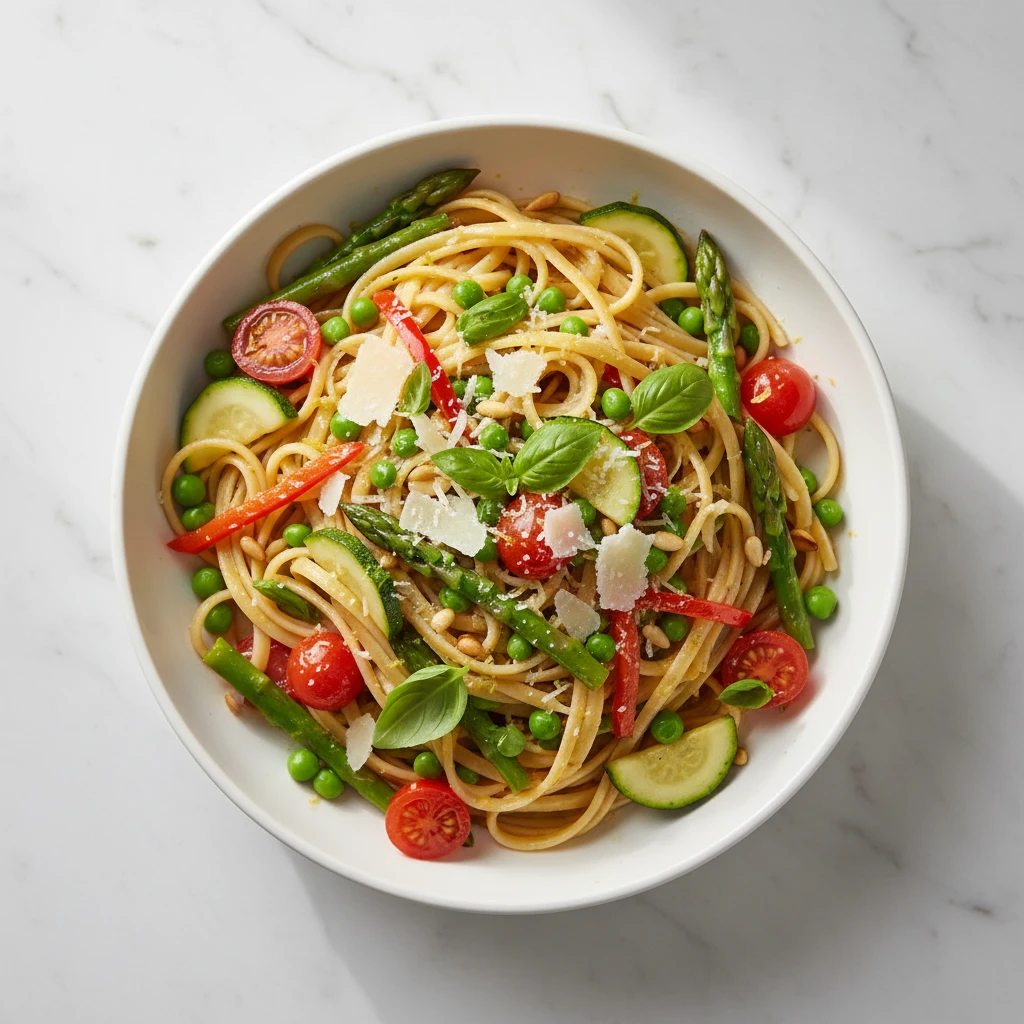
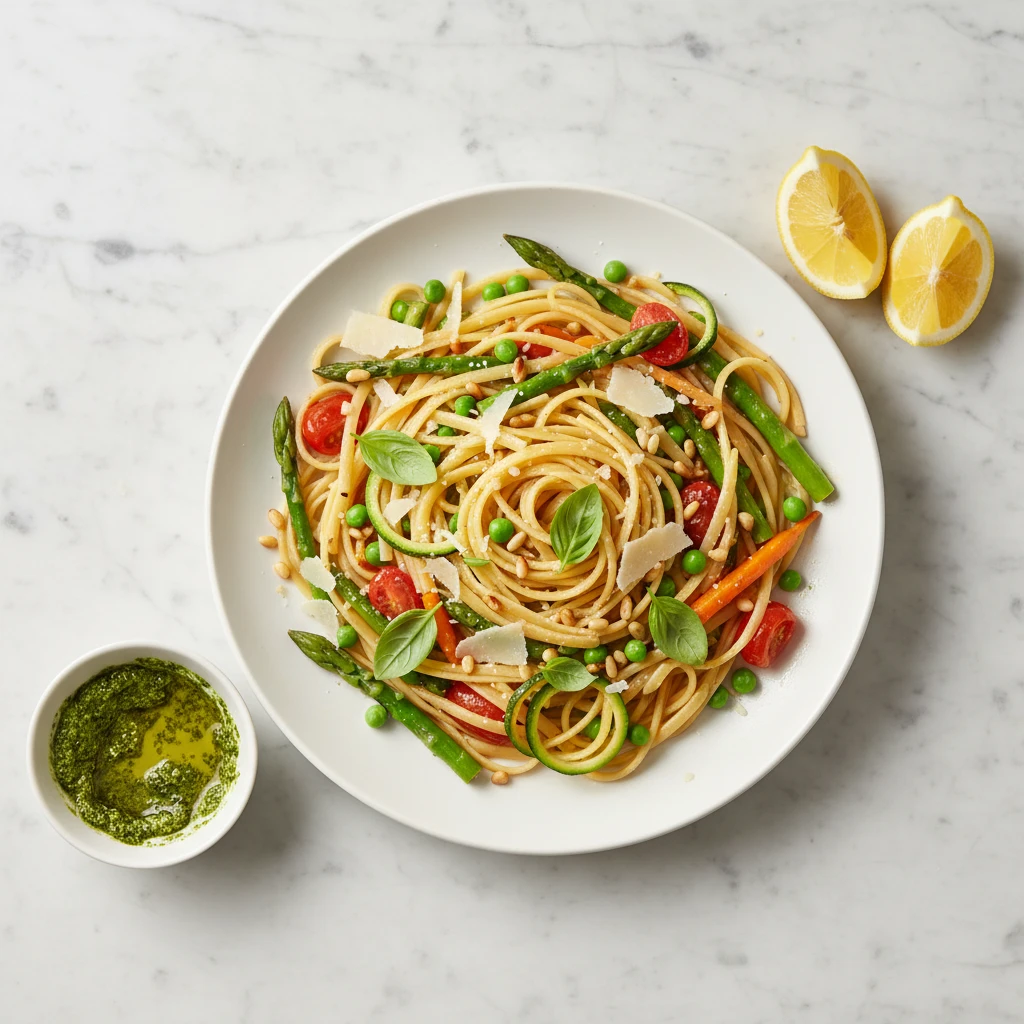
Simple and Elegant – Plate pasta primavera in shallow bowls or on white plates. The bright colors of the vegetables create a naturally beautiful presentation. Top with a small mound of Parmesan and a few toasted pine nuts, then drizzle with a tiny bit of extra virgin olive oil.
Garlic Bread Pairing – Serve alongside thin slices of toasted ciabatta or baguette rubbed with garlic and olive oil. Diners can use it to soak up any light sauce remaining in their bowls.
Fresh Salad Side – Pair with a simple arugula or mixed greens salad dressed with lemon vinaigrette. The acidity complements the pasta beautifully.
Wine Pairing – Serve with a crisp white wine like Pinot Grigio, Sauvignon Blanc, or Vermentino. The wine’s acidity mirrors the lemon in the pasta and cleanses the palate between bites.
Garnish Enhancements – Top individual servings with fresh lemon wedges for squeeze-fresh juice, extra basil leaves, a sprinkle of sea salt, or even a thin shaving of Pecorino Romano for variety.
Outdoor Entertaining – This dish shines at summer dinner parties. Serve it slightly cooled (not cold) on a warm evening with crusty bread and chilled white wine for an effortlessly sophisticated meal.
Vegetarian Centerpiece – This is naturally vegetarian and protein-packed with vegetables and pasta. Present it as the main course with confidence for any dietary preference.
 Save
SaveStorage and Reheating
Refrigerator Storage – Transfer any leftovers to an airtight container and refrigerate for up to 3 days. The pasta will absorb some liquid and may become slightly softer, but the flavors often develop and deepen, making it still quite good.
Reheating Method – Warm leftovers gently in a skillet over medium-low heat for 3–5 minutes, stirring occasionally. Add 1–2 tablespoons of reserved pasta water or fresh water to loosen the sauce if needed. Alternatively, microwave in a microwave-safe bowl covered with a damp paper towel for 2–3 minutes, stirring halfway through.
Freezing Not Recommended – Pasta primavera doesn’t freeze well because the vegetables become mushy when thawed and the texture of fresh pasta degrades significantly. Best enjoyed fresh or within 3 days of cooking.
Make-Ahead Tip – You can prepare the vegetables and cook the pasta separately up to 8 hours ahead, storing each in airtight containers in the refrigerator. Combine and finish cooking just before serving for the freshest result and best texture.
Frequently Asked Questions about Light Pasta Primavera
Can I use dried pasta instead of fresh pasta?
Yes, you can absolutely use dried pasta. Cook it according to package directions (usually 8–12 minutes) until al dente. The main difference is that dried pasta has a denser texture and holds up slightly better to storage, though fresh pasta creates a more delicate, tender dish that many prefer for primavera.
What if I don’t have fresh basil?
Fresh basil is ideal for its bright flavor, but you can substitute with fresh mint, fresh parsley (use 1/4 cup instead of 1/3 cup), or even fresh dill. If only dried herbs are available, use about 1 teaspoon dried basil added at the beginning with the garlic, though the fresh flavor won’t be quite the same.
How do I know if my vegetables are cooked to the right doneness?
The vegetables should be tender but still slightly firm when poked with a fork – they should not be mushy or soft. They’ll taste sweet and cooked through but still retain a subtle crunch. As a rule, zucchini and peppers take about 4 minutes, asparagus takes 3 minutes, and peas take about 2–3 minutes. If your vegetables are still very hard after cooking, they need more time; if they’re very soft or falling apart, they’ve been cooked too long.
Is this recipe suitable for vegetarians and vegans?
This recipe is naturally vegetarian. To make it vegan, simply omit the Parmesan cheese or replace it with nutritional yeast or a plant-based Parmesan alternative, and skip the optional pine nuts or use a vegan substitute. The rest of the recipe is completely plant-based.
Can I make this recipe ahead of time?
You can prepare components ahead: chop all vegetables and refrigerate for up to 1 day, cook the pasta and set aside at room temperature for up to 2 hours (or refrigerate for up to 8 hours), and prepare the lemon juice and zest in advance. However, the final dish is best assembled and served immediately. If you must prepare it ahead, do so within 30 minutes of serving and store covered at room temperature.
What if my pasta primavera tastes too bland?
This is usually a salt issue. Taste and add more salt gradually, starting with 1/4 teaspoon at a time. You can also add more lemon juice (up to 1 additional tablespoon) for brightness, or increase the garlic by mincing an extra clove. Remember that Parmesan cheese adds saltiness, so taste before adding it on top.
How much does one serving cost to make?
A typical serving costs $2–4, depending on produce prices and whether ingredients are seasonal. Primavera is more economical in summer when vegetables are abundant and cheaper. Using in-season produce is the best way to keep costs down and flavors up.
Nutrition Facts (Per Serving)
| Nutrient | Amount |
|---|---|
| Calories | 385 |
| Total Fat | 14g |
| Saturated Fat | 3g |
| Cholesterol | 8mg |
| Sodium | 285mg |
| Total Carbohydrates | 58g |
| Dietary Fiber | 8g |
| Total Sugars | 7g |
| Protein | 14g |
| Vitamin A | 28% DV |
| Vitamin C | 112% DV |
| Calcium | 18% DV |
| Iron | 22% DV |
Light Pasta Primavera
Ingredients
- 1 pound fresh linguine or spaghetti
- 2 cups fresh zucchini sliced into thin half-moons
- 2 cups fresh asparagus cut into 2-inch pieces
- 1.5 cups cherry tomatoes halved
- 1 cup fresh peas or frozen
- 1 red bell pepper cut into thin strips
- 4 cloves garlic minced
- 1/4 cup extra virgin olive oil
- 2 tablespoons fresh lemon juice
- 1 teaspoon lemon zest
- 1/4 cup vegetable or chicken broth
- 1/3 cup fresh basil roughly chopped
- 2 tablespoons fresh parsley chopped
- 1/4 cup grated Parmesan cheese
- 1/2 teaspoon red pepper flakes
- Salt and black pepper to taste
- 2 tablespoons pine nuts lightly toasted (optional)
Instructions
- Fill a large pot with water and add a generous pinch of salt. Bring to a boil over high heat, about 8–10 minutes. You'll know it's ready when you see large rolling bubbles across the entire surface.
- Once boiling, add 1 pound fresh pasta and stir immediately to prevent sticking. Cook for 8–10 minutes (or according to package directions), stirring occasionally. The pasta should be tender but still slightly firm to bite (al dente). Reserve 1 cup of the starchy pasta cooking water before draining. Set the cooked pasta aside in a colander.
- While the pasta cooks, measure out 1/4 cup extra virgin olive oil into a large skillet (12-inch or bigger). Place the skillet over medium heat for about 1 minute until the oil is warm and moves easily when you tilt the pan.
- Add 4 minced garlic cloves and 1/2 teaspoon red pepper flakes directly to the warm oil. Stir constantly for 30–45 seconds until the garlic becomes fragrant (smells pungent and slightly nutty). Do not let it brown or it will taste bitter. Checkpoint: The garlic should be light golden and smell wonderful, not dark brown.
- Add 2 cups sliced zucchini and 1 red bell pepper (cut into strips) to the skillet. Stir well to coat with the garlic oil. Cook over medium heat for 3–4 minutes, stirring every minute, until the vegetables soften slightly and edges are just beginning to caramelize. They should still have slight firmness when poked with a fork.
- Add 1.5 cups fresh asparagus (cut into 2-inch pieces) and 1 cup fresh peas to the skillet. Stir to combine. Cook for another 3 minutes over medium heat, stirring occasionally, until the asparagus turns bright green and is just tender but still slightly crisp. Checkpoint: The vegetables should be colorful, slightly soft, but not mushy.
- Stir in 1.5 cups halved cherry tomatoes, 1 teaspoon lemon zest, and 2 tablespoons fresh lemon juice. Pour in 1/4 cup vegetable or chicken broth. Stir everything together and cook for 1–2 minutes over medium heat until the liquid combines and the tomatoes just begin to soften around the edges but still hold their shape.
- Add the cooked pasta to the skillet with the vegetables, tossing gently with two wooden spoons or pasta forks for 1–2 minutes until everything is evenly combined and the pasta is coated with the light oil. If the mixture looks dry, add reserved pasta water 2 tablespoons at a time, stirring and checking after each addition. The final dish should look moist and silky, not wet or soupy.
- Turn off the heat. Immediately add 1/3 cup fresh basil (roughly chopped) and 2 tablespoons fresh parsley, stirring gently to distribute. Taste a small bite of pasta and season with salt and black pepper to your preference, starting with 1/2 teaspoon salt and 1/4 teaspoon pepper, then adjust as needed.
- Divide the pasta primavera into individual serving bowls or plates right away (within 2 minutes). Top each serving with about 1 tablespoon grated Parmesan cheese and a small handful of lightly toasted pine nuts if desired. Serve immediately while warm.