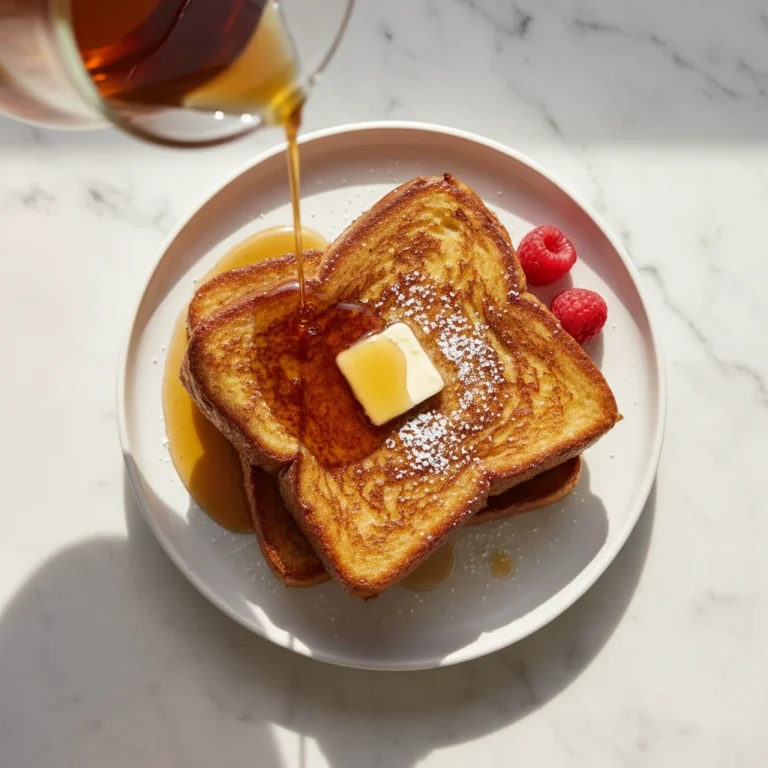
Maple-Cinnamon French Toast is a beloved breakfast classic that transforms simple bread into a golden, custard-soaked indulgence. With the warm spice of cinnamon, the subtle sweetness of pure maple syrup, and a crispy exterior contrasting a tender interior, this dish brings restaurant-quality breakfast to your kitchen. Perfect for weekend mornings or special occasions, it’s a crowd-pleaser that takes just 30 minutes from start to finish.
Reasons to Try Maple-Cinnamon French Toast
This Maple-Cinnamon French Toast is a breakfast showstopper for several compelling reasons:
- Warm Spiced Flavor: The combination of cinnamon and nutmeg creates a cozy, aromatic profile that makes each bite feel like fall, no matter the season.
- Pure Maple Sweetness: Unlike artificial maple flavoring, using real maple syrup adds genuine depth and a refined sweetness that elevates the dish beyond typical versions.
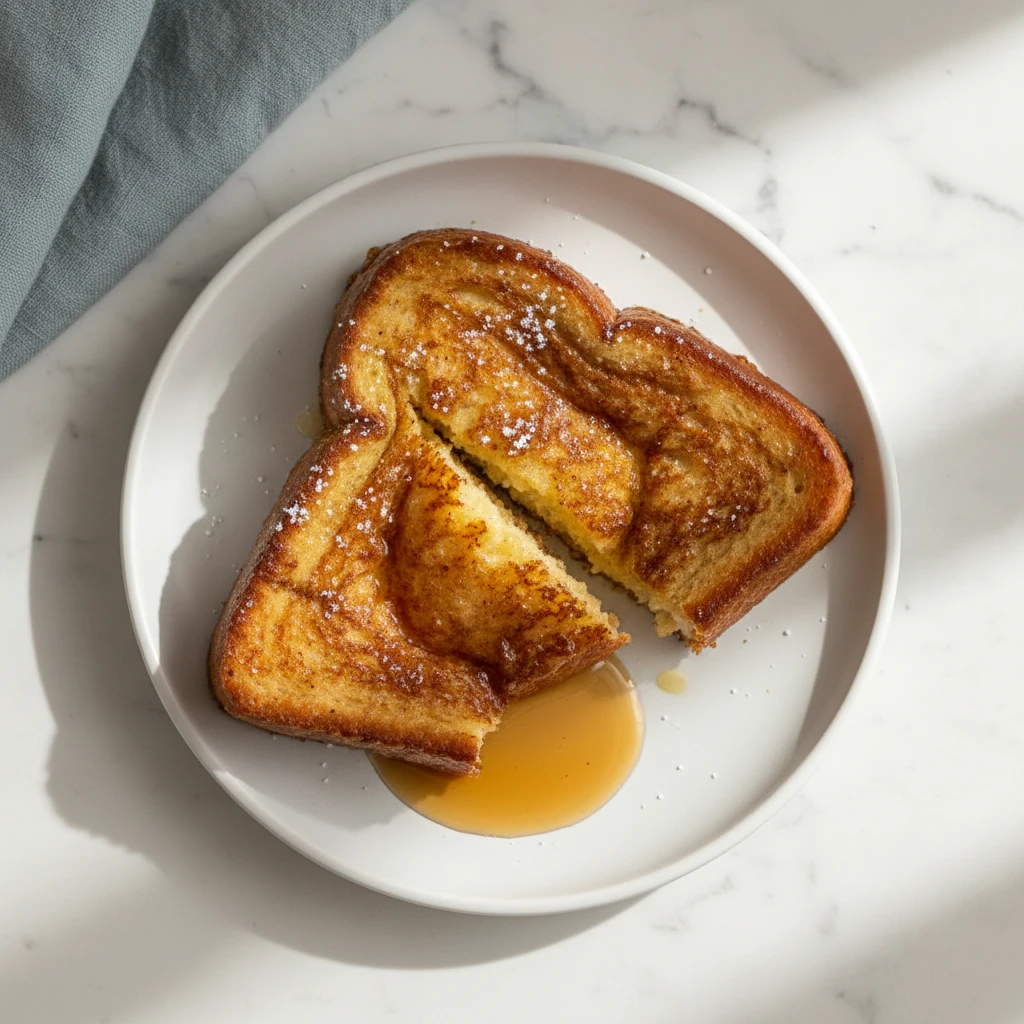
- Perfect Texture Contrast: The exterior becomes crispy and caramelized while the interior remains custardy and tender—a textural balance that’s hard to resist.
- Quick and Simple: With minimal prep and just 15 minutes of cooking, this recipe is accessible for busy mornings yet impressive enough for brunch guests.
- Versatile Customization: Top with fresh berries, whipped cream, nuts, or extra syrup; the base recipe welcomes countless variations.
- Uses Pantry Staples: Most ingredients are likely already in your kitchen, making this an economical choice for a special breakfast.
 Save
SaveIngredients Notes
- Bread: Choose brioche, challah, or thick-cut white bread for best results. Stale bread (1–2 days old) works better than fresh, as it absorbs the custard without falling apart.
- Eggs: Large eggs are standard; use room temperature for even mixing and better absorption.
- Milk: Whole milk creates a richer custard. Substitute with half-and-half for extra decadence or 2% if you prefer lighter results.
- Maple Syrup: Use 100% pure maple syrup, not pancake syrup. Grade A or B both work; B has a deeper flavor.
- Vanilla Extract: True vanilla extract provides better flavor than imitation, but either works.
- Cinnamon: Fresh ground cinnamon tastes better than aged; check that your spice tin doesn’t smell dusty.
- Butter: Unsalted butter lets you control salt and won’t brown as quickly as salted varieties.
How to Make Maple-Cinnamon French Toast
- Preheat a large skillet or griddle over medium-high heat.
- In a shallow bowl, whisk together eggs, milk, maple syrup, vanilla, cinnamon, nutmeg, and salt until well combined.
- Add 1 tablespoon butter to the preheated skillet and let it melt, swirling to coat the surface evenly.
- Working quickly, dip each bread slice into the custard mixture, ensuring both sides are coated but not oversaturated—about 1 second per side.
- Place coated slices onto the hot skillet in a single layer, working in batches if needed; do not overcrowd.
- Cook for 3–4 minutes on the first side until golden brown and crispy at the edges.
- Flip gently and cook the second side for 2–3 minutes until equally golden.
- Transfer cooked slices to a serving plate and keep warm; repeat with remaining bread and butter as needed.
- Dust with powdered sugar, drizzle with additional maple syrup, and serve immediately with whipped cream or fresh berries if desired.
What You Must Know About Maple-Cinnamon French Toast
Bread Selection is Critical: The type and age of bread you use directly impacts the final result. Brioche and challah are ideal because of their high egg and butter content, which creates a rich, tender crumb. Stale bread (1–2 days old) is actually preferable to fresh bread—it absorbs the custard without disintegrating. If you only have fresh bread, consider lightly toasting the slices first to firm them up.
Temperature Control: Medium-high heat is essential for achieving that signature crispy, caramelized exterior while keeping the interior custardy. If your heat is too low, the French toast will absorb more custard and become soggy. If it’s too high, the outside will burn before the custard sets. It takes practice to find your stove’s sweet spot.
The Dip, Not the Soak: One of the most common mistakes is dunking bread too long in the custard. A quick 1-second dip per side is all you need. The bread will continue to absorb custard as it cooks. Oversaturated bread falls apart on the griddle and results in a heavy, damp final product.
Timing and Batch Management: If you’re serving multiple people, keep finished French toast warm in a 200°F oven rather than stacking them on a plate, which traps steam and makes them soggy. A baking sheet lined with parchment paper works perfectly.
Helpful Tips
Make-Ahead Custard: Prepare the egg mixture up to 8 hours in advance and store it covered in the refrigerator. Whisk it again before use to recombine any separated ingredients.
Freeze Cooked French Toast: You can freeze fully cooked slices in an airtight container for up to 3 months. Reheat in a 350°F oven for 8–10 minutes until warmed through, or in a toaster on medium setting for a quicker option.
Enhance the Custard: Add 1/2 teaspoon of almond extract or 1 tablespoon of bourbon to the egg mixture for subtle depth. Some cooks add a pinch of ground ginger or cardamom for additional warmth.
Butter vs. Oil: Butter creates better flavor and browning than oil, but if you use oil, choose one with a high smoke point like vegetable or avocado oil. Olive oil will smoke excessively at medium-high heat.
Serving Temperature: Always serve French toast immediately while the exterior is still crispy. Letting it sit even 5 minutes allows condensation to form, softening the crust.
Variations and Substitutions
Eggnog French Toast: Replace the milk with eggnog (store-bought or homemade) and reduce the maple syrup to 3 tablespoons. Omit the nutmeg and add 1/2 teaspoon rum extract or vanilla for depth. This creates a holiday-inspired version perfect for winter mornings.
Stuffed French Toast: Spread cream cheese, Nutella, or peanut butter between two bread slices before dipping. Proceed as directed. The filling softens slightly and creates a decadent surprise inside.
Brown Sugar Version: Substitute 2 tablespoons of the maple syrup with packed brown sugar (stirred into the custard until dissolved) for a deeper, molasses-forward sweetness.
Coconut Milk Alternative: Use full-fat coconut milk in place of regular milk for a tropical twist. Add 1/4 teaspoon of coconut extract and use coconut sugar instead of brown sugar if substituting.
Gluten-Free French Toast: Use certified gluten-free bread. The custard ratio remains the same, though thinner slices of GF bread may require shorter cooking times (2–3 minutes per side). Test one slice first.
Challah Loaf vs. Sandwich Bread: Challah creates the most luxurious version, but Texas toast, thick-cut brioche, or even thick slices of French bread work well. Avoid thin sandwich bread, which tears easily.
Maple Bourbon Version: Add 1 tablespoon of bourbon or whiskey to the custard for an adults-only brunch twist. The alcohol burns off during cooking, leaving only the warm, complex flavor.
Lactose-Free or Vegan: Substitute the milk with almond, oat, or soy milk (unsweetened or lightly sweetened). For vegan, replace the 3 eggs with 1/2 cup aquafaba (liquid from canned chickpeas) whisked with 1 tablespoon cornstarch. The custard will be slightly less rich but still delicious.
Serving Suggestions for Maple-Cinnamon French Toast
Classic Presentation: Arrange 2–3 slices on a warm plate in a slightly overlapping fan pattern. Dust generously with powdered sugar using a fine-mesh sieve, and drizzle warm maple syrup down the center. Top with a pat of cold butter that melts into the warm custard.
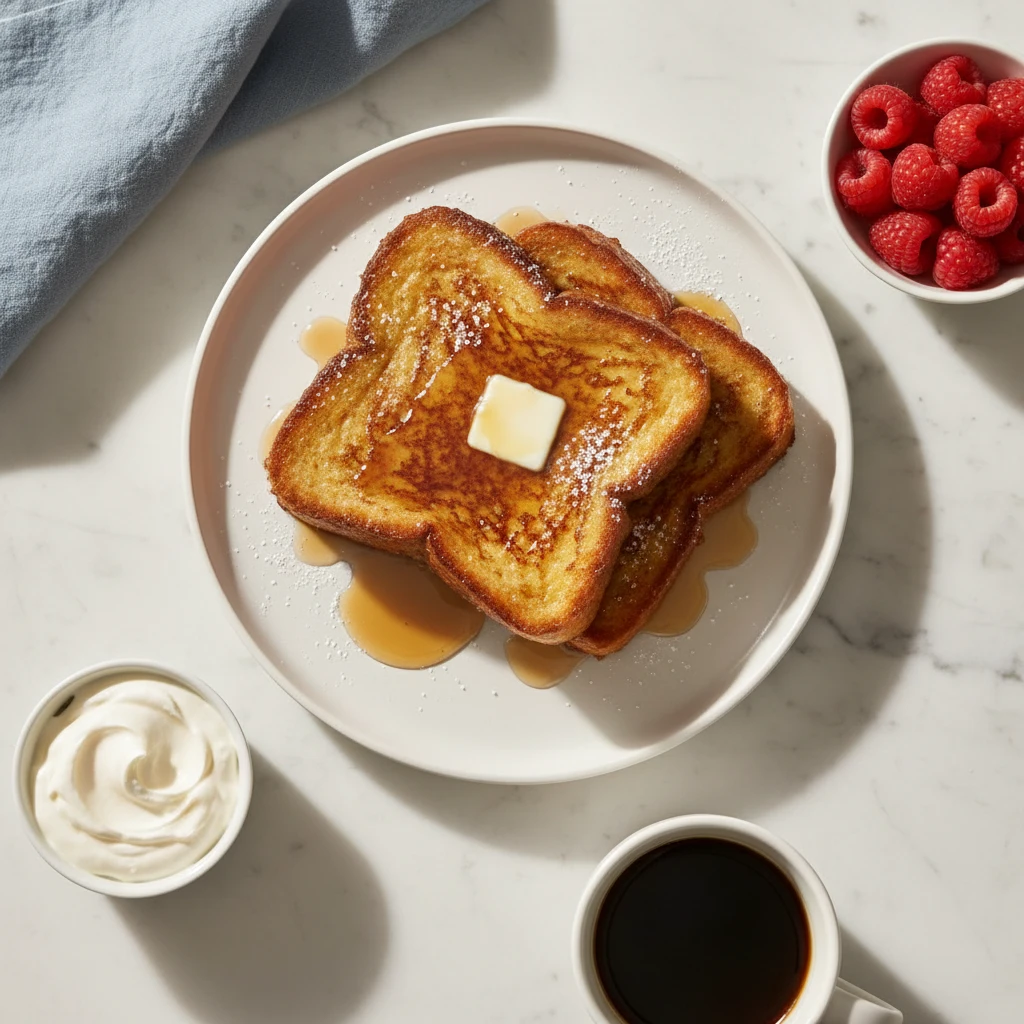
Brunch with Fresh Berries: Serve alongside fresh raspberries, strawberries, or blueberries scattered around the plate. The tartness of fresh fruit provides a refreshing contrast to the sweet, rich French toast.
Whipped Cream and Berries: Crown each serving with a generous dollop of lightly sweetened whipped cream and a few fresh berries on top. A light drizzle of maple syrup over the whipped cream adds visual appeal and flavor.
Candied Pecans or Walnuts: Crush candied nuts and sprinkle over the finished dish for added crunch and nutty flavor. This works especially well when served alongside Greek yogurt on the side.
Bacon or Sausage Pairing: Serve with crispy bacon strips or browned breakfast sausage links on the side for a savory-sweet balance. The salt in the meat enhances the perceived sweetness of the French toast.
Maple Butter Sauce: Warm maple syrup with a pat of butter and a pinch of sea salt in a small saucepan for 1–2 minutes. Serve this luxurious sauce on the side for dipping, rather than pouring directly over the toast.
Caramelized Apple Topping: Sauté thin apple slices with butter, brown sugar, and cinnamon for 5–7 minutes until soft and caramelized. Spoon this warm compote over the French toast for an autumn-inspired breakfast.
Café Setting: Serve with strong espresso or cappuccino on the side, along with a small glass of fresh-squeezed orange juice for a complete brunch experience.
 Save
SaveStorage and Reheating
Storing Leftovers: Allow any leftover French toast to cool to room temperature, then layer slices between parchment paper in an airtight container. Store in the refrigerator for up to 3 days. Do not stack without parchment, as they stick together and become difficult to separate.
Freezing: For longer storage, freeze cooled slices in a single layer on a baking sheet for 1–2 hours until solid, then transfer to a freezer-safe bag or container. Frozen French toast keeps for up to 3 months.
Reheating from Refrigerator: Warm slices in a 350°F oven for 8–10 minutes until heated through and the exterior recrisps slightly. Alternatively, use a toaster on medium setting for a quicker option, though this may not rewarm the center as evenly.
Reheating from Frozen: Thaw slices overnight in the refrigerator, then reheat using either method above. Alternatively, place frozen slices directly in a 350°F oven for 12–15 minutes until warmed through.
Microwave Reheating (Not Recommended): While the quickest option, microwaving makes French toast rubbery and soggy. If you must use a microwave, wrap slices in a damp paper towel and microwave on 50% power for 30–45 seconds per slice, checking frequently.
Storing the Custard: If you have leftover egg mixture, cover it tightly and refrigerate for up to 2 days. Do not freeze, as the custard may separate upon thawing.
Frequently Asked Questions about Maple-Cinnamon French Toast
Can I make French toast without maple syrup?
Yes, though you’ll lose the signature maple flavor. Substitute with honey, brown sugar dissolved in the custard, or agave nectar in equal amounts. For best results, stick with maple syrup, as its distinct flavor is integral to this recipe.
What’s the best bread for French toast?
Brioche, challah, and thick-cut white bread work best. These have a tender crumb and enough structure to hold the custard without falling apart. Avoid thin sandwich bread or dense whole-wheat bread. Stale bread (1–2 days old) is actually preferable to fresh.
Can I prep the custard mixture ahead of time?
Absolutely. Prepare the egg, milk, and spice mixture up to 8 hours in advance and refrigerate in a covered bowl. Whisk thoroughly before use to recombine any separated ingredients. This is a great time-saver for busy mornings.
How do I keep French toast warm while cooking batches?
Place finished slices on a baking sheet in a preheated 200°F oven. This keeps them warm without continuing to cook them. Stacking on a plate traps steam, making the exterior soggy. Use parchment paper between slices if stacking to prevent sticking.
Is my French toast supposed to be custardy inside?
Yes, the interior should be soft and slightly custardy, not dry. The exterior should be crispy and caramelized, creating a textural contrast. If your French toast is dense and dry, your skillet wasn’t hot enough or you cooked it too long. Next time, increase heat and reduce cooking time slightly.
Can I use milk alternatives?
Yes. Unsweetened almond, oat, or soy milk work well as 1:1 substitutes for regular milk. Full-fat coconut milk creates a richer version. Avoid milk alternatives that are too thin or heavily sweetened, as they’ll throw off the custard balance.
What if I don’t have pure maple syrup?
Pure maple syrup is strongly recommended for authentic flavor, but you can substitute with honey, agave, or brown sugar mixed into the custard. Pancake syrup (which contains corn syrup and maple flavoring) is not ideal, as it lacks the complexity of real maple and won’t produce the same depth of flavor.
Can I make Maple-Cinnamon French Toast vegan?
Yes. Replace the 3 eggs with 1/2 cup aquafaba (canned chickpea liquid) whisked with 1 tablespoon cornstarch, and use a plant-based milk of your choice. The result will be slightly less rich but still delicious. Use vegan butter for cooking.
Maple-Cinnamon French Toast
Ingredients
- 8 slices bread preferably brioche or challah
- 3 large eggs
- 1/2 cup whole milk
- 1/4 cup pure maple syrup plus more for serving
- 2 teaspoons vanilla extract
- 2 teaspoons ground cinnamon
- 1/4 teaspoon ground nutmeg
- 1/4 teaspoon salt
- 3 tablespoons unsalted butter divided
- Powdered sugar for dusting
- Whipped cream for serving optional
- Fresh berries for serving optional
Instructions
- Preheat your oven to 200°F (keep it on low) and place a baking sheet inside. You'll use this to keep finished French toast warm while you cook the rest. This takes 3 minutes.
- In a shallow bowl or wide plate, crack 3 large eggs and whisk them for 30 seconds with a fork or whisk until combined. Do not over-whisk; you want some air in the mixture but not a foam.
- Add 1/2 cup whole milk, 1/4 cup pure maple syrup, 2 teaspoons vanilla extract, 2 teaspoons ground cinnamon, 1/4 teaspoon nutmeg, and 1/4 teaspoon salt to the bowl. Whisk vigorously for 1–2 minutes until fully blended and smooth. The mixture should smell distinctly of maple and cinnamon. Checkpoint: You are ready to move on when the custard is uniform with no streaks of egg white visible.
- Place a large nonstick skillet or griddle on your stovetop over medium-high heat. Let it heat for 2–3 minutes until a drop of water sizzles immediately on contact (this means it's hot enough). If you don't have a nonstick pan, use a cast-iron skillet for best results.
- Add 1 tablespoon unsalted butter to the center of the hot skillet and swirl for 30 seconds to coat the entire surface evenly. The butter should foam and smell nutty, but not brown. Checkpoint: You are ready to move on when the butter is melted and the pan smells toasted.
- Take your first slice of brioche or challah bread (ideally 1–2 days old), hold it with both hands, and dip it into the custard bowl for exactly 1 second. Flip it and dip the other side for 1 second. The bread should be wet but not soaked through (if it's soggy, you've dipped too long). Checkpoint: Both sides of the bread should glisten but not drip custard.
- Immediately place the coated slice onto the hot buttered skillet. If cooking multiple slices, repeat the dipping process with 2–3 more slices and place them on the skillet without overlapping. Work quickly so the custard doesn't drain off the bread.
- Let the first side cook undisturbed for 3–4 minutes. You'll know it's ready to flip when the edges look crispy and golden brown, and if you gently lift a corner with a spatula, the underside should be deep golden with a caramelized crust. Do not flip early.
- Using a thin spatula, gently slide it under one slice and flip it in one smooth motion. Cook the second side for 2–3 minutes until it matches the first side in color—golden brown all over with slight caramelization at the edges.
- Transfer the cooked French toast to the warm baking sheet in the preheated 200°F oven. This keeps it warm and crispy while you finish cooking the remaining bread.
- Repeat Steps 5–10 with the remaining bread slices, adding 1 tablespoon butter to the skillet for each new batch. If your skillet cools between batches, heat it for 30 seconds before adding butter.
- Once all slices are cooked, remove them from the oven and arrange on serving plates. Dust the top of each slice generously with powdered sugar using a fine-mesh sieve (this creates an even, light coating).
- Drizzle each portion with warm maple syrup—about 2–3 tablespoons per serving. You can warm the syrup in a small saucepan over low heat for 1–2 minutes, or use it at room temperature.
- Serve immediately while still warm. Add a dollop of whipped cream, fresh berries (raspberries, strawberries, or blueberries all work), or a pat of butter on top if desired.