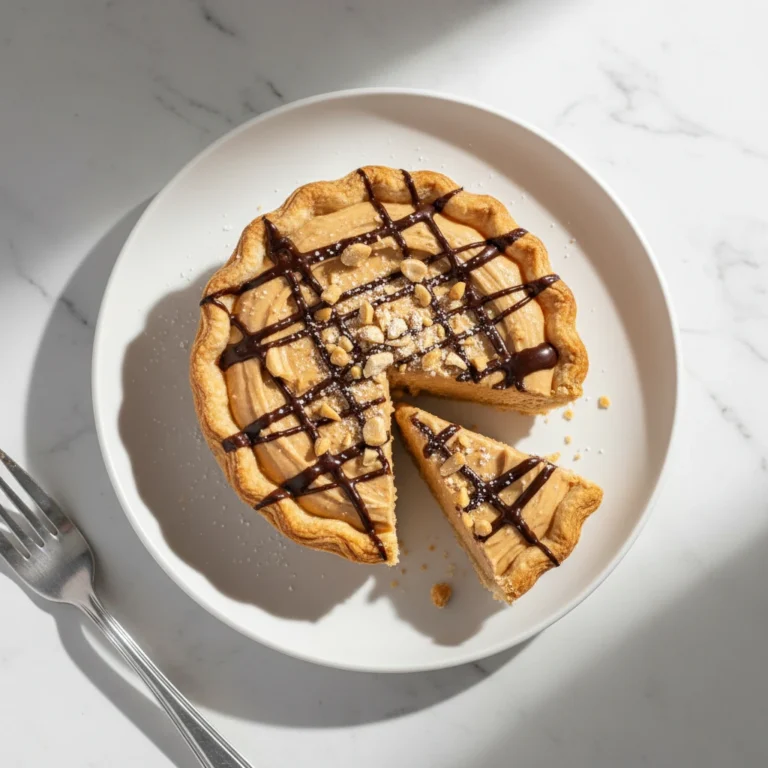
Indulgent, rich, and perfectly portion-controlled, mini peanut butter pies are a show-stopping dessert that combines buttery pastry shells with a silky peanut butter filling. These individual tarts bring sophisticated comfort to any occasion, offering the irresistible combination of nutty peanut butter, crispy crust, and chocolate drizzle. Ideal for dinner parties, potlucks, or a special treat at home, these mini pies are easier to make than traditional full-sized versions and deliver restaurant-quality results.
Reasons to Try Mini Peanut Butter Pies
These charming mini desserts offer multiple reasons to make them your next baking project:
- Individual Perfection: Each mini pie is its own complete dessert, making portion control natural and presentation effortless. No slicing required—simply serve and impress.
- Make-Ahead Friendly: Prepare shells ahead of time and fill just before serving, or bake the entire pie one day in advance. They store beautifully for up to three days.
- Impressive Yet Simple: Despite their sophisticated appearance, these pies require no advanced baking skills. Even novice bakers can create bakery-quality results.
- Crowd-Pleasing Flavor: The combination of creamy peanut butter, sweet filling, and chocolate topping appeals to virtually every palate. Perfect for potlucks or entertaining.
- Customizable: Easily adjust sweetness levels, add extra chocolate, use natural peanut butter, or incorporate fun toppings like crushed cookies or caramel drizzle.
- Cost-Effective: Made with pantry staples, these pies are budget-friendly compared to store-bought alternatives while tasting far superior.
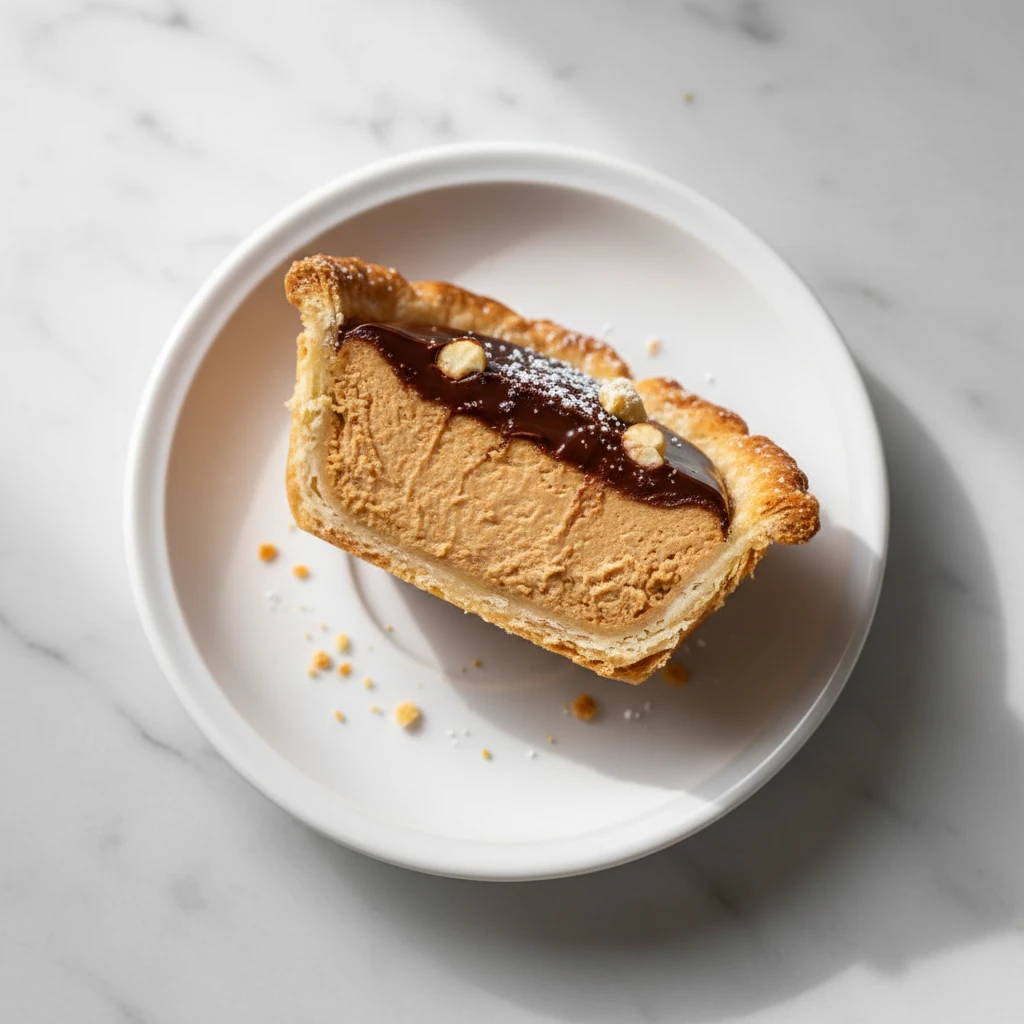 Save
SaveIngredients Notes
For the Pie Crust
- All-purpose flour
- Granulated sugar
- Salt
- Cold unsalted butter, cubed
- Ice water
For the Peanut Butter Filling
- Creamy peanut butter
- Granulated sugar
- Light brown sugar, packed
- Large eggs
- Heavy cream
- Vanilla extract
- Salt
For the Chocolate Topping and Garnish
- Semi-sweet chocolate chips
- Coconut oil or shortening
- Roasted peanuts, chopped
- Powdered sugar
How to Make Mini Peanut Butter Pies
For the Pie Crust
- Mix flour, sugar, and salt in a bowl.
- Cut in cold butter until mixture resembles coarse crumbs.
- Add ice water one tablespoon at a time, mixing gently until dough just comes together.
- Wrap dough in plastic wrap and chill for at least 30 minutes.
- Preheat oven to 375°F. Press dough into six 4-inch tartlet pans or a muffin tin.
- Prick bottoms with a fork and bake for 10 minutes until light golden.
For the Peanut Butter Filling
- Beat peanut butter with both sugars until combined.
- Add eggs one at a time, mixing well after each addition.
- Stir in heavy cream, vanilla, and salt.
- Pour filling into pre-baked shells, filling three-quarters full.
- Bake at 350°F for 15 to 18 minutes until filling is set but slightly jiggly in the center.
- Cool completely on a wire rack before refrigerating for at least 2 hours.
For the Chocolate Topping
- Melt chocolate chips with coconut oil in a microwave-safe bowl in 30-second intervals, stirring between each.
- Drizzle melted chocolate over cooled pies.
- Sprinkle with chopped peanuts and powdered sugar while chocolate is still warm.
- Refrigerate until chocolate is set, about 15 minutes.
What You Must Know About Mini Peanut Butter Pies
Butter Temperature is Critical: For a flaky crust, the butter must remain cold throughout. If your kitchen is very warm, chill your mixing bowl, beaters, and work surface before beginning. If dough becomes too warm and soft, stop, wrap it in plastic wrap, and refrigerate for 15 minutes before continuing.
Don’t Skip the Blind Baking Step: Pre-baking the empty crust (blind baking with weights) is essential. It prevents a soggy, undercooked bottom and ensures the crust is crispy and holds its shape when filled.
Watch for the Perfect Doneness: The filling should still jiggle slightly in the very center when done. Overbaking will result in a dry, dense texture; underbaking may leave the center too soft. The carryover cooking as the pies cool is your friend—trust it.
Chill Thoroughly Before Serving: These pies taste best when completely chilled. Cold filling is creamier and more flavorful. You can serve them directly from the fridge or let them sit at room temperature for 15 minutes before serving for a slightly softer, mousse-like texture.
Make-Ahead Strategy: Bake the pie shells up to 2 days ahead and store them in an airtight container at room temperature. Prepare the filling and bake the entire pies up to 3 days in advance. Add chocolate topping within 24 hours of serving for the best appearance.
Natural vs. Creamy Peanut Butter: Use creamy peanut butter (not chunky or natural) for the smoothest, most elegant filling. If using natural peanut butter, stir well to combine the oil and solids before measuring.
Helpful Tip — Easy Tartlet Pan Alternative: If you don’t have individual tartlet pans, a standard 6-cup muffin tin works perfectly. Line each cup with a small piece of parchment paper or foil before pressing dough in for easier removal.
Helpful Tip — Decorating Variations: For a more decadent presentation, drizzle with both dark and milk chocolate, add a sprinkle of sea salt flakes over the chocolate, or top with a small dollop of whipped cream and a whole roasted peanut just before serving.
Helpful Tip — Scaling the Recipe: This recipe easily doubles or triples. Multiply all ingredients accordingly, but bake times remain the same. Ensure your oven has enough space or bake in batches.
Variations and Substitutions
Chocolate Peanut Butter Filling: For a deeper chocolate-peanut flavor, reduce peanut butter to 3/4 cup and add 1/4 cup unsweetened cocoa powder mixed with an additional 2 tablespoons sugar to the filling mixture. Mix well before adding eggs.
Honey-Sweetened Version: Replace 1/4 cup of the granulated sugar with 3 tablespoons honey. This creates a more complex, slightly caramel-like sweetness. The filling will be slightly softer, so chill for an extra 30 minutes.
No-Bake Filling Alternative: For those avoiding baked eggs, substitute the filling with a no-bake version: beat 1 cup peanut butter with 1/2 cup powdered sugar, 1/4 cup unsalted butter, and 1/4 cup heavy cream until fluffy. Spoon into pre-baked cooled crusts and refrigerate 3 hours before topping with chocolate.
Salted Caramel Drizzle: Instead of chocolate, drizzle cooled pies with warm salted caramel sauce and top with fleur de sel or maldon sea salt for a sweet-salty contrast.
Graham Cracker Crust: Replace the traditional pie crust with a 50/50 mixture of graham cracker crumbs and melted butter (1 cup crumbs + 4 tablespoons butter), pressed into tartlet pans and baked at 350°F for 8 minutes. Fill as directed. This creates a nuttier, less delicate base.
Almond Butter Alternative: Use creamy almond butter in place of peanut butter for a more refined, slightly less sweet filling. Reduce sugar by 2 tablespoons and follow all other instructions.
Nutella Topping: Melt Nutella with 1 tablespoon coconut oil and drizzle over the cooled pies instead of chocolate chips for a hazelnut twist.
Vegan Version: Use store-bought vegan pie crust or make one using vegan butter. Replace eggs with 1/4 cup unsweetened applesauce mixed with 1/2 teaspoon baking powder. Use full-fat coconut milk instead of heavy cream. Vegan chocolate chips work for the topping.
Serving Suggestions for Mini Peanut Butter Pies
As an Elegant Dessert Plate: Serve each pie on a small white or neutral-colored plate with a light dusting of cocoa powder or powdered sugar in one corner. Add a small dollop of fresh whipped cream whipped with a touch of vanilla and a pinch of salt alongside. Place a single candied peanut or chocolate curl on top of the whipped cream for sophistication.
Casual Gathering Style: Arrange pies on a wooden board with small dessert plates and forks nearby. Set out small bowls of toppings—crushed roasted peanuts, chocolate shavings, and extra powdered sugar—allowing guests to customize their pies.
With Coffee or Tea: These pies pair beautifully with strong black coffee, espresso, or hot tea. The richness of the peanut butter filling balances perfectly with the bitter notes of dark roasted coffee.
Dessert Trio Presentation: Arrange one mini peanut butter pie with two small complementary desserts (such as a macaroon and fresh berry tart) on a single plate for a restaurant-style presentation at formal dinners.
Afternoon Treat: Serve at room temperature with cold milk or a milk-based drink. The slightly softer filling is more mousse-like when not chilled, offering a different textural experience.
Picnic or Outdoor Event: Mini pies are ideal for outdoor entertaining—they’re individual portions, travel well, and don’t require plates or utensils if wrapped individually in clear cellophane with a ribbon.
Garnish Ideas: Top with crushed pretzels for a sweet-salty contrast, add a drizzle of salted caramel, sprinkle with fleur de sel, dust with cocoa powder, or crown with a tiny scoop of vanilla ice cream served immediately before the ice cream melts into the warm pie.
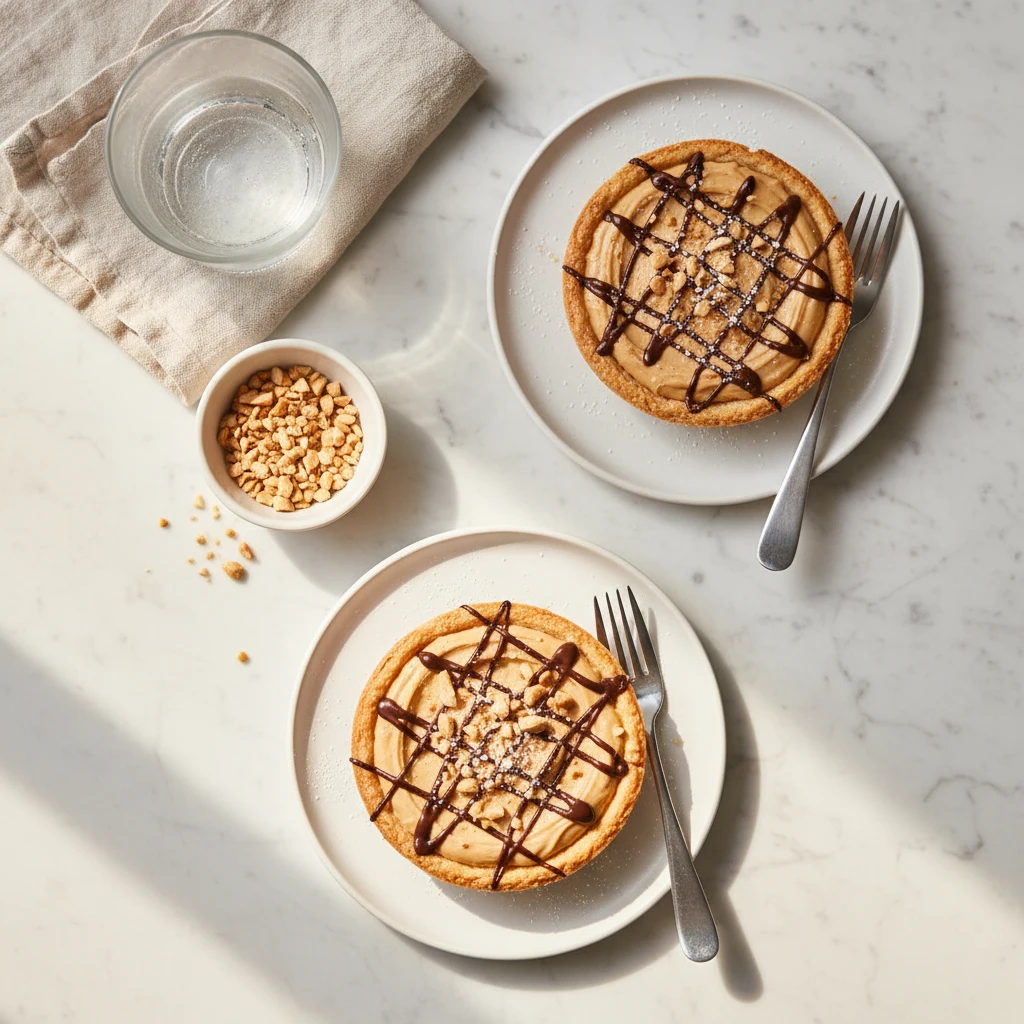 Save
SaveStorage and Reheating
Refrigerator Storage: Store cooled mini peanut butter pies in an airtight container in the refrigerator for up to 4 days. They taste best within 2-3 days, as the crust gradually softens with time. If you’ve added chocolate topping, separate pies with parchment paper to prevent sticking.
Freezer Storage: These pies freeze beautifully for up to 2 months. Place cooled, chocolate-topped pies on a baking sheet and freeze until solid (about 3 hours), then transfer to a freezer-safe container or zip-top bag, separating layers with parchment paper. Thaw in the refrigerator for at least 4 hours or overnight before serving.
Serving Temperature: Serve directly from the refrigerator for a firm, mousse-like texture, or remove from the fridge 15-30 minutes before serving for a softer, creamier filling. Do not serve at room temperature for more than 1 hour, as the filling may become too soft and lose its structure.
Reheating — Not Recommended: These pies are best served cold and do not require reheating. If the crust has softened and you prefer it crispier, you may place an individual pie in a 275°F oven for 5-8 minutes to warm gently and crisp the crust slightly, but the filling will warm as well and become less firm.
Individual Serving Storage: For gift-giving or individual servings, wrap each pie in clear cellophane or plastic wrap and refrigerate. Pies can be stored this way for up to 3 days. Include storage instructions on a small card if gifting.
Frequently Asked Questions about Mini Peanut Butter Pies
Can I use natural peanut butter instead of creamy peanut butter?
Natural peanut butter can be used, but it will result in a slightly grainier, less smooth texture. Stir the natural peanut butter very well to combine the oil and solids before measuring, and ensure it’s thoroughly mixed into the filling. Creamy peanut butter is recommended for the silkiest, most refined result. If using natural peanut butter, you may want to reduce the sugar slightly, as natural varieties are often less sweet.
How do I prevent my pie crust from shrinking too much during baking?
Crust shrinkage is caused by overworking the dough or not chilling it sufficiently. Mix the dough only until it just comes together, avoid overhandling when pressing it into the pans, and always chill the dough for at least 30 minutes before baking. Additionally, blind baking with weights prevents puffing and shrinkage. If shrinkage still occurs, let the crust rest in the pan for 15 minutes before baking—resting allows the gluten to relax.
What can I use instead of tartlet pans?
A standard 6-cup muffin tin works perfectly and produces the same delicious results. For easier removal, line each muffin cup with a piece of parchment paper or foil before pressing the dough in. You could also use a 4-inch tart pan with a removable bottom, or even improvise with small oven-safe bowls or ramekins, though these are less ideal and removal is trickier.
Can I make these pies ahead of time for a party?
Absolutely! These pies are excellent for make-ahead entertaining. Bake unfilled pie shells up to 2 days ahead and store in an airtight container at room temperature. Prepare the filled and baked pies up to 3 days in advance and refrigerate in an airtight container. Add the chocolate topping and garnish within 24 hours of serving for the best appearance. This strategy allows you to prepare most of the work in advance while ensuring fresh taste and appearance on serving day.
My filling cracked on top after baking. Is this normal and how do I prevent it?
Cracking indicates the filling may have overbaked or baked at too high a temperature. Aim for the target of a center that still jiggles slightly, and watch carefully during the final few minutes of baking—a small jiggle is perfect. If this occurs, reduce baking time by 1-2 minutes next time, or lower the oven temperature by 10-15°F. Remember that carryover cooking continues after removal from the oven. Minor cracking is cosmetic and won’t affect taste, but proper timing prevents it.
Can I use a store-bought pie crust instead of making my own?
Yes, you can substitute two disks of refrigerated pie dough or thawed frozen pie dough for the homemade crust. Follow the store-bought dough instructions for thawing and handling. Cut circles and press into tartlet pans, then blind bake as directed. The result will be slightly less flaky than homemade crust, but still delicious. One standard pie crust disk yields enough for two mini pies, so you may need additional dough to make six pies.
How do I know when the pies are perfectly baked?
The filling should appear set around the edges when gently shaken, with only a small jiggly area (about 1 inch) remaining in the very center. The crust should be light golden at the edges. This slight jiggle will set completely as the pie cools, resulting in a perfectly creamy texture. If the entire filling jiggles, bake 2 more minutes. If the center shows no movement at all, the pie may overbake slightly during cooling. Use an oven light and watch closely during the final 3 minutes.
Nutrition Facts (Per Serving)
| Nutrient | Per Serving |
|---|---|
| Calories | 385 |
| Total Fat | 26g |
| Saturated Fat | 10g |
| Unsaturated Fat | 14g |
| Cholesterol | 62mg |
| Sodium | 195mg |
| Total Carbohydrates | 38g |
| Dietary Fiber | 2g |
| Sugars | 28g |
| Protein | 10g |
| *Percent Daily Values are based on a 2,000 calorie diet. Individual needs may vary. | |
Dietary Notes: Each mini peanut butter pie is an indulgent dessert rich in protein (10g per serving), providing sustained energy and satisfaction. The peanut butter contributes healthy monounsaturated fats. These pies are not suitable for those with peanut allergies. The recipe contains eggs and dairy and is not vegan as written, though vegan substitutions are possible. Contains gluten unless using a gluten-free flour blend for the crust.

Mini Peanut Butter Pies
Ingredients
- 1 cup all-purpose flour
- 1/4 cup granulated sugar
- 1/2 teaspoon salt
- 6 tablespoons cold unsalted butter cubed
- 3 to 4 tablespoons ice water
- 1 cup creamy peanut butter
- 1/2 cup granulated sugar
- 1/4 cup light brown sugar packed
- 2 large eggs
- 1/4 cup heavy cream
- 1 teaspoon vanilla extract
- 1/4 teaspoon salt
- 1/2 cup semi-sweet chocolate chips
- 1 tablespoon coconut oil or shortening
- 2 tablespoons roasted peanuts chopped, for garnish
- 1 tablespoon powdered sugar for garnish
Instructions
- Prepare the workspace: Line a work surface with parchment paper and gather all ingredients. Chill a mixing bowl and beaters in the freezer for 10 minutes before starting the crust—this keeps butter cold and ensures a flaky texture.
- Make the pie crust dough (10 minutes prep): In a medium bowl, whisk together 1 cup all-purpose flour, 1/4 cup granulated sugar, and 1/2 teaspoon salt. Add 6 tablespoons cold unsalted butter cut into small cubes. Using a pastry cutter or two forks, work the butter into the flour mixture until it resembles coarse breadcrumbs with pea-sized pieces of butter visible throughout. This texture is essential—it creates flaky layers. Checkpoint: You know the texture is right when most butter pieces are the size of small peas and you see no large clumps.
- Hydrate the dough (5 minutes): Sprinkle ice water over the mixture one tablespoon at a time, gently tossing with a fork after each addition. Add only enough water until the dough just begins to hold together when squeezed—do not overwork it. The dough should feel slightly dry but clump when pressed. Checkpoint: When you squeeze a handful, it should hold shape without being wet or sticky.
- Chill the dough (30 minutes minimum, or up to 2 hours): Form dough into a disk, wrap tightly in plastic wrap, and refrigerate for at least 30 minutes. Cold dough is easier to work with and produces a crispier crust. If refrigerating longer than 30 minutes, remove from the fridge 5 minutes before rolling to soften slightly.
- Preheat oven and prepare tins (5 minutes): Position oven rack to the middle setting. Preheat oven to 375°F for 15 minutes. Lightly butter six 4-inch tartlet pans with removable bottoms or a standard 6-cup muffin tin. If using tartlet pans, place them on a large baking sheet for easy handling.
- Roll and fit the crust (8 minutes): Remove chilled dough from fridge and let it sit for 2 minutes. On a lightly floured surface, roll dough to 1/8-inch thickness. Using a 5-inch round cutter or small bowl as a guide, cut six circles from the dough. Carefully lift each circle and press it into a prepared tartlet pan or muffin cup, gently pressing the dough up the sides without tearing. Trim any excess dough flush with the rim. Checkpoint: Dough should line the bottom and sides evenly with no thin spots or holes.
- Blind bake the shells (12 minutes): Using a fork, prick the bottom of each crust 4 to 5 times to prevent puffing during baking. Cut six small squares of parchment paper or aluminum foil and press each gently into a shell. Add a handful of pie weights, dried beans, or uncooked rice to each to hold the parchment down (this prevents the crust from puffing up). Place the baking sheet in the preheated oven and bake for 10 minutes. Remove parchment and weights, then bake for an additional 2 minutes until the bottoms are set and very lightly golden—do not overbake or the edges will be too brown. Checkpoint: The crust should be pale golden and feel dry to the touch. If it looks wet or pale white, bake 1 minute more.
- Cool the crusts (10 minutes): Remove baking sheet from oven and let crusts cool on the sheet for 5 minutes, then transfer individual pies in their pans to a wire rack to cool completely. Do not remove pies from pans yet; they are still fragile.
- Make the peanut butter filling (8 minutes): While crusts cool, add 1 cup creamy peanut butter, 1/2 cup granulated sugar, and 1/4 cup packed light brown sugar to a medium bowl. Using an electric mixer on medium speed, beat for 2 minutes until the mixture is light, fluffy, and pale brown in color. This beating incorporates air and creates a lighter texture. Checkpoint: The mixture should look noticeably lighter in color and slightly increased in volume.
- Add eggs to filling (4 minutes): Reduce mixer speed to low. Add 2 large eggs one at a time, beating after each addition for about 30 seconds until fully incorporated. Scrape down the bowl with a spatula between additions to ensure even mixing. Do not overmix or the filling may become grainy. Checkpoint: After adding both eggs, the filling should be smooth with no visible egg streaks or lumps.
- Finish the filling (3 minutes): With mixer on low, add 1/4 cup heavy cream, 1 teaspoon vanilla extract, and 1/4 teaspoon salt. Mix for 30 seconds until just combined. The filling will be thick and creamy. Do not overmix. Checkpoint: The filling should be uniform in color with no swirls or streaks of unmixed ingredients.
- Lower oven temperature (2 minutes): After the crusts have cooled, preheat oven to 350°F. The lower temperature ensures the filling bakes gently without the edges browning or the filling curdling.
- Fill the pie shells (5 minutes): Divide the peanut butter filling evenly among the six cooled crusts, filling each about three-quarters full (approximately 3.5 tablespoons per pie). Leave about 1/4 inch of space at the rim to allow for slight expansion. Use a small spoon or ice cream scoop for even distribution. Checkpoint: All pies should have equal amounts of filling, and none should overflow the edges.
- Bake the pies (18 minutes): Place the baking sheet with filled pies in the preheated 350°F oven on the middle rack. Bake for 15 to 18 minutes. The filling should appear set around the edges but still slightly jiggly (about a 1-inch circle) in the very center when gently shaken. A gentle jiggle indicates carryover cooking will occur and the filling will set to perfect creaminess as it cools. If the center looks completely liquid, bake 2 more minutes and check again. Checkpoint: The filling should be mostly set with only a small jiggly center. The crust edges should be light golden. If the edges are browning too quickly, tent loosely with foil for the last 5 minutes.
- Cool the baked pies (at least 2 hours): Remove the baking sheet from the oven and place it on a wire rack. Let the pies cool at room temperature for 30 minutes until no longer hot to the touch. Then transfer them—still in their pans—to the refrigerator for at least 1.5 hours until completely chilled and firm. Cold filling is easier to remove from pans and has better texture. Checkpoint: Pies are ready when completely cold and the filling no longer jiggles when gently shaken. You can run a small thin knife around the edges to help release them if needed.
- Prepare the chocolate topping (5 minutes): Place 1/2 cup semi-sweet chocolate chips and 1 tablespoon coconut oil or vegetable shortening in a microwave-safe bowl. Microwave on 50% power in 30-second intervals, stirring thoroughly between each interval. Continue until the chocolate is completely melted and smooth (typically 2 to 3 intervals, or 60 to 90 seconds total). Do not overheat or the chocolate will become thick and grainy. Checkpoint: Chocolate should be completely smooth with no lumps. If it seems too thick, stir in an additional 1/2 teaspoon coconut oil.
- Remove pies from pans (5 minutes): Once the peanut butter filling is fully set and cold, carefully run a thin knife or small offset spatula around the inside edge of each tartlet pan, loosening the pie from the sides. Gently push up the removable bottom of each tartlet pan to release the pie, or invert the muffin tin carefully if using a muffin pan. Place cooled pies on a parchment-lined baking sheet or serving plate. If a pie sticks, return it to the refrigerator for 10 minutes to firm the filling, then try again.
- Drizzle with chocolate (3 minutes): Working with one pie at a time, spoon or drizzle the warm melted chocolate over the top of each cooled pie, creating a decorative pattern. You can drizzle back and forth across the top, create concentric circles, or cover the entire top—whichever you prefer. Use approximately 1.5 teaspoons of chocolate per pie. Checkpoint: Chocolate should be distributed evenly across the top with no large bare spots.
- Add garnish (2 minutes): While the chocolate is still warm and slightly tacky, sprinkle each pie with a small pinch of chopped roasted peanuts (approximately 1/2 teaspoon per pie). The warm chocolate helps the peanuts adhere. Dust very lightly with powdered sugar using a fine-mesh sieve—just a whisper of powder creates an elegant finish. Checkpoint: Garnishes should be evenly distributed and powdered sugar should be barely visible, not caked on.
- Set the chocolate (15 minutes): Place the decorated pies in the refrigerator for 15 minutes to allow the chocolate topping to set completely and become firm. Once set, the chocolate will crack slightly when you bite into it, creating a nice textural contrast with the creamy filling. Checkpoint: Gently tap the chocolate—it should be firm and no longer sticky.
- Final chill before serving (optional, up to 24 hours): For the best flavor and texture, store the finished pies in the refrigerator for up to 24 hours before serving. This allows all the flavors to meld and the filling to reach its creamiest, richest texture. Serve cold or at room temperature within 1 hour of removal from the fridge.