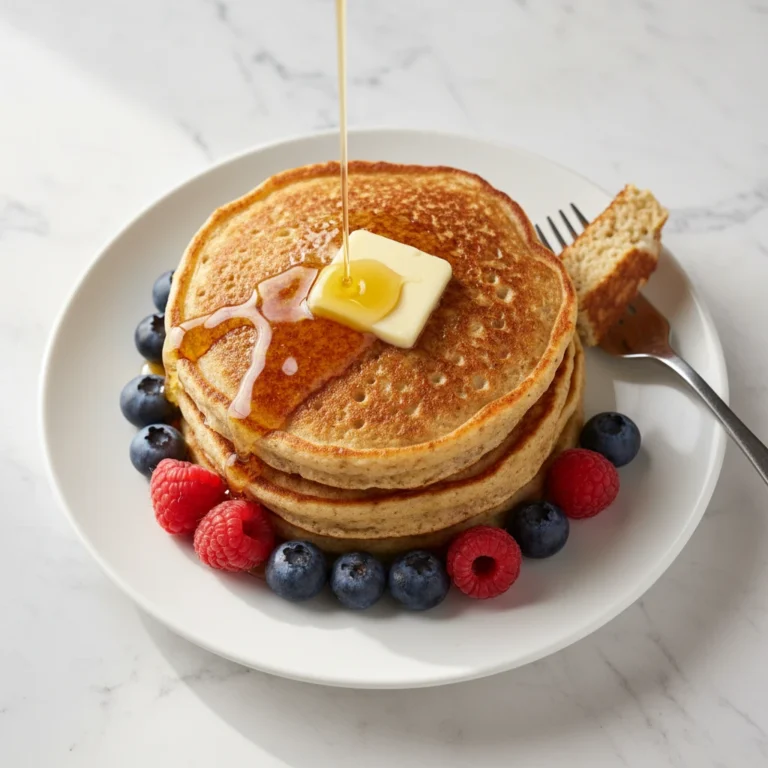
Oatmeal cottage cheese pancakes are a protein-packed breakfast that transforms two humble ingredients into fluffy, satisfying flapjacks. These pancakes combine creamy cottage cheese with hearty oatmeal to create a naturally thick batter that cooks into tender pancakes with a subtle nutty flavor. Perfect for meal prep or weekend brunch, they deliver sustained energy without the blood sugar spike of traditional pancakes. Whether you’re fueling up for an active day or simply seeking a delicious morning meal, these pancakes won’t disappoint.
Reasons to Try Oatmeal Cottage Cheese Pancakes
High in Protein: Cottage cheese and eggs combine to deliver nearly 15 grams of protein per serving, making these pancakes ideal for muscle recovery and keeping you full through mid-morning.
Naturally Sweetened: Applesauce and honey provide gentle sweetness without refined sugar, creating a more stable energy release than traditional syrup-laden pancakes.
Fiber-Rich Breakfast: Oatmeal adds soluble fiber that supports digestion and heart health. One serving delivers about 4 grams of dietary fiber.
Budget-Friendly Ingredients: Made from pantry staples and affordable proteins, these pancakes offer incredible value compared to trendy breakfast spots.
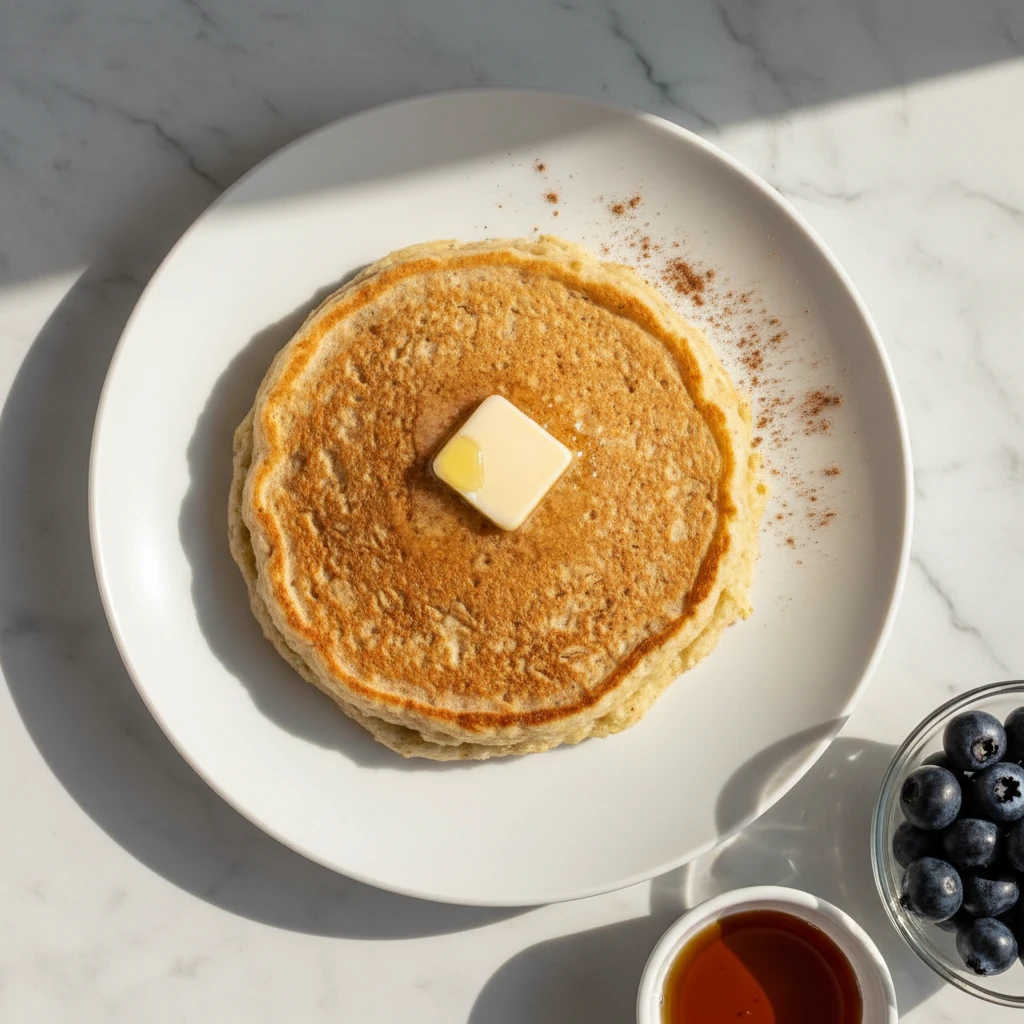
Texture That Impresses: The cottage cheese creates a uniquely creamy interior while the oatmeal ensures a hearty, satisfying bite. The exterior crisps beautifully, contrasting with the soft center.
Versatile and Customizable: Mix in chocolate chips, nuts, berries, or swapped spices. Serve with Greek yogurt, fresh fruit, nut butter, or traditional syrup—these pancakes adapt to any topping preference.
Make-Ahead Friendly: Freeze cooked pancakes and reheat for grab-and-go breakfasts throughout the week.
 Save
SaveIngredients Notes
- Old-fashioned rolled oats – Use whole oat groats rolled flat, not instant oats, which will make the batter too mushy.
- Cottage cheese – Full-fat or 2% works best; nonfat can result in dry pancakes. Blend smooth or leave slightly chunky depending on texture preference.
- Large eggs – Room temperature eggs blend more smoothly and create a lighter batter.
- Unsweetened applesauce – Replaces oil and adds moisture while keeping added sugar minimal. Unsweetened is essential to control sweetness.
- Honey – Adds natural sweetness and subtle floral notes. Maple syrup can substitute one-to-one.
- Vanilla extract – Pure vanilla enhances the overall flavor profile; imitation works but pure is preferred.
- Baking powder – Ensure it’s fresh and not clumpy for proper rising.
- Ground cinnamon, nutmeg, and salt – Warm spices complement both the oats and cottage cheese beautifully.
- Unsalted butter – For cooking without added salt; ghee or coconut oil are solid alternatives.
How to Make Oatmeal Cottage Cheese Pancakes
- Blend rolled oats into a coarse flour-like consistency using a food processor or blender, pulsing for 10-15 seconds.
- In a blender, combine cottage cheese, eggs, applesauce, honey, and vanilla until smooth and creamy.
- In a separate bowl, whisk together the oat flour, baking powder, cinnamon, nutmeg, and salt.
- Pour wet ingredients into dry ingredients and stir gently until just combined; do not overmix.
- Heat a non-stick skillet or griddle over medium heat and lightly butter the surface.
- Pour 1/4-cup portions of batter onto the hot surface, spacing them 2 inches apart.
- Cook for 2-3 minutes until edges look set and bubbles form on top, then flip carefully.
- Cook the second side for 1-2 minutes until golden brown.
- Transfer finished pancakes to a warm plate and serve immediately with desired toppings.
What You Must Know About Oatmeal Cottage Cheese Pancakes
Batter Thickness is Critical: These pancakes rely on a thicker batter than traditional recipes. If your batter seems too thick to pour, stir in water or milk 1 tablespoon at a time. If too thin, the cottage cheese won’t bind properly and pancakes may fall apart on the griddle.
Blend the Cottage Cheese Thoroughly: Any remaining lumps will create odd texture and won’t hydrate evenly. Blend until the mixture is smooth and creamy—this takes 30–45 seconds in a high-powered blender.
Don’t Overmix the Final Batter: Once you combine wet and dry ingredients, stir only until no streaks of dry flour remain. Overmixing activates gluten in the oat flour and makes pancakes tough and rubbery instead of light and tender.
Use Fresh Baking Powder: These pancakes depend entirely on baking powder for rise since there’s no flour with gluten to trap air. If your baking powder is more than 6 months old, replace it or pancakes will be dense and flat.
Temperature Management: Medium heat is your friend. Too hot and the outside burns before the inside cooks; too cool and pancakes cook unevenly and don’t brown properly. Let the skillet preheat for 2–3 minutes and test with a water droplet.
Cottage Cheese Brands Matter: Full-fat or 2% cottage cheese works best. Nonfat versions can produce dry, dense pancakes because they lack fat for moisture. Large-curd and small-curd varieties both work; choose based on whether you prefer visible texture or smoother results.
Batch Cooking Strategy: These pancakes are best served immediately but hold well for 5–10 minutes on a 200°F oven plate. Keep finished pancakes in the warm oven while cooking remaining batter so everyone eats hot pancakes together.
Make-Ahead and Freezing: Cool cooked pancakes completely on a wire rack, then freeze flat on a baking sheet. Once frozen solid, stack and store in an airtight container for up to 3 months. Reheat frozen pancakes in a 350°F toaster oven for 6–8 minutes or in a skillet over low heat.
Flexible Sweetness Control: The honey and applesauce provide subtle natural sweetness. For a less sweet pancake, reduce honey to 1 tablespoon. For a sweeter pancake or to balance tart cottage cheese, increase honey to 3 tablespoons.
Variations and Substitutions
Protein Boost Version: Add 2 tablespoons vanilla protein powder to the blender with wet ingredients and reduce baking powder to 1 teaspoon. This increases protein to nearly 18 grams per serving while keeping the texture light.
Berry-Filled Pancakes: Fold 1/2 cup fresh or frozen blueberries or raspberries into the finished batter just before cooking. Add an extra tablespoon of applesauce if using frozen berries to prevent excess moisture.
Chocolate Chip Version: Fold 1/2 cup mini semi-sweet chocolate chips into the batter after combining wet and dry ingredients. For a healthier version, use cacao nibs instead.
Nut Butter Swirl: Spoon 1 teaspoon almond butter or peanut butter onto each pancake immediately after pouring onto the griddle, then pour a tiny bit more batter over the top to seal it in. The nut butter creates a sweet pocket inside.
Pumpkin Spice Variation: Replace applesauce with 1/4 cup pumpkin puree and increase cinnamon to 1 teaspoon, add 1/4 teaspoon ground ginger. Reduce honey to 1 tablespoon since pumpkin is naturally sweet.
Greek Yogurt Substitution: Replace 1/2 cup cottage cheese with 1/2 cup plain Greek yogurt for tangier pancakes with similar protein content. Increase applesauce to 1/3 cup to maintain moisture.
Maple Sweetener Swap: Use 2 tablespoons pure maple syrup instead of honey for a deeper, more authentic maple flavor.
Gluten-Free Version: Replace rolled oats with certified gluten-free rolled oats. Pulse them the same way and add 1/4 teaspoon xanthan gum to the dry ingredients to help bind since GF oats contain less gluten structure.
Almond Flour Addition: Replace 1/4 cup of the pulsed oats with finely ground almond flour for a nuttier flavor and lower carb count. This creates a denser pancake, so do not add more almond flour than suggested.
Banana Spice Version: Mash 1/2 ripe banana and add to the blender with wet ingredients. Reduce applesauce to 2 tablespoons. This creates naturally sweeter, moister pancakes; reduce honey to 1 tablespoon.
Serving Suggestions for Oatmeal Cottage Cheese Pancakes
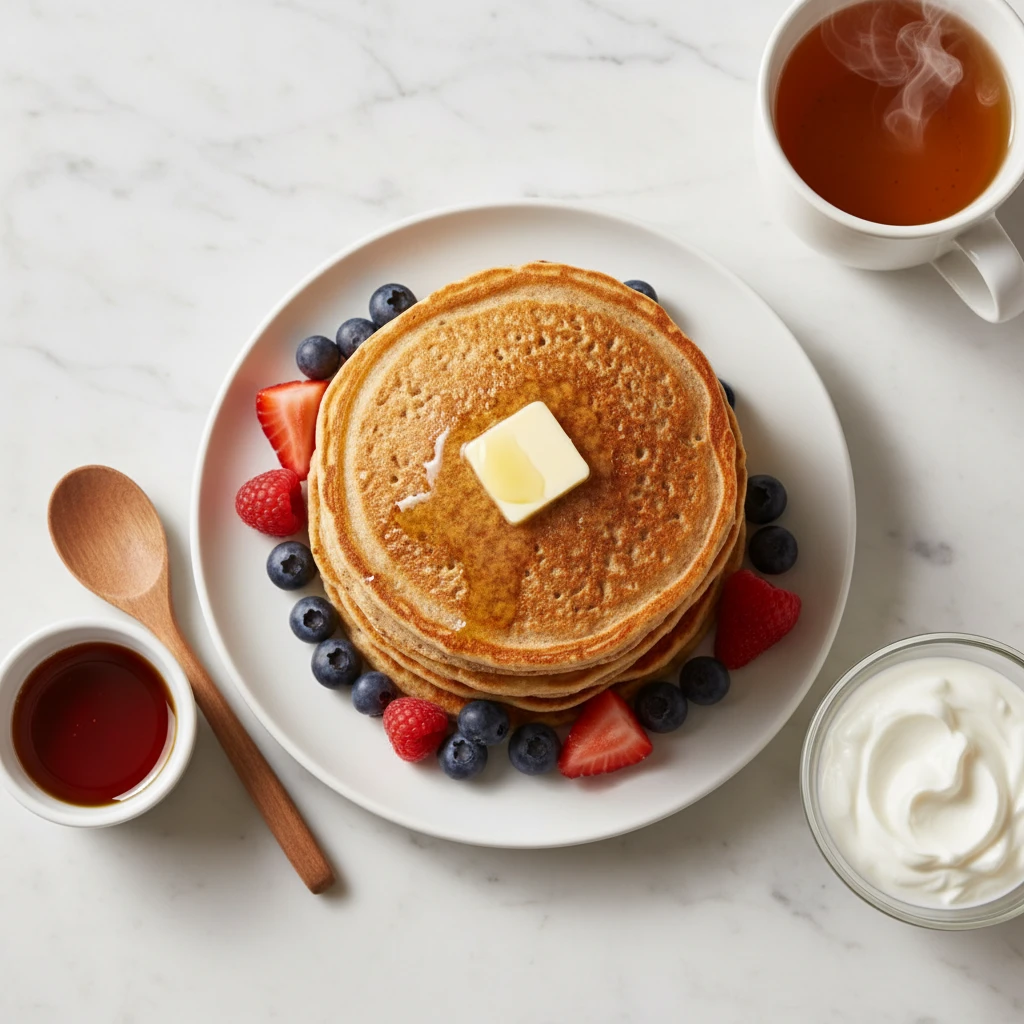
Classic Maple and Berry: Stack warm pancakes and drizzle with pure maple syrup. Top with fresh blueberries, raspberries, or sliced strawberries. Finish with a pat of unsalted butter melting into the warm syrup.
Greek Yogurt and Honey Drizzle: Serve pancakes with a generous dollop of Greek yogurt on the side and a thin drizzle of raw honey or warming spice honey infused with cinnamon and ginger.
Nut Butter and Banana: Spread 1 tablespoon almond or peanut butter on each warm pancake and top with sliced bananas and a sprinkle of sliced almonds or candied pecans.
Compote and Cream: Top pancakes with a warm berry compote made by gently simmering mixed berries with a touch of honey. Serve with a cloud of whipped Greek yogurt or coconut cream on top.
Savory Breakfast Bowl: Skip the syrup entirely. Serve pancakes alongside fried or scrambled eggs, crispy bacon or sausage, and sautéed spinach or kale. A small drizzle of whole grain mustard adds brightness.
Pumpkin Pie Style: For the pumpkin spice variation, top with cinnamon-spiced whipped Greek yogurt, a drizzle of blackstrap molasses, and toasted pepitas.
Brown Butter and Sage: Cook 2 tablespoons butter until it turns golden-brown and nutty (2–3 minutes). Pour over pancakes and garnish with fresh sage leaves and a pinch of fleur de sel.
Breakfast Sandwich: Let pancakes cool completely, then layer between two pancakes with scrambled eggs, cheese, and turkey sausage for a protein-packed grab-and-go meal.
Yogurt Parfait: Crumble cooled pancakes into a bowl and layer with Greek yogurt, granola, and fresh berries for a deconstructed parfait.
 Save
SaveStorage and Reheating
Room Temperature Storage: Cooked pancakes can sit on the counter for up to 2 hours covered with a clean kitchen towel. This is ideal if serving over an extended brunch period.
Refrigerator Storage: Layer cooled pancakes in an airtight container with parchment paper between each pancake to prevent sticking. Store in the refrigerator for up to 4 days. Ensure pancakes are completely cooled before sealing to prevent condensation and sogginess.
Freezer Storage: Cool pancakes completely on a wire rack (at least 30 minutes). Arrange single layer on a baking sheet and freeze for 2–3 hours until solid. Transfer frozen pancakes to an airtight freezer container or freezer bag, layering with parchment paper. Label with the date. Frozen pancakes keep for up to 3 months.
Toaster Oven Reheating (Best Method): Preheat toaster oven to 350°F. Place 2–3 pancakes directly on the rack or a baking sheet. Reheat for 5–8 minutes until warmed through and edges are lightly crispy. This method restores the pancake texture best.
Skillet Reheating: Heat a non-stick skillet over medium-low heat. Warm pancakes for 1–2 minutes on each side until heated through. This method works well for refrigerated pancakes but can dry out frozen ones.
Microwave Reheating (Quick Method): Place 1–2 pancakes on a microwave-safe plate. Cover loosely with a damp paper towel. Microwave on 50% power for 30–45 seconds for refrigerated pancakes or 60–90 seconds for frozen pancakes. The damp towel prevents excessive drying. Note: Microwaving may soften the pancakes compared to oven reheating.
Batter Storage: The mixed batter can be refrigerated in an airtight container for up to 24 hours. Stir gently before using (it may thicken slightly). Do not freeze unbaked batter as the leavening effect will diminish over time.
Frequently Asked Questions About Oatmeal Cottage Cheese Pancakes
Can I make these pancakes without a blender?
Yes, though texture will differ slightly. Finely mash cottage cheese with a fork until relatively smooth (small lumps okay). Whisk eggs, applesauce, and honey together in a bowl. Finely chop oats in a food processor or use store-bought oat flour. Combine all ingredients gently. The pancakes will have a slightly chunkier texture but will still cook well.
Are these pancakes gluten-free?
Yes, if you use certified gluten-free rolled oats and verify that baking powder contains no gluten. Oats are naturally gluten-free but are often cross-contaminated during processing. Look for certified packages. Add 1/4 teaspoon xanthan gum to the dry ingredients to help with binding.
Can I use flavored cottage cheese?
Plain cottage cheese is best for control over sweetness and flavor. Flavored varieties (like pineapple or peach) will add unexpected sweetness and flavor competition. Stick with plain full-fat or 2% for best results.
What if my pancakes fall apart when flipping?
This usually means the batter is too wet or the first side didn’t cook long enough. Ensure you see 4–6 bubbles breaking through the surface before flipping, which indicates the bottom is set and the structure is firm. If batter seems too thin, add 1 tablespoon applesauce or oat flour and fold gently.
Can I make these pancakes dairy-free?
Cottage cheese is difficult to replace one-to-one, but you can try using silken tofu blended with 2 tablespoons cashew cream or coconut cream. Use non-dairy milk as needed. The resulting texture will differ—more crepe-like than fluffy. For best results, this substitution requires experimentation.
How do I know if my pancakes are fully cooked?
Pancakes are done when both sides are golden brown and they feel set when gently pressed in the center (they should spring back, not leave an indent). If you’re uncertain, insert a toothpick into the center—it should come out clean or with no wet batter clinging to it.
Can I add protein powder to this recipe?
Yes. Add 2 tablespoons vanilla protein powder to the blender with the wet ingredients and reduce baking powder to 1 teaspoon. This prevents over-leavening. This increases protein to nearly 18 grams per serving. Vanilla, chocolate, or even coffee-flavored protein powder work well.
Why are my pancakes too dense?
Dense pancakes usually result from overmixing the batter (which overdevelops gluten), expired baking powder, or cottage cheese that wasn’t blended smooth. Use fresh baking powder, blend cottage cheese until completely smooth, and fold wet and dry ingredients just until no dry flour remains visible.
Nutrition Facts (Per Serving)
| Nutrient | Per Serving |
|---|---|
| Calories | 185 |
| Protein | 15g |
| Carbohydrates | 18g |
| Dietary Fiber | 4g |
| Fat | 6g |
| Saturated Fat | 2.5g |
| Sodium | 280mg |
| Sugar | 7g |
| Calcium | 95mg |
| Iron | 1.8mg |
Dietary Notes: These pancakes are high in protein and fiber, making them excellent for sustained energy and satiety. Naturally lower in refined sugar than traditional pancakes. Suitable for vegetarians. Easily adaptable for gluten-free diets with certified oats. Nutrition calculated based on 16 pancakes per batch (4 servings of 4 pancakes each).
Oatmeal Cottage Cheese Pancakes
Ingredients
- 1 cup old-fashioned rolled oats
- 1 cup cottage cheese
- 3 large eggs
- 1/4 cup unsweetened applesauce
- 2 tablespoons honey
- 1 teaspoon vanilla extract
- 1 1/2 teaspoons baking powder
- 1/2 teaspoon ground cinnamon
- 1/4 teaspoon salt
- 1/4 teaspoon nutmeg
- 2 tablespoons unsalted butter for cooking
- Maple syrup for serving
- Fresh berries for serving
- Greek yogurt for serving
Instructions
- Pulse the oats: Add 1 cup old-fashioned rolled oats to a food processor or high-powered blender. Pulse for 10–15 seconds, stopping when oats resemble coarse flour with some small flakes remaining. Do not over-blend into powder. Checkpoint: You should see a mix of small oat pieces and powder, not fine flour.
- Blend wet ingredients: In a blender, combine 1 cup cottage cheese, 3 large eggs, 1/4 cup unsweetened applesauce, 2 tablespoons honey, and 1 teaspoon vanilla extract. Blend on high for 30–45 seconds until completely smooth and creamy with no visible cottage cheese lumps. Checkpoint: The mixture should pour like thick cream and have a uniform pale color.
- Mix dry ingredients: In a medium bowl, whisk together the pulsed oat flour, 1 1/2 teaspoons baking powder, 1/2 teaspoon ground cinnamon, 1/4 teaspoon nutmeg, and 1/4 teaspoon salt. Whisk for 10 seconds to distribute the baking powder evenly. Checkpoint: No clumps should remain and the mixture should be light and fragrant.
- Combine wet and dry: Pour the blended wet mixture into the bowl of dry ingredients. Using a spatula or wooden spoon, gently fold together for 20–30 seconds, stirring only until no streaks of dry flour remain. The batter should look slightly thick and lumpy, not smooth. Checkpoint: Stop folding immediately when you see no more dry flour specks. Overmixing develops gluten and makes pancakes tough.
- Preheat the skillet: Place a non-stick skillet or griddle over medium heat (around 350°F if using an electric griddle). Let it heat for 2–3 minutes. Test readiness by flicking a tiny drop of water onto the surface—it should sizzle immediately and evaporate in 1–2 seconds.
- Butter the cooking surface: Add 1/2 tablespoon unsalted butter to the hot skillet, tilting to coat evenly. The butter should foam gently and smell nutty, not brown. If butter is browning, reduce heat slightly.
- Pour first batch: Using a 1/4-cup measuring cup or ladle, pour batter onto the skillet, spacing pancakes 2 inches apart (typically 2–3 pancakes per batch). Pour slowly and let the batter spread naturally—do not press or flatten. Checkpoint: Each pancake should be about 3 inches wide and 1/2 inch thick.
- Cook first side for 2–3 minutes: Let pancakes cook without moving them. After 60 seconds, look for a light tan color forming on the edges. Wait until you see 4–6 small bubbles breaking through the top surface and the edges appear dry and set (about 2–3 minutes total). The bottom should be golden brown but not dark. Checkpoint: Gently lift one pancake edge with a spatula—the bottom should release easily and be light golden, not pale or burnt.
- Flip carefully: Using a thin spatula, slide it completely under each pancake, pause for 1 second, then flip in one smooth motion. The uncooked top will spread slightly as it hits the pan—this is normal.
- Cook second side for 1–2 minutes: Let the flipped pancakes cook undisturbed for 1–2 minutes. The second side cooks faster because the pan is already hot and the batter is warming from below. Look for a light golden-brown color. Gently press the center with your finger—if it springs back immediately, the pancake is done. If it leaves an indent, cook 15–20 seconds more. Checkpoint: Both sides should be golden brown (not pale or burnt) and the pancake should feel set when pressed gently, not spongy.
- Transfer to serving plate: Place finished pancakes on a warm plate. Keep warm in a 200°F oven if making multiple batches. If stacking, insert parchment between layers so they don't stick.
- Repeat with remaining batter: Return skillet to medium heat, add another 1/2 tablespoon butter, and repeat steps 7–10 until all batter is used. You should have 12–16 pancakes total.
- Serve immediately: Serve warm pancakes within 5 minutes of cooking for best texture. Top with maple syrup, fresh berries, Greek yogurt, or nut butter as desired.