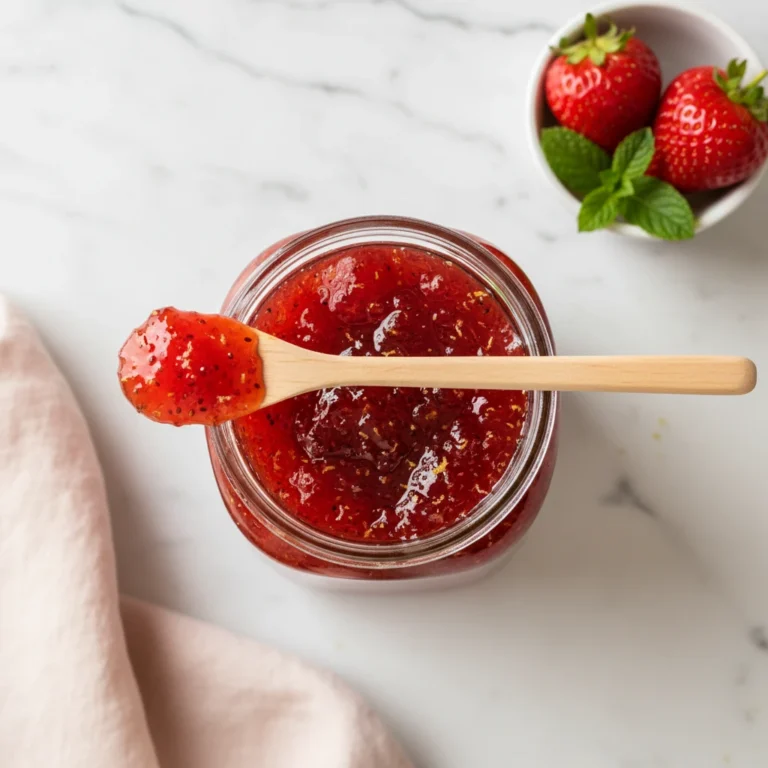
Strawberry freezer jam is a quick, no-cook method for preserving fresh berries that captures the essence of summer in every spoonful. Unlike traditional canned jam, this recipe requires no special equipment or heat processing—just simple ingredients mixed together and frozen. Perfect for busy home cooks, it delivers that bright, fresh strawberry flavor you’ll crave all year long, ready to spread on toast, swirl into yogurt, or top your favorite desserts.
Reasons to Try Strawberry Freezer Jam
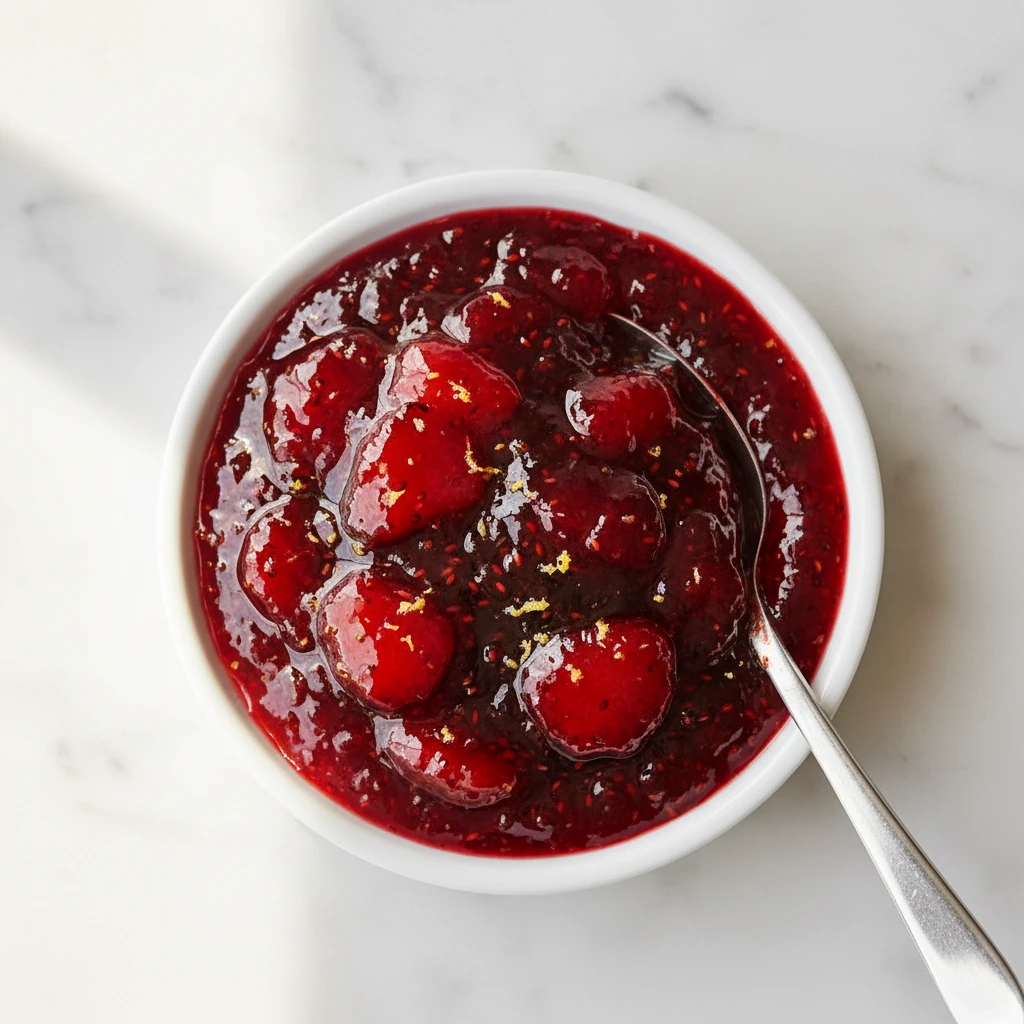
Fresh, Vibrant Flavor: Because there’s no cooking involved, the strawberries retain their natural, bright taste and beautiful color. You get that authentic fresh-picked flavor frozen in time, bursting with real fruit essence rather than the muted taste of traditional cooked jams.
No Special Equipment Needed: Say goodbye to canning pots, jars, and water baths. This jam requires only basic kitchen tools you already own—a bowl, spoon, and freezer containers. Perfect for beginners or anyone intimidated by traditional jam-making.
Ready in Minutes: Mix, measure, and freeze. There’s no standing over a hot stove for hours, no careful temperature monitoring. From start to finish, you’ll have homemade jam in under 15 minutes of active time.
Perfect Texture Every Time: The pectin ensures your jam sets properly without overcooking, creating that ideal spreadable consistency that holds its shape but melts beautifully on your tongue. No more runny experiments or overworked berries.
Year-Round Enjoyment: Store your jam in the freezer for up to one year. Thaw a container whenever you want that taste of summer, whether it’s January or July. It’s like having fresh strawberry season available whenever you need it.
Economical and Sustainable: Make jam when strawberries are in season and cheapest. Preserve the abundance for leaner months, reducing food waste and your grocery budget while supporting local farmers.
 Save
SaveIngredients Notes
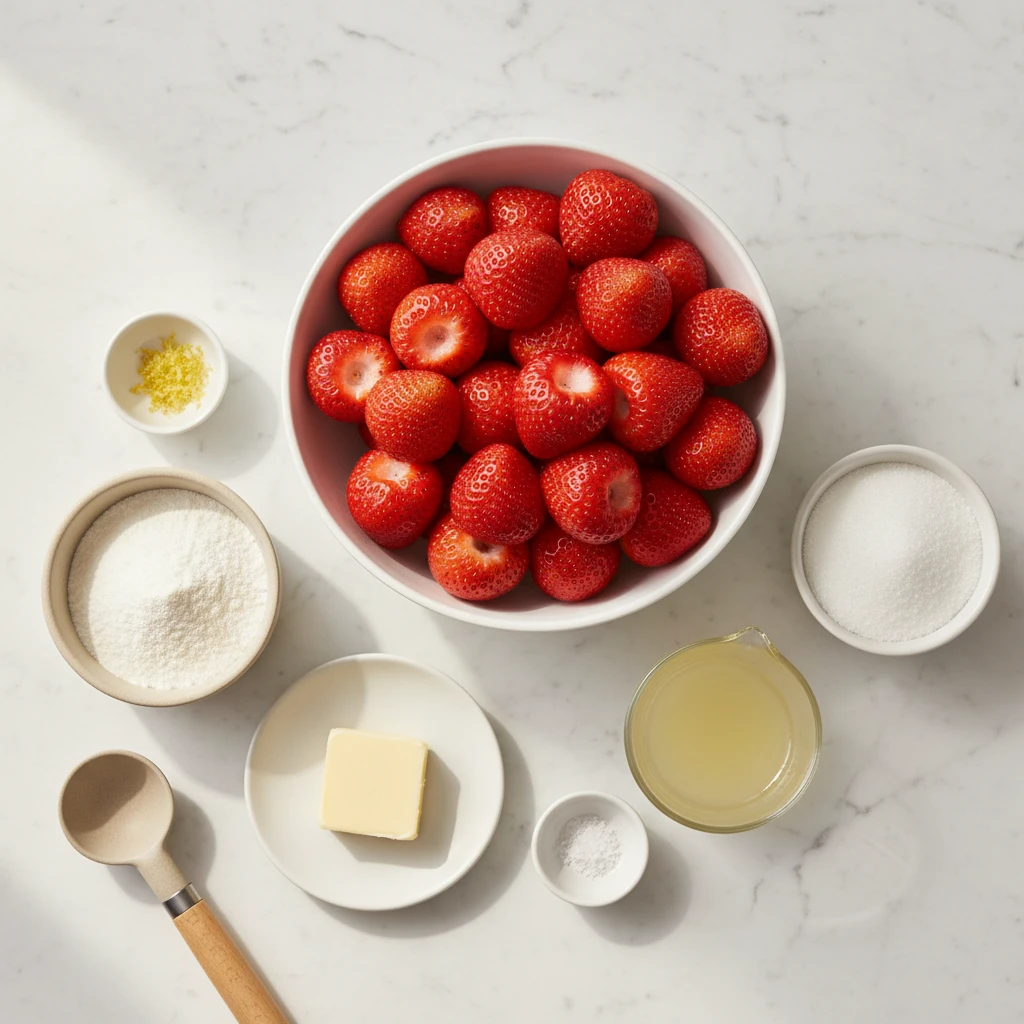
- Fresh strawberries – Choose ripe, red berries without soft spots. Frozen strawberries work in a pinch, though thaw them completely and drain excess liquid first.
- Granulated sugar – This is essential for both flavor and preservation. It works with pectin to help the jam set properly.
- Fresh lemon juice – Brightens the strawberry flavor and prevents browning. Bottled lemon juice works, but fresh tastes better.
- Lemon zest – Adds a subtle citrus complexity that makes the jam taste less one-dimensional. Use a microplane for finest texture.
- Powdered pectin – Look for “no-cook” or “instant” pectin specifically, not the liquid or regular types. Brands like Ball or Sure-Jell work perfectly.
- Butter – Just a small amount reduces foam during mixing. Skip if you prefer, though it helps with a cleaner finish.
- Salt – A tiny pinch balances sweetness and deepens the strawberry flavor. Don’t skip this.
 Save
SaveHow to Make Strawberry Freezer Jam
- Hull and wash fresh strawberries, then crush them into a chunky pulp in a large bowl. Don’t over-blend—you want texture, not puree.
- Combine strawberries with lemon juice, lemon zest, and salt in the same bowl and stir gently.
- Measure and mix the powdered pectin with 1/4 cup sugar in a separate small bowl to prevent lumping.
- Stir the pectin mixture into the strawberry mixture slowly, stirring constantly for about 2 minutes until well distributed.
- Add the remaining sugar gradually while stirring continuously for about 3 more minutes, until the sugar dissolves and the mixture thickens slightly.
- Add the butter and stir until melted and incorporated.
- Let the mixture rest at room temperature for 24 hours to fully set before transferring to freezer containers.
- Label containers with the date and freeze for up to one year. Thaw in the refrigerator before serving.
What You Must Know About Strawberry Freezer Jam
Use True Powdered Pectin: This recipe specifically requires powdered pectin labeled “no-cook” or “instant.” Regular cooking pectin or liquid pectin will not work the same way—the jam won’t set properly, and you may end up with a runny result. Read the package label carefully before purchasing.
Don’t Skip the 24-Hour Rest: This is not optional. The pectin needs this full time at room temperature to fully set and reach the proper consistency. Freezing it immediately will result in a watery, disappointing texture that won’t improve.
Crush, Don’t Puree: Use a potato masher or fork, never a blender. A smooth puree will make the jam feel more like baby food than homemade preserve. You want visible chunks of berry that burst on your tongue.
Measure Ingredients Precisely: Unlike some recipes that forgive approximation, jam-making requires accuracy. Use a kitchen scale for the strawberries if possible, and measure sugar carefully. Too much sugar makes it overly sweet and prevents proper setting; too little won’t preserve the jam as effectively.
Freeze Storage is Critical: This jam is not shelf-stable like traditional canned jam. It must be frozen to prevent mold and bacterial growth. Room-temperature storage will result in spoilage within days.
Thaw Properly Before Using: Always thaw in the refrigerator or at room temperature, never in the microwave. Microwaving can create hot spots that damage the jam’s texture and cause uneven warming.
Helpful Tips
Peak Flavor Starts at the Market: Buy strawberries at farmers markets or pick-your-own farms when possible. Vine-ripened berries taste infinitely better than supermarket strawberries that were picked too early. The quality of your final jam depends entirely on your starting berries.
Make it a Double Batch: This recipe doubles easily, and you’ll save time on prep if you’re already out hulling berries. Make jam for yourself and keep extra containers for gifts—homemade jam is one of the most appreciated presents.
Create Jam Gifts: Thaw a small container and transfer to a pretty jar with a handwritten label. Tie a ribbon around it. This is an elegant, personal gift that costs a fraction of store-bought preserves.
Freeze Some Thawed: Once thawed, keep one container in the refrigerator for easy spreading. Only pull more from the freezer as needed, so you always have fresh-tasting jam on hand.
Test Your Freezer Setting: Before making a full batch, test your freezer’s temperature with an inexpensive freezer thermometer. It should maintain 0°F or below. If warmer, the jam may crystallize or develop mold over months of storage.
Variations and Substitutions
Mixed Berry Version: Replace 1 pound of strawberries with raspberries, blackberries, or blueberries. The proportions stay the same, but reduce lemon juice to 1 tablespoon since berries other than strawberries tend to be more tart. The flavor will be more complex and sophisticated.
Vanilla-Scented Strawberry Jam: Add 1/2 teaspoon vanilla extract after the mixture thickens (in step 6). Don’t add it during resting, as it can evaporate. Vanilla deepens the strawberry flavor and adds subtle warmth.
Balsamic Strawberry Jam: Add 1 tablespoon good-quality balsamic vinegar in place of half the lemon juice. This creates a sophisticated, slightly tangy jam that pairs beautifully with cheeses and charcuterie. Reduce sugar to 2.75 cups if using balsamic.
No-Sugar-Added Version: Substitute the sugar with 2 cups erythritol or monk fruit sweetener (adjust to taste, as sweetness levels vary by brand). You may need to add 1 additional teaspoon of powdered pectin since pectin works best with sugar’s bulk. This works for low-carb and diabetic-friendly diets.
Strawberry-Rhubarb Fusion: Replace 1 pound strawberries with 1 pound fresh or frozen rhubarb, chopped into small pieces. Add 1/4 teaspoon cardamom powder for warmth. This creates a tart-sweet jam with an unexpected depth, perfect for pairing with vanilla yogurt.
Boozy Strawberry Jam: After the mixture sets, stir in 2 tablespoons Grand Marnier, Chambord, or quality balsamic vinegar. Add this only to thawed portions you’ll use soon (not to frozen reserves), as alcohol can interact unpredictably with long-term freezing. This elevates the jam for cheesecake toppings or sophisticated brunch dishes.
Citrus Variations: Use orange zest and juice instead of lemon for a brighter, sweeter profile. Or try a combination of lemon and lime zest for a more tropical twist. Keep the total zest at 1 tablespoon and juice at 2 tablespoons.
Serving Suggestions for Strawberry Freezer Jam
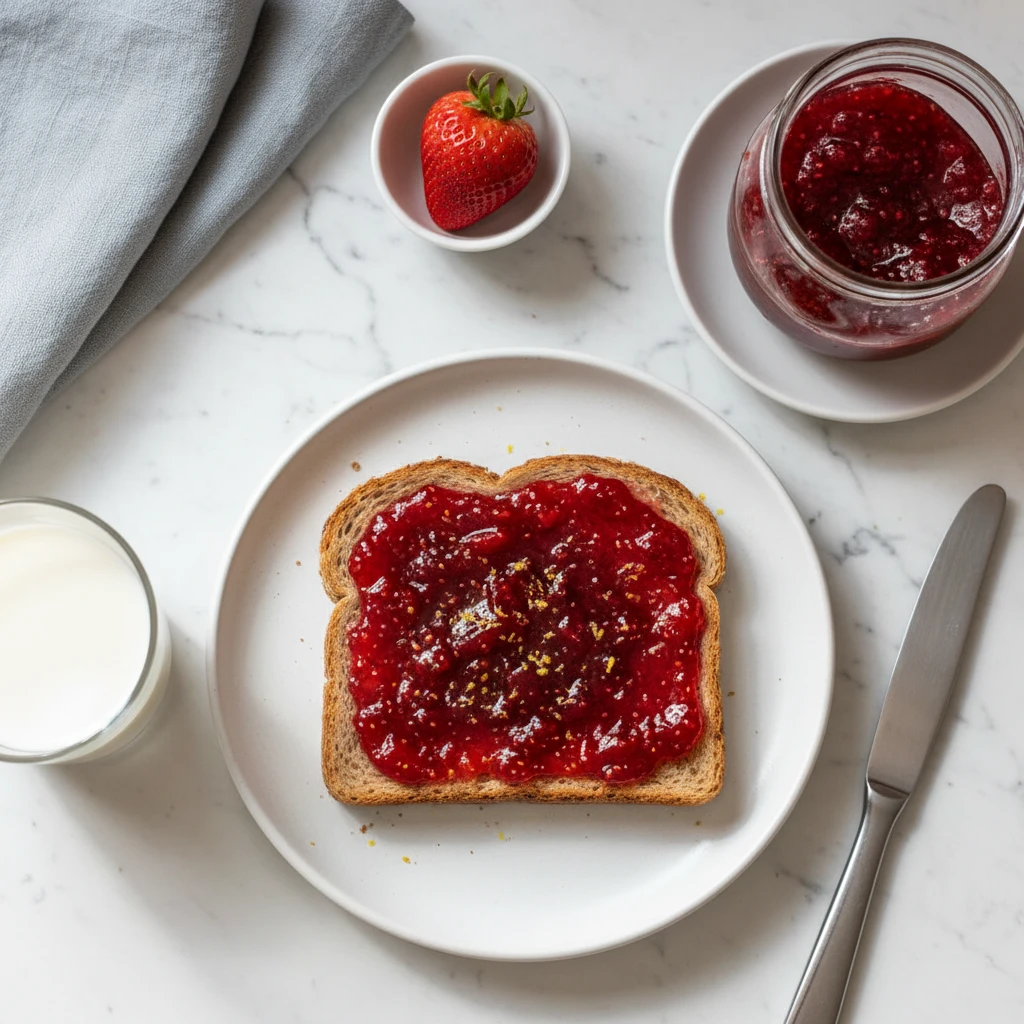
Classic Breakfast Spread: Thaw a container overnight in the refrigerator and spread generously on warm buttered toast, bagels, or English muffins at breakfast. The warmth of the toast slightly softens the jam, making it spread smoothly. Pair with cream cheese or cultured butter for richness.
Yogurt Parfait: Layer thawed jam with Greek yogurt and granola in a glass for an elegant, protein-packed breakfast or snack. The tartness of the yogurt balances the jam’s sweetness perfectly. Top with a handful of fresh berries for texture contrast if you have them on hand.
Pastry Filling: Use thawed jam to fill croissants, Danish pastries, or homemade thumbprint cookies. About 1 teaspoon per pastry is ideal. The chunky texture and fresh flavor elevate store-bought pastries or make your baking shine.
Cheesecake Swirl: Drop spoonfuls of thawed jam onto cheesecake batter before baking, then swirl with a knife to create a marbled effect. The jam sinks into the filling, creating pockets of strawberry throughout. This technique works beautifully with any rich dessert base.
Cocktail Garnish and Sweetener: Stir thawed jam into prosecco or champagne for a sparkling strawberry cocktail. Use about 2 tablespoons per glass. It dissolves into the bubbles, creating a rosy hue and fresh berry flavor. Perfect for brunch gatherings.
Meat Glaze: Brush thawed jam over roasted duck or ham during the last 5 minutes of cooking. The natural pectin creates a glossy finish while the berry-citrus profile complements rich meats. This is an elegant, unexpected application that impresses dinner guests.
Ice Cream Topping: Swirl thawed jam into vanilla, goat cheese, or honey ice cream just before scooping. The contrast of cold ice cream with bright, fruity jam creates a sophisticated dessert. Drizzle extra on top with a few crushed freeze-dried strawberries for garnish.
Gourmet Cheese Platter: Serve a small bowl of thawed jam alongside aged cheddar, brie, or gruyere on a charcuterie board. The tartness of the jam cuts through the richness of the cheese, creating a perfect bite. Provide water crackers or thinly sliced bread for spreading.
Linen-Lined Presentation: For gift-giving or special occasions, place a small spoonful of jam on the center of a white plate, then nestle it with a quenelle (oblong scoop) of whipped cream or crème fraîche. Garnish with a single fresh strawberry leaf or a tiny edible flower. This simple plating looks restaurant-quality.
 Save
SaveStorage and Reheating
Freezer Storage: Strawberry freezer jam can be stored in the freezer at 0°F or below for up to 12 months. Use freezer-safe plastic containers with airtight lids or freezer bags with as much air removed as possible. Glass jars work too, but allow 1/2 inch of headspace to prevent cracking as the jam expands when frozen. Label each container with the date for easy tracking.
Thawed Storage: Once thawed, the jam should be stored in the refrigerator in a covered container and used within 3 weeks. Do not re-freeze thawed jam—this breaks down the pectin structure and causes separation or graininess. If you have leftover thawed jam, use it within the 3-week window for best quality and food safety.
Proper Thawing Method: For best results, thaw jam overnight in the refrigerator (8–12 hours). This allows the texture to set evenly and flavors to meld. If you’re in a hurry, let it thaw at room temperature for 2–3 hours, but avoid the temptation to microwave, which can create hot spots and damage the pectin-set structure. Never thaw in direct sunlight, as this can affect color and flavor.
Signs of Spoilage: Before eating thawed jam, check for mold, an off smell, or fermentation bubbles. If you notice any of these signs, discard the container immediately. Freezer jam should smell fresh and fruity when thawed. Any sour, rotten, or fermented odor indicates spoilage.
Preventing Freezer Burn: To avoid freezer burn, which can cause icy crystals and dried-out texture, wrap containers in plastic wrap before placing in freezer bags, or use vacuum-seal bags if available. Ensure the freezer temperature remains stable at 0°F or below—fluctuations from opening and closing the door can promote ice crystal formation over time.
Frequently Asked Questions about Strawberry Freezer Jam
What’s the difference between freezer jam and traditional canned jam?
Freezer jam requires no cooking, canning equipment, or heat processing—just mix, rest, and freeze. It captures the fresh, bright strawberry flavor because the berries aren’t heated. Traditional canned jam is cooked to high temperatures, which develops a richer, more complex flavor but loses some of the fresh berry taste. Canned jam is shelf-stable for years; freezer jam must stay frozen and only lasts 3 weeks once thawed. Both are delicious for different reasons.
Can I use frozen strawberries instead of fresh?
Yes, but thaw them completely first and drain off excess liquid. Frozen berries often release a lot of water when thawed, which can make your jam too runny. After draining, measure them and proceed as normal. The flavor will be nearly identical to fresh, though the texture may be slightly softer since freezing breaks down cell walls. Add the extra liquid gradually during stirring to adjust consistency if needed.
Why didn’t my jam set after 24 hours?
The most common cause is using the wrong type of pectin—regular or liquid pectin won’t work for no-cook jam. You need “instant” or “no-cook” pectin specifically. Other reasons include not stirring long enough when adding pectin (stir vigorously for the full 2 minutes), measuring ingredients inaccurately, or not waiting the full 24 hours for setting. If this happens, stir in 1 teaspoon of powdered pectin mixed with 2 tablespoons sugar, let it rest another 12 hours, then freeze. Next time, ensure you’re using the correct pectin type and measure carefully.
Is freezer jam safe to eat, and does it go bad?
Yes, freezer jam is completely safe when stored properly at 0°F or below. The combination of sugar and freezing prevents bacterial growth and mold. Once thawed, it must be refrigerated and used within 3 weeks. Check thawed jam for any signs of mold, off-smells, or fermentation before eating. If stored at warmer freezer temperatures (above 0°F), it may develop ice crystals, freezer burn, or crystallization over time, which affects texture but isn’t unsafe. Always keep it frozen until ready to use.
Can I reduce the sugar in this recipe?
Partially, yes. Sugar serves two purposes: flavor and the chemical reaction that helps pectin set. You can reduce it by up to 25% (to about 2.25 cups), but reducing more than that may prevent proper setting. For lower-sugar options, use sugar substitutes like erythritol or monk fruit sweetener, but know that you may need to add an extra 1/2 teaspoon of powdered pectin to compensate. Taste as you go and adjust sweetness before the 24-hour rest period.
What should I do if my jam turned out grainy or crystallized?
Graininess usually indicates too much sugar crystallized, possibly from storing at fluctuating temperatures or too much pectin. To fix thawed jam, gently warm it (never boil) over low heat, stirring constantly, and add 1–2 tablespoons of lemon juice or water to dissolve the crystals. Cool it completely, then either refreeze or refrigerate for use. For future batches, ensure your freezer maintains a steady 0°F, stir ingredients thoroughly, and don’t exceed the sugar amount called for in the recipe.
Can I make this recipe in large batches for gifts?
Absolutely! This recipe doubles or triples easily. Keep the ingredient ratios the same and allow the full 24-hour rest time—don’t rush the setting process even with a larger batch. Use multiple containers so you can gift smaller portions. Homemade freezer jam is an elegant, thoughtful gift. Include instructions for thawing and storage so recipients know how to enjoy it. Label with the jam name, date made, and storage instructions for professionalism.
Nutrition Facts (Per Serving)
| Nutrient | Amount per Serving | % Daily Value |
|---|---|---|
| Calories | 172 kcal | — |
| Total Carbohydrates | 43g | 16% |
| Dietary Fiber | 1.2g | 5% |
| Sugars | 41g | — |
| Total Fat | 0.2g | 0% |
| Saturated Fat | 0g | 0% |
| Protein | 0.4g | 1% |
| Sodium | 25mg | 1% |
| Vitamin C | 8mg | 13% |
| Potassium | 78mg | 2% |
Note: Nutrition facts are estimates based on a 2-tablespoon serving (approximately 1/16 of the recipe, yields about 16 servings). Since strawberry freezer jam is typically used as a condiment in small portions, actual servings per batch are higher. Values may vary based on specific ingredient brands and preparation methods. This jam is naturally high in sugar and carbohydrates due to the preserving requirements; consider portion sizes accordingly.
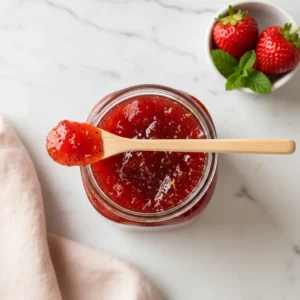
Strawberry Freezer Jam
Ingredients
- 2 pounds fresh strawberries
- 3 cups granulated sugar
- 2 tablespoons fresh lemon juice
- 1 tablespoon lemon zest
- 1 package powdered pectin 1.75 ounces
- 1/4 teaspoon butter
- Pinch of salt
Instructions
- Rinse 2 pounds of fresh strawberries under cool water for 1–2 minutes until clean. Pat dry with paper towels.
- Hull each strawberry by removing the green top and white core using a small paring knife or hulling tool. Takes about 10 minutes total.
- Place hulled strawberries in a large bowl and crush them with a potato masher or fork until they release their juices and become chunky. Should take 3–5 minutes. Checkpoint: You should see juice pooling and berries breaking apart, but still have visible chunks—not a smooth puree.
- Add 2 tablespoons fresh lemon juice and 1 tablespoon lemon zest (use a microplane to zest the lemon) to the crushed strawberries. Stir gently for 30 seconds. Checkpoint: The mixture should look bright red with visible zest specks throughout.
- In a small separate bowl, whisk together 1 package powdered pectin (1.75 ounces) and 1/4 cup of the granulated sugar for 30 seconds until no lumps remain. This prevents the pectin from clumping. Checkpoint: The mixture should look like smooth sand with no visible pectin clumps.
- Slowly pour the pectin-sugar mixture into the strawberry bowl while stirring constantly with a wooden spoon. Stir vigorously for exactly 2 minutes. You'll feel the mixture start to thicken. Checkpoint: The mixture should be noticeably thicker and the pectin should be fully incorporated with no gritty texture.
- Add the remaining 2.75 cups sugar to the strawberry mixture gradually (in 3–4 additions) while stirring constantly. After each addition, stir for 30–45 seconds before adding more. Total stirring time for this step should be about 3 minutes. Checkpoint: The sugar should dissolve completely and the mixture should coat the back of a spoon, thickening more with each addition.
- Add 1/4 teaspoon butter to the mixture and stir for 30 seconds until the butter melts and incorporates. A pinch of salt should also be stirred in. Checkpoint: The mixture should be uniform, glossy, and no foam should be visible on the surface.
- Skim off any foam from the top of the jam using a spoon and discard. This takes 1–2 minutes and improves the appearance. Checkpoint: The surface should be relatively smooth and foam-free.
- Let the jam rest at room temperature (68–72°F) for exactly 24 hours in the bowl. Do not stir or move it during this time. The mixture will continue to thicken as the pectin fully sets. Checkpoint: After 24 hours, the jam should jiggle slightly when you shake the bowl but hold its shape on a spoon. If it's still too thin, stir in 1 teaspoon additional powdered pectin mixed with 2 teaspoons sugar.
- Once set, ladle or spoon the jam into clean freezer-safe containers (plastic or glass) or freezer bags, leaving 1/2 inch headspace to allow for expansion. Wipe the rims clean.
- Label each container with "Strawberry Freezer Jam" and today's date using a permanent marker.
- Freeze at 0°F or below for up to 12 months. To use, thaw a container in the refrigerator overnight (8–12 hours) or at room temperature for 2–3 hours. Once thawed, refrigerate and use within 3 weeks.