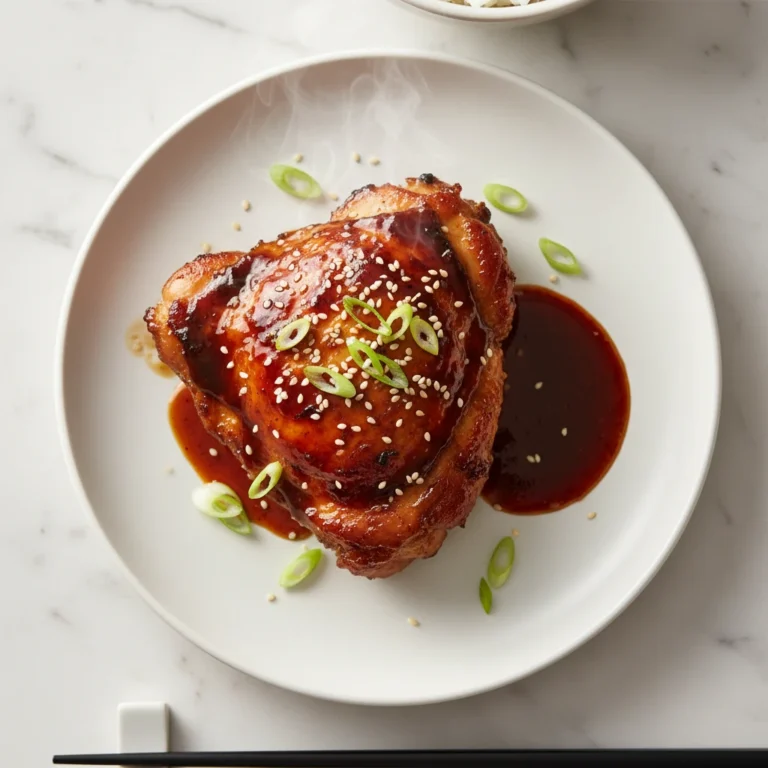
Discover the magic of teriyaki chicken thighs, a restaurant-quality dish that’s surprisingly simple to make at home. Chicken thighs, with their rich flavor and tender texture, are the perfect canvas for a glossy, umami-packed teriyaki glaze. This Japanese-inspired recipe delivers caramelized, sticky-sweet chicken with a savory depth that keeps diners coming back for seconds. Perfect for weeknight dinners or impressing guests.
Reasons to Try Teriyaki Chicken Thighs
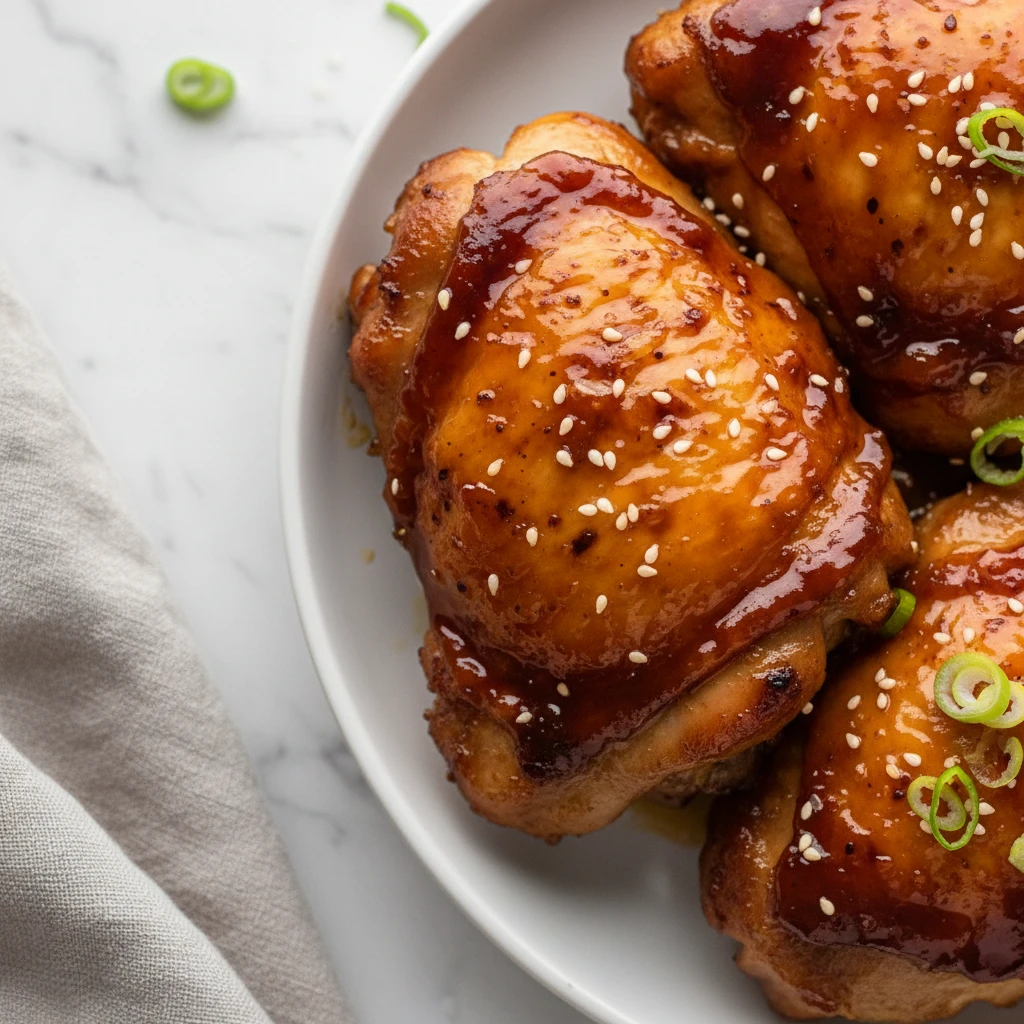
Juicy, Tender Meat: Chicken thighs stay moist and flavorful compared to breast meat, making them ideal for this cooking method. The skin crisps beautifully while the meat beneath becomes incredibly tender.
Deep Umami Flavor: The teriyaki glaze combines soy sauce, mirin, and honey to create layers of savory, sweet, and complex flavors. Garlic and ginger add aromatic depth that elevates every bite.
Crispy Skin, Silky Glaze: This recipe achieves the best of both worlds—golden, crispy skin on the outside with a glossy, caramelized teriyaki coating that clings to every piece.
Quick and Easy: Ready in under 45 minutes, this dish fits perfectly into busy weeknight schedules without compromising on taste or presentation.
Versatile and Crowd-Pleasing: Teriyaki chicken works over rice, noodles, or alongside vegetables. It’s a favorite among both traditional and adventurous eaters.
Restaurant-Quality at Home: Achieve that restaurant-caliber gloss and flavor profile in your own kitchen with minimal ingredients and straightforward technique.
 Save
SaveIngredients Notes
- Chicken thighs—bone-in, skin-on thighs provide the best flavor and texture; pat dry before cooking for crispy skin
- Soy sauce—use low-sodium if you prefer to control saltiness, or regular for authentic depth
- Mirin—this sweet Japanese rice wine is essential for authentic teriyaki; do not substitute with sugar alone
- Honey—adds extra sweetness and helps create the glossy caramel coating
- Rice vinegar—provides acidity to balance the sweetness; plain rice vinegar works best
- Fresh garlic and ginger—minced fresh versions deliver vibrant flavor; avoid pre-minced jarred varieties
- Cornstarch slurry—creates the signature glossy, thickened glaze; dissolve in water before adding
- Sesame oil—toasted sesame oil adds a final aromatic flourish; drizzle at the end
- Green onions and sesame seeds—traditional garnishes that add color, texture, and authentic presentation
How to Make Teriyaki Chicken Thighs
- Pat chicken thighs dry and season generously with salt and pepper on both sides.
- Heat vegetable oil in a large skillet over medium-high heat until shimmering.
- Place chicken thighs skin-side down and sear for 6–8 minutes until skin is golden and crispy, then flip and cook for 3 minutes more.
- In a small bowl, combine soy sauce, mirin, honey, rice vinegar, minced garlic, and minced ginger.
- Pour the teriyaki mixture over the chicken, then reduce heat to medium and simmer for 10 minutes, turning chicken occasionally to coat.
- In another small bowl, mix cornstarch with water to create a slurry, then slowly stir it into the simmering sauce.
- Continue cooking for 3–5 minutes, stirring gently, until the glaze thickens and coats the chicken.
- Drizzle with sesame oil, then garnish with sliced green onions and sesame seeds before serving.
What You Must Know About Teriyaki Chicken Thighs
Pat Chicken Completely Dry: This is the single most important step for achieving crispy skin. Any moisture on the surface will steam the skin instead of crisping it. Use paper towels and take your time—don’t rush this step.
Don’t Move the Chicken Too Early: Resist the urge to move or flip the chicken during the initial sear. The skin needs 6–8 uninterrupted minutes of direct contact with the hot oil to develop a golden, crispy exterior. Moving it too early will prevent proper browning.
Use Fresh Ginger and Garlic: Pre-minced jarred versions contain preservatives and lack the vibrant, sharp flavor of fresh ingredients. For the best teriyaki, take two minutes to mince fresh garlic and ginger—it makes a noticeable difference.
Mirin Is Non-Negotiable: This sweet Japanese rice wine is essential for authentic teriyaki glaze. Regular sugar will make the dish overly sweet without the subtle depth mirin provides. Find it in the Asian section of most grocery stores.
Temperature Control Matters: Start at medium-high heat for searing, then reduce to medium for simmering. If the heat is too high, the glaze will caramelize too quickly and may burn. If it’s too low, the glaze won’t reduce and the chicken won’t brown properly.
Cornstarch Slurry Technique: Always mix cornstarch with water (not directly into the hot sauce) before adding it to the skillet. This prevents lumps from forming. Add it slowly while stirring constantly for a smooth, glossy glaze.
Timing Is Key: The total cooking time after searing is about 15 minutes (10 minutes simmering + 3–5 minutes glaze thickening). Don’t rush this; the glaze needs time to reduce and cling to the chicken for maximum flavor and visual appeal.
Helpful Tips: Serve immediately over steamed jasmine rice or alongside roasted vegetables to capture every drop of the glossy glaze. For extra flavor, spoon some glaze directly onto the rice. If making for a crowd, you can prepare the teriyaki sauce (step 5) up to 2 days ahead—just reheat it gently before using. For a healthier version, use low-sodium soy sauce and reduce the honey by half.
Variations and Substitutions
Spicy Teriyaki Chicken Thighs: Increase red pepper flakes to 1/2 teaspoon, add 1 teaspoon sriracha or gochujang to the teriyaki sauce, or top with fresh sliced Thai red chili before serving. The heat complements the sweet glaze beautifully.
Garlic Lovers’ Version: Increase minced garlic to 5–6 cloves, or add 1/2 teaspoon garlic powder to the sauce. Roasted garlic cloves can also be added whole during the final simmering stage.
Ginger-Forward Teriyaki: Double the fresh ginger to 2 tablespoons for a more pronounced spicy ginger flavor, or add 1/4 teaspoon ground ginger for additional depth.
Pineapple Teriyaki (Thai-Inspired): Add 1/4 cup pineapple juice to the teriyaki mixture and reduce the honey by 1 tablespoon. Top with fresh pineapple chunks and cilantro instead of green onions. This adds tropical sweetness and freshness.
Orange-Glazed Variation: Replace rice vinegar with 1 tablespoon fresh orange juice and add 1/2 teaspoon orange zest to the sauce. This brightens the glaze and adds subtle citrus notes.
Sake Substitution: If mirin is unavailable, combine 2 tablespoons sake (or dry white wine) with 2 tablespoons sugar as a makeshift mirin. This won’t be identical, but will work in a pinch.
Low-Sodium Version: Use low-sodium soy sauce and add 1/2 teaspoon miso paste to deepen the flavor without extra salt. Reduce total soy sauce to 1/3 cup.
Honey-Free Option: Replace honey with agave syrup or maple syrup for a different sweetness profile. Maple adds deeper, earthier notes.
Protein Swaps: This teriyaki glaze works beautifully with bone-in chicken breasts (increase cooking time to 15–18 minutes), pork chops, salmon fillets, or firm tofu cubes.
Serving Suggestions for Teriyaki Chicken Thighs
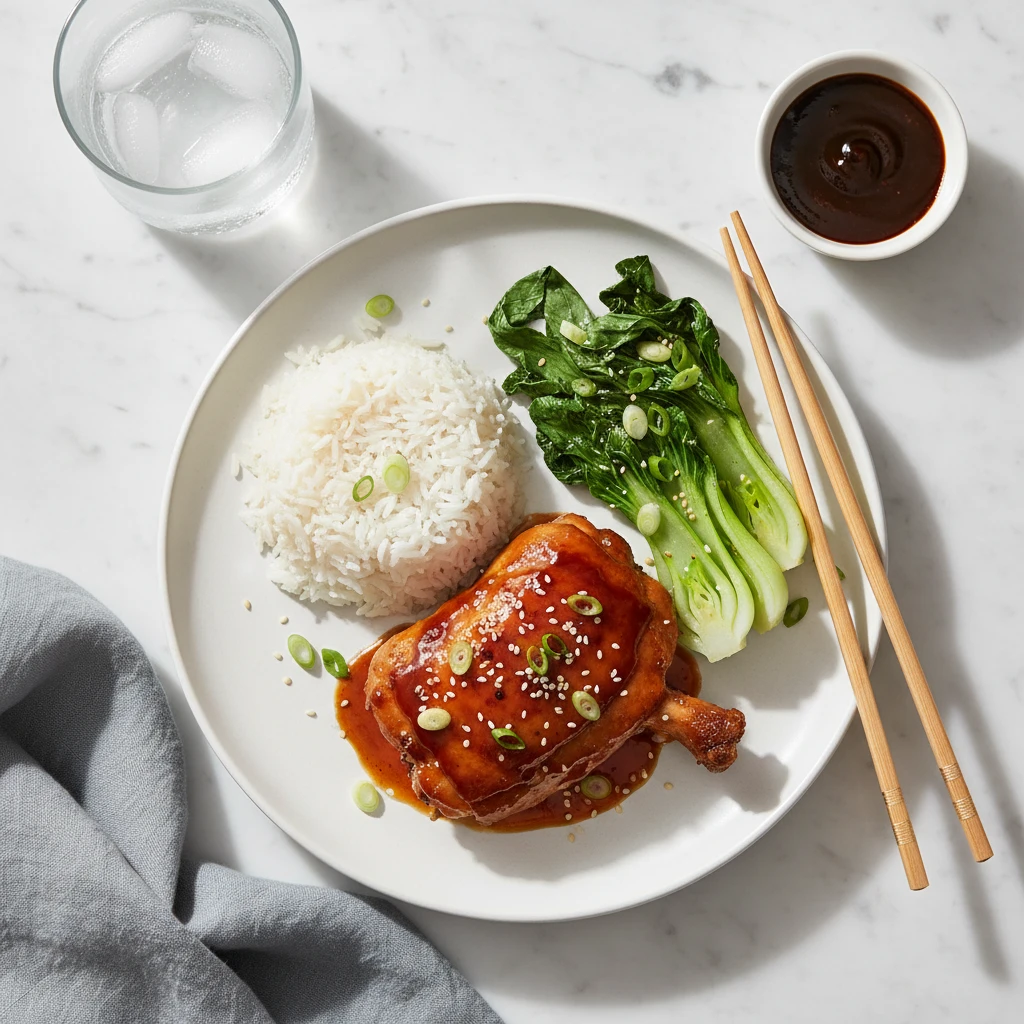
Over Jasmine Rice: Serve on a bed of steamed jasmine rice to soak up every drop of the glossy glaze. The fragrant rice perfectly complements the savory-sweet sauce.
With Stir-Fried Vegetables: Pair with quick-sautéed broccoli, bok choy, snap peas, or bell peppers cooked in sesame oil. Serve alongside or toss everything together for a one-bowl meal.
With Noodles: Shred the cooked chicken and toss with ramen noodles, soba noodles, or udon noodles, then drizzle with the teriyaki glaze. Top with green onions, sesame seeds, and a soft-boiled egg.
In Lettuce Wraps: Shred the cooked chicken and serve in butter lettuce or cabbage leaves with the glaze, sliced cucumbers, carrots, and cilantro for a lighter, interactive meal.
On a Sushi Bowl: Serve over sushi rice with avocado, cucumber, pickled ginger, and nori strips for a deconstructed sushi experience.
With Roasted Root Vegetables: Serve alongside roasted carrots, parsnips, or sweet potatoes for a warming, substantial dinner with a Japanese twist.
Plating Tips: Place the chicken thigh in the center of the plate, skin-side up to showcase the crispy, glossy exterior. Spoon extra glaze around the plate. Garnish with a small mound of sesame seeds and green onion slices directly on the chicken. Add a small white plate underneath a darker rim plate for professional contrast. Serve immediately while the skin is still warm and crispy.
Beverage Pairing: Serve with sake, Japanese beer, or a light white wine like Riesling. For non-alcoholic options, green tea or sparkling yuzu lemonade complement the flavors beautifully.
 Save
SaveStorage and Reheating
Refrigerator Storage: Store cooked teriyaki chicken thighs in an airtight container for up to 3 days. The skin will lose its crispness after a few hours, but the flavor remains delicious.
Freezer Storage: Place cooled chicken thighs on a baking sheet and freeze for 2 hours, then transfer to freezer bags or airtight containers. Freeze for up to 2 months. The skin texture will be softer after thawing, so freezing is best for meals where the chicken will be shredded or reheated with fresh glaze.
Reheating in the Oven: This is the best method to restore crispiness. Preheat oven to 375°F. Place chicken in a baking dish and cover loosely with foil. Bake for 8–10 minutes until heated through and the skin warms up. If desired, brush with additional fresh teriyaki glaze before serving.
Reheating on the Stovetop: Place chicken in a skillet over medium heat with a splash of water or additional teriyaki sauce, cover with a lid, and warm for 5–7 minutes, stirring occasionally. Remove the lid for the last minute to warm the skin.
Reheating in the Microwave: For convenience, place chicken in a microwave-safe container and microwave on 50% power for 2–3 minutes, checking halfway through. Note that microwave reheating will not restore skin crispness, but is quick for repurposing in rice bowls or noodle dishes.
Make-Ahead Tip: Prepare the teriyaki sauce up to 2 days in advance and store in a sealed jar in the refrigerator. Reheat gently before using. This saves time on cooking day.
Frequently Asked Questions about Teriyaki Chicken Thighs
Can I use chicken breast instead of thighs?
Yes, bone-in, skin-on chicken breasts work well with this recipe, though they’re leaner and may dry out more easily. Increase the simmering time by 5–7 minutes to ensure they cook through, and watch carefully to avoid overcooking. Thighs are preferred because they stay juicier and more forgiving.
Where do I find mirin, and what if I don’t have it?
Mirin is available in most grocery stores’ Asian food sections, typically near soy sauce and other condiments. If unavailable, you can substitute with a mixture of 2 tablespoons sake (or dry white wine) plus 2 tablespoons sugar, though the flavor won’t be identical. Alternatively, use 1/4 cup honey or agave, but reduce the additional honey in the recipe to 1 tablespoon to avoid over-sweetening.
How do I make the skin extra crispy?
Start with completely dry chicken thighs (pat them very thoroughly with paper towels), use a screaming-hot skillet, don’t move the chicken during the initial sear, and keep the oil at a consistent medium-high temperature. For extra crispiness, increase the initial sear time to 8–10 minutes. Some cooks finish by placing the glazed chicken skin-side down in a hot 425°F oven for 2–3 minutes right before serving.
What if the glaze is too sweet?
Reduce the honey by 1 tablespoon, or add 1 additional tablespoon of soy sauce or rice vinegar to balance sweetness with saltiness and acidity. You can also add a pinch of cayenne pepper or red pepper flakes to add a savory, spicy counterbalance. In future batches, taste-test the sauce before adding it to the chicken and adjust to your preference.
Can I prepare this dish in advance?
The teriyaki sauce can be made 2 days ahead and stored in the refrigerator. You can also cook the chicken up to 3 days in advance and refrigerate it. Reheat in a 375°F oven for 8–10 minutes to restore warmth and partially crisp the skin. For best results, prepare the glaze fresh on cooking day for maximum shine and flavor intensity.
Is teriyaki chicken thighs gluten-free?
Most soy sauce contains wheat, making this recipe not naturally gluten-free. To make it gluten-free, use tamari or coconut aminos instead of regular soy sauce. Both are gluten-free alternatives with similar umami depth. Check that mirin is also gluten-free, as some varieties may contain additives—or use aji-mirin (sweetened mirin) which is typically naturally gluten-free.
Why is my glaze too thin or not sticking to the chicken?
If the sauce isn’t thickening, your cornstarch slurry may have lumps or wasn’t added correctly. Mix a fresh slurry of 1/2 teaspoon cornstarch and 1 teaspoon water, then slowly pour it into the simmering sauce while stirring constantly for 3–5 minutes. If the glaze is still thin after this, reduce heat to medium-low and let it simmer for 5 more minutes to naturally reduce and concentrate.
Nutrition Facts (Per Serving)
| Nutrient | Amount | % Daily Value |
|---|---|---|
| Calories | 380 kcal | 19% |
| Total Fat | 18g | 28% |
| Saturated Fat | 5g | 25% |
| Trans Fat | 0g | — |
| Cholesterol | 115mg | 38% |
| Sodium | 680mg | 30% |
| Total Carbohydrates | 14g | 5% |
| Dietary Fiber | 0g | 0% |
| Total Sugars | 10g | — |
| Protein | 36g | 72% |
| Vitamin A | 2% DV | — |
| Vitamin C | 1% DV | — |
| Calcium | 3% DV | — |
| Iron | 8% DV | — |
Note: Nutritional values are estimated per serving (1 chicken thigh with glaze). Values based on USDA data and calculated assuming 6 servings. Actual values may vary based on specific brands and cooking method. This dish is protein-rich and best served with complex carbohydrates like brown rice or whole grain noodles for balanced nutrition.
Teriyaki Chicken Thighs
Ingredients
- 6 bone-in skin-on chicken thighs
- 1/2 cup soy sauce
- 1/4 cup mirin
- 2 tablespoons honey
- 1 tablespoon rice vinegar
- 3 cloves garlic minced
- 1 tablespoon fresh ginger minced
- 1 tablespoon cornstarch
- 2 tablespoons water
- 2 tablespoons vegetable oil
- 1 teaspoon sesame oil
- 1/4 teaspoon red pepper flakes
- 2 green onions sliced
- 1 tablespoon sesame seeds
- Salt and black pepper to taste
Instructions
- Pat 6 bone-in, skin-on chicken thighs completely dry with paper towels (5 minutes). Dry chicken ensures crispy skin, so don't skip this step. Season both sides generously with salt and black pepper. Checkpoint: Chicken should look dry with no moisture on the surface.
- Heat 2 tablespoons vegetable oil in a large skillet (12-inch recommended) over medium-high heat for 2–3 minutes until the oil shimmers and moves easily around the pan. You should see wisps of heat rising from the oil. Checkpoint: Oil should shimmer and move like water.
- Carefully place all 6 chicken thighs skin-side down in the hot oil (work in two batches if your skillet is smaller). Do not move them for 6–8 minutes. Listen for a gentle, steady sizzle—this means the skin is crisping. The skin should turn golden-brown and pull away slightly from the pan when ready. Checkpoint: Skin should be golden-brown and crispy; you should see brown bits on the pan bottom.
- Using tongs, flip each chicken thigh carefully and cook skin-side up for 3 minutes more over medium-high heat. The underside should be lightly browned. Checkpoint: Bottom of thighs should have light golden-brown color.
- While chicken cooks, combine in a small bowl: 1/2 cup soy sauce, 1/4 cup mirin, 2 tablespoons honey, 1 tablespoon rice vinegar, 3 minced garlic cloves, and 1 tablespoon minced fresh ginger. Stir until honey dissolves completely (1–2 minutes). Smell the mixture—it should be fragrant with garlic and ginger. Checkpoint: Honey is fully dissolved and mixture smells aromatic.
- Reduce heat to medium (lower the flame slightly). Slowly pour the teriyaki mixture over the chicken thighs, being careful not to splash. The liquid should partially cover the chicken. Checkpoint: Mixture is poured and chicken is partially submerged.
- Simmer for 10 minutes, turning chicken with tongs every 2–3 minutes (3–4 turns total). Each turn should coat the chicken in the glossy sauce. The sauce will bubble gently around the edges. Checkpoint: Chicken is coated in sauce and has cooked 10 minutes total.
- In a small bowl, mix 1 tablespoon cornstarch with 2 tablespoons water, stirring until no lumps remain (1 minute). The mixture should look like thin cream. Checkpoint: Cornstarch and water are fully combined with no white lumps.
- Slowly pour the cornstarch slurry into the simmering sauce while stirring gently with a wooden spoon or silicone spatula. Stir constantly for 3–5 minutes. The sauce will thicken gradually and turn glossy and dark. You'll see the consistency change from thin liquid to a glaze that clings to the chicken. Checkpoint: Sauce is glossy, thick enough to coat a spoon, and clings to the chicken.
- Add 1/4 teaspoon red pepper flakes if you like mild heat; increase to 1/2 teaspoon for more spice. Stir well (30 seconds). Checkpoint: Red pepper flakes are evenly distributed.
- Drizzle 1 teaspoon toasted sesame oil over the chicken and sauce, stirring gently to combine (30 seconds). You should smell a rich, nutty aroma. Checkpoint: Sesame oil is evenly mixed throughout.
- Remove from heat. Scatter 2 sliced green onions (white and green parts) and 1 tablespoon sesame seeds over the top. Checkpoint: Garnish is evenly distributed and dish is ready to serve.
- Let rest in the skillet for 2 minutes before serving. This allows the glaze to set slightly on the chicken.