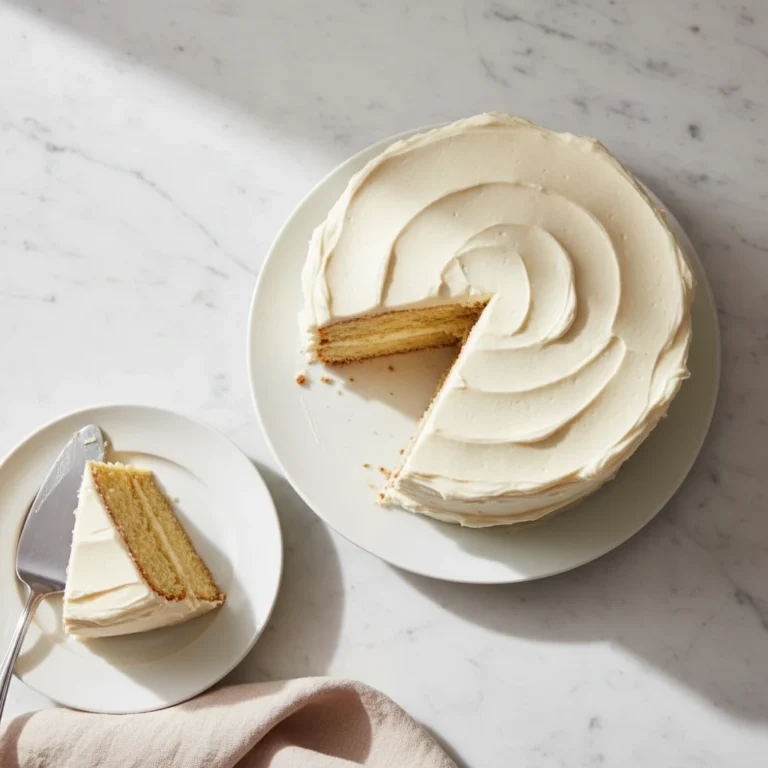
Reasons to Try Best Buttermilk Birthday Cake
Ultra-Moist Crumb: Buttermilk reacts with baking soda to create an incredibly tender, fluffy interior that stays soft and moist for days after baking. The tangy dairy adds depth of flavor without being overpowering.
Foolproof Recipe: This formula is engineered for success—the ratio of wet to dry ingredients is balanced perfectly to prevent dense or dry cake. Even beginner bakers will achieve bakery-quality results.
Versatile Frosting Canvas: The mild vanilla flavor makes this cake ideal for pairing with any frosting—classic American buttercream, cream cheese frosting, or even chocolate ganache.
Elegant Two-Layer Design: This recipe yields two generous layers that stack beautifully, creating a tall, impressive presentation without requiring advanced decorating skills.
Room Temperature Stability: Unlike delicate angel food cakes, this buttermilk cake tastes amazing at room temperature, making it perfect for celebrations where serving immediately isn’t possible.
Nostalgic Comfort: This classic American cake style evokes childhood birthday parties and family traditions, making it deeply satisfying on an emotional level.
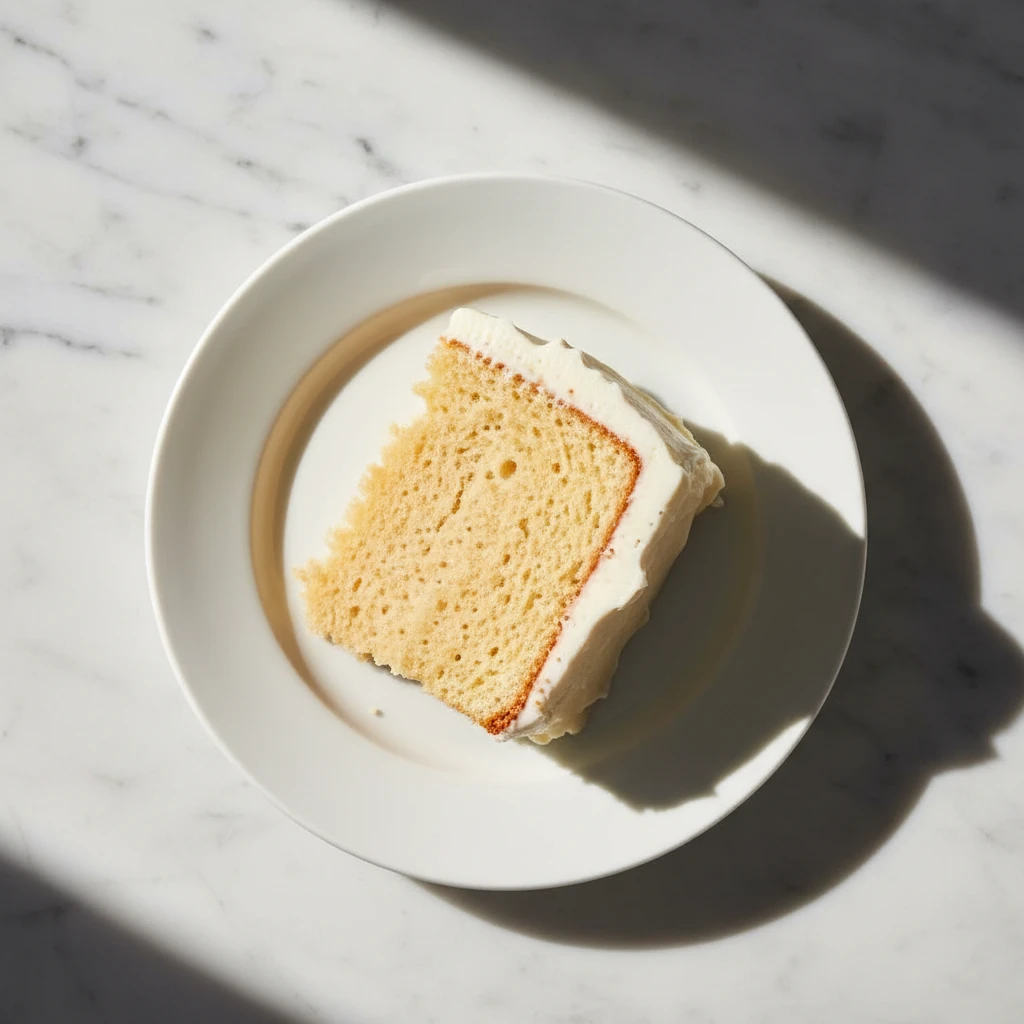 Save
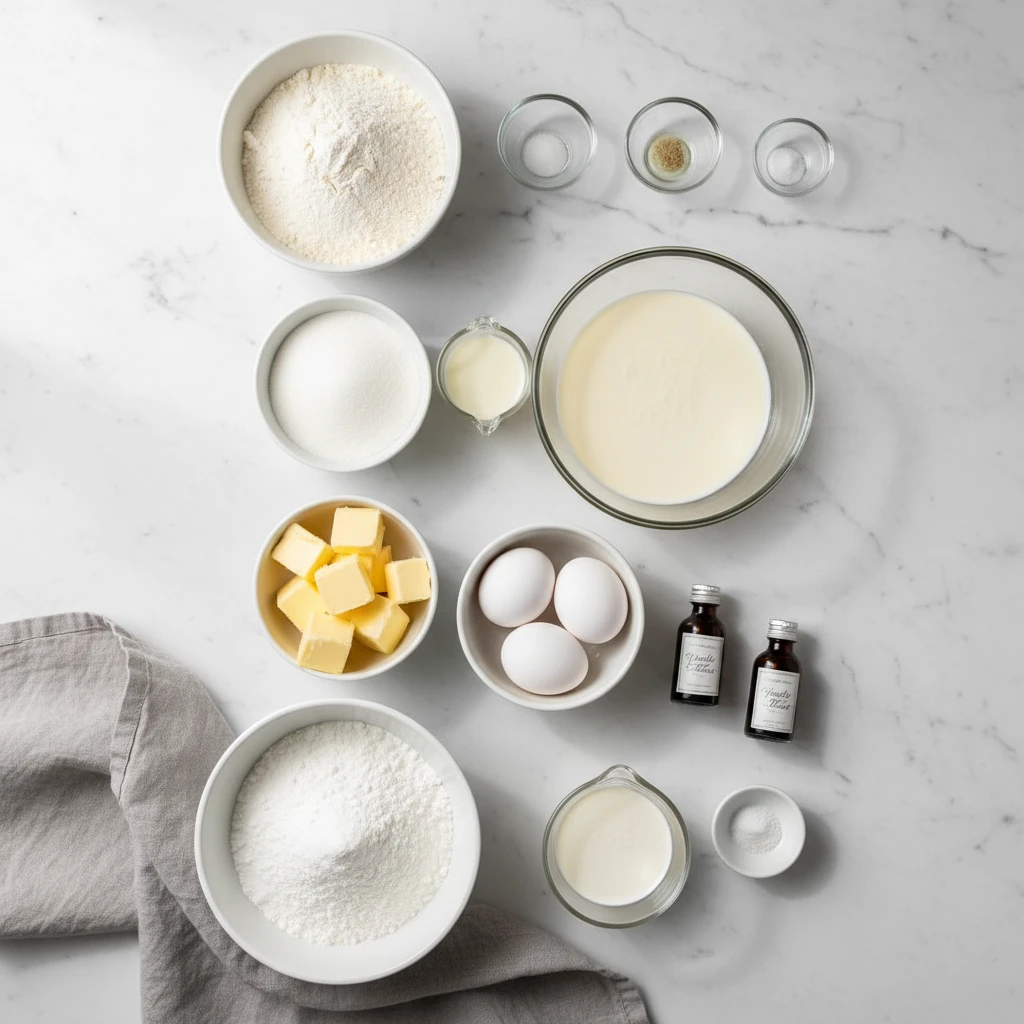
SaveIngredients Notes
For the Cake
- All-purpose flour
- Baking soda
- Salt
- Unsalted butter, softened
- Granulated sugar
- Large eggs, room temperature
- Vanilla extract
- Buttermilk, room temperature
For the Buttercream Frosting
- Unsalted butter, softened
- Powdered sugar
- Heavy cream
- Vanilla extract
- Salt
 Save
SaveHow to Make Best Buttermilk Birthday Cake
For the Cake
- Preheat oven to 350°F. Grease and flour two 9-inch round cake pans and line the bottoms with parchment paper.
- Whisk together flour, baking soda, and salt in a medium bowl.
- Beat softened butter and sugar together until light and fluffy, about 3 minutes.
- Add eggs one at a time, beating well after each addition. Mix in vanilla extract.
- Alternate adding flour mixture and buttermilk, beginning and ending with flour, mixing on low speed until just combined.
- Divide batter evenly between prepared pans and smooth the tops.
- Bake for 28–32 minutes until a toothpick inserted in the center comes out clean.
- Cool in pans for 15 minutes, then turn out onto wire racks to cool completely.
For the Buttercream Frosting
- Beat softened butter until creamy, about 1 minute.
- Gradually add powdered sugar, beating on low speed to avoid clouds of sugar.
- Add heavy cream and vanilla extract, then beat on medium-high speed until light and fluffy, 2–3 minutes.
- Spread frosting between cooled cake layers, then frost the top and sides.
What You Must Know About Best Buttermilk Birthday Cake
Room Temperature Ingredients Are Essential: Eggs, butter, and buttermilk should all be at room temperature before mixing. Cold ingredients don’t incorporate smoothly and can create a grainy, dense texture. Leave eggs and butter on the counter for 30 minutes before baking.
Don’t Overmix the Batter: Once you’ve combined the dry and wet ingredients, stop mixing immediately. Overmixing develops gluten, which toughens the cake and reduces its tender crumb. Mix only until you see no white streaks of flour.
Use Fresh Baking Soda: The baking soda is critical for the buttermilk reaction that creates the cake’s signature tang and lift. Old or expired baking soda won’t work effectively. Check your expiration date and replace if older than 6 months.
Cool Completely Before Frosting: If you frost a warm cake, the frosting will slide off and melt into the cake. Always cool cakes to room temperature (at least 1 hour) and allow them to set on racks completely before assembling.
Leveling the Cake Layers: If your cakes dome significantly, use a long serrated knife or cake leveler to trim the tops flat. This creates stable, even layers that stack neatly without sliding. Save the trimmed pieces for a trifle or snacking.
Helpful Tip—Crumb Coat Technique: For a professional-looking finish, apply a thin “crumb coat” of frosting first and refrigerate for 15 minutes. This seals in any loose crumbs. Then apply the final, thicker layer of frosting. This prevents crumbs from showing in the final cake.
Helpful Tip—Cake Strips for Even Baking: Wrap wet cake strips (or folded damp paper towels) around the outside of each cake pan before baking. This helps the cakes bake evenly and rise without doming, creating flatter tops that are easier to stack.
Helpful Tip—Make-Ahead Storage: Baked cake layers can be wrapped tightly in plastic wrap and frozen for up to 1 week. Thaw at room temperature before frosting. Buttercream frosting can also be made 1 day ahead and stored in an airtight container in the refrigerator. Let it come to room temperature and re-whip before using.
Variations and Substitutions
Lemon Buttermilk Cake: Add 2 tablespoons fresh lemon zest and 2 tablespoons lemon juice to the dry ingredients. Reduce vanilla extract to 1/2 teaspoon. Pair with a lemon buttercream frosting by adding 2 tablespoons fresh lemon juice to the frosting instead of 1/4 cup heavy cream.
Almond Buttermilk Cake: Replace 1/2 cup of the all-purpose flour with almond flour. Add 1/2 teaspoon almond extract along with the vanilla. The result is a more tender, delicate crumb with subtle almond flavor.
Chocolate Buttermilk Cake: Reduce flour to 2 1/2 cups and add 1/2 cup unsweetened cocoa powder mixed with the dry ingredients. Pair with chocolate buttercream frosting by adding 1/4 cup cocoa powder to the frosting recipe.
Strawberry Shortcake Version: Bake using this recipe, then layer with fresh whipped cream and sliced fresh strawberries instead of frosting for a lighter summer dessert.
Sour Cream Substitute: If you don’t have buttermilk, use 1 cup sour cream thinned with 1–2 tablespoons water to approximate buttermilk. Alternatively, make “buttermilk” by adding 1 tablespoon white vinegar or lemon juice to 1 cup whole milk and letting it sit for 5 minutes.
Cream Cheese Frosting: Replace the all-butter frosting with 8 oz softened cream cheese, 1/2 cup softened butter, 2 1/2 cups powdered sugar, and 1 teaspoon vanilla. This adds a tangy, sophisticated flavor that pairs beautifully with the buttermilk cake.
Three-Layer Cake: Divide batter among three 8-inch round pans instead of two 9-inch pans (reduce baking time to 22–26 minutes). Use the same frosting amount but spread thinner between layers to create an impressive tall cake.
Serving Suggestions for Best Buttermilk Birthday Cake
Classic Birthday Presentation: Serve slices at room temperature with a glass of cold milk or hot coffee. Add festive candles to the top and light them just before serving for a traditional birthday moment.
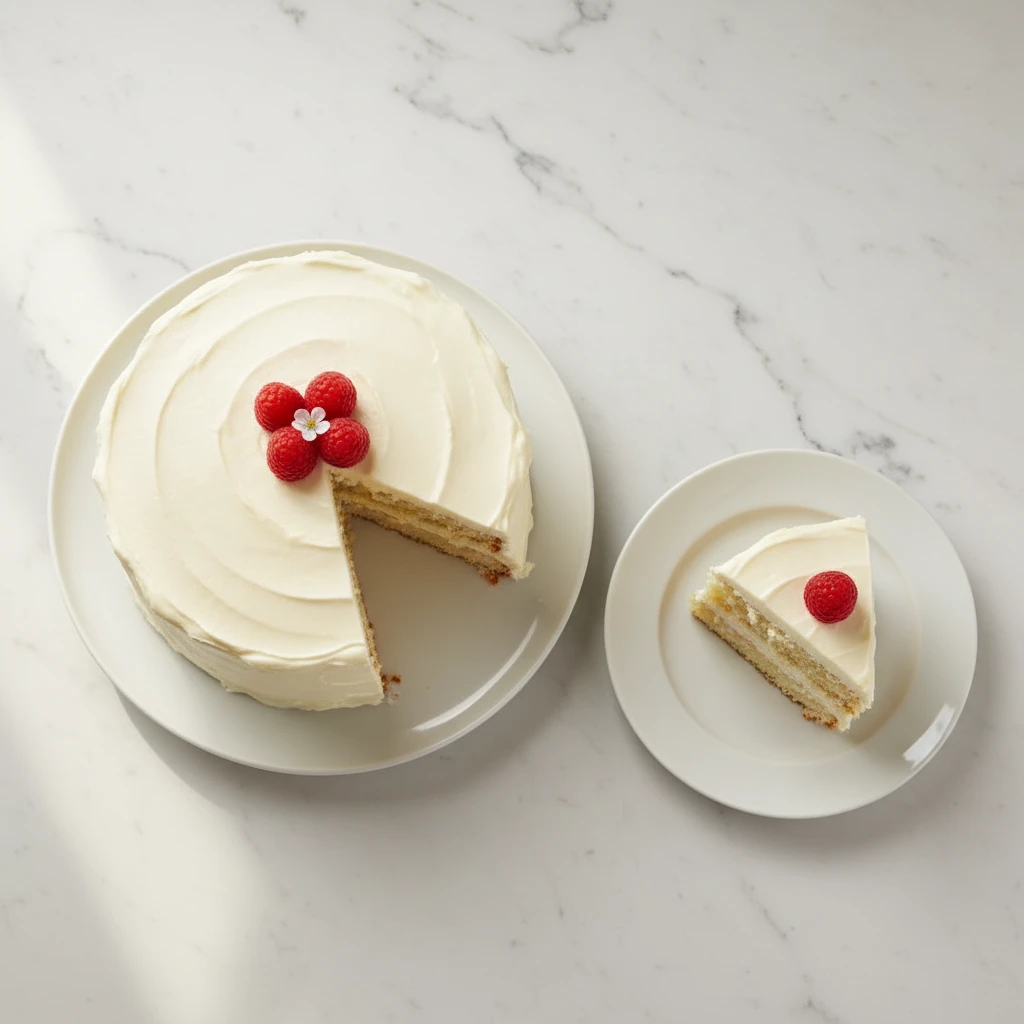
Elegant Plating: Plate individual slices on white porcelain with a light dusting of powdered sugar or fresh berries (strawberries, raspberries, or blueberries) on the side. A small dollop of freshly whipped cream adds sophistication.
Cake and Ice Cream: Serve warm or room-temperature cake slices with a scoop of vanilla, strawberry, or salted caramel ice cream. The cool ice cream melts slightly into the cake’s tender crumb.
Dessert Buffet: Cut the cake into smaller squares and display on a dessert table alongside fresh fruit, cookies, and chocolates. This works well for large celebrations or open-house gatherings.
Afternoon Tea Pairing: Serve thin slices alongside hot tea (Earl Grey or English breakfast) for an elegant afternoon tea service. A small plate with a linen napkin adds refinement.
Decorator’s Dream: This cake is a blank canvas for decoration. Top with fresh flowers, colorful sprinkles, edible pearls, or piped frosting borders. Add a personalized name or age written in frosting with a piping bag for a custom touch.
Naked or Semi-Naked Cake Trend: For a modern look, frost only the top and between layers, leaving the sides partially or fully exposed to show off the cake’s tender crumb and layers.
 Save
SaveStorage and Reheating
Room Temperature Storage: An unfrosted cooled cake can be stored in an airtight container at room temperature for up to 2 days. The buttermilk keeps it moist and fresh-tasting.
Frosted Cake Storage: A fully frosted cake should be stored in an airtight cake container or covered loosely with plastic wrap at room temperature for up to 3 days. Do not refrigerate unless your kitchen is very warm, as chilled frosting becomes hard and the cake can dry out. If you must refrigerate (ambient temperature above 75°F), store for up to 5 days and let the cake come to room temperature for 1 hour before serving.
Freezing Unfrosted Layers: Cooled cake layers can be wrapped individually in plastic wrap, then aluminum foil, and frozen for up to 1 week. Thaw at room temperature (still wrapped) for 1–2 hours before frosting. This is ideal for baking ahead for a party.
Freezing Frosted Cake: A fully frosted and decorated cake can be frozen for up to 2 weeks. Place it on a baking sheet, freeze uncovered for 2 hours until the frosting is solid, then wrap tightly in plastic wrap and aluminum foil. Thaw at room temperature for 3–4 hours before serving (do not unwrap during thawing to prevent condensation).
Individual Slices: Leftover slices can be wrapped individually in plastic wrap and stored at room temperature for 2 days or frozen for up to 1 week. Thaw at room temperature before eating.
Reheating (Not Typically Necessary): This cake is best served at room temperature and doesn’t require reheating. However, if you prefer warm cake, microwave individual slices for 10–15 seconds on 50% power until just warmed through, being careful not to overheat the frosting.
Frequently Asked Questions about Best Buttermilk Birthday Cake
Why is my buttermilk cake dry?
A dry cake usually results from overbaking or overmixing the batter. Check your oven temperature with an oven thermometer—inaccurate ovens are the most common culprit. Also, ensure you stop mixing the batter as soon as the flour is just incorporated; overmixing develops gluten and tightens the crumb. Finally, verify you’re using the correct amount of buttermilk—room temperature buttermilk helps ensure proper hydration. If your cake is still dry after cooling, try storing it wrapped in plastic wrap to help it reabsorb its own moisture over 24 hours.
Can I make this cake without buttermilk?
Yes. Make a buttermilk substitute by adding 1 tablespoon of white vinegar or fresh lemon juice to 1 cup of whole milk and letting it sit for 5 minutes. The mixture will curdle slightly and develop the same tangy acidity needed for the baking soda reaction. Alternatively, you can use 1 cup of sour cream thinned with 2–3 tablespoons of water, or 1 cup plain Greek yogurt mixed with 3 tablespoons water. The cake may be slightly denser with Greek yogurt but still delicious.
How far in advance can I bake this cake for a party?
Unfrosted cake layers can be baked up to 2 days ahead. Wrap cooled layers individually in plastic wrap and store at room temperature. For longer storage, freeze the layers for up to 1 week (thaw at room temperature before frosting). Buttercream frosting can be made 1 day ahead and stored in an airtight container in the refrigerator. Bring it to room temperature and re-whip with a mixer for 1–2 minutes before using. A fully assembled frosted cake is best eaten within 3 days at room temperature.
What’s the difference between this cake and regular vanilla cake?
The key difference is buttermilk, which adds a subtle tangy flavor and reacts with baking soda to create an exceptionally tender, moist crumb. Buttermilk cakes also typically stay fresher longer than regular milk-based cakes because the acidity acts as a preservative. The flavor is slightly more complex and sophisticated than plain vanilla cake, though still mild and versatile for frosting pairing.
Can I use salted butter instead of unsalted?
You can, but unsalted butter is recommended because it allows you to control the total salt content in the cake. If using salted butter, reduce the salt in the recipe to 1/4 teaspoon. The same applies to the frosting—use unsalted butter and adjust salt to taste. Too much salt can overpower the delicate vanilla flavor.
Why did my cake dome or dome unevenly?
Doming occurs when the cake rises too quickly in the center, which typically happens when the oven temperature is too high or when too much baking soda is used. Check your oven temperature with a thermometer and verify it reads 350°F. Also, measure baking soda carefully—too much causes rapid rising. To prevent future doming, wrap the cake pans with damp cake strips during baking, which insulates the sides and encourages more even, flatter rising. You can also reduce oven temperature to 325°F and extend baking time by 3–5 minutes.
How do I get smooth, professional-looking frosting?
First, ensure the frosting is the right consistency—it should be thick enough to hold peaks but spreadable. If it’s too soft, refrigerate for 10 minutes. Apply a thin “crumb coat” first (a very thin layer that seals in crumbs) and refrigerate for 15 minutes, then apply the final thicker layer. Use an offset spatula dipped in warm water and wiped dry between strokes. For very smooth sides, rotate the cake on a turntable while holding a warm spatula against the side, letting the heat slightly melt the frosting into a smooth finish. Practice makes perfect—even slightly textured frosting looks homemade and charming.
Nutrition Facts (Per Serving)
| Nutrient | Amount |
| Calories | 385 kcal |
| Protein | 4 g |
| Carbohydrates | 52 g |
| Dietary Fiber | 0 g |
| Sugars | 43 g |
| Total Fat | 16 g |
| Saturated Fat | 9 g |
| Cholesterol | 58 mg |
| Sodium | 198 mg |
Note: Nutritional values are approximate and calculated per serving based on 12 servings (1/12 of the cake with frosting). Variations may occur based on specific ingredient brands and preparation methods. This is an indulgent dessert best enjoyed in moderation as part of a balanced diet.
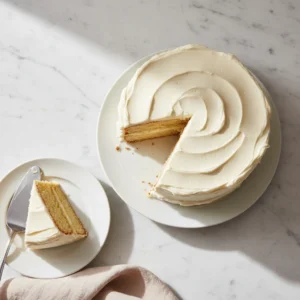
Best Buttermilk Birthday Cake
Ingredients
- 2 3/4 cups all-purpose flour
- 1 1/2 teaspoons baking soda
- 1/2 teaspoon salt
- 1/2 cup unsalted butter softened
- 1 1/2 cups granulated sugar
- 3 large eggs room temperature
- 1 teaspoon vanilla extract
- 1 cup buttermilk room temperature
- 1/2 cup unsalted butter softened
- 3 cups powdered sugar
- 1/4 cup heavy cream
- 2 teaspoons vanilla extract
- Pinch of salt
Instructions
- Prepare pans: Preheat oven to 350°F (176°C). Grease the inside of two 9-inch round cake pans with butter or cooking spray. Cut parchment paper to fit the bottoms, press into place, then grease the parchment too. This ensures the cakes release cleanly. Set aside.
- Mix dry ingredients: In a medium bowl, whisk together 2 3/4 cups all-purpose flour, 1 1/2 teaspoons baking soda, and 1/2 teaspoon salt. Use a whisk or fork to break up any small lumps in the flour and evenly distribute the leavening agents. Set aside.
- Cream butter and sugar: In a large mixing bowl, add 1/2 cup softened unsalted butter (cut into small cubes) and 1 1/2 cups granulated sugar. Using an electric mixer on medium speed, beat for 3–4 minutes until the mixture is pale yellow, fluffy, and noticeably lighter in color. Scrape down the bowl halfway through. Checkpoint: The mixture should look like fluffy sand and hold soft peaks when you lift the beaters.
- Add eggs one at a time: With the mixer on medium speed, add 3 room-temperature eggs one at a time, beating for about 30 seconds after each egg. Make sure each egg is fully incorporated before adding the next—the mixture should look smooth and creamy after each addition. Overbeating at this stage can incorporate too much air.
- Add vanilla: Pour in 1 teaspoon vanilla extract and beat on medium speed for 30 seconds until fully mixed.
- Alternate dry and wet ingredients: Reduce mixer speed to low. Add 1/3 of the flour mixture and beat for 15–20 seconds until just combined. Pour in 1/2 of the buttermilk and beat for 15–20 seconds. Add another 1/3 of the flour mixture and beat briefly. Add the remaining buttermilk and beat briefly. Finally, add the last 1/3 of flour and beat until just combined. Do not overmix—stop as soon as no white streaks of flour remain. Checkpoint: The batter should look smooth and slightly thick, resembling thick pancake batter. Overmixing develops gluten and creates a tough, dense cake.
- Divide batter between pans: Pour half the batter into the first prepared pan and use a spatula to spread it evenly to the edges. Pour the remaining batter into the second pan and smooth the top. The pans should be about 3/4 full.
- Bake the cakes: Place both pans on the center oven rack. Bake at 350°F for 28–32 minutes. The cakes are done when a wooden toothpick inserted into the center comes out with just a few moist crumbs (not wet batter). The tops should spring back when lightly touched, and the edges should pull away slightly from the pan sides. Do not open the oven before 25 minutes.
- Cool in pans: Remove both pans from the oven and place on wire cooling racks. Let the cakes rest in the pans for 15 minutes—this allows them to set and firm up without cracking. You may hear gentle crackling; this is normal.
- Turn out cakes: After 15 minutes, run a thin knife around the edge of each pan to loosen the cake. Place a cooling rack upside down over one pan, grip both the pan and rack, then flip the cake onto the rack. Gently lift the pan away and peel off the parchment paper. Repeat with the second cake. Checkpoint: Both cakes should be completely turned out and the parchment removed. Let them cool at room temperature for at least 1 hour until fully cooled to the touch before frosting. If cakes are still warm, the frosting will melt.
- Prepare frosting—beat butter: In a clean mixing bowl, add 1/2 cup softened unsalted butter (cubed). Using an electric mixer on medium speed, beat for 1–2 minutes until creamy and pale yellow. Scrape down the bowl. The butter should have no lumps.
- Add powdered sugar gradually: With the mixer on low speed, slowly add 3 cups powdered sugar, 1 cup at a time. Pause after each addition to let the sugar combine before adding more. This prevents a cloud of powdered sugar from escaping the bowl. Beat on low speed for about 1 minute after all sugar is added.
- Add cream and vanilla: Pour in 1/4 cup heavy cream and 2 teaspoons vanilla extract. Increase mixer speed to medium-high and beat for 2–3 minutes until the frosting is light, fluffy, and pale. The frosting should increase in volume slightly and look like thick, whipped mousse. Scrape down the bowl as needed.
- Spread frosting between layers: Place the first cooled cake layer on a serving plate or cake board. Using a spatula or butter knife, spread a generous 1/2-inch layer of frosting evenly over the top of the first cake. Leave about 1/2 inch from the edge bare to prevent frosting from squishing out when you stack the second layer.
- Stack second layer: Carefully lift the second cake layer and place it flat-side down on top of the frosted first layer. Press gently and evenly. The cake should look level and stable.
- Frost top and sides: Spread a layer of frosting over the top of the cake, smoothing it toward the edges. Then frost the sides with a spatula, using gentle upward strokes. For a rustic look, leave some texture; for a smooth finish, dip the spatula in warm water and smooth the frosting. Use about 2 1/2 to 3 cups of frosting total (reserve any extra for piping or taste-testing).
- Chill if needed: If decorating further (piping borders, adding sprinkles, etc.), refrigerate the frosted cake for 15–20 minutes until the frosting is firm enough to hold decorations. If serving plain, allow the cake to sit at room temperature for 20 minutes before slicing so the frosting softens slightly.