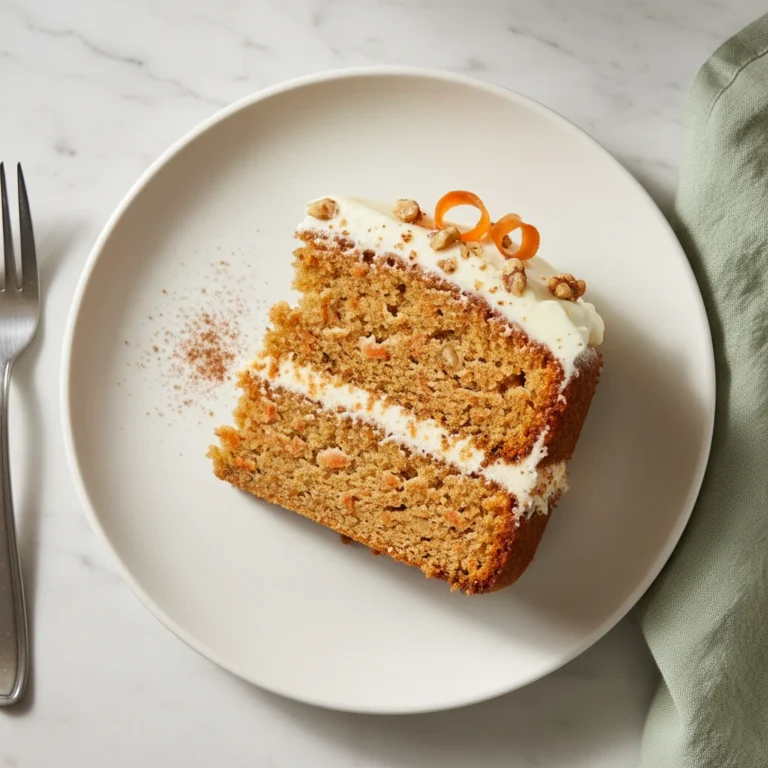
Carrot cake supreme is a show-stopping dessert that combines moist, spiced cake layers with creamy frosting and vibrant texture. This classic recipe delivers warm cinnamon and nutmeg notes, studded with shredded carrots, pineapple, coconut, and walnuts for depth and richness. Perfect for celebrations or everyday indulgence, this cake impresses with its complexity and comforting flavors that appeal to both traditionalists and adventurous palates.
Reasons to Try Carrot Cake Supreme
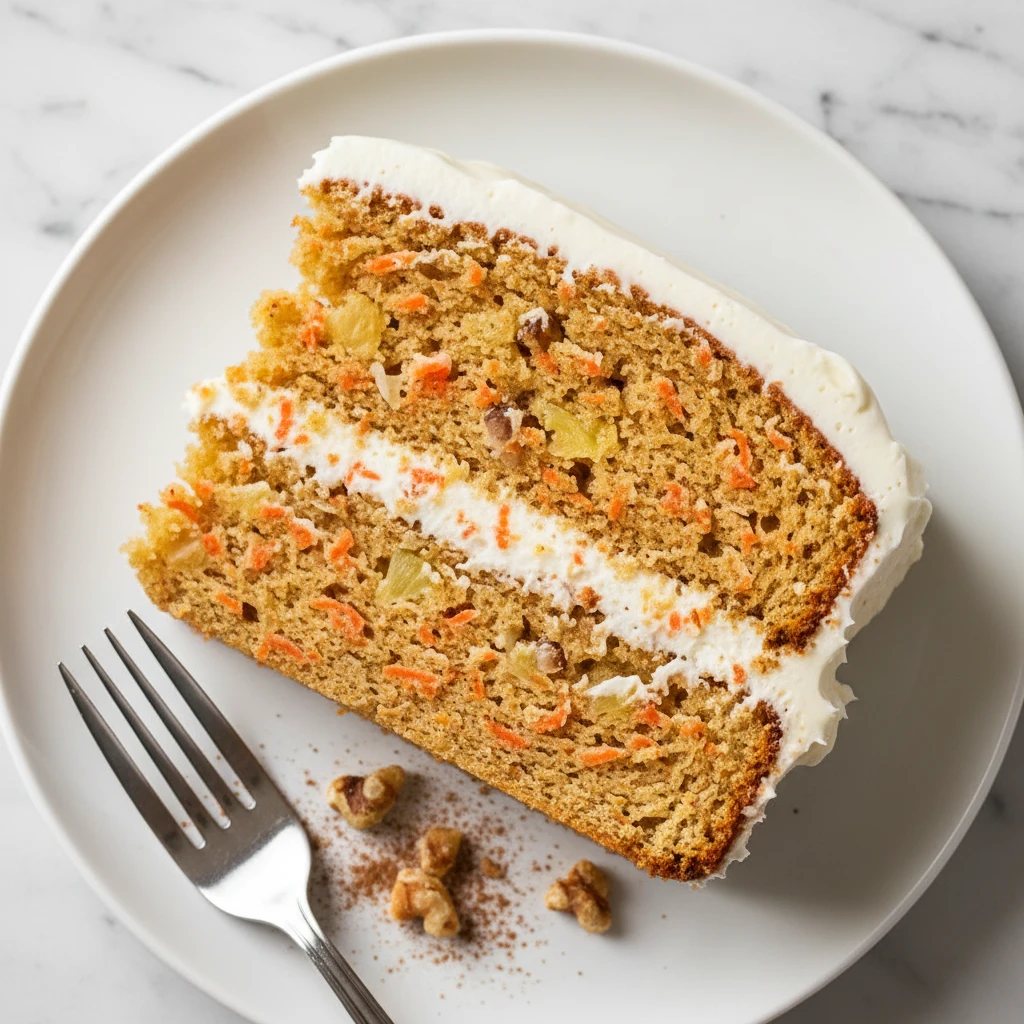
Incredibly Moist and Tender: The combination of oil, pineapple juice, and crushed pineapple keeps this cake exceptionally moist without being dense. Each bite melts in your mouth with perfect crumb structure.
Warm, Complex Spice Profile: A blend of cinnamon, nutmeg, ginger, and cloves creates a sophisticated flavor that’s comforting and never overwhelming. These spices complement the natural sweetness of the carrots beautifully.
Textural Interest: Shredded carrots, pineapple chunks, coconut flakes, and walnuts add delightful texture variety, making every bite slightly different and keeping your palate engaged.
Luxurious Cream Cheese Frosting: The whipped cream cheese and butter frosting is smooth, tangy, and perfectly sweet—a traditional pairing that balances the spiced cake.
Versatile for Any Occasion: Whether served at Easter, spring brunches, birthday celebrations, or casual dinner parties, carrot cake supreme fits seamlessly into any gathering. It’s also elegant enough for formal events yet approachable enough for everyday enjoyment.
Make-Ahead Friendly: This cake actually improves after a day or two as flavors meld, making it ideal for advance preparation and stress-free entertaining.
 Save
SaveIngredients Notes
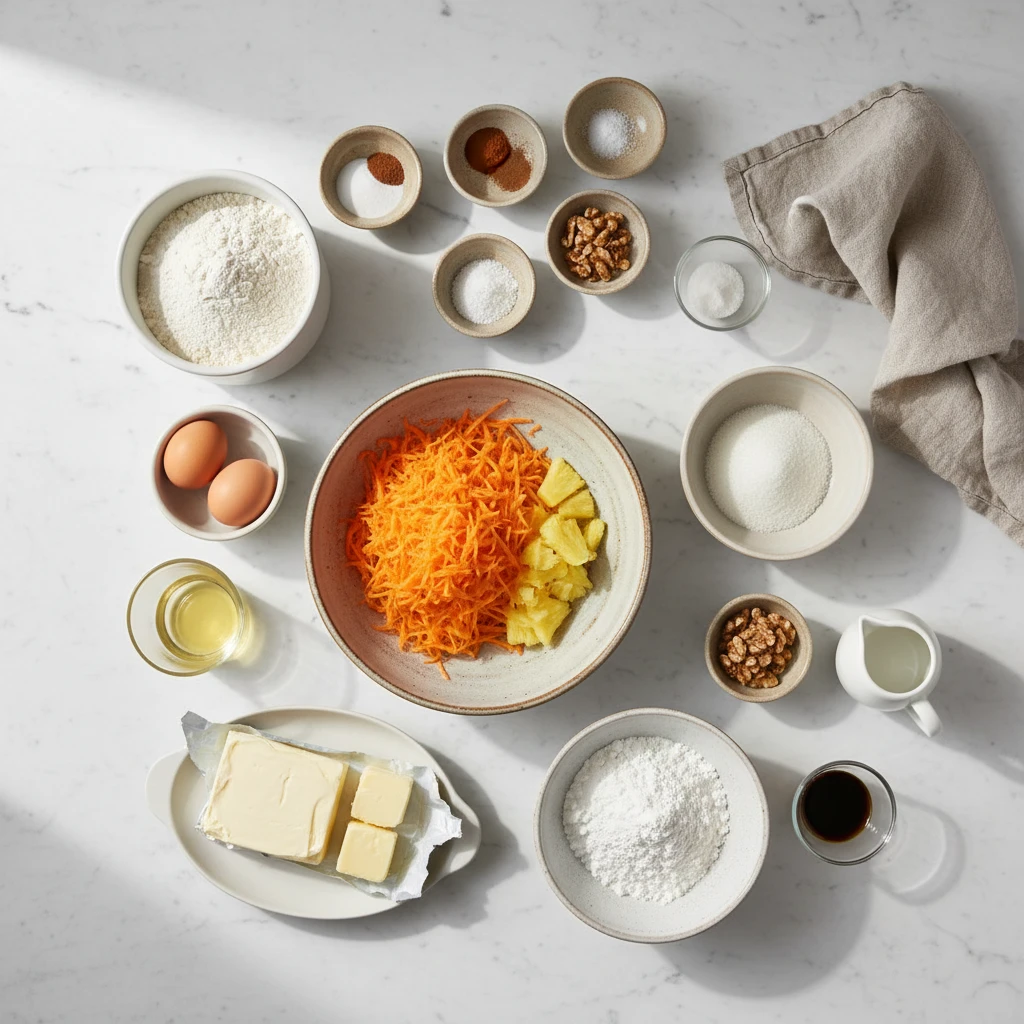
For the Cake
- All-purpose flour
- Baking soda
- Baking powder
- Ground cinnamon
- Ground nutmeg
- Ground ginger
- Ground cloves
- Salt
- Granulated sugar
- Vegetable oil
- Large eggs
- Vanilla extract
- Grated carrots
- Crushed pineapple with juice
- Shredded unsweetened coconut
- Chopped walnuts
For the Cream Cheese Frosting
- Cream cheese (softened)
- Butter (softened)
- Powdered sugar
- Vanilla extract
- Cream or milk
 Save
SaveHow to Make Carrot Cake Supreme
For the Cake
- Preheat oven to 350°F and grease two 9-inch round cake pans or one 9×13-inch rectangular pan. Line bottoms with parchment paper.
- Whisk together flour, baking soda, baking powder, cinnamon, nutmeg, ginger, cloves, and salt in a bowl.
- In a large bowl, whisk sugar and oil together until combined. Add eggs one at a time, whisking after each addition. Stir in vanilla.
- Fold dry ingredients into wet ingredients until just combined. Gently fold in carrots, pineapple with juice, coconut, and walnuts.
- Divide batter evenly between prepared pans and smooth tops. Bake 35–40 minutes (round pans) or 45–50 minutes (rectangular pan) until a toothpick inserted in the center comes out with a few moist crumbs.
- Cool in pans for 15 minutes, then turn out onto wire racks to cool completely.
For the Cream Cheese Frosting
- Beat softened cream cheese and butter together until light and fluffy, about 2–3 minutes.
- Gradually add powdered sugar and vanilla, beating until smooth. Add cream or milk a tablespoon at a time until frosting reaches spreadable consistency.
- If using round pans, place first cake layer on a serving plate and spread frosting on top. Add second layer and frost top and sides. If using rectangular pan, frost top and sides after cake cools.
What You Must Know About Carrot Cake Supreme
Room Temperature Ingredients Are Essential: Use softened cream cheese and butter for the frosting—cold ingredients won’t blend smoothly and will result in a lumpy, separated frosting. Remove these from the refrigerator 30 minutes before making frosting.
Don’t Overmix the Batter: Overmixing develops gluten and creates a tough, dense cake. Fold the dry ingredients into the wet ingredients gently, using a spatula with a scooping motion. Stop as soon as you see no dry flour streaks.
Grate Carrots Fresh: Freshly grated carrots provide better texture and moisture than pre-packaged shredded carrots. Avoid over-packing carrots when measuring—a light, loose scoop gives the best results.
Drain Pineapple Juice Partially: Crushed pineapple with juice adds wonderful moisture, but too much liquid can make the cake gummy. Drain the pineapple for 5 minutes in a fine-mesh strainer, but keep the juice to add back to the batter for moisture control.
Cool Completely Before Frosting: Frosting a warm cake causes it to melt and slide off. Cakes must be completely cool to room temperature (1–2 hours). If you’re in a hurry, freeze unfrosted layers for 1 hour.
Helpful Tip—Make a Crumb Coat First: A thin first layer of frosting (crumb coat) seals in cake crumbs and creates a smooth base for the final frosting layer. Chill this coat for 15 minutes before applying the final layer for a professional look.
Helpful Tip—Use a Cake Turntable: A rotating cake turntable makes frosting much easier. Slowly spin the table while holding your spatula steady to create even, smooth frosting layers.
Helpful Tip—This Cake Improves with Time: Bake the cake a day or two ahead if possible. Flavors deepen and meld overnight, making it even more delicious. Store unfrosted layers wrapped tightly at room temperature for 24 hours, then frost.
Variations and Substitutions
Spice Level: Prefer more warmth? Add an extra 1/2 teaspoon of cinnamon and 1/4 teaspoon of cloves. For a subtle spice profile, reduce each spice by half.
Nut Options: Swap walnuts for chopped pecans, macadamia nuts, or almonds. For a nut-free version, replace walnuts with an additional 1/2 cup shredded coconut or crushed pineapple.
Pineapple Alternative: Use fresh grated pineapple (drained well) in place of canned crushed pineapple, or substitute with applesauce for a slightly different flavor.
Coconut-Free Version: Simply omit the shredded coconut and add an extra 1/2 cup chopped walnuts or 1/2 cup of another mix-in like crushed macadamia nuts or dried cranberries.
Oil Substitution: Replace vegetable oil with light olive oil, coconut oil, or melted butter for slightly different flavor notes. Avoid extra-virgin olive oil, which can add unwanted flavor.
Frosting Variations: Make a mascarpone frosting by replacing half the cream cheese with mascarpone for a more decadent taste. Or try a buttermilk frosting for tanginess—replace half the cream cheese with 1/4 cup sour cream and reduce powdered sugar to 2.5 cups.
Layer It Up: For an extra-special occasion, create three thin layers instead of two by dividing batter among three 8-inch pans, reducing bake time to 28–32 minutes.
Sheet Cake Version: The rectangular 9×13-inch pan version is perfect for potlucks, freezing, or casual gatherings. It’s simpler to decorate and easier to transport.
Serving Suggestions for Carrot Cake Supreme
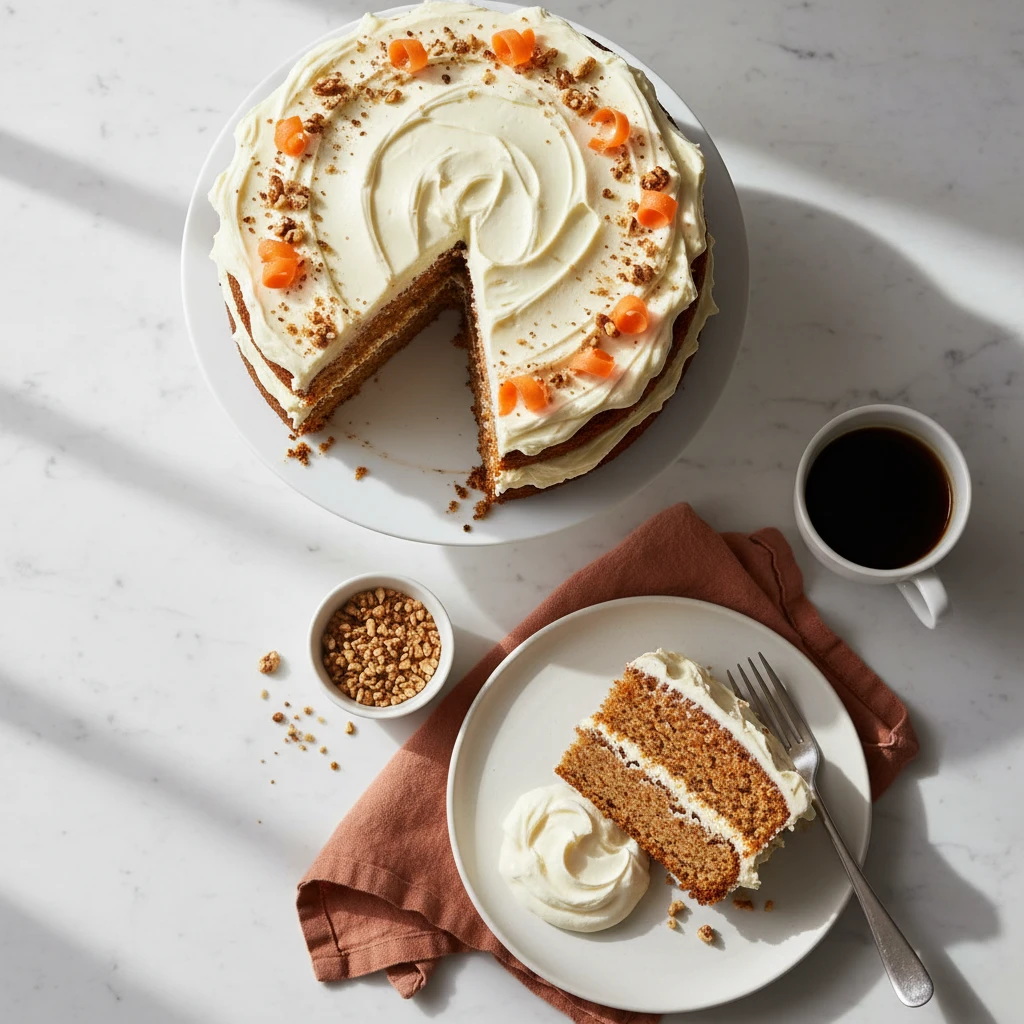
Classic Plating: Slice cake with a sharp knife dipped in hot water (wiped clean between cuts) and serve on individual dessert plates. Dust the plate lightly with extra powdered sugar and add a small dollop of frosting on the side for visual appeal.
Whipped Cream Accompaniment: Serve each slice with a generous dollop of fresh whipped cream on the side. The cool, fluffy texture contrasts beautifully with the spiced cake and rich frosting.
Spring Brunch Setting: Slice and serve on a tiered cake stand, surrounded by fresh flowers like peonies or ranunculus. Pair with fresh-brewed coffee, herbal tea, or mimosas for an elegant brunch presentation.
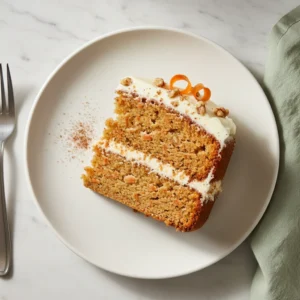
Garnish Ideas: Top each plated slice with a small candied carrot curl, a sprinkle of toasted walnuts, or a delicate walnut piece. A light dusting of ground cinnamon on the plate adds a sophisticated touch.
Parfait Style: Crumble leftover cake and layer it in a clear glass with cream cheese frosting and whipped cream for an elegant parfait presentation.
Casual Gathering: Serve straight from the cake stand with small plates and forks. Guests can help themselves, making it perfect for casual celebrations, office parties, or after-dinner entertaining.
Beverage Pairings: Carrot cake pairs wonderfully with strong coffee, spiced chai tea, hot apple cider, or a rich cream liqueur. For wine pairings, try a dessert wine like Riesling or Moscato.
Portability: This cake travels beautifully. Pack individual slices in small containers with parchment paper between layers for potlucks, picnics, or gifts.
 Save
SaveStorage and Reheating
Room Temperature Storage: Store unfrosted cooled cake layers wrapped tightly in plastic wrap at room temperature for up to 2 days. The cake stays moist and flavors develop beautifully.
Refrigerator Storage: Store the frosted cake covered loosely with plastic wrap or in an airtight container in the refrigerator for up to 5 days. The cold actually enhances slicing and makes the frosting easier to work with.
Freezer Storage (Unfrosted): Wrap completely cooled unfrosted cake layers individually in plastic wrap, then foil, and label with the date. Freeze for up to 3 months. Thaw at room temperature for 2–3 hours before frosting.
Freezer Storage (Frosted): Freeze the fully frosted cake uncovered for 3 hours until the frosting is solid, then wrap tightly in plastic wrap and foil. Freeze for up to 1 month. Thaw in the refrigerator overnight, then bring to room temperature 1 hour before serving.
Individual Slice Storage: Wrap individual slices tightly in plastic wrap and refrigerate for up to 5 days, or freeze for up to 2 months. Thaw at room temperature for 1–2 hours.
Reheating: Carrot cake is best served chilled or at room temperature straight from storage—no reheating necessary. If you’ve frozen it, allow it to thaw slowly in the refrigerator overnight, then leave it at room temperature for 30 minutes before serving. The cream cheese frosting may separate if heated, so never microwave or warm a frosted cake.
Frequently Asked Questions about Carrot Cake Supreme
Can I make carrot cake ahead of time?
Absolutely! Bake unfrosted cake layers up to 2 days ahead and wrap them tightly at room temperature, or freeze them for up to 3 months. Frosting can be made 1 day ahead and refrigerated. Assemble and frost the cake 24 hours before serving for best flavor development.
What’s the best way to get perfectly level cake layers?
Use a cake leveler or a long serrated knife to gently trim the domed tops flat after the cakes cool completely. Place the cake on a turntable and slowly rotate while keeping your knife level. This creates a flat surface for easy stacking and prevents the cake from sliding.
Can I use oil instead of butter in the frosting?
No—oil doesn’t work well in cream cheese frosting. Butter provides structure and stability to the frosting. However, you can replace the butter in the cake batter with an equal amount of melted coconut oil or light olive oil if desired.
Why is my cake gummy in the middle?
Gumminess usually means too much moisture or underbaking. Drain your crushed pineapple well before adding it to the batter, bake for the full time (test with a toothpick), and cool completely before frosting. Overbaking slightly is better than underbaking with this recipe.
Can I reduce the sugar in this recipe?
You can reduce sugar by up to 1/4 cup (from 1 3/4 cups to 1 1/2 cups), but the cake will be less moist and the frosting will need adjustment. Reduce frosting sugar to 2 3/4 cups. Reducing sugar too much affects texture and moisture, so adjust carefully.
How do I prevent the frosting from melting?
Keep frosted cake refrigerated until 15 minutes before serving. Ensure all ingredients (especially cream cheese and butter) are room temperature but not warm before beating. If your kitchen is very warm, apply frosting and immediately chill the cake for 30 minutes before serving.
Can I make this cake in a different pan size?
Yes! This recipe works in one 9×13-inch rectangular pan (45–50 minutes baking time) or three 8-inch round pans (reduce baking time to 28–32 minutes). Adjust baking time based on thickness—thinner cakes bake faster. Check with a toothpick for doneness.
Is there a dairy-free frosting option?
Yes—use dairy-free cream cheese and dairy-free butter in a 1:1 ratio with the original recipe. The frosting will be slightly less stable, so chill it thoroughly. Alternatively, make a coconut cream frosting using canned full-fat coconut milk whipped with powdered sugar and vanilla for a delicious dairy-free option.
Nutrition Facts
| Nutrient | Per Serving |
|---|---|
| Calories | 485 |
| Protein | 5.2 g |
| Carbohydrates | 58.3 g |
| Dietary Fiber | 1.1 g |
| Total Fat | 25.8 g |
| Saturated Fat | 8.4 g |
| Cholesterol | 62 mg |
| Sodium | 312 mg |
| Sugar | 44.2 g |
Note: Nutrition facts are estimated based on standard ingredient portions and serving size of 1 slice (from 8 slices total). Actual values may vary based on specific brands and preparation methods. This rich dessert is best enjoyed in moderate portions as part of a balanced diet.
Carrot Cake Supreme
Ingredients
- 2 cups all-purpose flour
- 2 teaspoons baking soda
- 1 teaspoon baking powder
- 1 teaspoon ground cinnamon
- 1/2 teaspoon ground nutmeg
- 1/4 teaspoon ground ginger
- 1/4 teaspoon ground cloves
- 1/2 teaspoon salt
- 1 3/4 cups granulated sugar
- 3/4 cup vegetable oil
- 3 large eggs
- 1 teaspoon vanilla extract
- 2 cups grated carrots about 4 medium carrots
- 1 cup crushed pineapple with juice
- 1/2 cup shredded coconut unsweetened
- 1/2 cup chopped walnuts
- 8 ounces cream cheese softened
- 1/2 cup butter softened
- 3 cups powdered sugar
- 1 teaspoon vanilla extract
- 2 tablespoons cream or milk
Instructions
- Prep the pans: Preheat your oven to 350°F (175°C). Grease two 9-inch round cake pans well with butter or cooking spray, then line the bottoms with parchment paper circles—this prevents sticking. If you prefer, use one 9x13-inch rectangular pan instead. Let the pans sit at room temperature while you prepare the batter. Checkpoint: Your oven should be fully preheated and your pans ready to fill.
- Combine dry ingredients: In a medium mixing bowl, add 2 cups all-purpose flour, 2 teaspoons baking soda, 1 teaspoon baking powder, 1 teaspoon ground cinnamon, 1/2 teaspoon ground nutmeg, 1/4 teaspoon ground ginger, 1/4 teaspoon ground cloves, and 1/2 teaspoon salt. Whisk these together with a wire whisk for about 30 seconds, breaking up any lumps and fully incorporating the spices. This ensures even distribution throughout the cake. Checkpoint: Your dry mixture should be light and uniform in color with no visible lumps.
- Combine wet ingredients: In a large mixing bowl, whisk together 1 3/4 cups granulated sugar and 3/4 cup vegetable oil for about 1 minute until slightly combined—the mixture doesn't need to be perfectly smooth, just blended. Add 3 large eggs one at a time, whisking vigorously after each addition for about 20 seconds. The mixture should lighten slightly and become slightly pale. Stir in 1 teaspoon vanilla extract with a spatula. Checkpoint: Your mixture should look creamy and slightly thickened, with no visible egg streaks.
- Combine wet and dry: Pour the dry ingredient mixture into the wet ingredients. Using a rubber spatula or wooden spoon, gently fold the ingredients together using a scooping and turning motion—avoid vigorous stirring, which develops gluten and makes the cake tough. Fold until just a few streaks of flour remain visible (about 15–20 folds). Do not overmix. Checkpoint: You should see no dry flour streaks, and the batter should look lumpy but combined.
- Add mix-ins: Fold in 2 cups grated carrots (measure after shredding; use about 4 medium carrots), 1 cup crushed pineapple with its juice, 1/2 cup shredded unsweetened coconut, and 1/2 cup chopped walnuts using gentle folding motions. The batter will be thick and studded with ingredients. Checkpoint: All ingredients should be evenly distributed throughout, and the batter should smell warm and fragrant.
- Fill pans and level: Pour the batter into your prepared pans, dividing evenly between two round pans or spreading into the rectangular pan. Use an offset spatula or the back of a spoon to gently smooth the tops, creating an even surface. For round pans, the batter should reach about 3/4 inch up the sides. Checkpoint: Your pans are ready to bake with level, evenly distributed batter.
- Bake the cake: Place the pans in the preheated 350°F oven on the middle rack. Bake for 35–40 minutes if using 9-inch round pans, or 45–50 minutes if using a 9x13-inch rectangular pan. The cake is done when a toothpick inserted into the center comes out with just a few moist crumbs clinging to it (not wet batter, but not completely dry either). The top should spring back lightly when touched, and the edges should pull slightly away from the pan sides. Checkpoint: The cake should smell rich and spiced, and the toothpick test confirms doneness.
- Cool in pan: Remove the pans from the oven and place on wire cooling racks. Let the cakes rest in their pans for exactly 15 minutes—this allows the structure to set. The cakes should still feel warm but not hot. Checkpoint: The cakes have pulled slightly from the pan edges and feel firm enough to turn out.
- Turn out to cool: Run a thin knife around the edges of each cake to loosen it from the pan sides. Place a wire cooling rack on top of the cake, then flip the pan and rack together so the cake falls onto the rack. Remove the pan and peel off the parchment paper from the bottom. If the paper sticks, spray it lightly with water first. Let the cakes cool completely on the racks at room temperature—this takes 1–2 hours. The cakes should feel room temperature to the touch before frosting. Checkpoint: Both cake layers are cool, level, and ready for frosting.
- Prepare frosting (while cakes cool): In a medium mixing bowl, combine 8 ounces softened cream cheese and 1/2 cup softened butter (cut into chunks). Beat with an electric mixer on medium speed for 2–3 minutes, scraping down the bowl occasionally, until the mixture is light, fluffy, and pale (it should lighten by about one shade). The mixture should resemble fluffy clouds. Checkpoint: The cream cheese and butter are fully combined and fluffy with no visible lumps.
- Add sugar and flavorings: Gradually add 3 cups powdered sugar, 1 teaspoon vanilla extract, and 2 tablespoons cream or milk to the frosting. Start on low speed, then increase to medium speed, beating for 2–3 minutes total. Add the milk or cream only 1 tablespoon at a time—you want the frosting thick enough to spread but not runny. If it's too thick, add a splash more milk; if it's too thin, add a bit more powdered sugar. The frosting should be creamy, spreadable, and hold gentle peaks. Checkpoint: Your frosting is smooth, creamy, and the right consistency to spread on the cake.
- Assemble two-layer cake: Place the first completely cooled cake layer on your serving plate, cake board, or pedestal cake stand. Using an offset spatula or the back of a spoon, spread about 3/4 cup of frosting evenly over the top of this layer, leaving about a 1/2-inch border. Carefully place the second cake layer on top, centering it. Checkpoint: Your two layers are stacked, centered, and level.
- Frost the exterior: Spread a thin layer of frosting (the crumb coat) over the top and sides of the stacked cake using long, smooth strokes—this prevents cake crumbs from showing in the final layer. Refrigerate the cake for 15 minutes so this layer sets. Then add a thicker frosting layer on top and sides, smoothing it with an offset spatula dipped in warm water for a polished finish. Checkpoint: The cake is fully frosted with a smooth, professional appearance.
- For single-layer rectangular cake: If using a 9x13-inch rectangular pan, frost the top and sides of the cake once it's completely cooled. Use an offset spatula to create decorative swirls or keep it smooth, depending on your preference. Checkpoint: Your cake is fully frosted and ready to serve or refrigerate.
- Chill and serve: Refrigerate the frosted cake for at least 30 minutes (up to 24 hours) before serving. This allows flavors to meld and makes slicing cleaner. Cut slices with a long, sharp knife dipped in hot water and wiped clean between cuts. Serve chilled or at room temperature.