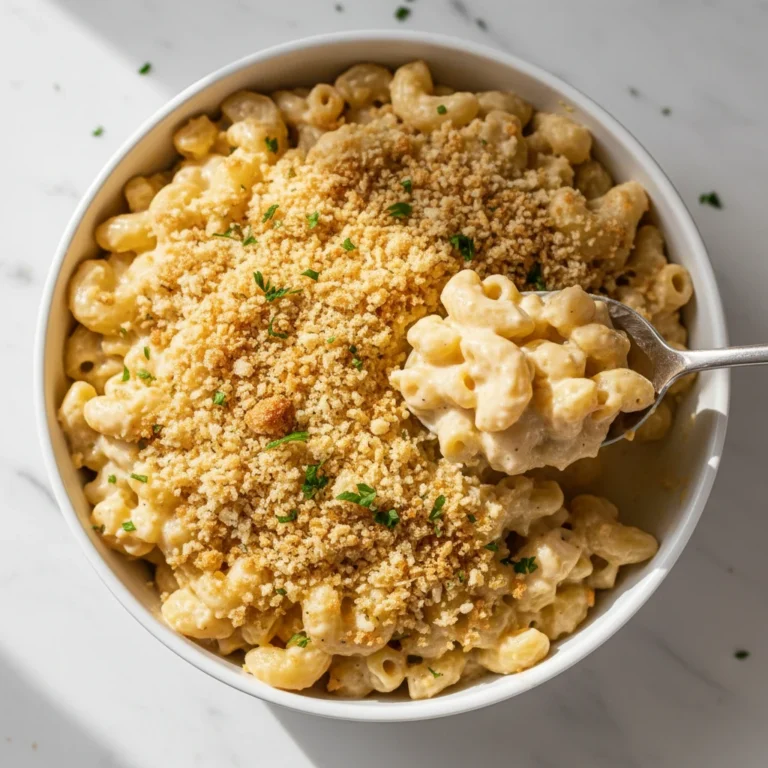
Reasons to Try Cottage Cheese Mac and Cheese
Protein-Packed Comfort Food: The cottage cheese addition provides extra protein without compromising on creaminess. This makes the dish more satisfying and helps keep you fuller longer—ideal for families looking for nutritious meal options.
Creamy Without the Heaviness: Unlike traditional versions that rely solely on cream and butter, cottage cheese creates a luxuriously smooth sauce with fewer calories and less saturated fat. The curds blend seamlessly into the cheese sauce for a silky texture.
Budget-Friendly and Versatile: Cottage cheese is often more affordable than heavy cream, making this dish economical for feeding a crowd. You can easily customize the cheese blend or add vegetables like broccoli, peas, or jalapeños.
Crispy Baked Topping: The optional panko and Parmesan topping adds textural contrast with a golden, crunchy finish that bakes to perfection in the oven.
Make-Ahead Friendly: Assemble this dish hours ahead and bake when ready, or store leftovers for quick reheating throughout the week.
 Save
SaveIngredients Notes
- Elbow pasta
- Unsalted butter
- All-purpose flour
- Whole milk
- Sharp cheddar cheese, shredded
- Gruyere cheese, shredded
- Cottage cheese
- Dijon mustard
- Cayenne pepper
- Kosher salt
- Black pepper
- Garlic powder
- Onion powder
- Panko breadcrumbs
- Melted butter
- Grated Parmesan cheese
- Fresh parsley, chopped
How to Make Cottage Cheese Mac and Cheese
- Preheat oven to 375°F and cook pasta until just al dente (about 2 minutes less than package directions). Drain and set aside.
- Melt butter in a large saucepan over medium heat, then whisk in flour to form a roux and cook for 1 minute, stirring constantly.
- Slowly pour in milk while whisking to avoid lumps, then continue stirring until the sauce thickens (about 5 minutes).
- Remove from heat and stir in cheddar, gruyere, and cottage cheese until completely melted and smooth.
- Season with mustard, cayenne, salt, pepper, garlic powder, and onion powder, then stir in the cooked pasta.
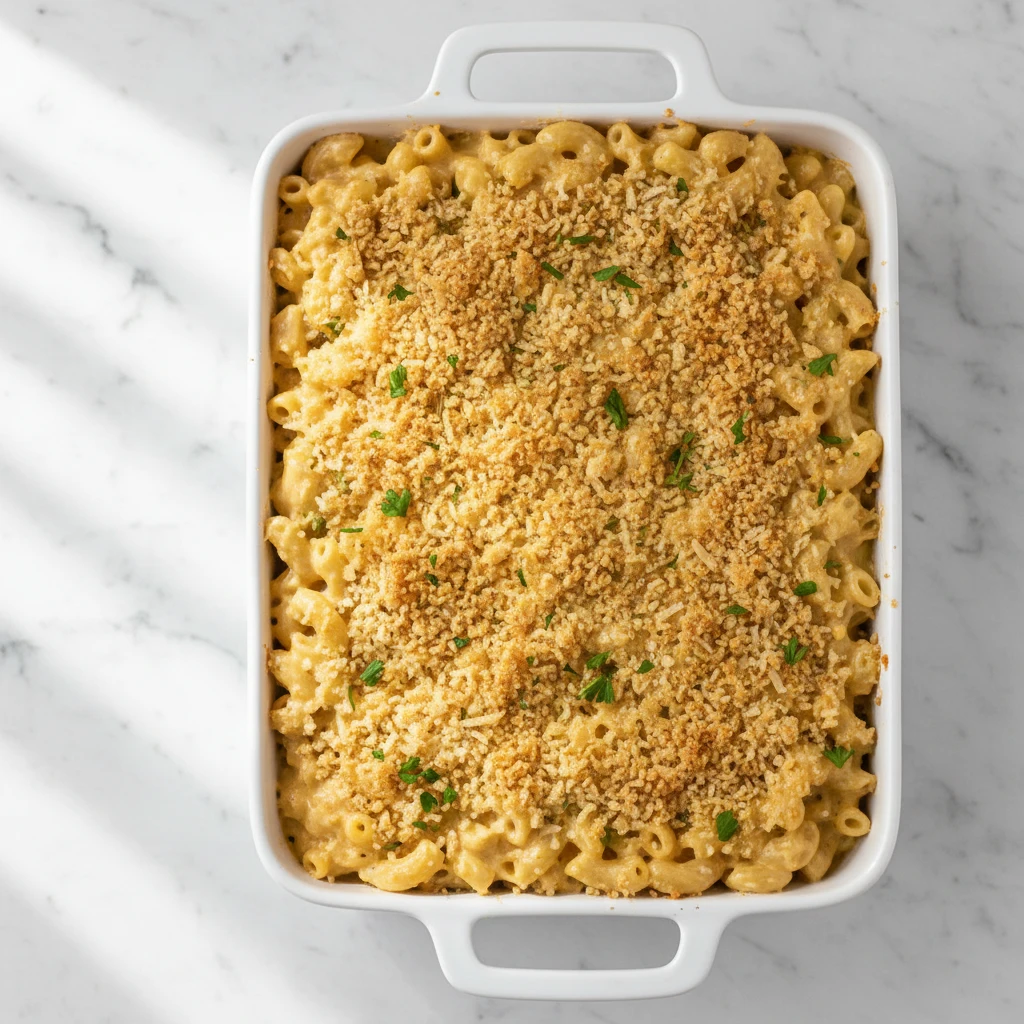
- Transfer to a buttered 9×13-inch baking dish and spread evenly.
- Combine panko, melted butter, and Parmesan in a small bowl, then sprinkle over the top.
- Bake for 25-30 minutes until the topping is golden brown and the sauce bubbles at the edges.
- Let rest for 5 minutes before serving, then garnish with fresh parsley.
What You Must Know About Cottage Cheese Mac and Cheese
Blending the Cottage Cheese: For the smoothest sauce, use small-curd cottage cheese rather than large-curd. If you only have large-curd available, use an immersion blender on the sauce for 30 seconds after adding the cottage cheese to break down the curds and create a silkier texture.
Don’t Overcook the Pasta: This is critical. Cook pasta 1-2 minutes less than package directions since it will continue cooking in the oven. Overcooked pasta becomes mushy and breaks apart in the sauce.
Cheese Selection Matters: Use freshly shredded cheese from a block rather than pre-shredded cheese in bags. Pre-shredded contains anti-caking agents that prevent smooth melting and can result in a grainy sauce.
Make-Ahead Strategy: Assemble the entire dish several hours ahead or the night before. Cover with foil and refrigerate. When ready to bake, add 10-15 minutes to the baking time since it starts cold.
Temperature Control: Use medium heat when making the roux and sauce. Too-high heat can cause the milk to scald or the cheese to separate and become oily.
Helpful Tips: For extra richness, substitute half of the milk with half-and-half cream. For a lighter version, use Greek yogurt instead of half the cottage cheese. If you prefer a spicier kick, add a pinch more cayenne or a diced jalapeño. For added nutrition and texture, stir in steamed broccoli florets or peas just before transferring to the baking dish.
Variations and Substitutions
Vegetable Additions: Fold in 1-2 cups of steamed broccoli florets, peas, or diced red bell peppers after the cheese sauce is complete but before adding the pasta. Roasted mushrooms or caramelized onions also work beautifully.
Protein Boost: Add 1 cup of diced cooked bacon, ham, or ground sausage to the pasta mixture for a heartier main course. Alternatively, add 1/2 cup chopped rotisserie chicken.
Different Cheese Blends: Experiment with smoked gouda, fontina, or aged white cheddar instead of gruyere. Or use all sharp cheddar for a more intense cheese flavor.
Spice Variations: Add 1/2 teaspoon smoked paprika for depth, a pinch of nutmeg for warmth, or fresh thyme and sage for an herbaceous note.
No-Bake Version: Skip the topping and oven baking. Serve the stovetop mac and cheese directly in bowls topped with a sprinkle of crispy fried onions or crushed crackers.
Lighter Version: Replace whole milk with 2% milk, reduce butter to 2 tablespoons, and substitute half the cottage cheese with Greek yogurt for fewer calories while maintaining creaminess.
Gluten-Free Option: Use gluten-free pasta and gluten-free all-purpose flour (with xanthan gum) in the roux to make this dish suitable for gluten-free diets.
Serving Suggestions for Cottage Cheese Mac and Cheese
Classic Plating: Serve in a warm bowl or shallow plate with a sprinkle of fresh chopped parsley and a crack of black pepper. A pat of butter on top adds elegance and extra richness.
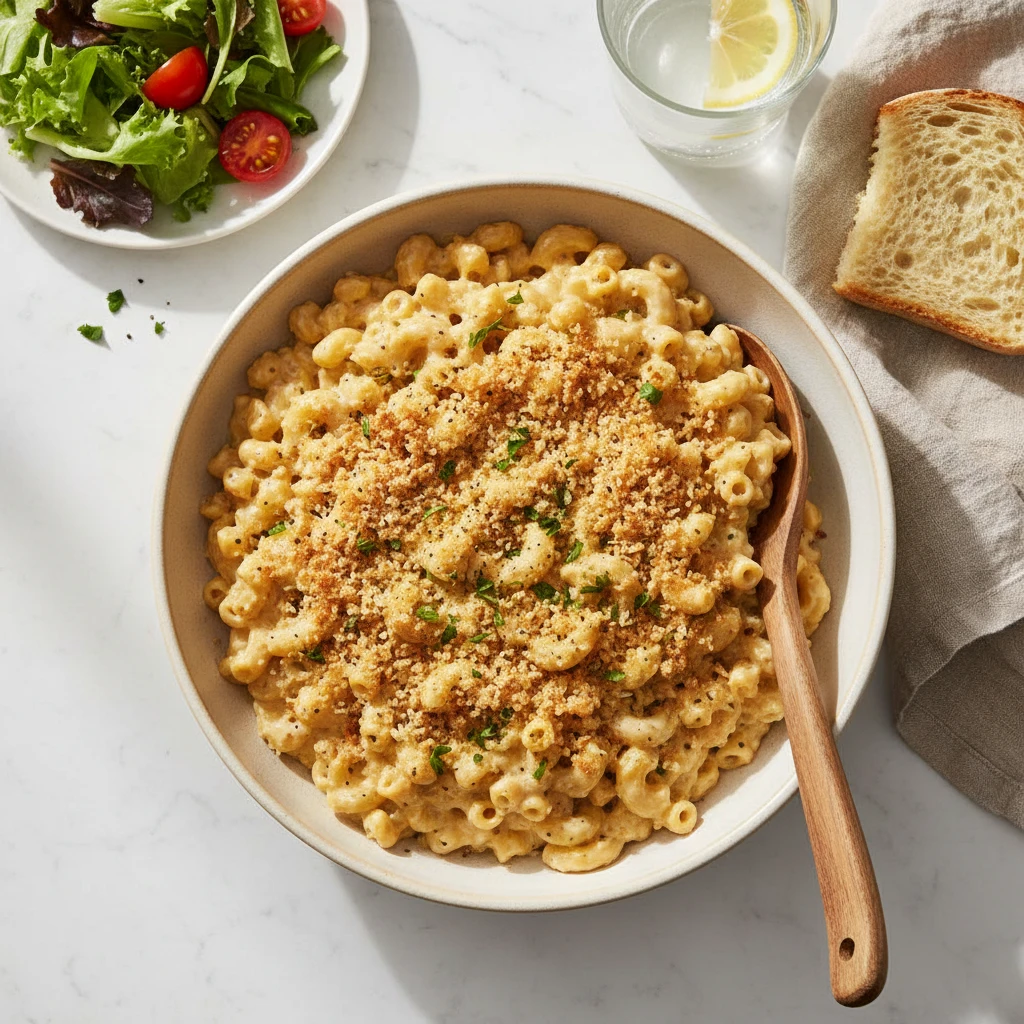
With Fresh Greens: Serve alongside a crisp green salad dressed with a tangy vinaigrette to cut through the richness and add freshness to the meal.
Breadcrumb Crunch: Top individual servings with toasted panko, crispy bacon bits, or fried onions for added texture contrast.
Vegetable Sides: Pair with roasted asparagus, grilled zucchini, or steamed green beans to add color and balance to the plate.
Casual Entertaining: Serve directly from the baking dish at a casual dinner party or potluck with crusty bread for scooping and sharing.
Comfort Meal Style: Serve in generous bowls with a sprinkle of smoked paprika, fresh chives, and a dollop of sour cream on the side for guests to customize.
Breadstick Pairing: Accompany with warm garlic breadsticks or focaccia for dipping into any extra sauce at the bottom of the bowl.
 Save
SaveStorage and Reheating
Refrigerator Storage: Store any leftovers in an airtight container in the refrigerator for up to 4 days. The pasta will firm up slightly as it cools, which is normal.
Freezing: This dish freezes well for up to 2 months. Cool completely before transferring to a freezer-safe container or heavy-duty freezer bag. Label with the date.
Reheating from Refrigerator: Transfer to a baking dish, cover loosely with foil, and reheat at 350°F for 15-20 minutes until heated through, stirring halfway through. The sauce should be creamy again once warmed.
Reheating from Frozen: Thaw in the refrigerator overnight if possible. If reheating directly from frozen, bake covered at 350°F for 40-50 minutes, stirring occasionally, until completely heated through. Add a splash of milk if the sauce seems too thick.
Stovetop Reheating: Transfer leftovers to a saucepan and warm over medium-low heat, stirring frequently and adding a splash of milk if needed to restore creaminess. Heat for 5-10 minutes until hot throughout.
Microwave Reheating: Transfer a single serving to a microwave-safe bowl, cover loosely, and heat at 50% power for 2-3 minutes, stirring halfway through to ensure even heating. Avoid high power, which can cause the sauce to separate.
Frequently Asked Questions about Cottage Cheese Mac and Cheese
Why use cottage cheese in mac and cheese?
Cottage cheese adds protein, creaminess, and nutrition to traditional mac and cheese without the heaviness of heavy cream. It blends into the sauce to create a smooth, luxurious texture while keeping the dish lighter and more balanced nutritionally. It’s also typically more budget-friendly than cream.
Can I use Greek yogurt instead of cottage cheese?
Yes, Greek yogurt works as a substitute for up to half of the cottage cheese. It adds tang and protein, though it’s slightly thinner in texture. If substituting all of it, use it by volume but reduce milk by 1/4 cup to maintain the right sauce consistency. Stir it in after removing from heat to prevent curdling.
What’s the best cheese combination?
Sharp cheddar and gruyere is classic and recommended. However, you can use all sharp cheddar for intensity, add smoked gouda for depth, or substitute fontina for a nuttier flavor. Avoid processed cheese slices, which don’t melt smoothly. Always use freshly shredded cheese from blocks for the creamiest results.
How do I prevent a grainy, separated sauce?
Grainy sauce usually results from overheating, using pre-shredded cheese with anti-caking agents, or adding cheese at too high a temperature. Use medium heat throughout, use freshly shredded cheese, and remove from heat before stirring in the cheese. If separation occurs, whisk in a splash of cold milk and reheat gently over low heat.
Can I make this dairy-free?
Yes, though results will differ. Use a dairy-free milk alternative (cashew, oat, or soy work best), dairy-free butter, and a dairy-free cheese blend. Nutritional yeast adds cheesy flavor. For the creaminess, blend 1 cup silken tofu with the milk before making the roux. The texture won’t be identical but will still be creamy and satisfying.
How far in advance can I assemble this dish?
You can assemble the complete, unbaked dish up to 24 hours in advance. Cover tightly with plastic wrap or foil and refrigerate. When ready to bake, add about 10-15 minutes to the baking time since it starts cold. This is perfect for meal prep or entertaining.
Is cottage cheese mac and cheese healthy?
Compared to traditional mac and cheese made with heavy cream and butter alone, cottage cheese mac and cheese is more protein-rich and slightly lower in calories. However, it’s still a comfort food. Each serving contains approximately 350-400 calories and 18-22 grams of protein. The addition of vegetables increases fiber and nutrients.
Nutrition Facts (Per Serving)
| Nutrient | Per Serving |
|---|---|
| Calories | 385 |
| Protein | 21g |
| Carbohydrates | 42g |
| Dietary Fiber | 2g |
| Total Fat | 16g |
| Saturated Fat | 9g |
| Trans Fat | 0g |
| Cholesterol | 48mg |
| Sodium | 620mg |
| Calcium | 380mg |
| Iron | 2mg |
Dietary Notes: This recipe is not vegetarian due to potential animal rennet in some cheeses (verify packaging). Each serving provides substantial protein from cottage cheese and cheddar, making it satisfying as a main course. The dish can be made gluten-free by substituting gluten-free pasta and flour. Sodium content is moderate; reduce salt if needed for low-sodium diets.
Cottage Cheese Mac and Cheese
Ingredients
- 1 pound elbow pasta
- 4 tablespoons unsalted butter
- 3 tablespoons all-purpose flour
- 2 cups whole milk
- 1 cup sharp cheddar cheese shredded
- 1 cup gruyere cheese shredded
- 1 cup cottage cheese
- 1/2 teaspoon Dijon mustard
- 1/4 teaspoon cayenne pepper
- 1/2 teaspoon kosher salt
- 1/4 teaspoon black pepper
- 1/4 teaspoon garlic powder
- 1/4 teaspoon onion powder
- 1/2 cup panko breadcrumbs
- 2 tablespoons melted butter
- 1/4 cup grated Parmesan cheese
- 2 tablespoons fresh parsley chopped
Instructions
- Preheat your oven to 375°F. Fill a large pot with salted water and bring to a rolling boil—about 8-10 minutes.
- Add 1 pound elbow pasta to the boiling water and cook for 1-2 minutes less than the package directions suggest (usually 6-7 minutes total). The pasta should be tender but still have a slight firmness when you bite it. Drain in a colander and set aside in a large bowl.
- In a large saucepan, melt 4 tablespoons of unsalted butter over medium heat—about 1-2 minutes until foamy and golden.
- Sprinkle 3 tablespoons of all-purpose flour over the melted butter and whisk constantly for 1 minute. This mixture (called a roux) should look like wet sand and smell toasty but not brown.
- Very slowly pour in 2 cups of whole milk while whisking vigorously to prevent lumps from forming. Continue whisking constantly for 4-5 minutes until the mixture thickens enough to coat the back of a spoon and leaves a clear trail when you drag your finger across it. Checkpoint: You are ready to move on when the sauce is smooth and has thickened noticeably.
- Remove the saucepan from the heat and add 1 cup shredded sharp cheddar cheese and 1 cup shredded gruyere cheese. Stir gently for 1-2 minutes until the cheeses are completely melted and incorporated into the sauce.
- Add 1 cup cottage cheese to the sauce and stir for 2-3 minutes until no lumps remain and the mixture looks smooth and creamy. You may use an immersion blender for 30 seconds if any lumps persist.
- Stir in 1/2 teaspoon Dijon mustard, 1/4 teaspoon cayenne pepper, 1/2 teaspoon kosher salt, 1/4 teaspoon black pepper, 1/4 teaspoon garlic powder, and 1/4 teaspoon onion powder. Mix well—about 1 minute.
- Pour the cheese sauce over the drained pasta and stir gently with a rubber spatula for 2-3 minutes until every piece of pasta is coated. Checkpoint: You are ready to move on when the sauce clings to the pasta and everything is evenly combined.
- Butter a 9x13-inch baking dish lightly with a little extra butter. Pour the pasta mixture into the dish and spread it level with a spatula.
- In a small bowl, combine 1/2 cup panko breadcrumbs, 2 tablespoons melted butter (drizzle and stir with a fork), and 1/4 cup grated Parmesan cheese. Mix until the breadcrumbs are evenly moistened and look like coarse sand.
- Sprinkle the breadcrumb mixture evenly over the top of the mac and cheese. Don't press it down—just let it sit loosely on the surface.
- Place the baking dish in the preheated 375°F oven on the middle rack and bake for 25-30 minutes. The topping should turn golden brown and the sauce should bubble gently around the edges of the dish when done. The top may smell nutty and toasted.
- Remove from the oven and let rest undisturbed on the counter for 5 minutes—this allows the sauce to set slightly so it won't run when you serve it.
- Sprinkle 2 tablespoons of fresh chopped parsley over the top for color and a fresh herbal note.
- Scoop into bowls or plates using a spoon and serve immediately while hot.