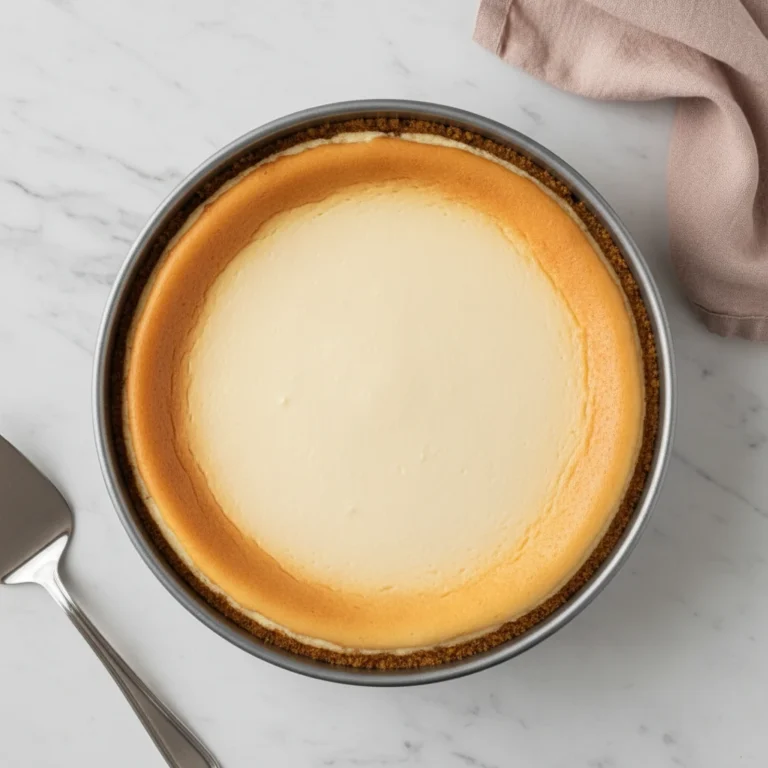
A cream cheese cheesecake is the quintessential dessert that delivers rich, velvety indulgence in every bite. This classic dessert features a tender graham cracker crust and a smooth, creamy filling that melts on your tongue. The combination of tangy cream cheese, eggs, and sour cream creates the perfect balance of flavor and texture. Whether you’re baking for a special occasion or a casual dinner, this timeless cake is always a crowd-pleaser that feels impressive yet surprisingly achievable for home bakers.
Reasons to Try Cream Cheese Cheesecake
Ultimate Comfort Dessert: The velvety texture and rich flavor of cream cheese cheesecake make it the ultimate comfort dessert. It’s elegant enough for fancy dinners yet comforting enough for casual gatherings.
Versatile and Customizable: While this classic version is perfect on its own, you can easily customize it with fruit toppings, chocolate swirls, or different crust options. The blank canvas of a traditional cheesecake allows for endless creativity.
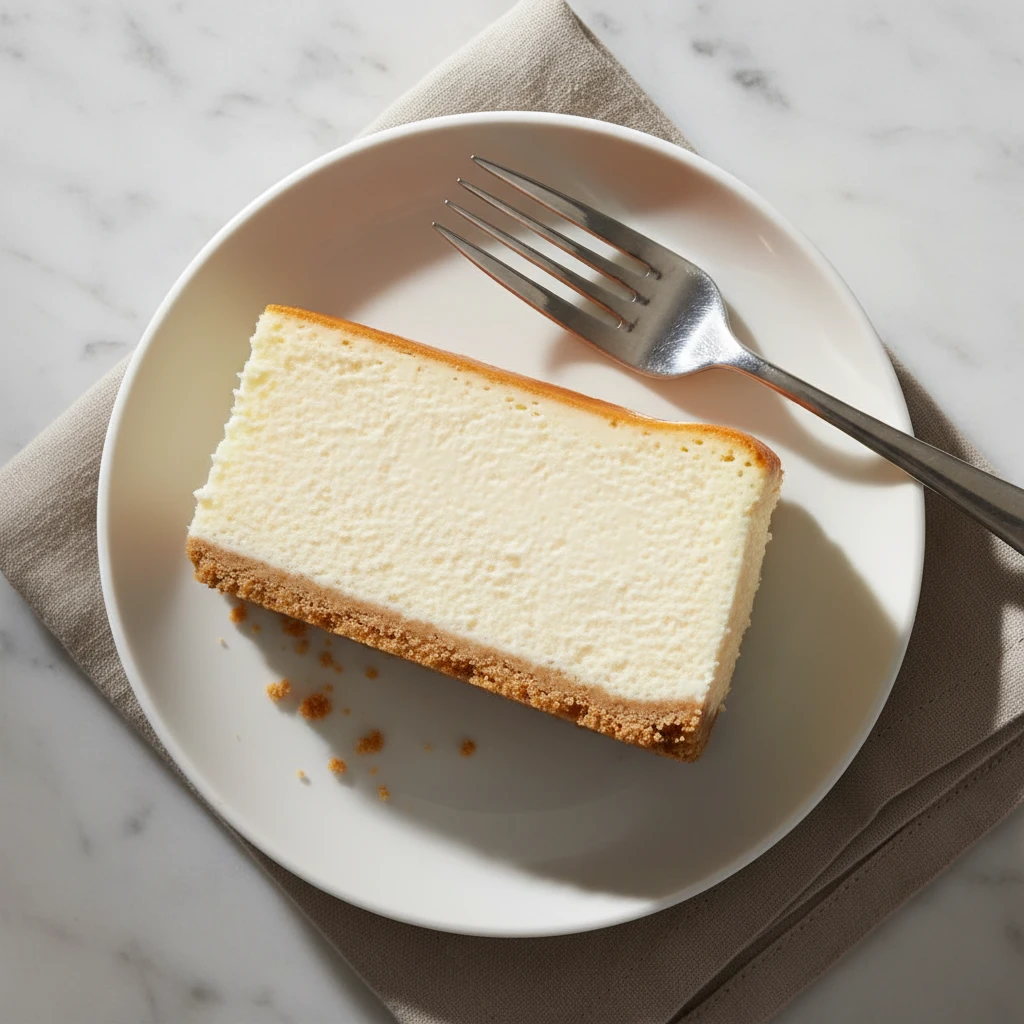
Impressive Presentation: A homemade cheesecake looks restaurant-quality and is sure to impress your guests. The creamy, smooth top and clean slices demonstrate professional baking skills.
Perfect Texture Balance: The combination of a crispy-buttery crust and silky-smooth filling creates an irresistible contrast that makes each forkful memorable.
Make-Ahead Friendly: Cheesecake actually improves with time, making it an ideal dessert to prepare a day or two ahead of your event, reducing stress on the actual day.
 Save
SaveIngredients Notes
For the Crust
- Graham cracker crumbs
- Granulated sugar
- Unsalted butter, melted
For the Filling
- Cream cheese, room temperature
- Granulated sugar
- All-purpose flour
- Cornstarch
- Vanilla extract
- Salt
- Eggs, room temperature
- Sour cream
- Lemon juice
How to Make Cream Cheese Cheesecake
For the Crust
- Preheat oven to 325°F and wrap the outside of a 9-inch springform pan with aluminum foil.
- Mix graham cracker crumbs, sugar, and melted butter until the mixture resembles wet sand.
- Press firmly into the bottom of the prepared pan and bake for 8 minutes until golden.
- Remove and let cool slightly while preparing the filling.
For the Filling
- Beat cream cheese on medium speed until creamy and smooth, about 2 minutes.
- Add sugar, flour, cornstarch, vanilla extract, and salt, mixing on low speed until just combined.
- Add eggs one at a time, beating on low speed after each addition just until incorporated.
- Gently fold in sour cream and lemon juice with a spatula.
- Pour filling over the cooled crust and smooth the top.
- Place the springform pan in a larger roasting pan and add hot water to the roasting pan until it reaches halfway up the sides of the springform pan.
- Bake for 55–65 minutes until the edges are set but the center still jiggles slightly when gently shaken.
- Turn off the oven, crack the door open 4 inches, and let the cheesecake sit for 1 hour to cool gradually.
- Remove from oven and water bath, then refrigerate for at least 8 hours or overnight before serving.
What You Must Know About Cream Cheese Cheesecake
Room Temperature Ingredients Are Non-Negotiable: Cream cheese, eggs, and sour cream must all be at room temperature. Cold ingredients won’t blend smoothly, resulting in a lumpy, dense filling. Remove them from the refrigerator 1–2 hours before baking.
Don’t Overmix: Overmixing incorporates excess air into the batter, which causes the classic cheesecake cracks on top. Mix on low speed and use a spatula to fold in the final ingredients. Smooth, controlled mixing is the key to a crack-free finish.
Water Bath is Essential: The water bath (called a bain-marie) is not optional — it ensures gentle, even heat distribution and prevents the filling from cracking or curdling. The moisture also helps prevent the top from drying out. Always wrap your springform pan completely with foil to prevent water seepage.
Perfect Doneness is the Sweet Spot: Bake until the edges are set and firm but the center still jiggles slightly (about a 2-inch circle). Overbaking creates a dry, cracked cake. The residual heat will continue cooking as it cools in the oven.
Gradual Cooling Prevents Cracks: Resist the urge to open the oven or remove the cheesecake immediately after baking. Cracking happens when temperature changes too quickly. Let it cool in the turned-off oven for 1 full hour with the door cracked open.
Chill Overnight Before Serving: Cheesecake needs at least 8 hours (preferably 12–24 hours) of refrigeration to set properly and develop the best texture and flavor. The cake actually improves the next day, so bake it 1–2 days ahead.
Helpful Tips:
Prevent Soggy Crust: Pre-bake the crust for 8 minutes before adding the filling. This creates a moisture barrier and keeps the crust crispy instead of soggy.
Clean Slices: Dip your knife in hot water and wipe it clean with a kitchen towel between each slice. This ensures clean, beautiful cuts. A serrated knife also works well.
Lemon Juice Benefits: The lemon juice adds subtle brightness and helps prevent a dense, heavy texture. Don’t skip it — it makes a noticeable difference in the final result.
Make It Ahead: Cheesecake freezes beautifully for up to 3 months. Wrap the fully cooled, unmolded cheesecake tightly in plastic wrap and then foil. Thaw overnight in the refrigerator before serving.
Springform Pan Alternative: If you don’t have a springform pan, you can use a 9-inch round baking pan, but you’ll need to serve the cheesecake directly from the pan or invert it onto a serving plate.
Variations and Substitutions
New York-Style Cheesecake: For a denser, more intensely flavored version, increase the cream cheese to 40 ounces and reduce the sour cream to 1/4 cup. This creates the iconic thick, rich cake found in New York delis.
No-Crack Cheesecake: Add 2 tablespoons of cornstarch to the filling and reduce the eggs to 3 instead of 4. This creates a sturdier structure less prone to cracking, though it will be slightly less creamy.
Individual Cheesecake Cups: Pour the filling into a muffin tin lined with cupcake liners (fill each about 3/4 full) and bake for 18–22 minutes at 325°F until set at the edges but still slightly jiggly in the center. These make elegant individual servings.
Berry Topping Variation: Top the cooled cheesecake with a berry compote made by simmering 2 cups fresh or frozen berries with 1/4 cup sugar and 1 tablespoon lemon juice for 10–15 minutes until thickened.
Chocolate Swirl Cheesecake: Melt 1 cup semi-sweet chocolate and drizzle it over the filling before baking. Use a knife to swirl the chocolate through the cream cheese mixture in decorative patterns.
No-Bake Cheesecake: If you prefer a no-bake version, use 1/2 cup graham cracker crust as described, then whip 16 ounces softened cream cheese with 1/4 cup powdered sugar and 1 cup heavy whipped cream. Spread over crust and refrigerate for 6 hours. This creates a lighter, mousse-like texture.
Ingredient Substitutions: You can substitute the graham cracker crust with digestive biscuits (about 2 cups crushed), vanilla wafers, or even brownie crumbs for a chocolate twist. Almond flour can replace up to 1/4 of the graham crackers for a nuttier crust. Greek yogurt can replace up to 1/4 cup of the sour cream for extra tang.
Serving Suggestions for Cream Cheese Cheesecake
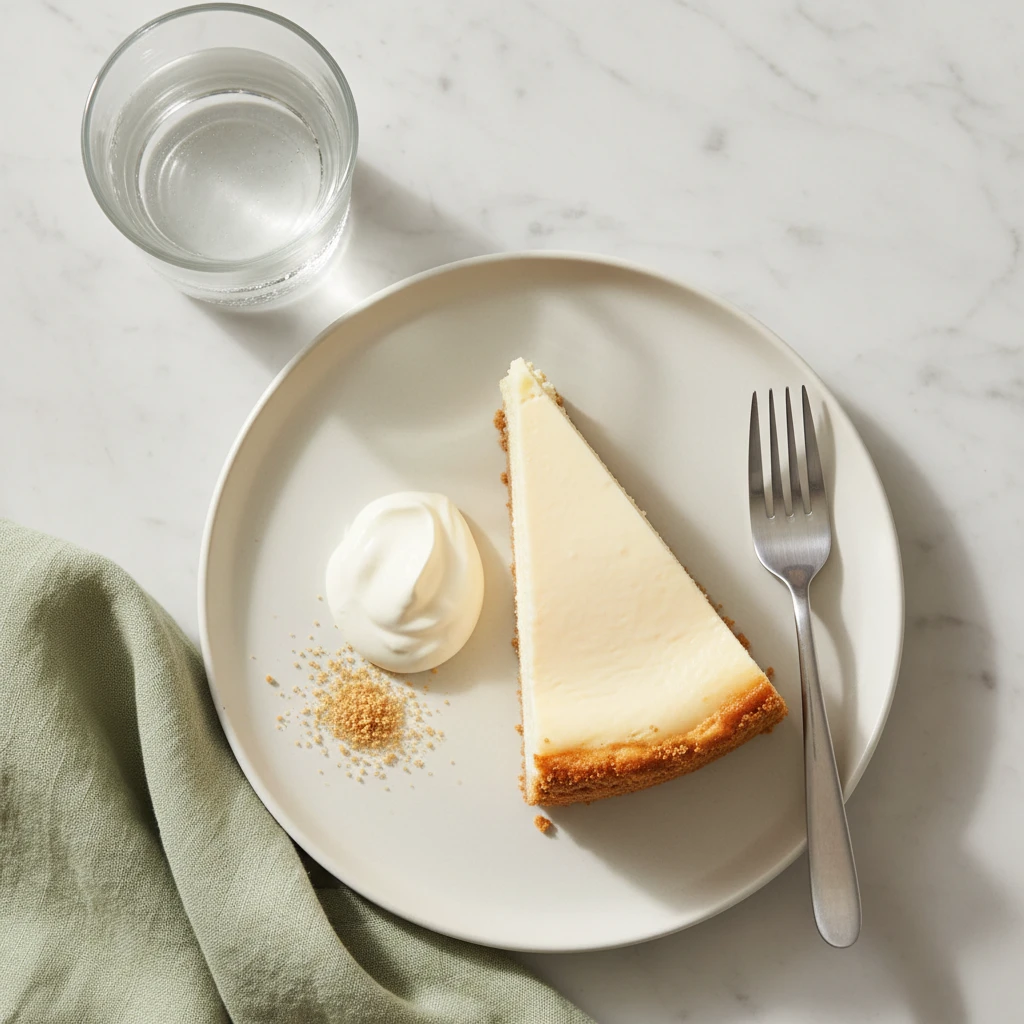
Classic and Simple: Serve slices plain with just a fork — the creamy filling and buttery crust shine on their own. This is perfect for showcasing a perfectly baked cheesecake.
Fresh Berry Topping: Arrange fresh strawberries, raspberries, or blueberries on top of each slice. The bright, tart berries complement the rich cream cheese beautifully and add visual appeal.
Berry Compote or Coulis: Drizzle a glossy berry coulis or compote (made from cooked berries) over the top of each slice. This adds color, flavor, and elegance.
Chocolate Drizzle: Melt dark or milk chocolate and drizzle it across the plate or over the slice for a decadent touch. White chocolate adds a luxurious contrast.
Caramel or Dulce de Leche: Swirl caramel sauce or dulce de leche over the cheesecake for a sweet, indulgent serving that pairs perfectly with coffee.
Sour Cream Topping Layer: Mix 1 cup sour cream with 2 tablespoons sugar and 1/2 teaspoon vanilla extract. Spread this over the cooled cheesecake for a tangy finish that adds moisture and visual interest.
Fruit and Nut Combination: Top with candied nuts, crushed graham crackers, or a sprinkle of lemon zest for added texture and flavor complexity.
Seasonal Garnish: In spring, add fresh mint leaves or edible flowers. In fall, top with a touch of pumpkin spice dust or candied pecans.
Coffee Pairing: Serve with hot coffee, espresso, or cappuccino — the bitterness of coffee provides the perfect counterbalance to the richness of the cheesecake.
Plating Tip: For a restaurant-quality presentation, place a slice on a chilled plate, add toppings just before serving, and wipe the plate edges clean with a cloth before presenting.
 Save
SaveStorage and Reheating
Refrigerator Storage: Store leftover cheesecake (while still in the springform pan or transferred to an airtight container) in the refrigerator for up to 5 days. Always cover it with plastic wrap or aluminum foil to prevent the top from absorbing odors or drying out. The cheesecake will stay moist and creamy throughout the storage period.
Freezer Storage: Cheesecake freezes exceptionally well for up to 3 months. Wait until the cheesecake is completely cooled, then wrap the entire cake (either in or out of the pan) tightly first in plastic wrap and then in aluminum foil to prevent freezer burn. Label with the date. To thaw, transfer to the refrigerator and allow 8–12 hours to thaw completely before serving.
Serving Individual Slices: If you’re storing individual slices, wrap each one separately in plastic wrap and place in an airtight container. This prevents the slices from sticking together and makes it easy to grab one slice at a time.
Reheating: Cheesecake is best served chilled directly from the refrigerator, not reheated. If your cheesecake has been frozen and thawed, simply refrigerate it overnight before slicing and serving. Never microwave cheesecake as this will cause it to become rubbery and the texture will be compromised.
Making It Last: To prevent the crust from becoming soggy if storing for several days, keep the cheesecake in the springform pan until ready to serve, then release it and slice as needed. This maintains the crust’s crispness longer.
Frequently Asked Questions about Cream Cheese Cheesecake
Why did my cheesecake crack on top?
Cracking typically occurs from overmixing the batter (which incorporates too much air), overbaking, or too-rapid cooling. To prevent cracks: mix on low speed, bake until the center is just slightly jiggly, and cool gradually in the turned-off oven with the door cracked open for 1 hour. If cracks do appear, you can cover them with fruit, chocolate, or a sour cream topping.
Can I use cold cream cheese straight from the refrigerator?
No. Cold cream cheese will create lumps in your filling and won’t blend smoothly with the other ingredients. Room temperature cream cheese (about 70°F) is essential for a smooth, creamy texture. Remove it from the refrigerator 1–2 hours before baking.
Is the water bath really necessary?
Yes. The water bath (bain-marie) is crucial for cheesecake. It provides gentle, even heat distribution that prevents cracking and curdling. Without a water bath, you’re likely to end up with a cracked, dry cake. Always wrap your springform pan completely with foil to prevent water seepage.
How do I know when my cheesecake is done baking?
The edges of the cheesecake should be set and firm, while the center (about a 2-inch circle in the middle) should still jiggle slightly when you gently shake the pan. Think of it as set Jell-O. If it jiggles too much, bake for another 5 minutes. Overbaking creates dryness and cracking.
Can I skip the refrigeration and serve it warm?
Technically yes, but it’s not recommended. Cheesecake is best served chilled — it slices cleanly, has the proper creamy texture, and the flavors develop and meld overnight. Warm cheesecake will be harder to slice and won’t have the ideal texture. Chill for at least 8 hours or overnight.
Can I make cheesecake in a regular cake pan instead of a springform pan?
Yes, but you’ll need to serve the cheesecake in the pan or invert it onto a serving plate (which is trickier). A springform pan makes release and slicing much easier. If using a regular pan, line the bottom with parchment paper to make inversion simpler.
How long does cheesecake last in the freezer?
Properly wrapped cheesecake freezes beautifully for up to 3 months. Wrap it tightly first in plastic wrap and then in aluminum foil to prevent freezer burn. Thaw overnight in the refrigerator before serving. Frozen cheesecake actually maintains excellent texture and flavor.
Can I make cheesecake without eggs?
Eggs are important for structure and texture, but you can experiment with egg substitutes like applesauce or cornstarch slurries. However, the texture will be different — denser and less creamy. The traditional version with eggs is recommended for the best result.
Nutrition Facts (Per Serving)
| Nutrient | Amount | % Daily Value |
|---|---|---|
| Calories | 385 cal | — |
| Total Fat | 28g | 36% |
| Saturated Fat | 17g | 85% |
| Trans Fat | 1g | — |
| Cholesterol | 95mg | 32% |
| Sodium | 245mg | 11% |
| Total Carbohydrate | 32g | 12% |
| Dietary Fiber | 0g | 0% |
| Sugars | 28g | — |
| Protein | 7g | 14% |
Note: This recipe yields 8 servings. Nutrition facts are estimated per serving. Values may vary based on specific ingredient brands used. This is an indulgent dessert, best enjoyed as an occasional treat as part of a balanced diet.
Cream Cheese Cheesecake
Ingredients
- 2 cups graham cracker crumbs
- 1/2 cup granulated sugar
- 6 tablespoons unsalted butter melted
- 32 ounces cream cheese room temperature
- 1 cup granulated sugar
- 1/4 cup all-purpose flour
- 1 tablespoon cornstarch
- 1 teaspoon vanilla extract
- 1/2 teaspoon salt
- 4 large eggs room temperature
- 1/2 cup sour cream
- 2 tablespoons lemon juice
Instructions
- Prep the pan: Preheat your oven to 325°F. Wrap the outside of a 9-inch springform pan completely with aluminum foil, covering all sides and the bottom. This prevents water from seeping in during the water bath. Set aside.
- Make the crust: In a medium bowl, combine 2 cups graham cracker crumbs, 1/2 cup granulated sugar, and 6 tablespoons melted unsalted butter. Stir until the mixture looks like wet sand with no dry crumbs remaining, about 1–2 minutes.
- Press and bake the crust: Pour the crumb mixture into the prepared springform pan. Using the bottom of a measuring cup, press firmly and evenly across the entire bottom to create a compact layer. Bake for 8 minutes at 325°F until the crust is light golden and fragrant. Remove and place on the counter to cool while you make the filling.
- Soften cream cheese: Remove 32 ounces cream cheese from the refrigerator and let it sit at room temperature for 30–45 minutes. It should be soft enough to press your finger into easily. Room temperature cream cheese is critical — cold cheese will create lumps in your filling.
- Beat cream cheese: Place the room temperature cream cheese in a large bowl and beat on medium speed with an electric mixer for 2–3 minutes until completely creamy and smooth with no lumps. Scrape down the bowl and beaters halfway through. Checkpoint: Your cream cheese should look like soft frosting with no visible chunks.
- Add dry ingredients: In a small bowl, whisk together 1 cup granulated sugar, 1/4 cup all-purpose flour, 1 tablespoon cornstarch, 1 teaspoon vanilla extract, and 1/2 teaspoon salt. Add this mixture to the beaten cream cheese and mix on low speed for 1–2 minutes until just combined. Do not overmix or the filling will incorporate too much air and may crack. Checkpoint: The mixture should be smooth and pale yellow.
- Add eggs carefully: Crack 1 large room temperature egg into a small bowl and whisk gently. Pour into the cream cheese mixture and beat on low speed for about 30 seconds until the egg is incorporated with no white streaks visible. Repeat this process with the remaining 3 eggs, adding one at a time. Low speed and minimal mixing prevents air bubbles that cause cracks. Checkpoint: All eggs are fully incorporated with a smooth, creamy texture.
- Fold in sour cream and lemon: Add 1/2 cup sour cream and 2 tablespoons lemon juice to the filling. Using a silicone spatula, gently fold these ingredients in with 8–10 slow, deliberate strokes until just combined. Do not overmix. The lemon juice adds subtle brightness and helps prevent a dense texture.
- Pour filling: Pour the filling over your cooled crust, smoothing the top gently with a spatula. Try to create an even surface with no air pockets visible on top.
- Prepare water bath: Place your filled springform pan inside a larger roasting pan. Pour hot water into the roasting pan until it reaches halfway up the outside of the springform pan, about 1–2 inches deep. The water bath ensures gentle, even cooking and prevents cracking. If you don't have a large roasting pan, wrap a towel around the foil-covered springform pan to insulate it.
- Bake low and slow: Carefully place the roasting pan (with the cheesecake and water inside) on the center oven rack. Bake at 325°F for 55–65 minutes. At 55 minutes, gently shake the pan — the edges should be set and firm, but the center (about a 2-inch circle in the middle) should jiggle slightly like set Jell-O when moved. This means the carryover cooking will finish it perfectly. Checkpoint: The top is light golden, edges are pulling slightly from the pan sides, and center jiggles.
- Cool gradually in oven: Turn off the oven and crack the door open exactly 4 inches. Let the cheesecake sit in the cooling oven for exactly 1 hour. This gradual cooling is essential — rapid temperature changes cause cracks. Set a timer to remind yourself.
- Remove from water bath: After 1 hour, carefully remove the cheesecake (still in its springform pan) from the water bath and place it on a wire cooling rack at room temperature. Let it cool for another 15–20 minutes.
- Refrigerate overnight: Run a thin knife around the edge of the cheesecake to loosen it from the pan sides (this prevents cracking when you release the springform). Do not remove the springform yet. Wrap the entire pan loosely with plastic wrap and place in the refrigerator for at least 8 hours, preferably overnight (12–24 hours). Cold cheesecake is easier to slice cleanly and has better texture.
- Release and serve: When ready to serve, remove the cheesecake from the refrigerator and let it sit at room temperature for 15–20 minutes to take the chill off. Run a warm knife around the edge again, then unlock and carefully remove the springform pan sides. Wipe your knife with a warm, damp cloth and dip it in hot water between each slice for clean cuts.
- Troubleshooting: If your cheesecake cracks on top, don't worry — you can cover it with a fruit topping, sour cream layer, or chocolate ganache. If the filling is not set in the center after baking, return it to a 200°F oven for 10–15 minutes. If the crust is soggy, it may have absorbed water from the bath — ensure your foil seal is complete next time.