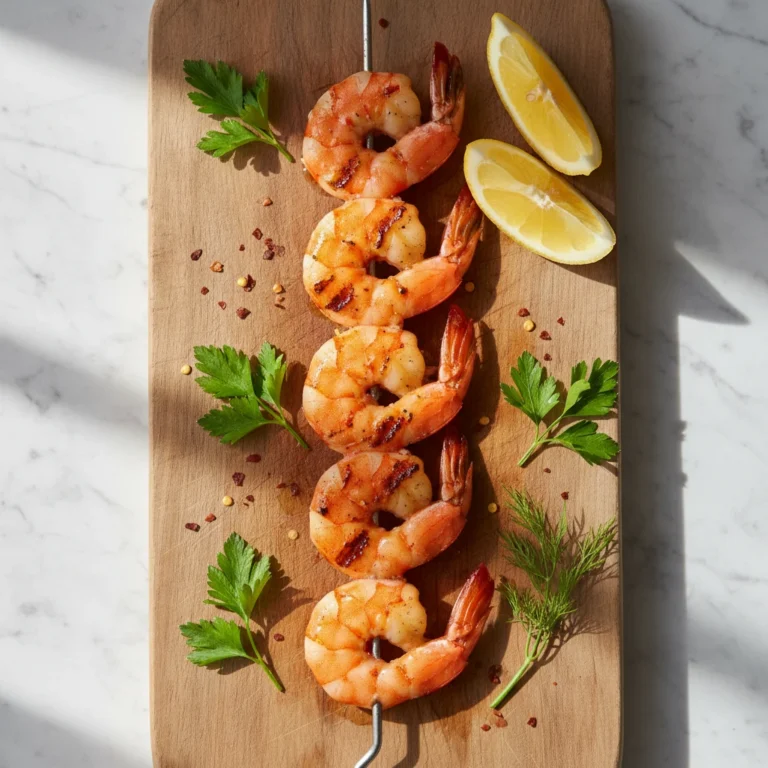
Perfect for summer entertaining or weeknight dinners, grilled shrimp skewers deliver restaurant-quality flavor in just minutes. These succulent shrimp are marinated in a fragrant blend of garlic, lemon, and Mediterranean spices, then charred on the grill until they develop a beautiful caramelized exterior. Tender, juicy, and bursting with flavor, these skewers are an impressive yet incredibly simple dish that your guests will rave about.
Reasons to Try Grilled Shrimp Skewers
Incredibly Quick to Prepare: These shrimp skewers come together in under 30 minutes total, making them perfect for busy weeknights or last-minute entertaining. The shrimp cooks in just 3–4 minutes, so you’ll have dinner on the table faster than you can order takeout.
Naturally Healthy and Lean: Shrimp is loaded with protein while remaining low in calories and carbohydrates. It’s also rich in selenium, iodine, and omega-3 fatty acids, making this dish both delicious and nutritious.
Vibrant Flavor Without Complexity: The marinade combines classic Mediterranean ingredients—garlic, lemon, oregano, and smoked paprika—to create a sophisticated flavor profile that tastes far more complicated than it actually is. The charring on the grill adds smoky depth and caramelized sweetness.
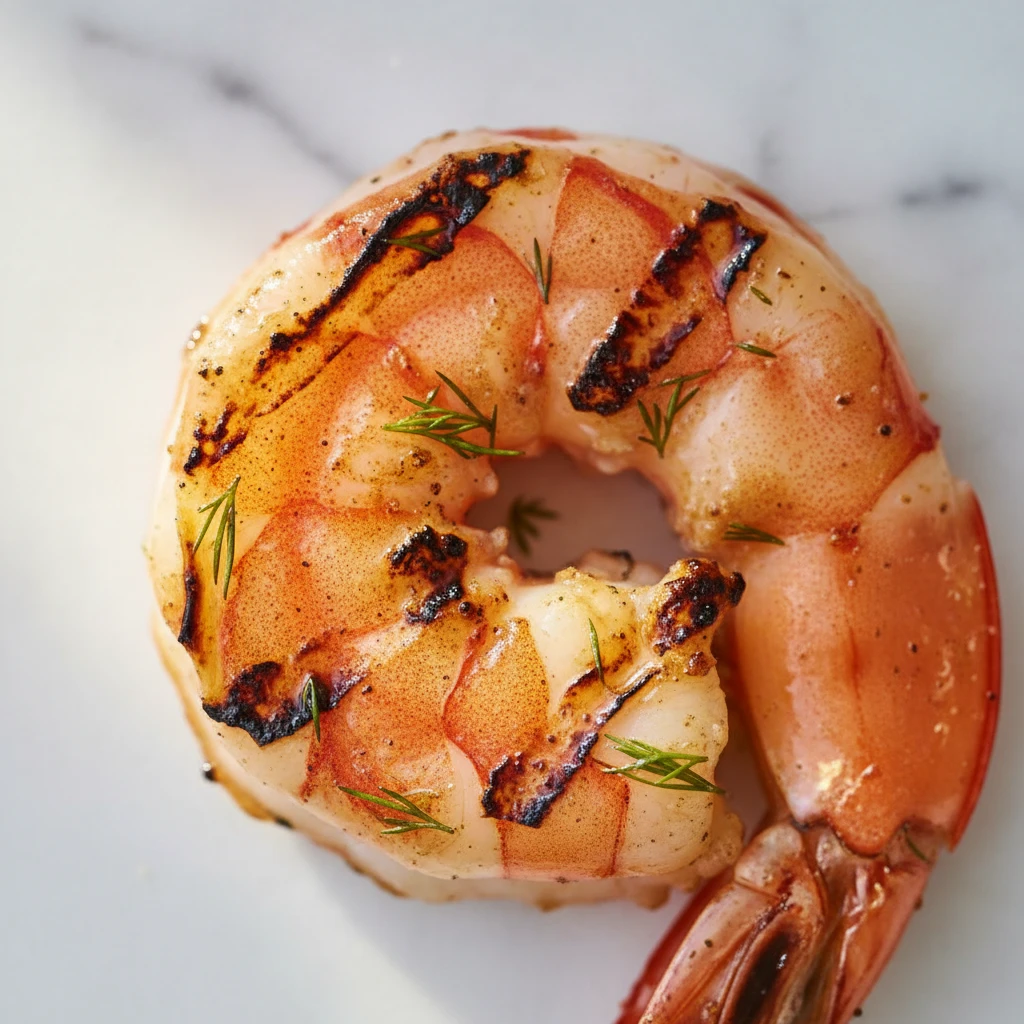
Visually Stunning: Shrimp’s natural pink color becomes even more gorgeous when grilled, with beautiful char marks that make these skewers look like they came straight from a beachside restaurant. They’re as beautiful to serve as they are delicious to eat.
Highly Versatile: Serve these skewers as an appetizer with cocktails, a protein-packed main course over rice, or even as part of a Mediterranean mezze platter. They pair beautifully with salads, grains, or roasted vegetables.
Crowd-Pleasing Appeal: Whether you’re feeding adventurous eaters or those with simple tastes, grilled shrimp skewers appeal to virtually everyone. They’re elegant enough for a dinner party and casual enough for a backyard barbecue.
 Save
SaveIngredients Notes
- Large shrimp, peeled and deveined
- Extra virgin olive oil
- Fresh lemon juice
- Garlic cloves, minced
- Smoked paprika
- Cayenne pepper
- Dried oregano
- Sea salt
- Black pepper
- Red pepper flakes
- Fresh parsley, finely chopped
- Fresh dill, finely chopped
- Wooden or metal skewers
- Lemon wedges for serving
- Fresh basil leaves for garnish
How to Make Grilled Shrimp Skewers
- Prepare your grill by preheating it to medium-high heat (about 400°F). Oil the grill grates to prevent sticking.
- In a small bowl, whisk together olive oil, lemon juice, minced garlic, smoked paprika, cayenne pepper, oregano, salt, black pepper, and red pepper flakes until fully combined.
- If using wooden skewers, soak them in water for at least 30 minutes to prevent burning.
- Pat the shrimp dry with paper towels, then place them in a large bowl.
- Pour the marinade over the shrimp and toss gently to coat evenly. Reserve about 2 tablespoons of marinade for basting. Let the shrimp marinate for 15–20 minutes at room temperature.
- Thread the marinated shrimp onto skewers, leaving a small space between each piece for even cooking. Use 2–3 skewers if making appetizer portions, or 4–5 shrimp per main course skewer.
- Place the skewers on the preheated grill, positioning them perpendicular to the grates to prevent them from rolling.
- Grill for 2–3 minutes on the first side without moving them, allowing char marks to develop.
- Flip the skewers and grill for another 1–2 minutes on the second side until the shrimp are opaque and cooked through. They should be pink and firm, not rubbery.
- Remove from the grill and brush with the reserved marinade.
- Garnish with fresh parsley, dill, and basil. Serve immediately with lemon wedges on the side.
What You Must Know About Grilled Shrimp Skewers
Size Matters: Always use large or extra-large shrimp for skewers. Smaller shrimp cook too quickly and can become rubbery before developing proper grill marks. Large shrimp stay moist inside while developing a caramelized exterior.
Don’t Marinate Too Long: While 15–20 minutes is ideal, marinating longer than 25 minutes can break down the shrimp’s delicate protein structure, resulting in a mushy texture. The acid in the lemon juice will essentially “cook” the shrimp if left too long.
Pat Shrimp Completely Dry: Moisture on the shrimp prevents proper browning and creates steam instead of sear. Spend 2–3 minutes patting them very dry with paper towels before marinating.
Medium-High Heat is Essential: Low to medium heat won’t give you the beautiful caramelization and char marks that make these skewers special. Aim for 400°F or higher. The shrimp cook so quickly that they won’t overcook at high temperatures if you stay attentive.
Oil Your Grill Grates: This is non-negotiable for shrimp. Use tongs with an oil-soaked paper towel to coat the grates well. Alternatively, you can spray cooking oil directly on the grates (do this away from an open flame).
Don’t Move Shrimp During First Side: Resist the urge to fidget with the skewers during the first 2–3 minutes. Leaving them undisturbed allows the proteins to form a crust and develop those impressive grill marks. Moving them frequently prevents this.
Reserve Marinade for Basting: Always reserve a portion of the raw marinade before adding raw shrimp to it. This reserved portion can be brushed on the cooked shrimp without any food safety concerns, and it adds a burst of fresh flavor.
Check for Doneness Accurately: Shrimp is done when it turns completely opaque and pink throughout, with an internal temperature of 165°F. You can check by inserting an instant-read thermometer into the thickest piece. Don’t rely on color alone—some shrimp turn pink before they’re fully cooked.
Helpful Tip—Use a Two-Zone Grill: If you’re grilling for a crowd, use a two-zone setup with direct heat on one side and indirect heat on the other. If any skewers are cooking faster than others, you can move them to the cooler zone to prevent overcooking.
Helpful Tip—Thread Shrimp Properly: Thread each shrimp through both the head end and the tail end (creating a “C” shape) rather than just once. This keeps them from spinning on the skewer and ensures even cooking on both sides.
Variations and Substitutions
Mediterranean Herb Version: Replace the smoked paprika and cayenne with 2 teaspoons of Italian seasoning blend. Add 1/2 cup of sun-dried tomatoes (finely chopped) to the marinade and finish with crumbled feta cheese and fresh oregano leaves.
Spicy Asian-Inspired: Swap the lemon juice for lime juice and add 1 tablespoon of soy sauce, 1 teaspoon of sesame oil, 1 minced jalapeño, and 1 teaspoon of grated fresh ginger to the marinade. Garnish with sesame seeds and cilantro instead of parsley and dill.
Garlic Butter Version: Reduce the olive oil to 2 tablespoons and add 4 tablespoons of melted butter mixed with additional minced garlic. This creates a richer, more indulgent version. Finish with crushed red pepper flakes and fresh lemon zest.
Smoky Chipotle: Add 2 tablespoons of chipotle peppers in adobo sauce (finely chopped) to the marinade and 1 tablespoon of honey for a sweet-smoky-spicy combination. Serve with a lime crema for dipping.
Pineapple Teriyaki Glaze: Create a glaze by combining 1/4 cup pineapple juice, 2 tablespoons soy sauce, 1 tablespoon honey, 1 teaspoon sesame oil, and 1/2 teaspoon grated ginger. Brush onto shrimp during the last minute of grilling and thread with fresh pineapple chunks between shrimp pieces.
Citrus Trio: Use a combination of lemon, lime, and orange juices (3 tablespoons total) instead of just lemon for a more complex citrus flavor. Add 1 teaspoon of fresh thyme and 1/2 teaspoon of white pepper for brightness.
Substitution—Scallops or Firm White Fish: Large sea scallops or chunks of firm white fish like halibut or mahi-mahi work beautifully with this same marinade and cooking method. Scallops may cook slightly faster (1–2 minutes per side), so watch carefully.
Substitution—Prawns: If shrimp is unavailable, large prawns are an excellent alternative. They’re larger and meatier, requiring only slightly longer cooking times (3–4 minutes per side).
Serving Suggestions for Grilled Shrimp Skewers
As an Elegant Appetizer: Serve warm with a chilled aioli, tzatziki, or romesco sauce for dipping. Thread 2–3 shrimp per skewer on short picks, and arrange them on a large wooden board with fresh herbs scattered around.
Over Creamy Pasta: Remove the shrimp from skewers and toss with fresh lemon pasta, a touch of garlic butter, and fresh parsley. The char from the grill adds amazing flavor to the pasta sauce.
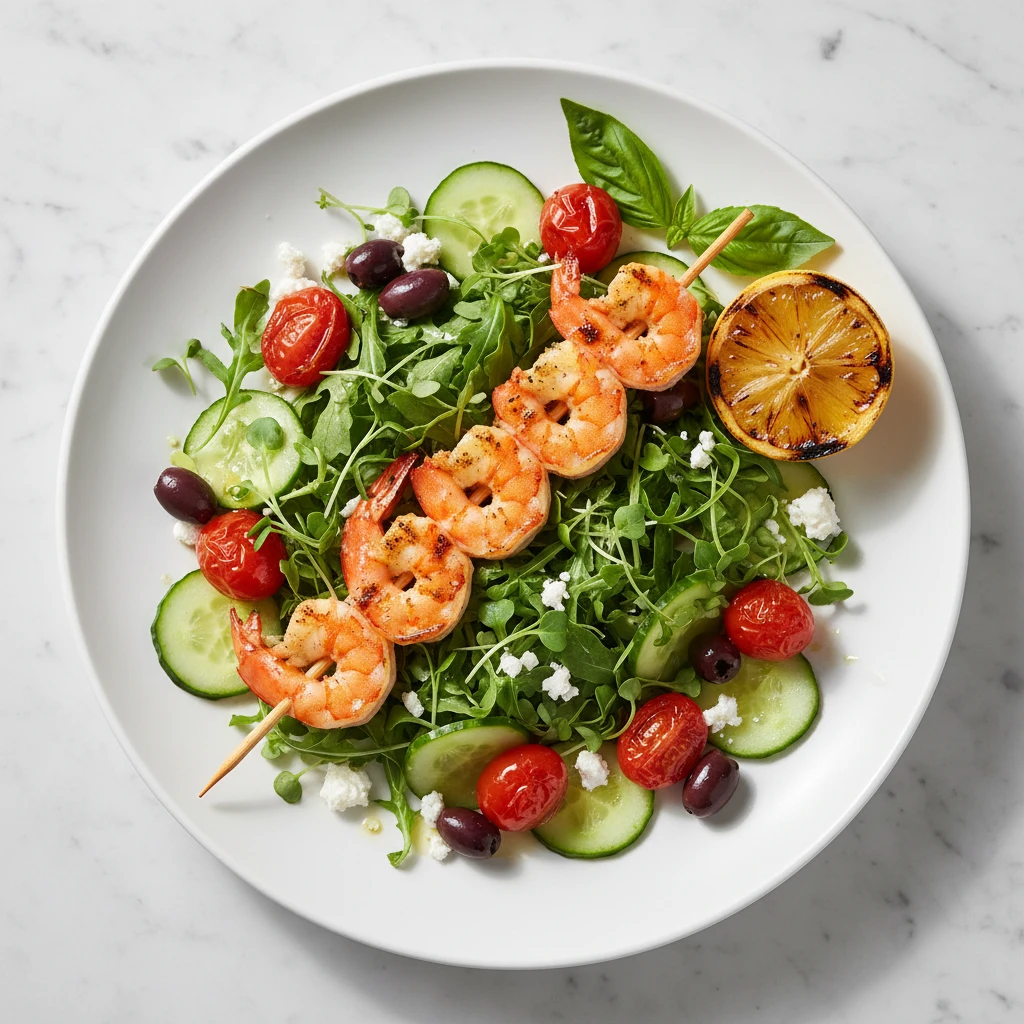
Mediterranean Grain Bowl: Serve skewers alongside couscous or farro tossed with diced cucumber, cherry tomatoes, red onion, kalamata olives, and feta cheese. Drizzle with lemon vinaigrette and arrange the skewers on top.
Classic Plated Main Course: Place each skewer on a bed of sautéed spinach or arugula. Serve with grilled lemon wedges and a small side of crusty bread for soaking up the juices. A wedge of grilled halloumi cheese adds elegance.
Casual Skewer Salad: Remove shrimp from skewers and toss into a mixed greens salad with cherry tomatoes, cucumber, red onion, and a lemon-olive oil dressing. Top with toasted pine nuts and crumbled goat cheese.
Seafood Platter: Arrange grilled shrimp skewers on a large platter alongside grilled octopus, mussels, and clams. Serve with fresh lemon wedges, aioli, and warm crusty bread.
Greek-Style Presentation: Serve with warm pita bread, cucumber-tomato salad, hummus, and Greek yogurt mixed with dill. Guests can build their own wraps or enjoy the skewers alongside.
As Taco Fillings: Remove shrimp from skewers and fill warm tortillas with the charred shrimp, shredded red cabbage, avocado, cilantro, and a squeeze of lime.
Garnish Ideas: Fresh basil, dill, or parsley add color and aroma. A zest of lemon or lime adds brightness. Microgreens or edible flowers create an upscale presentation. Sesame seeds work if serving an Asian-inspired version.
 Save
SaveStorage and Reheating
Refrigerator Storage: Leftover grilled shrimp skewers can be stored in an airtight container in the refrigerator for up to 3 days. Remove the shrimp from the skewers first to save space and make reheating easier.
Reheating Method 1—Stovetop: Place the shrimp in a skillet over medium heat with a tiny splash of olive oil or butter for 2–3 minutes, stirring occasionally, until warmed through. This method restores the best texture and prevents rubbery shrimp.
Reheating Method 2—Oven: Preheat your oven to 350°F. Arrange the shrimp on a baking sheet, drizzle lightly with olive oil, and cover with foil. Bake for 5–7 minutes until heated through. The foil prevents drying out.
Reheating Method 3—Microwave (Not Recommended): While you can microwave leftover shrimp, it often results in a rubbery texture. If you must use a microwave, place shrimp on a microwave-safe plate, cover loosely with a damp paper towel, and heat in 30-second intervals until warm.
Do Not Freeze Raw Marinated Shrimp: Freezing changes the texture of shrimp significantly. However, cooked grilled shrimp can be frozen in an airtight container for up to 2 months. Thaw overnight in the refrigerator before reheating.
Best Served Fresh: These shrimp skewers are best enjoyed immediately after grilling while still warm and the exterior is crispy. If you must make them ahead, grill them, cool to room temperature, store in the refrigerator, then gently reheat just before serving.
Frequently Asked Questions about Grilled Shrimp Skewers
How do I know when shrimp is fully cooked?
Shrimp is fully cooked when it turns completely opaque (no translucent areas) and is firm to the touch. The color should be bright pink or white, depending on the species. Use an instant-read thermometer to check that the internal temperature reaches 165°F in the thickest piece. If shrimp appears pink but still feels mushy or soft, it likely needs another 30 seconds to 1 minute of cooking.
Can I use frozen shrimp for this recipe?
Yes, but frozen shrimp must be thawed completely before marinating and grilling. The best method is to thaw them overnight in the refrigerator. If you’re short on time, place frozen shrimp in a bowl of cold water for 15–20 minutes, changing the water every 5 minutes. Never use hot water, as it can partially cook the outsides while leaving the centers frozen. Pat completely dry after thawing before proceeding with the recipe.
What’s the difference between shrimp and prawns?
While the terms are often used interchangeably, prawns are generally larger with a meatier texture than shrimp. Both work excellently for grilled skewers. Prawns may take 30 seconds to 1 minute longer per side due to their size. For this recipe, “large” shrimp and prawns are essentially equivalent in cooking time and technique.
Why did my shrimp turn out rubbery?
Rubbery shrimp is almost always due to overcooking. Shrimp cooks extremely quickly—overcooked by even 1–2 minutes at high heat can dramatically change the texture. Additionally, if you marinated the shrimp in acidic ingredients (lemon or lime juice) for too long (beyond 25 minutes), the acid can denature the protein before grilling. Use high heat, time it precisely, and reserve your marinating time for 15–20 minutes maximum.
Can I make these skewers indoors without a grill?
Absolutely. Use a cast-iron grill pan or a regular cast-iron skillet over medium-high heat on your stovetop. Preheat the pan for 3–4 minutes until it’s very hot. Proceed with the same cooking times (2–3 minutes per side). You won’t get the same aesthetic grill marks, but the flavor will be nearly identical. Alternatively, use an indoor electric grill or grill press.
Do I need to devein shrimp, and what does it mean?
Deveining is removing the dark vein that runs along the back of the shrimp. While it’s not technically the intestine and is safe to eat, most people prefer to remove it for aesthetic and texture reasons. You can buy pre-deveined shrimp, or quickly devein raw shrimp by running a small paring knife or deveining tool along the back under cold running water.
What if I don’t have fresh herbs for garnish?
While fresh herbs add brightness and aroma, you can substitute dried versions (use one-third the amount of fresh), add a squeeze of fresh lemon juice, or simply leave them off entirely. The shrimp will still taste delicious. If you have the time, fresh herbs really do elevate the final presentation significantly and are worth a quick trip to the grocery store.
Nutrition Facts (Per Serving)
| Nutrient | Amount | Daily Value |
|---|---|---|
| Calories | 185 | 9% |
| Total Fat | 11g | 14% |
| Saturated Fat | 1.5g | 8% |
| Cholesterol | 172mg | 57% |
| Sodium | 284mg | 12% |
| Total Carbohydrate | 2g | 1% |
| Dietary Fiber | 0g | 0% |
| Protein | 23g | 46% |
| Iron | 3mg | 17% |
| Selenium | 34mcg | 49% |
| Omega-3 Fatty Acids | 0.3g | N/A |
Note: Nutritional values are estimated based on standard USDA ingredient data. Actual values may vary depending on specific brands and preparation methods. This analysis assumes 6 servings (approximately 5–6 shrimp per serving).
Grilled Shrimp Skewers
Ingredients
- 2 pounds large shrimp peeled and deveined
- 1/4 cup extra virgin olive oil
- 3 tablespoons fresh lemon juice
- 4 cloves garlic minced
- 1 teaspoon smoked paprika
- 1/2 teaspoon cayenne pepper
- 1 teaspoon dried oregano
- 1/2 teaspoon sea salt
- 1/4 teaspoon black pepper
- 1/4 teaspoon red pepper flakes
- 2 tablespoons fresh parsley finely chopped
- 1 tablespoon fresh dill finely chopped
- Wooden or metal skewers
- 1 lemon cut into wedges for serving
- Fresh basil leaves for garnish
Instructions
- Prepare skewers: If using wooden skewers, submerge them in a bowl of water for at least 30 minutes. This prevents burning on the grill. Metal skewers don't need soaking.
- Make the marinade: In a small bowl, combine 1/4 cup extra virgin olive oil, 3 tablespoons fresh lemon juice, 4 minced garlic cloves, 1 teaspoon smoked paprika, 1/2 teaspoon cayenne pepper, 1 teaspoon dried oregano, 1/2 teaspoon sea salt, 1/4 teaspoon black pepper, and 1/4 teaspoon red pepper flakes. Whisk together for 1–2 minutes until the spices are evenly distributed and the mixture looks well combined. Checkpoint: The marinade should smell fragrant and aromatic with visible garlic pieces.
- Prepare the shrimp: Take 2 pounds of large peeled and deveined shrimp and pat them completely dry with paper towels for 2–3 minutes. Dry shrimp will brown better on the grill. Transfer to a large mixing bowl.
- Marinate the shrimp: Pour the entire marinade over the shrimp and gently toss with a rubber spatula for 1–2 minutes, making sure each shrimp is coated. Reserve exactly 2 tablespoons of the remaining marinade in a small cup for basting later. Let the shrimp sit at room temperature for 15–20 minutes. Do not marinate longer than 25 minutes or the acid will make the shrimp mushy.
- Thread the skewers: Working with one skewer at a time, slide a marinated shrimp onto the tip, then continue threading until you have 4–5 shrimp per skewer (depending on portion size), leaving about 1/4 inch space between each piece. This takes 5–8 minutes total. You should have 6–8 full skewers. Checkpoint: Each skewer should be balanced and the shrimp should feel slightly tacky from the marinade.
- Preheat the grill: Preheat your grill to medium-high heat (approximately 400°F) for 10 minutes. Lightly oil the grill grates using tongs with an oil-soaked paper towel to prevent sticking.
- Grill the first side: Place all skewers directly on the grill grates, positioned perpendicular to the bars (crosswise) so they don't roll. Close the grill lid. Cook for 2–3 minutes without touching or moving them. You should hear a sizzle and smell a savory, charred aroma. Look for golden-brown grill marks on the underside of the shrimp.
- Flip and grill the second side: Using tongs, carefully flip each skewer to expose the other side. Cook for an additional 1–2 minutes, also with the lid closed. The shrimp should turn from translucent gray to opaque pink. Checkpoint: All shrimp should be firm and opaque throughout with no translucent centers. An instant-read thermometer inserted into the thickest shrimp should read 165°F.
- Remove from grill: Transfer all skewers to a clean serving platter using tongs. This takes 1–2 minutes total.
- Baste and garnish: Using a pastry brush or spoon, lightly brush the reserved marinade over all the hot shrimp immediately after removing from the grill. Sprinkle 2 tablespoons fresh parsley and 1 tablespoon fresh dill evenly over all the skewers. Add 3–4 torn basil leaves to the platter for color and aroma. Arrange 1 lemon cut into wedges around the skewers for serving.
- Let rest briefly: Allow the skewers to rest on the platter for 2–3 minutes before serving. This lets the juices settle and keeps the shrimp moist.
- Serve: Transfer skewers to individual serving plates immediately while still hot. Squeeze fresh lemon juice over each portion if desired. Serve immediately.