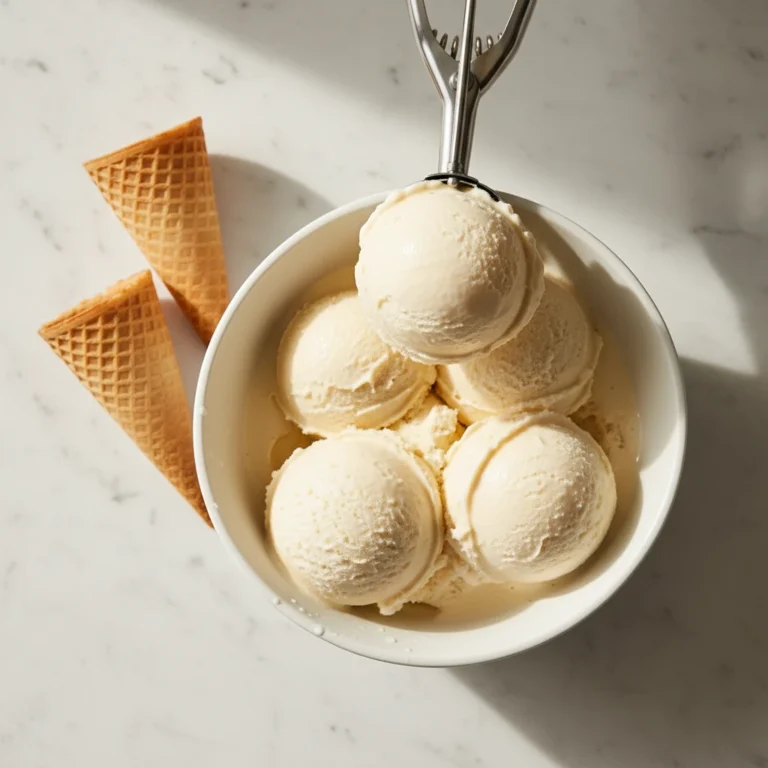
Creating homemade keto ice cream recipe allows you to indulge in a creamy, delicious frozen dessert while maintaining your low-carb lifestyle. This rich and satisfying treat contains virtually no sugar and minimal carbohydrates, making it perfect for anyone following a ketogenic diet. Unlike store-bought versions that often contain hidden sugars, this recipe uses natural sweeteners to deliver authentic ice cream flavor without the guilt.
Reasons to Try Keto Ice Cream Recipe
Zero Sugar, Maximum Flavor: This keto ice cream recipe delivers the creamy, indulgent taste you crave without spiking blood sugar. Using monk fruit sweetener or erythritol, each spoonful is guilt-free and keto-friendly.
Creamy Custard Base: Unlike many low-carb alternatives that rely on artificial thickeners, this recipe uses real egg yolks to create a silky, smooth custard foundation. The result is restaurant-quality ice cream with a luxurious mouthfeel.
Full Fat = Full Satisfaction: Heavy cream and butter make this treat incredibly satiating. The healthy fats promote ketone production and keep you feeling satisfied for hours after enjoying a bowl.
Customizable and Versatile: This base recipe is your blank canvas. Swirl in keto-friendly extracts, sugar-free chocolate, nuts, or berries to create endless flavor variations from your own kitchen.
Budget-Friendly Luxury: Homemade ice cream costs a fraction of premium keto ice cream brands while tasting equally decadent. One batch yields multiple servings, making it an economical indulgence.
No Ice Cream Machine Required: While an ice cream maker creates the smoothest texture, this recipe can be frozen using simple freezer methods if you don’t have one available.
 Save
SaveIngredients Notes
- Heavy whipping cream – Use the highest fat content available, typically 36-40% fat
- Unsweetened almond milk – Avoid sweetened versions to keep carbs minimal
- Monk fruit sweetener or erythritol – Granulated forms work best; liquid stevia can create a grainy texture
- Vanilla extract – Pure vanilla creates superior flavor compared to imitation
- Egg yolks – Room temperature yolks emulsify better and create smoother ice cream
- Sea salt – Enhances sweetness and adds complexity to the flavor profile
- Unsalted butter – Adds richness and helps prevent crystallization during freezing
- Xanthan gum – Optional but recommended for those without an ice cream maker, prevents large ice crystals
How to Make Keto Ice Cream Recipe
- Heat heavy cream and almond milk in a saucepan over medium heat until steam rises but mixture does not boil, about 5 minutes.
- Whisk egg yolks with monk fruit sweetener and sea salt in a separate bowl until pale and thick, about 2 minutes.
- Slowly pour hot cream mixture into egg yolk mixture while whisking constantly to temper the yolks without scrambling them.
- Return the entire custard to the saucepan and cook over low heat, stirring frequently, until it reaches 160°F or coats the back of a spoon, about 8-10 minutes.
- Remove from heat, stir in vanilla extract and butter until the butter melts completely.
- Strain the custard through a fine-mesh sieve into a bowl to remove any cooked egg bits or lumps.
- Cover and refrigerate the custard base for at least 4 hours or overnight until completely chilled.
- Churn the cold custard in an ice cream maker according to manufacturer’s instructions, typically 20-25 minutes, until soft-serve consistency.
- Transfer to a freezer-safe container and freeze for at least 4 hours until firm enough to scoop.
What You Must Know About Keto Ice Cream Recipe
Eggs Must Be Pasteurized or Safe: This recipe uses raw or lightly cooked egg yolks. Ensure you use pasteurized eggs from the grocery store, or use pasteurized egg yolks specifically, to eliminate food safety risk. Alternatively, heat the custard to exactly 160°F (71°C) as stated in the recipe to pasteurize the eggs through heating.
Tempering is Critical: Never add hot cream directly to room-temperature eggs—you’ll end up with scrambled eggs. The key is to add cream slowly while whisking constantly. This gradual process raises the egg yolk temperature safely.
Sweetener Matters: Not all keto sweeteners behave the same way. Erythritol can create a slightly grainy texture and cooling sensation on the palate. Monk fruit is smoother but can taste slightly bitter in large quantities. A 1:1 blend of erythritol and monk fruit often produces the best results. Avoid sugar alcohols like maltitol, which have higher carbs.
Fat Content is Non-Negotiable: Heavy cream must be at least 36% fat. “Whipping cream” with lower fat content will not produce the same creamy texture. Check the label—if it says “light cream” or “half-and-half,” it won’t work.
Chill Overnight for Best Results: The custard base must be completely cold before churning. A warm base will churn unevenly and produce grainy ice cream. Overnight chilling ensures optimal texture.
Helpful Tips
Make Flavor Variations: Once you master the base recipe, experiment freely. Add 2 tablespoons unsweetened cocoa powder for chocolate, swirl in 3 tablespoons natural almond butter for almond, or infuse the cream with 2 teaspoons espresso powder for coffee ice cream. For berry flavors, use sugar-free berry puree (about 0.5 cup) and reduce almond milk by 0.5 cup to maintain consistency.
Prevent Ice Crystals Without a Machine: If using the manual freeze-and-stir method, blend the custard with an immersion blender instead of whisking by hand. This incorporates more air and prevents large ice crystals from forming. Alternatively, dissolve 0.5 teaspoon xanthan gum directly into the cold custard before freezing.
Speed Up Churning: Pre-chill your ice cream maker bowl in the freezer for at least 24 hours before use. Some machines have a built-in freezer compartment—activate it ahead of time. A colder machine base means faster churning and creamier results.
Scooping Hack: Keep a warm water bath near your freezer when scooping. Dip the ice cream scoop in warm water, shake off excess, and scoop. The warmth helps the scoop glide through frozen ice cream without excessive pressure.
Batch Ahead: Make multiple batches and freeze in individual containers or muffin tins lined with silicone cups. Frozen portions are perfect for meal prep or quick keto desserts. They’ll keep for up to 3 weeks.
Variations and Substitutions
Chocolate Keto Ice Cream: Add 0.5 cup unsweetened cocoa powder to the egg yolk mixture before tempering. Whisk thoroughly to eliminate lumps. Reduce the vanilla extract to 1 teaspoon and add 1 tablespoon instant espresso powder to deepen the chocolate flavor.
Strawberry Keto Ice Cream: Puree 1 cup fresh or frozen strawberries (no added sugar) and strain through a sieve to remove seeds. Fold the puree into the chilled custard base before churning. Reduce almond milk to 0.75 cup to prevent excess liquid.
Peanut Butter Keto Ice Cream: Whisk 0.75 cup natural, unsweetened peanut butter into the warm custard before chilling. If the peanut butter is too thick, thin it with 2-3 tablespoons of heavy cream first. Reduce sweetener to 0.5 cup as peanut butter adds flavor depth.
Salted Caramel Keto Ice Cream: Melt 4 tablespoons unsalted butter in a small saucepan over medium heat. Add 0.5 cup monk fruit sweetener and 0.25 cup heavy cream. Stir constantly for 3-4 minutes until it thickens slightly (do not boil). Remove from heat and stir in 1 teaspoon sea salt and 1 teaspoon vanilla. Cool completely, then swirl into the churned ice cream just before final freezing.
Coconut Keto Ice Cream: Replace almond milk with 1 cup full-fat coconut milk. Add 1 teaspoon coconut extract or 0.75 teaspoon vanilla extract with 0.25 teaspoon coconut flavor concentrate. Optionally stir in 0.5 cup toasted unsweetened shredded coconut after churning.
Mint Chocolate Chip Keto Ice Cream: Infuse the cream mixture by heating it with 10-12 fresh mint leaves, then straining before tempering the eggs. Add 0.25 teaspoon peppermint extract to the final custard. For chocolate chips, chop sugar-free dark chocolate into small pieces and fold in after churning.
Cream Cheese Keto Ice Cream: Blend 4 ounces softened cream cheese with the cooled custard before chilling. This creates a tangier, richer texture. Perfect for cheesecake variations—add 1 tablespoon lemon juice and top scoops with sugar-free graham cracker crumbles.
Sweetener Substitutions: Replace monk fruit and erythritol with allulose (same amount, slightly better texture), or use a 1:1 blend of erythritol and monk fruit to balance sweetness and eliminate any aftertaste. Avoid maltitol, sorbitol, and xylitol due to higher carbohydrate content and potential digestive issues.
Almond Milk Alternatives: Substitute almond milk with unsweetened coconut milk, macadamia milk, or heavy cream thinned with water (use 0.75 cup cream plus 0.25 cup water) for even richer texture.
Serving Suggestions for Keto Ice Cream Recipe
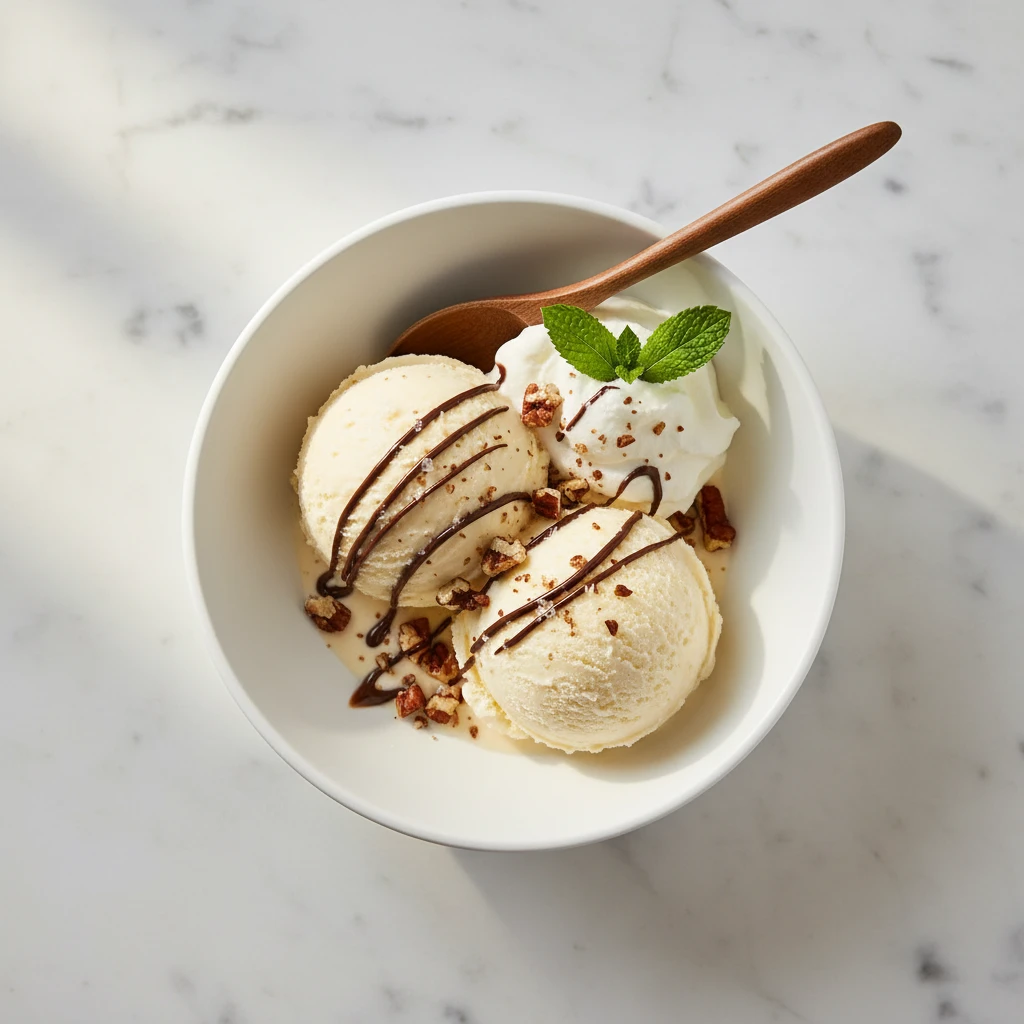
Classic Bowl: Scoop into chilled serving bowls and enjoy plain or topped with toasted nuts (pecans, macadamias, or almonds), sugar-free chocolate sauce, or a drizzle of almond butter.
Keto Sundae: Layer scoops of vanilla keto ice cream with chopped sugar-free dark chocolate, unsweetened whipped cream, toasted coconut flakes, and a sprinkle of sea salt for a satisfying dessert that feels indulgent.
Affogato Style: Pour 1-2 ounces of hot espresso or strong black coffee over a scoop of vanilla keto ice cream. The contrast of hot and cold is dramatic and delicious, and you get a coffee-flavored drink as the ice cream melts.
Keto Ice Cream Sandwich: Sandwich a generous scoop between two almond flour-based keto cookies or macadamia nut cookies for a portable treat.
Smoothie Bowl Base: Use a melted serving as the creamy base for a keto smoothie bowl. Top with granola made from nuts and seeds, sugar-free chocolate chips, and berries.
Protein Boost: Swirl in 2 tablespoons unsweetened cocoa powder mixed with 1 tablespoon keto-friendly protein powder (vanilla or chocolate flavored) before churning to create a protein-rich post-workout treat.
Frozen Yogurt Parfait: Layer keto ice cream with sugar-free Greek yogurt and crushed macadamia nuts or pecans in a clear glass for an elegant presentation.
Cone Serving: Serve in keto-friendly or regular sugar cones. Dip the rim in melted sugar-free dark chocolate mixed with chopped nuts for extra flavor and texture.
 Save
SaveStorage and Reheating
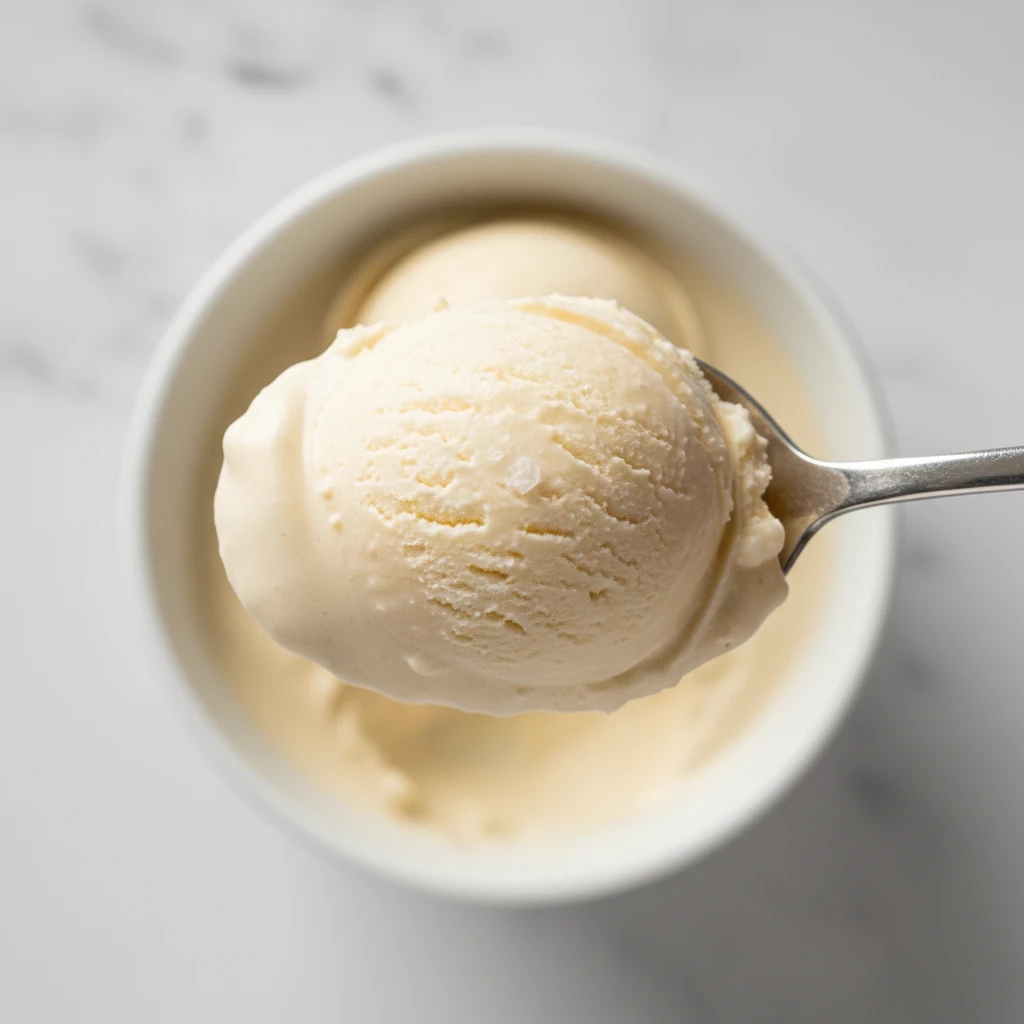
Storage: Store finished keto ice cream in an airtight freezer-safe container, pressing plastic wrap directly onto the surface to prevent freezer burn and ice crystal formation. Properly stored ice cream will keep for up to 2 weeks in a standard freezer set at 0°F (-18°C). If your ice cream becomes too hard, remove it from the freezer 5-10 minutes before scooping to soften slightly.
Custard Base Storage: The unchurned custard base can be refrigerated in a covered container for up to 5 days. This is convenient if you want to make small batches of ice cream throughout the week. Always churn it before serving—never refreeze churned ice cream without re-churning, as it will develop large ice crystals.
No Reheating Required: Keto ice cream is served frozen. If it melts, do not reheat. Instead, transfer to a blender, add 2 tablespoons heavy cream or almond milk to thin, blend smooth, and either serve as a keto ice cream shake or re-churn for a finer texture before refreezing (8+ hours).
Thawing Note: Never leave keto ice cream at room temperature for more than 15 minutes, as it melts quickly and will separate. Keep servings in the freezer until just before serving.
Frequently Asked Questions about Keto Ice Cream Recipe
Can I make keto ice cream without an ice cream maker?
Yes, absolutely. Use the manual freeze-and-stir method described in the detailed instructions. Freeze the custard for 30 minutes, then stir and break up ice crystals every 30 minutes for 2.5-3 hours. Adding 0.5 teaspoon xanthan gum before freezing helps prevent large ice crystals and creates a smoother texture without a machine.
What sweetener works best in keto ice cream?
Monk fruit is ideal because it produces the smoothest texture and cleanest taste. Erythritol works well but can leave a slightly cooling sensation and grainy texture. A 1:1 blend of erythritol and monk fruit often delivers the best balance of flavor and mouthfeel. Avoid sugar alcohols like maltitol, which contain more carbohydrates.
Why is my ice cream grainy or icy?
Graininess usually comes from inadequate tempering of eggs or overheating the custard. Ice crystals form when the custard base isn’t cold enough before churning, or the churning process is incomplete. Always chill overnight and churn until soft-serve consistency. Add xanthan gum (0.5 teaspoon) to the cold custard if you lack an ice cream maker.
Is this recipe safe if I use raw eggs?
Purchase pasteurized eggs specifically labeled as pasteurized for salmonella protection. Alternatively, use pasteurized egg yolks from the grocery store. If using regular eggs, the recipe heats the custard to 160°F (71°C) to pasteurize the eggs through cooking. Do not skip this step if using non-pasteurized eggs.
Can I reduce the sugar alcohol content?
Yes, you can reduce sweetener to 0.5 cup if you prefer less sweetness or want to minimize sugar alcohol intake. The ice cream will be less sweet but still pleasant. Taste the chilled custard before churning to adjust sweetness to your preference.
How many net carbs are in each serving?
Each serving contains approximately 1-2 grams of net carbs, making it genuinely keto-friendly. This assumes using pure erythritol or monk fruit with no carb fillers. Always check sweetener labels, as some brands contain added carbohydrate sources.
Can I add mix-ins like nuts or chocolate chips?
Absolutely. Fold in chopped keto-friendly ingredients (chopped nuts, sugar-free chocolate chips, nut butters, or seeds) after churning, just before the final freezing step. Add about 0.5 to 1 cup of mix-ins per batch. For toppings, wait until serving.
Why does my ice cream separate into liquid and frozen parts?
Separation occurs when the custard base wasn’t properly emulsified or when cream quality is poor. Ensure you use heavy cream with at least 36% fat, temper eggs correctly, and whisk thoroughly after cooking. Blend the cooled custard with an immersion blender before chilling to ensure complete emulsification.
Nutrition Facts (Per Serving)
| Nutrient | Per Serving |
|---|---|
| Calories | 385 |
| Total Fat | 42g |
| Saturated Fat | 26g |
| Protein | 4g |
| Total Carbohydrates | 2g |
| Net Carbohydrates | 1g |
| Fiber | 0g |
| Sugar | 0g |
| Cholesterol | 185mg |
| Sodium | 95mg |
Dietary Notes: This keto ice cream recipe is completely sugar-free and contains minimal net carbohydrates, making it suitable for ketogenic, low-carb, and diabetic-friendly diets. The recipe is naturally gluten-free. It is not suitable for vegan diets due to eggs and dairy content, but is appropriate for paleo and Atkins diets. The high fat content supports nutritional ketosis and promotes satiety.
Keto Ice Cream Recipe
Ingredients
- 2 cups heavy whipping cream
- 1 cup unsweetened almond milk
- 0.75 cup monk fruit sweetener or erythritol
- 2 teaspoons vanilla extract
- 5 egg yolks
- 0.25 teaspoon sea salt
- 2 tablespoons unsalted butter
- 0.5 teaspoon xanthan gum optional, for smoother texture
Instructions
- Pour 2 cups heavy whipping cream and 1 cup unsweetened almond milk into a medium saucepan. Heat over medium heat, stirring occasionally, for 5 minutes until steam rises and small bubbles form around the edges (do not boil). It should feel hot to touch but not be actively bubbling. Checkpoint: You are ready to move on when the mixture steams gently and reaches about 180°F on a thermometer.
- In a separate medium bowl, add 5 room-temperature egg yolks, 0.75 cup monk fruit sweetener, and 0.25 teaspoon sea salt. Whisk vigorously for 2-3 minutes using an electric mixer or by hand until the mixture becomes pale yellow and thick (it should leave a trail when you lift the whisk). Checkpoint: You are ready to move on when the mixture is noticeably lighter in color and slightly foamy.
- Slowly pour the hot cream mixture into the egg yolk mixture one small ladle at a time, whisking constantly between each addition for at least 30 seconds. This gradual process (called tempering) prevents scrambling the eggs. Continue until all hot cream is incorporated. The mixture should now be warm and pale. Checkpoint: You are ready to move on when the entire hot cream has been whisked into the yolks and the mixture is uniform and smooth.
- Pour the combined custard back into the saucepan. Place over low heat and stir constantly with a rubber spatula, scraping the bottom and sides, for 8-10 minutes until the mixture reaches 160°F on a food thermometer or coats the back of a wooden spoon (run your finger across the spoon; the custard should leave a clear trail). The mixture should feel hot but never simmer or bubble. Checkpoint: You are ready to move on when the custard reaches 160°F and coats a spoon thickly.
- Remove the saucepan from heat immediately. Stir in 2 tablespoons unsalted butter (cut into small pieces) and 2 teaspoons pure vanilla extract. Stir for 1-2 minutes until the butter melts completely and the mixture is smooth.
- For the smoothest texture, pour the custard through a fine-mesh sieve into a clean bowl, pressing gently with the back of a spoon to catch any cooked egg particles or lumps. This step takes 2-3 minutes. Checkpoint: You are ready to move on when all custard has passed through the sieve and the mixture is perfectly smooth.
- Cover the bowl with plastic wrap, pressing it directly onto the surface of the custard to prevent a skin from forming. Place in the refrigerator and chill for at least 4 hours, or preferably overnight (up to 24 hours). The colder the custard, the faster it will churn. Checkpoint: You are ready to move on when the custard is completely cold and no warmth remains when you touch the outside of the bowl.
- If using an ice cream maker: Pour the cold custard into your ice cream maker and churn according to manufacturer's instructions (typically 20-25 minutes). The mixture should go from liquid to soft-serve consistency with a thick, creamy texture. Transfer the soft-serve ice cream to a freezer-safe container (or store-bought ice cream container) and freeze for at least 4 more hours until scoopable. Checkpoint: You are ready to move on when the ice cream reaches soft-serve consistency and pulls away from the sides of the machine.
- If using no ice cream maker: Pour the cold custard into a 9-by-5-inch loaf pan or similar freezer-safe container. Freeze for 30 minutes until slushy around the edges. Remove and stir vigorously with an electric mixer for 2-3 minutes, breaking up ice crystals thoroughly. Return to freezer. Repeat this stir-and-freeze cycle every 30 minutes for 2.5-3 hours total until the mixture reaches soft-serve consistency. For extra smoothness, stir in 0.5 teaspoon xanthan gum before the first freeze cycle (whisk it into the cold custard completely first). Final freeze in a container for 4 hours until firm. Checkpoint: You are ready to move on when the ice cream is thick, creamy, and scoopable.
- Let the frozen ice cream sit at room temperature for 5-10 minutes before scooping (this makes scooping easier). Serve immediately in chilled bowls or cones. Leftover ice cream can be stored in an airtight freezer-safe container for up to 2 weeks.