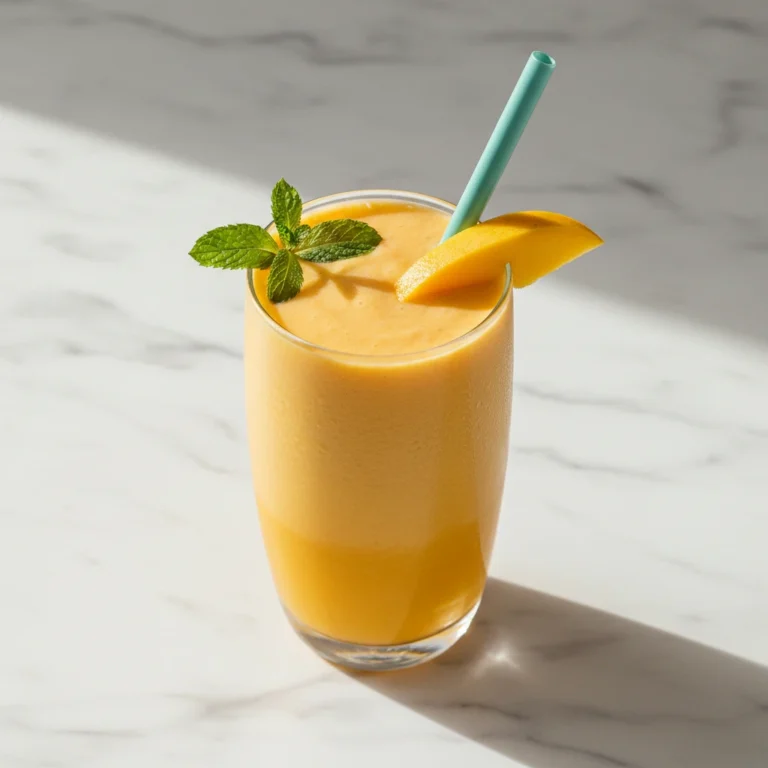
A mango smoothie is the ultimate tropical refreshment that brings sunshine to your glass in minutes. Creamy, naturally sweet, and packed with vitamins, this beloved beverage combines ripe mango with Greek yogurt and milk for a perfectly balanced drink. Whether you’re looking for a quick breakfast, post-workout refuel, or cooling afternoon treat, this simple smoothie delivers bright tropical flavor with satisfying protein. No blender expertise needed—just fresh ingredients and a few pulses to bliss.
Reasons to Try Mango Smoothie
- Tropical Flavor Year-Round: Enjoy the taste of summer anytime. The natural sweetness of ripe mango creates a refreshing, vibrant flavor without added sugar.
- Nutrient Dense: Packed with vitamin C, fiber, and antioxidants from fresh mango, plus protein and probiotics from Greek yogurt for a balanced nutritional profile.
- Quick and Easy: Ready in under 5 minutes. Perfect for busy mornings, post-gym recovery, or a cooling snack on hot days.
- Customizable: Easily adaptable to your dietary needs. Add chia seeds for extra fiber, swap milk for almond or coconut milk, or boost with protein powder.
- Naturally Satisfying: The combination of fruit, yogurt, and honey creates a creamy, filling drink that keeps you satisfied without excess calories.
- Kid-Friendly: A sneaky way to get kids excited about fruit and yogurt. The natural sweetness means no artificial ingredients needed.
 Save
SaveIngredients Notes
- Fresh mango chunks — Choose ripe, fragrant mangoes that yield slightly to pressure. Frozen mango also works wonderfully and ensures consistency year-round.
- Plain Greek yogurt — Provides creaminess, tanginess, and protein. Use full-fat for richest texture, or low-fat if preferred.
- Whole milk — Creates smoothness and balances tartness. Substitute with almond, oat, or coconut milk for dairy-free versions.
- Honey — Natural sweetener that blends seamlessly and enhances tropical notes. Adjust quantity based on mango ripeness.
- Ice cubes — Ensures cold, refreshing texture. Use frozen mango if you prefer to skip ice and reduce dilution.
- Vanilla extract — Subtle flavoring that deepens mango’s complexity without overpowering.
- Sea salt — A pinch enhances sweetness and flavor depth, similar to professional smoothie shops.
- Chia seeds — Optional boost of omega-3s, fiber, and texture. Soak briefly or blend directly.
How to Make Mango Smoothie
- Add mango chunks to your blender.
- Pour in Greek yogurt and milk.
- Add honey, vanilla extract, and salt.
- Fill blender with ice cubes.
- Blend on high speed for 60–90 seconds until smooth and creamy, no chunks remaining.
- Taste and adjust sweetness if needed.
- Pour into glasses immediately.
- Garnish with fresh mint or a mango slice if desired.
- Serve right away while cold and thick.
What You Must Know About Mango Smoothie
Mango Selection is Key: The quality of your smoothie depends entirely on your mangoes. Choose fruit that is fragrant, yields slightly to gentle pressure, and has no hard spots or blemishes. Unripe mangoes will taste starchy and lack sweetness; overripe mangoes may taste fermented. If your store’s mangoes are not ripe, buy them a few days ahead and let them sit at room temperature.
Fresh vs. Frozen Mango: Both work beautifully. Fresh mango in peak season delivers bright, delicate flavor. Frozen mango is convenient, consistent, and actually retains more nutrients since it’s frozen at peak ripeness. If using frozen, thaw slightly (5 minutes at room temperature) or blend directly from frozen—adjust ice accordingly to avoid a slushy texture.
Greek Yogurt Matters: Use plain, unflavored Greek yogurt. Vanilla-flavored or fruity yogurts will muddy the mango taste. Full-fat Greek yogurt creates the creamiest smoothie; low-fat yogurt works but will taste slightly less indulgent. Check expiration dates—old yogurt becomes overly sour and can ruin flavor balance.
Sweetness Adjustment: Honey level depends on your mango’s ripeness and personal preference. Very ripe mangoes may need only 2 tablespoons honey; less ripe fruit may need 1/3 cup. Always taste before serving and adjust. You can always add more honey, but you cannot remove it.
Timing Matters: Blend and serve immediately. Smoothies begin to separate and oxidize after 15–20 minutes. The mango color will dull, and flavor diminishes. If you must make ahead, store in an airtight container for up to 4 hours, but expect separation—restir before drinking.
Temperature Control: Keep all ingredients cold. Warm yogurt or milk will result in a lukewarm smoothie. Chill your blender jar for 10 minutes before blending if your kitchen is very warm, or use frozen mango instead of ice to keep the smoothie cold without dilution.
Helpful Tips: Use a high-powered blender (like Vitamix or Ninja) for silkiest texture, though any standard blender works fine. Peel and cube mangoes ahead of time and freeze in a container for grab-and-go smoothie mornings. Add 1 tablespoon fresh lime juice to brighten tropical notes even further. For a protein-packed version, add 1/3 cup vanilla protein powder and blend an extra 10 seconds. If making smoothies for a crowd, multiply the recipe and blend in batches rather than overfilling your blender.
Variations and Substitutions
- Tropical Mango Smoothie: Add 1/2 cup coconut milk, 1/4 cup pineapple chunks, and 1 tablespoon shredded coconut for a more exotic tropical flavor profile.
- Mango Lassi: Replace half the milk with cardamom-infused water or a pinch of ground cardamom plus a small pinch of turmeric for a traditional Indian-inspired drink.
- Protein-Packed Mango Smoothie: Add 1/3 cup vanilla protein powder and reduce honey slightly since protein powder can add sweetness. Blend until fully incorporated and smooth.
- Vegan Mango Smoothie: Swap Greek yogurt for coconut yogurt or silken tofu, use almond or oat milk instead of dairy milk, and substitute honey with agave nectar or maple syrup.
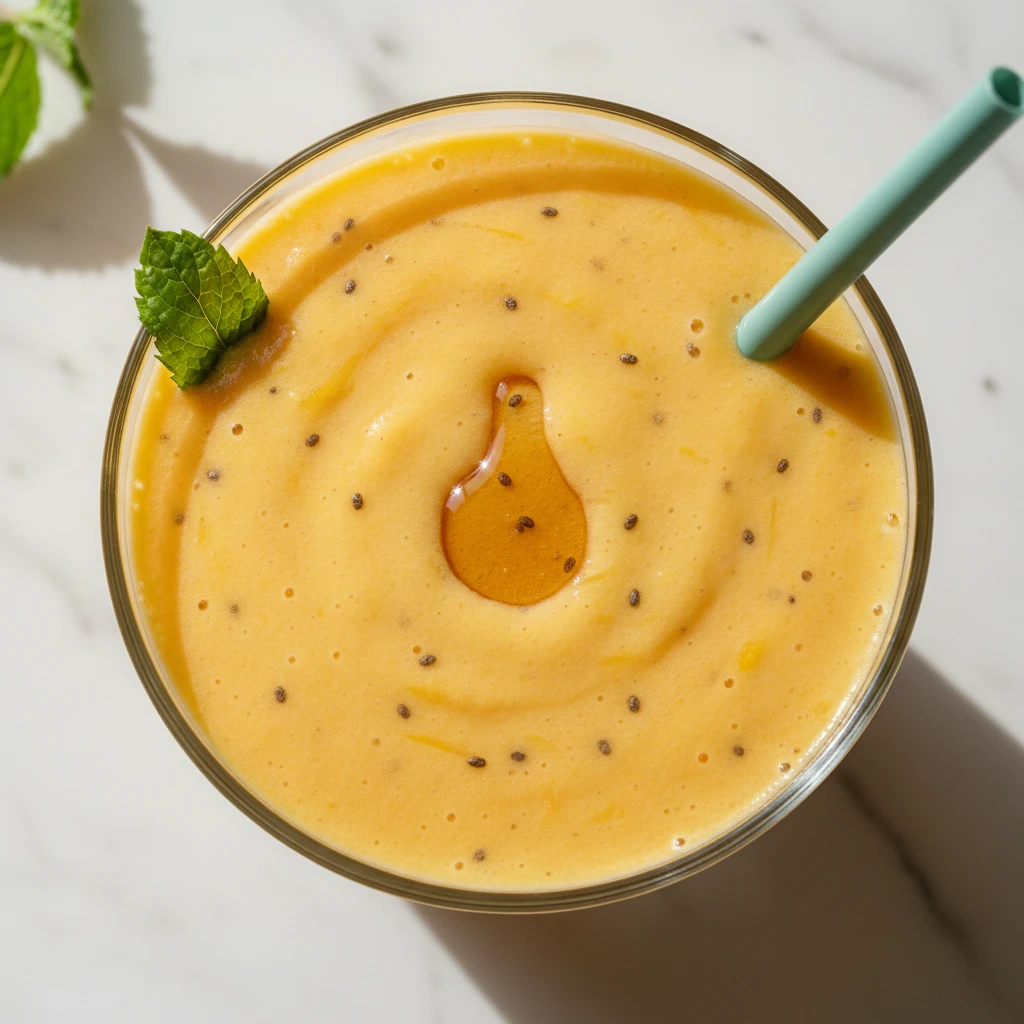
- Mango Chia Seed Smoothie: Add 1–2 tablespoons chia seeds, which create a slightly thicker, more textured drink packed with omega-3s and fiber. Blend on high for 90 seconds to fully incorporate.
- Green Mango Smoothie: Add a large handful of fresh spinach or kale. The mango flavor dominates, and you won’t taste the greens, while gaining extra nutrients.
- Mango Ginger Smoothie: Add 1/2 teaspoon fresh grated ginger or 1/4 teaspoon ground ginger for warmth and digestive benefits that complement the tropical fruit.
- Mango Yogurt Popsicles: Use this smoothie base to make frozen pops. Pour into popsicle molds and freeze for 4–6 hours for a healthy treat.
- Dairy-Free Alternatives: Replace milk with almond, oat, coconut, or cashew milk (cashew milk creates creamiest texture). Use coconut or dairy-free yogurt for the yogurt component.
Serving Suggestions for Mango Smoothie
- Classic Smoothie Bowl Base: Make the smoothie slightly thicker by reducing milk to 1/4 cup, pour into a bowl, and top with granola, fresh berries, shredded coconut, and a drizzle of honey for a more substantial breakfast or snack.
- Breakfast Pairing: Serve alongside whole-grain toast with almond butter, a croissant, or a breakfast pastry for a complete morning meal.
- Poolside or Picnic Ready: Pour into a tall glass with a wide straw. Garnish with a fresh mango slice speared on the rim and a mint leaf for Instagram-worthy presentation.
- Elegant Presentation: Use chilled glasses. Top with a thin mango slice, fresh mint sprig, and a light sprinkle of toasted coconut flakes. Add a smoothie straw and serve immediately.
- Post-Workout Refuel: Serve in a tall glass with the protein powder variation. The protein aids muscle recovery while natural carbs from mango replenish energy.
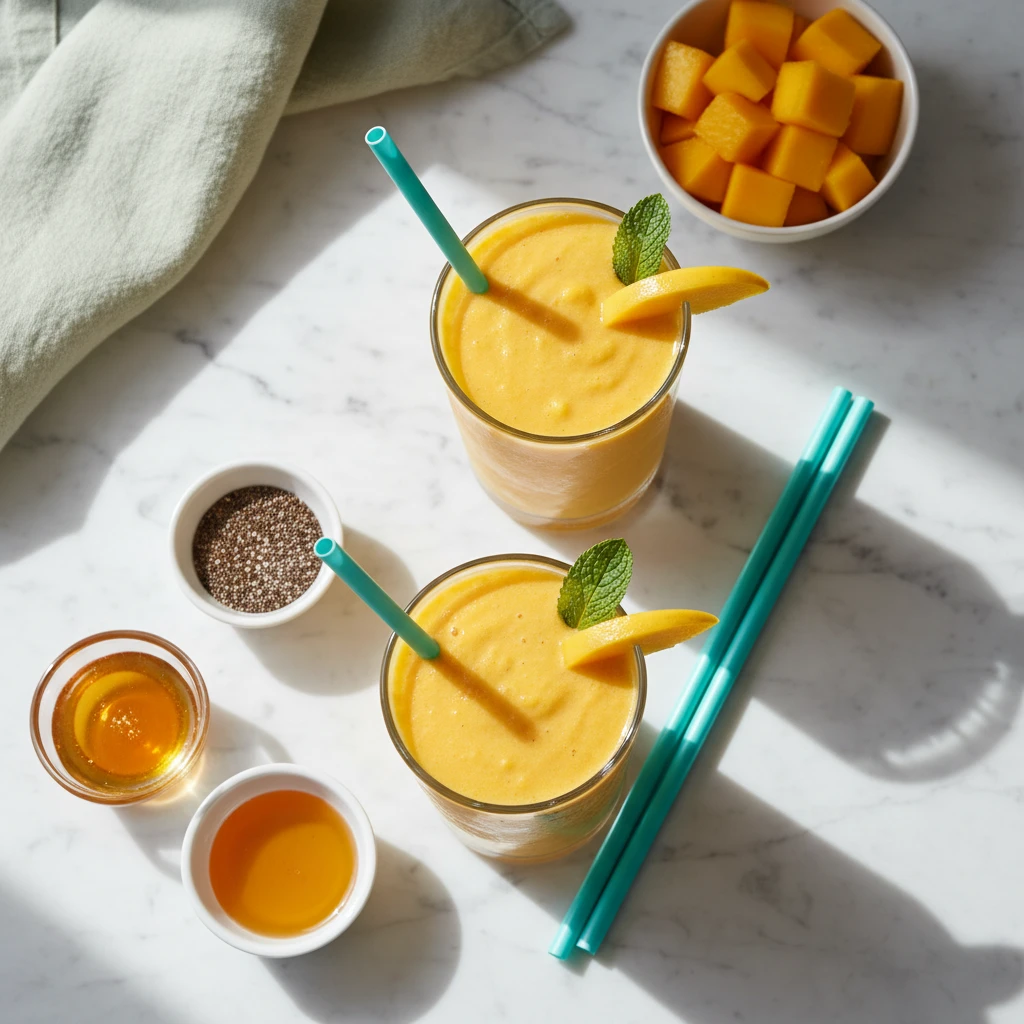
- Double Serve: Blend and pour into two tall glasses side by side for sharing, or make a double batch to enjoy one now and refrigerate the other for later (though best enjoyed fresh).
- Tropical Themed Party: Serve chilled in a pitcher with fresh mango slices and mint leaves floating on top. Guests can pour into small glasses for a refreshing welcome drink.
- Kid-Friendly Presentation: Pour into fun character-themed cups or use colorful straws to make it more appealing to children.
 Save
SaveStorage and Reheating
Best Served Fresh: This smoothie is best consumed immediately after blending for optimal flavor, texture, and nutrient content. The vibrant color and creamy consistency are at their peak within the first 5 minutes.
Short-Term Storage (Same Day): If you must store the smoothie, pour it into an airtight glass container and refrigerate for up to 4 hours. The drink will separate, with liquid settling at the bottom and thick components rising to the top. Before drinking, simply stir well or shake the container to recombine, though texture and flavor will not be identical to fresh.
Prep Ahead Hack: Freeze pre-portioned mango chunks in freezer bags or containers. When ready for a smoothie, blend frozen mango with yogurt and milk (skip or reduce ice) for a thick, creamy smoothie without needing fresh mango available.
Freezer Storage (Smoothie Pops): Pour the smoothie mixture into popsicle molds and freeze for 4–6 hours or overnight for a refreshing frozen treat. This method preserves flavor and creates a fun alternative format.
Do Not Refreeze: Do not freeze a prepared smoothie in a regular container with the intention of thawing later. The separation, oxidation, and texture breakdown will result in an unappetizing drink with separated liquid and grainy frozen components.
Refrigerated Ingredients: Store fresh mango in the refrigerator crisper drawer for up to 5 days once ripe. Keep Greek yogurt sealed in its container in the coldest part of your refrigerator for up to 2 weeks past purchase (follow package expiration dates). Milk keeps 7–10 days refrigerated once opened.
Frequently Asked Questions about Mango Smoothie
Can I make mango smoothie with frozen mango?
Yes, absolutely. Frozen mango works beautifully and is actually preferred by many because it’s frozen at peak ripeness and ensures consistent smoothness. Use 2 cups frozen mango chunks directly from the freezer. You can either thaw for 5 minutes before blending for a slightly smoother texture, or blend from frozen for a thicker, almost soft-serve consistency. If blending from frozen, reduce ice cubes to 1/4 cup or omit them entirely, since frozen mango provides the necessary cold and thickness.
What is the best milk to use for mango smoothie?
Whole milk creates the creamiest, most luxurious texture and balances the tartness of yogurt beautifully. However, any milk works: low-fat dairy milk, almond milk, oat milk, coconut milk, or cashew milk. Each creates slightly different flavor and texture. Almond milk is lighter and more neutral. Oat milk adds subtle creaminess. Coconut milk intensifies tropical notes. Cashew milk is the richest dairy-free option. Choose based on your dietary preference and desired final texture.
How do I know if my mango is ripe enough?
A ripe mango should yield slightly when you gently press it with your thumb, similar to how a ripe avocado feels. It should have a fragrant, sweet aroma, especially near the stem end. The skin color should be vibrant yellow, orange, or red depending on variety, with no green tones. Avoid mangoes that are rock-hard (unripe), mushy (overripe), or have dark spots or blemishes. If your store mangoes are not ripe, buy them 2–3 days ahead and let them sit on the counter at room temperature to ripen naturally.
Can I add protein powder to mango smoothie?
Yes. Add 1/3 to 1/2 cup scoop of vanilla protein powder (about 25–30 grams) and blend on high for 90 seconds until fully incorporated and smooth. The powder will slightly thicken the smoothie and increase protein content, making it perfect for post-workout recovery. Some protein powders add sweetness, so taste after blending and reduce honey by 1 tablespoon if the smoothie is too sweet. Vanilla protein powder works best; avoid chocolate or fruit-flavored powders that clash with mango.
Why is my mango smoothie grainy or lumpy?
This typically happens when mangoes are not fully ripe (they contain more starch) or when the blender didn’t run long enough to fully break down fibers. Blend on high speed for a full 90 seconds and check texture. If lumps remain, blend another 30 seconds. If graininess persists despite adequate blending, your mangoes may be underripe—use the ripest, softest mangoes available. Using frozen mango often solves this issue because it’s more uniformly soft.
How many servings does one mango smoothie recipe make?
This recipe makes 2–3 servings depending on glass size. The basic recipe (2 cups mango, 1 cup yogurt, 1/2 cup milk) yields approximately 24–28 ounces of smoothie, which divides into two 12-ounce smoothies (generous) or three 8-ounce smoothies (standard). To serve 4 people, double the entire recipe and blend in two batches, or use a high-powered blender and blend all ingredients at once if your jar is large enough.
Can I make mango smoothie dairy-free or vegan?
Yes. Replace Greek yogurt with coconut yogurt, dairy-free yogurt, or silken tofu (1 cup). Use plant-based milk such as almond, oat, coconut, or cashew milk instead of dairy milk. Replace honey with agave nectar, maple syrup, or coconut sugar. All other ingredients remain the same. This version is entirely vegan and dairy-free while maintaining creamy, delicious flavor and texture.
Nutrition Facts (Per Serving)
| Nutrient | Per Serving (1 of 2) |
|---|---|
| Calories | 245 |
| Protein | 12g |
| Carbohydrates | 38g |
| Dietary Fiber | 2.5g |
| Sugar | 32g |
| Total Fat | 3.5g |
| Saturated Fat | 2g |
| Cholesterol | 15mg |
| Sodium | 85mg |
| Potassium | 450mg |
| Vitamin C | 85% DV |
| Vitamin A | 35% DV |
| Calcium | 25% DV |
Dietary Notes: This mango smoothie is naturally gluten-free and can be made vegan by substituting yogurt and milk with plant-based alternatives. The smoothie is high in natural sugars from mango and honey; if monitoring sugar intake, reduce honey to 2 tablespoons or substitute with a sugar-free sweetener. The smoothie provides excellent vitamin C for immune support and potassium for heart health. Greek yogurt contributes probiotics for gut health and protein for satiety.
Mango Smoothie
Ingredients
- 2 cups fresh mango chunks about 2 medium mangoes
- 1 cup plain Greek yogurt
- 1/2 cup whole milk
- 1/4 cup honey
- 1/2 cup ice cubes
- 1/2 teaspoon vanilla extract
- Pinch of sea salt
- Optional: 1 tablespoon chia seeds
- Optional: fresh mint leaves for garnish
Instructions
- Gather your ingredients. Measure out 2 cups fresh mango chunks (peel and pit fresh mangoes, or use thawed frozen mango), 1 cup Greek yogurt, 1/2 cup whole milk, 1/4 cup honey, 1/2 cup ice, 1/2 teaspoon vanilla, and a pinch of salt. Checkpoint: All ingredients should be at hand and measured before you start blending.
- Add mango to blender. Pour 2 cups mango chunks into the blender jar first. This prevents yogurt and milk from sticking to the bottom during blending.
- Add yogurt and milk. Scoop 1 cup plain Greek yogurt and pour 1/2 cup whole milk directly into the blender on top of the mango.
- Add sweetener and flavorings. Drizzle in 1/4 cup honey (adjust to taste based on mango sweetness), add 1/2 teaspoon vanilla extract, and pinch of sea salt. The salt enhances the mango and yogurt flavors without making it taste salty.
- Add ice. Pour 1/2 cup ice cubes into the blender. If using frozen mango instead of fresh, reduce ice to 1/4 cup to avoid overly thin smoothie. Checkpoint: All wet and dry ingredients should now be in the blender.
- Blend until completely smooth. Secure the blender lid and blend on high speed for 60–90 seconds. Stop and check texture. If chunks remain, blend for another 30 seconds. You should see no visible mango particles; the smoothie will be thick, creamy, and pourable, not watery or grainy.
- Taste and adjust. Pour a small spoonful into a cup. If too thick, add 2 tablespoons milk. If not sweet enough, add 1 more tablespoon honey and blend 10 seconds. If too sweet, add 2 tablespoons milk. Checkpoint: Flavor and texture should match your preference before pouring.
- Pour into serving glasses. Divide smoothie evenly between 2–3 tall glasses (depending on how full you want them). Pour immediately while cold and thick.
- Garnish and serve immediately. Top each smoothie with a fresh mint leaf, a thin mango slice, or a light sprinkle of chia seeds if desired. Serve with a wide straw or smoothie spoon while temperature is coldest, within 5 minutes of blending.
- Optional boost: If using chia seeds, add 1 tablespoon before blending. They will thicken the smoothie slightly and add omega-3s and fiber. If adding protein powder for a post-workout smoothie, add 1/4 to 1/3 cup scoop of vanilla protein and blend an additional 10 seconds until fully incorporated.