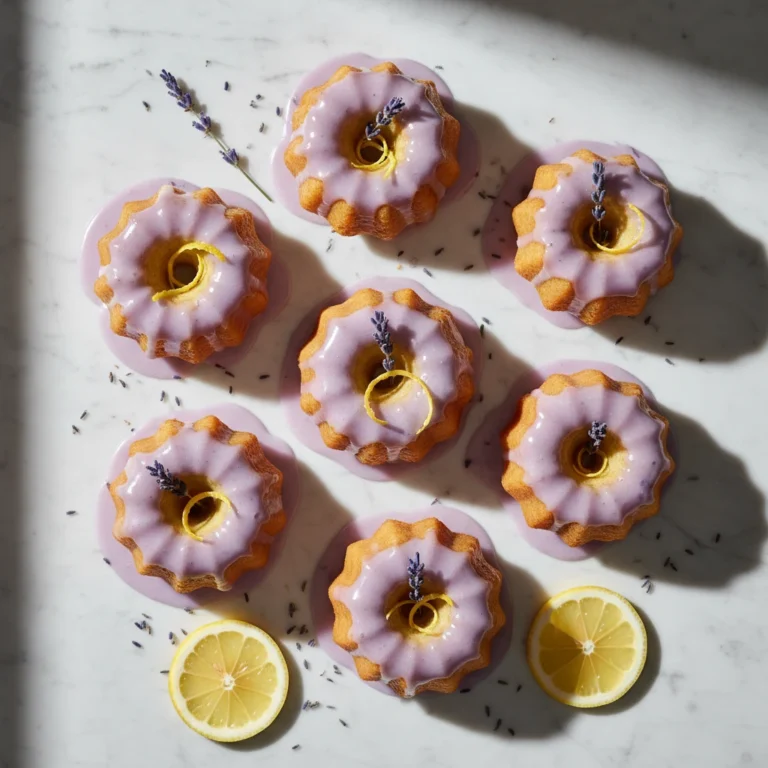
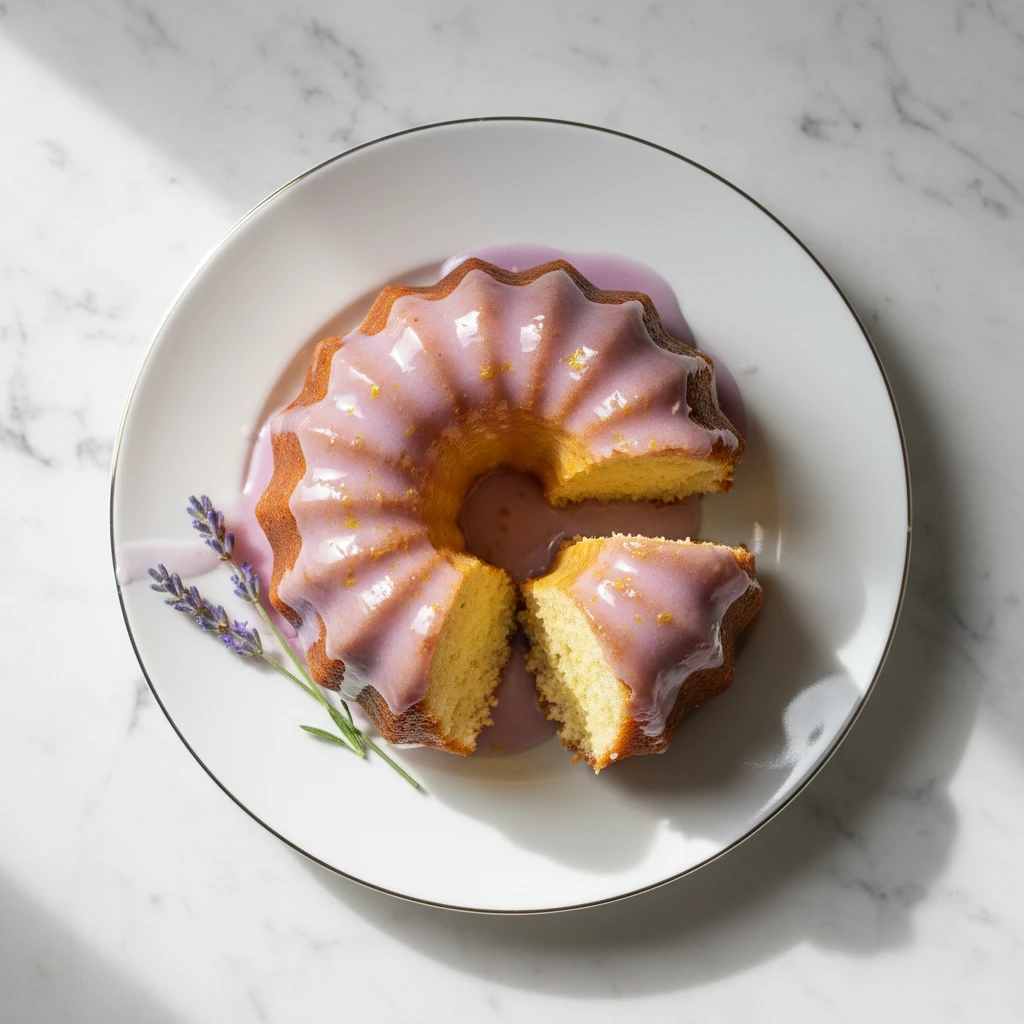
Few desserts feel as elegant and refreshing as mini lemon cakes with lavender glaze. These tender little cakes burst with bright citrus flavor, balanced beautifully by a floral, subtly sweet lavender glaze. Perfect for garden parties, afternoon tea, baby showers, or simply treating yourself on a quiet afternoon, they look stunning on any dessert table. Made with simple pantry ingredients and fresh lemon zest, each bite delivers a soft, moist crumb under a silky, fragrant glaze you will want to drizzle on everything.
Reasons to Try Mini Lemon Cakes with Lavender Glaze
- Bright, Refreshing Flavor: The combination of fresh lemon juice, lemon zest, and floral lavender creates a flavor profile that is both vibrant and sophisticated — never overwhelming, always delightful.
- Gorgeous Presentation: Their petite size, delicate shape, and pale purple glaze make these cakes instantly eye-catching, requiring minimal decorating effort for maximum visual impact.
- Perfect for Any Occasion: Whether you are hosting a bridal shower, a spring gathering, or a simple weekday treat, these cakes fit beautifully into any setting.
- Wonderfully Moist Texture: The butter-and-milk base ensures a tender, fine crumb that stays moist for days — no dry cake here.
- Simple to Make: Despite their bakery-worthy appearance, the technique is straightforward and beginner-friendly, requiring no special equipment beyond a standard mini bundt or mini muffin pan.
- Naturally Fragrant: Culinary lavender adds an aromatic quality that makes eating these cakes a truly sensory experience — the scent alone will draw people in.
 Save
SaveIngredients Notes
For the Mini Lemon Cakes
- All-purpose flour
- Baking powder
- Salt
- Unsalted butter
- Granulated sugar
- Eggs
- Fresh lemon juice
- Lemon zest
- Pure vanilla extract
- Whole milk
For the Lavender Glaze
- Powdered sugar
- Whole milk
- Dried culinary lavender
- Fresh lemon juice
- Purple or violet food coloring (optional)
How to Make Mini Lemon Cakes with Lavender Glaze
For the Mini Lemon Cakes
- Preheat your oven and prepare the mini bundt or muffin pan by greasing and lightly flouring each cavity.
- Whisk together the dry ingredients — flour, baking powder, and salt — in a bowl and set aside.
- Cream the softened butter and sugar together until light and fluffy, then beat in the eggs one at a time.
- Mix in the lemon juice, lemon zest, and vanilla extract until combined.
- Alternate adding the dry ingredients and milk to the butter mixture, beginning and ending with flour, mixing gently until a smooth batter forms.
- Divide the batter evenly among the pan cavities and bake until a toothpick inserted in the center comes out clean.
- Cool in the pan briefly before turning out onto a wire rack to cool completely.
For the Lavender Glaze
- Warm the milk gently and steep the dried culinary lavender in it for 5–10 minutes, then strain out the lavender.
- Whisk the lavender-infused milk together with sifted powdered sugar and fresh lemon juice until smooth and pourable.
- Add a drop or two of food coloring if desired, then drizzle generously over the cooled cakes.
- Allow the glaze to set for 10–15 minutes before serving.
What You Must Know About Mini Lemon Cakes with Lavender Glaze
- Use Culinary Lavender Only: Always use food-grade or culinary lavender. Ornamental lavender sold at garden centers can contain pesticides and is not safe for eating. Look for culinary lavender at specialty food stores or online.
- Do Not Over-Steep the Lavender: Steeping lavender for too long in the milk can result in a bitter, soapy flavor. Keep the steep time between 8 and 12 minutes for a pleasant floral note.
- Room Temperature Ingredients Matter: Butter, eggs, and milk that are at room temperature incorporate much more smoothly and produce a lighter, fluffier cake. Take them out of the refrigerator at least 30 minutes before starting.
- Zest Before Juicing: Always zest your lemons before cutting and juicing them — it is nearly impossible to zest a juiced lemon effectively. Use a microplane or fine grater and avoid the white pith, which is bitter.
- Do Not Overfill the Pan: Filling the cavities more than two-thirds full will cause the batter to overflow and the cakes to lose their shape. If you have extra batter, bake it in a small ramekin.
- Cool Completely Before Glazing: Glazing a warm cake will cause the glaze to melt and slide right off. Patience here is essential — wait until the cakes are fully cooled for a beautiful, even coating.
- Helpful Tip — Fresh Lemon is Key: Bottled lemon juice simply does not deliver the same brightness. Use freshly squeezed juice for the best flavor in both the cake batter and the glaze.
- Helpful Tip — Double Glaze for Drama: For a thicker, more dramatic glaze, let the first layer set for 10 minutes, then apply a second coat. It looks bakery-professional and tastes even better.
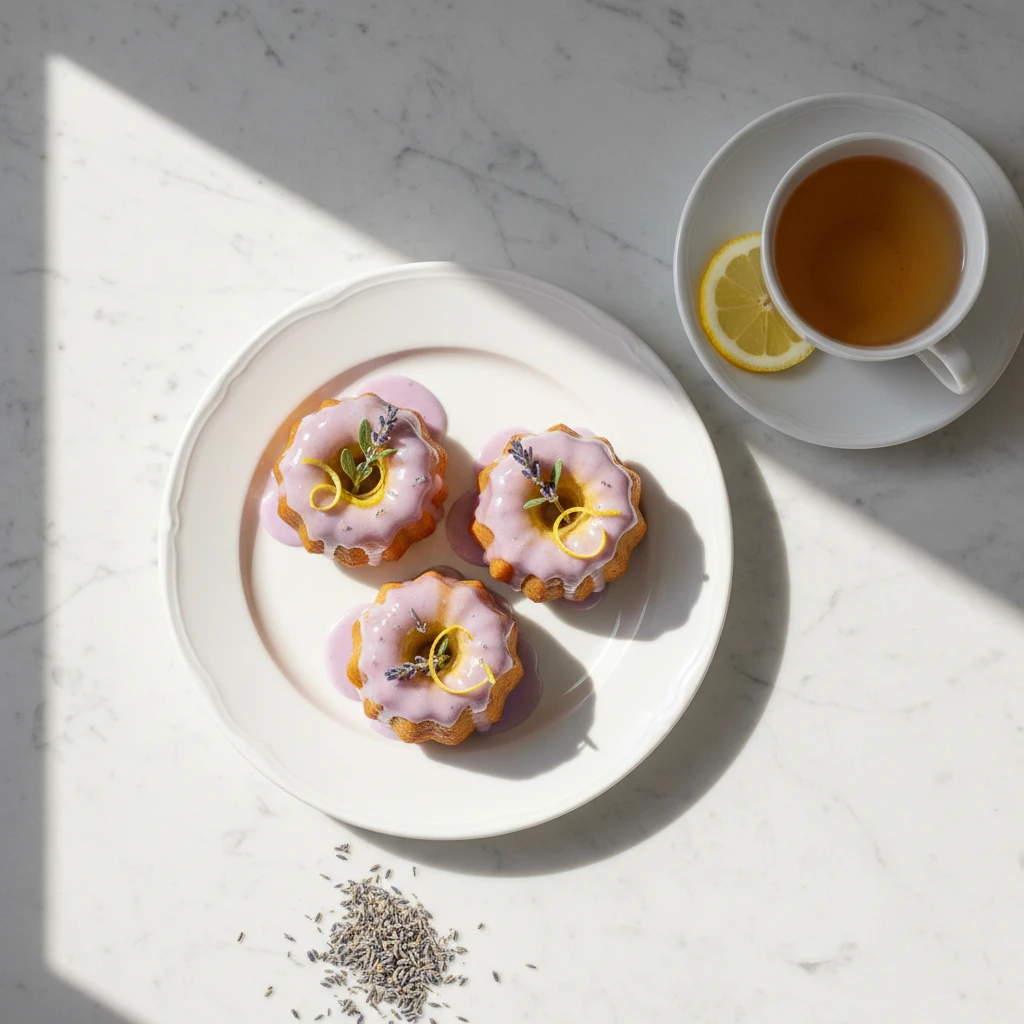
- Helpful Tip — Garnish Ideas: A small sprig of fresh lavender, a thin curl of lemon zest, or a few edible dried lavender buds on top of each cake takes the presentation from lovely to stunning with almost no effort.
Variations and Substitutions
- Lemon Lime Twist: Replace half of the lemon juice with fresh lime juice and add lime zest alongside the lemon zest for a citrusy, tropical spin on the original.
- Honey Lavender Glaze: Swap 2 tablespoons of powdered sugar for an equal amount of honey in the glaze for a deeper, more complex floral sweetness that pairs wonderfully with the lemon.
- Gluten-Free Version: Substitute the all-purpose flour with a 1:1 gluten-free baking flour blend. The texture may be slightly denser but the flavor remains delicious.
- Dairy-Free Adaptation: Use plant-based butter (such as vegan butter sticks) and substitute whole milk with full-fat oat milk or unsweetened almond milk. The cakes will still be moist and flavorful.
- Orange Lavender Cakes: Replace the lemon juice and zest entirely with fresh orange juice and orange zest for a warmer, sweeter floral pairing that is equally beautiful.
- Add a Cream Cheese Filling: Pipe a small spoonful of sweetened cream cheese mixture into the center of each cavity before baking for a tangy surprise inside every cake.
- Rose Water Glaze: Substitute the lavender with ¼ teaspoon of rose water (no steeping needed — just whisk directly into the glaze) for an equally elegant floral variation.
- Loaf Cake Version: Pour all the batter into a standard 8×4-inch loaf pan and bake at 350°F for 45–55 minutes. The lavender glaze drizzled over the top still looks gorgeous.
Serving Suggestions for Mini Lemon Cakes with Lavender Glaze
- Afternoon Tea Spread: Arrange the glazed cakes on a tiered cake stand alongside finger sandwiches, fresh berries, and a pot of Earl Grey or chamomile tea for an elegant, classic presentation.
- Dessert Platter: Cluster several cakes together on a marble board, garnished with fresh lavender sprigs, lemon slices, and scattered edible flowers for a stunning party display.
- With Whipped Cream: Serve each cake with a soft dollop of lightly sweetened whipped cream on the side — the cool creaminess complements the floral glaze beautifully.
- Alongside Fresh Berries: A handful of fresh blueberries or raspberries alongside each cake provides a bright pop of color and a tart contrast that balances the sweetness of the glaze.
- As a Bridal or Baby Shower Favor: Wrap individual cakes in cellophane bags tied with lavender ribbon for a charming, homemade edible favor your guests will adore.
- Warm with Ice Cream: Gently warm the cakes in the microwave for 10–15 seconds and serve alongside a scoop of vanilla bean or lemon sorbet ice cream for a more indulgent dessert course.
 Save
SaveStorage and Reheating
- Room Temperature: Store the glazed cakes in an airtight container at room temperature for up to 2 days. Keep them in a single layer to avoid disturbing the glaze.
- Refrigerator: For longer storage, place the cakes in an airtight container in the refrigerator for up to 5 days. The glaze may absorb slightly into the cake over time, which is perfectly fine — it actually makes them more moist.
- Freezer (Unglazed): The cakes freeze best without the glaze. Wrap each cooled cake individually in plastic wrap, then place in a zip-top freezer bag. Freeze for up to 2 months. Thaw overnight in the refrigerator or at room temperature for 1–2 hours, then make fresh glaze and apply before serving.
- Reheating: To enjoy a warm cake, place an unglazed cake in the microwave on medium power for 10–15 seconds. Do not reheat glazed cakes in the microwave as the sugar glaze can overheat and become very sticky. If you want to serve glazed cakes warm, reheat the cake first and then drizzle with freshly made glaze.
Frequently Asked Questions about Mini Lemon Cakes with Lavender Glaze
Can I use dried lavender from my garden?
Only if you are certain it is an edible variety (English lavender such as Lavandula angustifolia is best) and has not been treated with any pesticides or chemicals. To be safe, purchase certified culinary or food-grade dried lavender from a reputable source.
What pan is best for making mini lemon cakes?
A 12-cavity mini bundt pan gives the most elegant, bakery-style shape with decorative ridges that hold the glaze beautifully. A standard 12-cup muffin pan works perfectly well too, producing round, domed little cakes that are equally delicious.
Can I make these cakes ahead of time?
Yes. The cakes can be baked up to 2 days in advance and stored in an airtight container at room temperature. Make the glaze fresh on the day you plan to serve them for the best appearance and flavor.
Why does my lavender glaze taste soapy?
A soapy flavor almost always means the lavender was steeped for too long or too much was used. Stick to 1 teaspoon of dried culinary lavender and a steep time of no more than 10–12 minutes. Less is truly more with lavender.
Can I substitute dried lavender with lavender extract?
Yes. Use ¼ teaspoon of culinary lavender extract in place of the steeped lavender milk. Add it directly to the glaze with the powdered sugar. Start with a small amount and taste as you go — extract is more concentrated than steeped lavender.
My cakes are sticking to the pan. What am I doing wrong?
Mini bundt pans in particular have intricate designs that require very thorough greasing. Use softened butter to coat every nook and cranny with a pastry brush, then dust with flour. A good nonstick baking spray that contains flour (such as Baker’s Joy) is also highly effective.
Can I double the recipe to make more cakes?
Absolutely. This recipe doubles easily. Simply multiply all ingredients by two and bake in batches. Keep the batter covered at room temperature while the first batch bakes — do not refrigerate it between batches.
Nutrition Facts (Per Serving)
| Nutrient | Amount Per Serving |
|---|---|
| Calories | 248 kcal |
| Total Fat | 9.5 g |
| Saturated Fat | 5.8 g |
| Cholesterol | 55 mg |
| Sodium | 105 mg |
| Total Carbohydrates | 38 g |
| Dietary Fiber | 0.5 g |
| Total Sugars | 25 g |
| Protein | 3.2 g |
| Vitamin C | 3 mg |
| Calcium | 52 mg |
| Iron | 0.9 mg |
Mini Lemon Cakes with Lavender Glaze
Ingredients
- 1 ½ cups all-purpose flour
- 1 ½ teaspoons baking powder
- ¼ teaspoon salt
- ½ cup unsalted butter softened
- ¾ cup granulated sugar
- 2 large eggs room temperature
- 2 tablespoons fresh lemon juice
- 1 tablespoon lemon zest
- 1 teaspoon pure vanilla extract
- ½ cup whole milk room temperature
- For the Lavender Glaze:
- 1 cup powdered sugar sifted
- 2 tablespoons whole milk
- 1 teaspoon dried culinary lavender
- 1 tablespoon fresh lemon juice
- 1 –2 drops purple or violet food coloring optional
Instructions
- Preheat your oven to 350°F (175°C). Place the rack in the center position. Grease a 12-cavity mini bundt pan (or a standard 12-cup muffin pan) thoroughly with butter or nonstick spray, then dust lightly with flour, tapping out any excess. Checkpoint: You are ready to move on when every cavity is evenly coated and there are no bare spots.
- In a medium bowl, whisk together 1 ½ cups all-purpose flour, 1 ½ teaspoons baking powder, and ¼ teaspoon salt for about 30 seconds until fully combined. Set aside.
- In a large bowl using a hand mixer or stand mixer on medium speed, beat ½ cup softened butter and ¾ cup granulated sugar together for 3–4 minutes until the mixture is pale, fluffy, and noticeably increased in volume. It should look almost white and feel airy. Checkpoint: You are ready to move on when the mixture is light and fluffy, not dense or greasy.
- Add 2 eggs one at a time, beating well after each addition (about 30 seconds per egg) on medium speed. The batter should look smooth and creamy after each egg is incorporated.
- Add 2 tablespoons fresh lemon juice, 1 tablespoon lemon zest, and 1 teaspoon vanilla extract. Mix on low speed for about 20 seconds until just combined. The batter may look slightly curdled — this is normal.
- With the mixer on the lowest speed, add one-third of the flour mixture and stir until just incorporated. Pour in half of the ½ cup milk and mix briefly. Repeat, alternating flour and milk, ending with the last third of flour. Mix only until no dry streaks remain — do not overmix or the cakes will be tough. Checkpoint: You are ready to move on when the batter is smooth and lump-free with no visible flour streaks.
- Spoon or pour the batter evenly into the prepared pan cavities, filling each about two-thirds full. Tap the pan gently on the counter 2–3 times to release any air bubbles.
- Bake at 350°F (175°C) for 16–20 minutes. Do not open the oven before 15 minutes. The cakes are done when a toothpick inserted into the thickest part comes out clean and the tops spring back lightly when touched. The edges will just begin to pull away from the pan. Checkpoint: You are ready to move on when the toothpick is clean and the cake tops are lightly golden.
- Remove the pan from the oven and let the cakes cool in the pan for 8–10 minutes on a wire rack. Then gently invert the pan onto the rack and lift it away. If using a muffin pan, use a thin spatula or butter knife to loosen the edges before removing. Let the cakes cool completely — at least 30 minutes — before glazing. Checkpoint: You are ready to move on when the cakes feel cool to the touch on the bottom.
- While the cakes cool, make the lavender glaze. In a small saucepan over low heat, warm 2 tablespoons of milk for 1–2 minutes until it is just steaming, not boiling. Remove from heat, add 1 teaspoon dried culinary lavender, and let it steep for 8–10 minutes. Strain through a fine mesh strainer into a small bowl, pressing on the lavender to extract as much flavor as possible. Discard the lavender. Checkpoint: You are ready to move on when the milk smells gently floral and is no longer hot.
- To the strained lavender milk, add 1 cup sifted powdered sugar and 1 tablespoon fresh lemon juice. Whisk vigorously for 1–2 minutes until completely smooth and pourable. The glaze should coat the back of a spoon but still flow easily. If it is too thick, add ½ teaspoon of milk at a time. If too thin, add a tablespoon more powdered sugar. Add 1–2 drops of purple food coloring if desired and stir to combine.
- Place the cooled cakes on the wire rack with a sheet of parchment or a baking sheet underneath to catch drips. Spoon or pour the lavender glaze over each cake, letting it drip down the sides naturally. Allow the glaze to set at room temperature for 10–15 minutes until it is no longer tacky before serving or transferring.