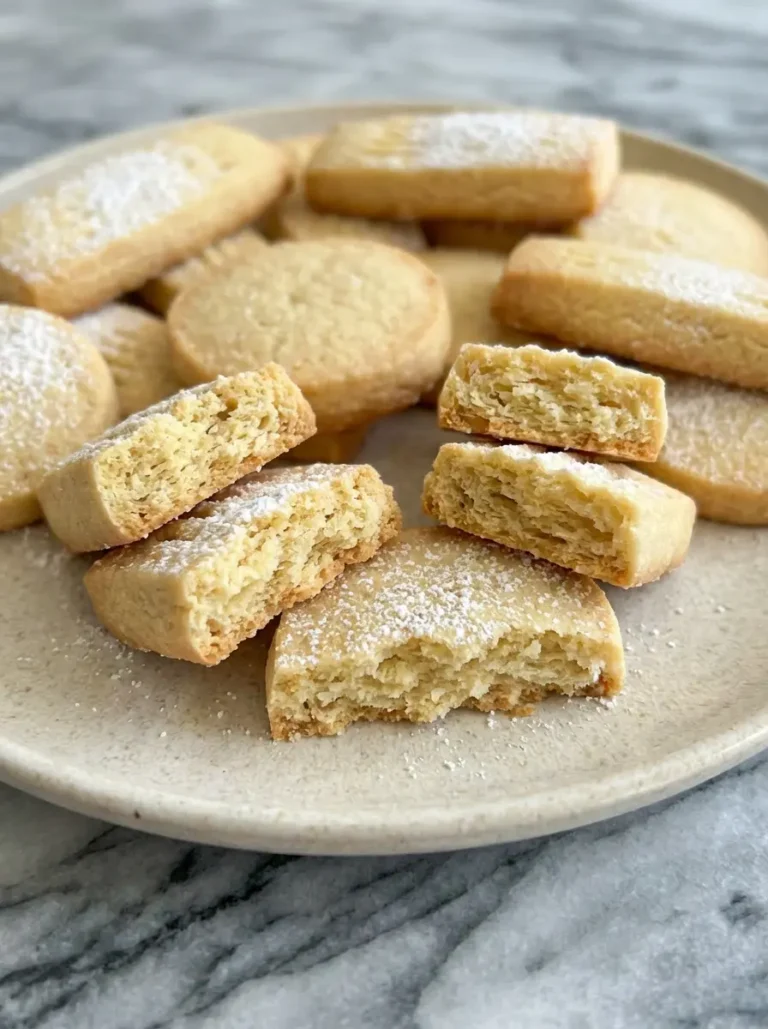
Shortbread cookies represent one of the simplest yet most satisfying treats you can bake at home. These buttery delights require just three basic ingredients that you probably already have in your kitchen. The beauty of shortbread lies in its pure, rich flavor and melt-in-your-mouth texture that comes from a high butter content and minimal mixing. After years of baking these cookies for family gatherings and holidays, I’ve learned that the simplest recipes often produce the most memorable results.
The golden edges and tender crumb of a perfect shortbread cookie never fail to impress, whether you’re serving them at a tea party or packaging them as gifts. This recipe produces cookies that are both elegant and comforting, with a delicate snap that gives way to a buttery softness. You don’t need fancy equipment or professional skills to master shortbread. With just a mixing bowl, your hands, and a bit of patience, you can create bakery-quality cookies that will have everyone asking for your secret.
Reasons to Try Shortbread Cookies
Simple Ingredient List Makes Shopping Easy
You only need butter, sugar, and flour to create these cookies. This simplicity means you can whip up a batch without a special trip to the store. The basic recipe also serves as a blank canvas for your own creative additions.
Rich Buttery Flavor That Stands Out
The high butter content creates an intense, pure flavor that you can’t achieve with other types of cookies. Each bite delivers a rich taste that fills your mouth without being overly sweet. This makes shortbread perfect for people who prefer less sugary desserts.
Texture That Melts Away
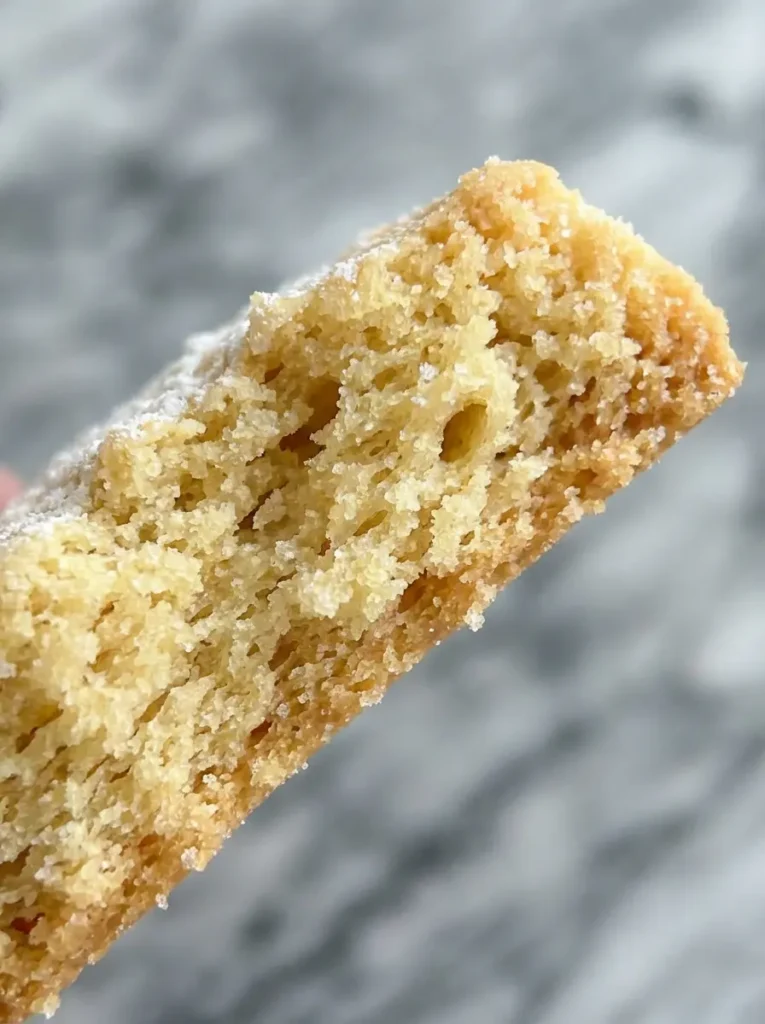
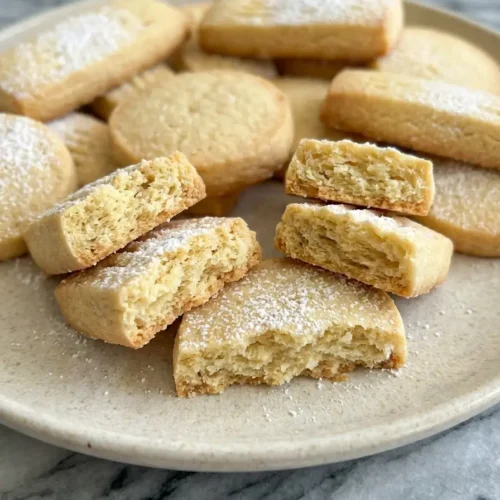
Shortbread has a unique crumbly texture that dissolves on your tongue. The cookies are tender but sturdy enough to hold their shape. This texture comes from the specific ratio of ingredients and the gentle mixing method that prevents gluten development.
Perfect for Any Occasion
These cookies work beautifully at formal events, casual gatherings, or quiet afternoons with tea. They look sophisticated yet feel homey. You can dress them up with decorations or keep them plain and simple.
Long Shelf Life for Convenience
Properly stored shortbread stays fresh for weeks. This makes them ideal for making ahead of time for parties or holidays. You can also ship them to friends and family without worrying about them arriving stale.
Easy to Customize
Once you master the basic recipe, you can add different flavors and shapes. The dough is forgiving and adapts well to various additions like citrus zest, vanilla, or chocolate chips.
 Save
SaveWhere Did Shortbread Cookies Come From?
Shortbread cookies originated in Scotland during the medieval period. Bakers created this recipe by drying out leftover bread dough with sugar and butter, which eventually evolved into a dedicated biscuit recipe. Mary, Queen of Scots popularized a particular version in the 16th century called “petticoat tails,” which were shaped like triangular wedges. The traditional ratio of ingredients follows a simple formula: one part sugar, two parts butter, and three parts flour. Scottish bakers jealously guarded their shortbread recipes and passed them down through generations. The cookies became associated with special occasions, particularly Christmas and Hogmanay (Scottish New Year). Today, shortbread remains a symbol of Scottish baking heritage and is enjoyed worldwide in countless variations.
Ingredients Notes
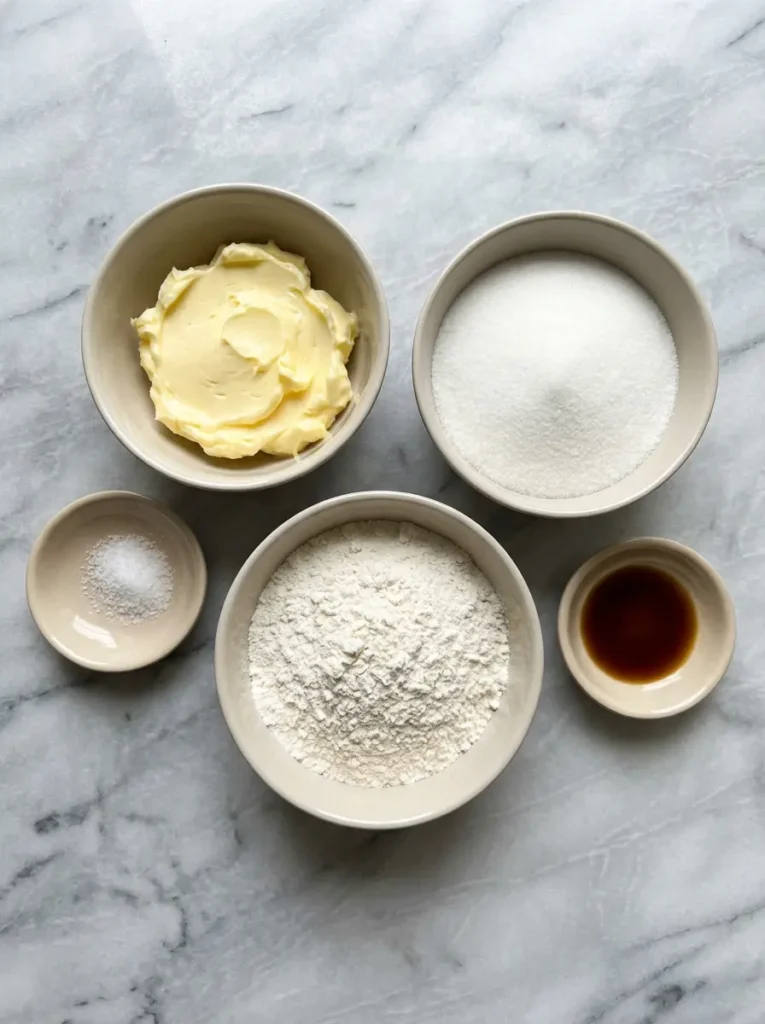
Butter: The Star of the Show
Use high-quality unsalted butter for the best flavor. European-style butter with higher fat content produces even richer cookies. The butter must be at room temperature so it creams properly with the sugar. I always leave mine on the counter for about an hour before baking. Never use margarine or butter substitutes, as they will completely change the texture and taste.
Sugar: Sweetness and Texture
Granulated white sugar is traditional and creates a fine, even texture. Some bakers prefer superfine sugar because it dissolves more smoothly. You can also use a mix of granulated and powdered sugar for an extra tender cookie. The sugar amount is deliberately modest to let the butter flavor shine through.
Flour: The Foundation
All-purpose flour works perfectly for shortbread. Some recipes call for a portion of rice flour or cornstarch to create an even more delicate texture. Make sure your flour is fresh and store it in an airtight container. Measure flour by spooning it into your measuring cup and leveling it off, rather than scooping directly from the bag.
Salt: The Secret Enhancer
A small amount of salt balances the sweetness and amplifies the butter flavor. Even though the recipe uses unsalted butter, you still need to add a pinch of salt to the dough. This small addition makes a huge difference in the final taste.
Optional Vanilla Extract
While not traditional, a small amount of vanilla extract complements the butter beautifully. Use pure vanilla extract rather than imitation for the best flavor. You can also substitute other extracts like almond or lemon.
 Save
SaveHow to Make Shortbread Cookies
Step 1: Prepare Your Workspace
Set out all your ingredients so they reach room temperature. Preheat your oven to 325°F (165°C). Line your baking sheets with parchment paper or silicone baking mats. This preparation ensures smooth baking without interruptions.
Step 2: Cream the Butter and Sugar
Place the softened butter in a large mixing bowl. Add the sugar and salt. Beat them together with an electric mixer or wooden spoon until the mixture looks light and fluffy. This takes about 3 to 5 minutes. The mixture should be pale yellow and have increased in volume. Scrape down the sides of the bowl to incorporate all the butter.
Step 3: Add the Flour Gradually
Add the flour to the butter mixture in two or three additions. Mix gently after each addition until just combined. Stop mixing as soon as you no longer see streaks of flour. Overmixing will create tough cookies instead of tender ones.
Step 4: Form the Dough
The dough will look crumbly at first. Use your hands to press it together into a ball. Knead it gently just a few times until it comes together smoothly. The warmth from your hands helps bind the dough without overworking it.
Step 5: Shape the Cookies
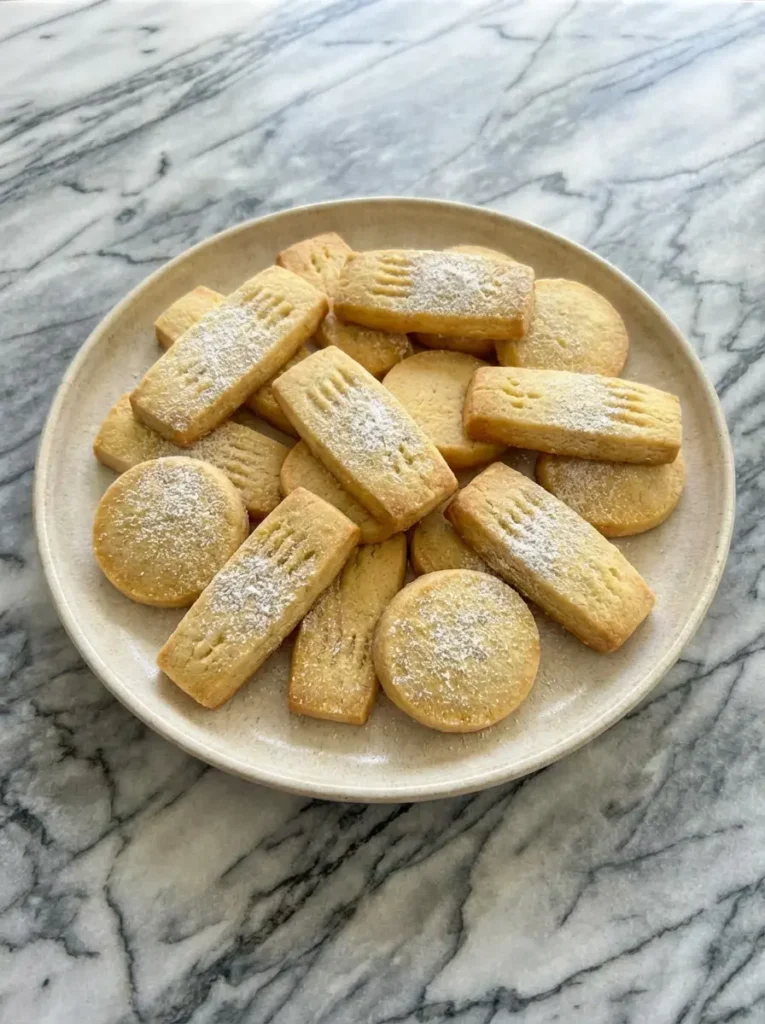
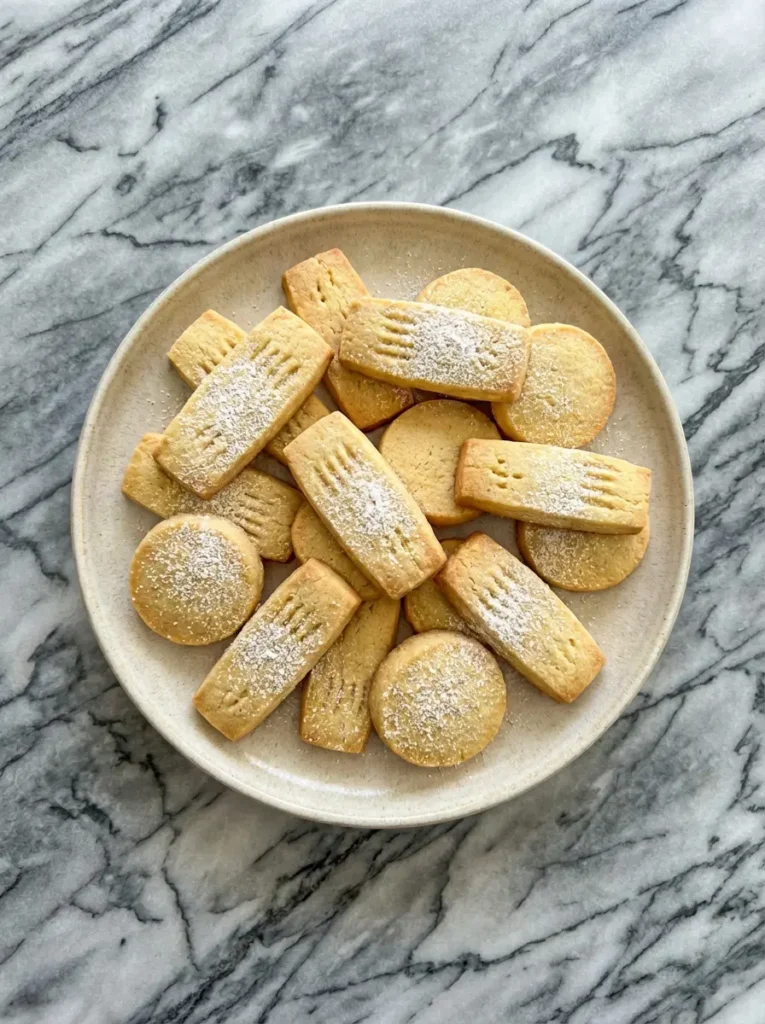
You have several shaping options. For traditional wedges, press the dough into an 8-inch circle on a baking sheet, then score it into 8 or 12 wedges. For rounds, roll the dough to 1/2-inch thickness and cut with a cookie cutter. For fingers, shape the dough into a rectangle and cut into bars. You can also roll the dough into a log, chill it, and slice it into rounds.
Step 6: Add Finishing Touches
Prick the surface of each cookie with a fork. This creates the classic shortbread pattern and helps them bake evenly. You can also sprinkle the tops with a bit of extra sugar for sparkle and crunch.
Step 7: Bake to Golden Perfection
Place the baking sheet in the preheated oven. Bake for 20 to 25 minutes, depending on thickness and size. The cookies are done when the edges turn light golden brown. The centers might still look pale, which is correct. Remove them from the oven and let them cool on the baking sheet for 5 minutes.
Step 8: Cool Completely
Transfer the cookies to a wire rack to cool completely. They will firm up as they cool. Don’t try to move them too soon or they might break. Wait at least 15 minutes before handling them.
What You Must Know About Shortbread Cookies
Temperature Control Is Critical
Your butter must be at room temperature, not melted and not cold from the fridge. Cold butter won’t mix properly, and melted butter will make greasy cookies. The dough should also stay cool while you work with it. If your kitchen is very warm, chill the dough for 30 minutes before shaping.
Gentle Mixing Prevents Toughness
Mix the dough just until the ingredients come together. Overworking develops gluten in the flour, which makes the cookies hard and chewy instead of tender and crumbly. Use a light hand and stop as soon as you see no more flour streaks.
Watch the Oven Temperature
Shortbread bakes at a lower temperature than most cookies. This allows them to cook through without browning too much. If your oven runs hot, reduce the temperature by 25°F. An oven thermometer helps ensure accuracy.
Don’t Overbake
Shortbread can go from perfect to overdone in just a few minutes. Set a timer and check the cookies at the minimum baking time. They should be barely golden at the edges with pale centers. They continue baking on the hot pan after you remove them from the oven.
Handle with Care When Hot
Fresh-from-the-oven shortbread is extremely fragile. Let the cookies rest on the baking sheet for several minutes before moving them. Rushing this step leads to broken cookies.
Helpful Tips
Chill the Dough for Cleaner Cuts
If you’re cutting shapes with cookie cutters, refrigerate the rolled dough for 20 minutes first. Cold dough cuts more cleanly and holds its shape better during baking.
Use Parchment Paper
Line your baking sheets with parchment paper for easy cleanup and to prevent sticking. The cookies release perfectly from parchment without needing extra butter or flour on the pan.
Make Your Own Superfine Sugar
Process regular granulated sugar in a food processor for 30 seconds to create superfine sugar. This helps the sugar dissolve more completely into the butter.
Score Before Baking
If making wedges or bars, cut through the dough completely before baking. This prevents breaking when you try to separate the baked cookies.
Try the Hand Method
Many traditional bakers make shortbread without any electric mixer. They rub the butter into the flour and sugar with their fingertips. This method gives you more control and helps prevent overmixing.
Double the Batch
Shortbread dough freezes beautifully. Make a double batch, freeze half the dough, and bake fresh cookies whenever you want them.
 Save
SaveVariations and Substitutions
Flavor Additions
Add 1 teaspoon of vanilla extract, almond extract, or lemon zest to the dough for extra flavor. You can also mix in 1/4 cup of mini chocolate chips, dried lavender, or finely chopped nuts. Citrus zest adds a bright note that cuts through the richness.
Different Sugars
Replace half the granulated sugar with brown sugar for a deeper, more caramel-like flavor. Powdered sugar creates an extra-fine, delicate texture. You can also try coconut sugar for a subtle molasses taste.
Gluten-Free Version
Use a 1-to-1 gluten-free flour blend in place of all-purpose flour. The texture will be slightly different but still delicious. Rice flour also works well and is traditional in some Scottish shortbread recipes.
Chocolate Shortbread
Replace 1/4 cup of flour with unsweetened cocoa powder for chocolate shortbread. These pair beautifully with raspberry jam or fresh strawberries.
Dipped or Drizzled
After baking and cooling, dip half of each cookie in melted chocolate. You can also drizzle melted white or dark chocolate over the tops for a fancy finish.
Savory Shortbread
Reduce the sugar to 2 tablespoons and add herbs like rosemary or thyme plus a bit of black pepper. These savory versions work wonderfully with cheese or as appetizers.
Serving Suggestions for Shortbread Cookies
Classic Tea Time
Serve shortbread cookies alongside a pot of hot tea or coffee. The buttery richness pairs beautifully with Earl Grey, English Breakfast, or robust coffee. Arrange the cookies on a pretty plate with small napkins.
Ice Cream Sandwiches
Use two shortbread cookies to sandwich a scoop of vanilla, chocolate, or strawberry ice cream. Press gently and roll the edges in mini chocolate chips or sprinkles. Wrap individually and freeze for an elegant frozen treat.
With Fresh Berries
Plate shortbread cookies with fresh strawberries, raspberries, or blueberries. Add a dollop of whipped cream or mascarpone. The fruit’s acidity balances the rich butter flavor perfectly.
Dessert Platter
Include shortbread on a dessert board with other sweets, fresh fruit, and chocolate. Their simple elegance complements more elaborate desserts without competing for attention.
Gift Packaging
Stack cookies in clear cellophane bags tied with ribbon for beautiful homemade gifts. You can also arrange them in decorative tins lined with parchment paper. They ship well and stay fresh for weeks.
With Jam or Curd
Spread lemon curd, raspberry jam, or orange marmalade on shortbread for a simple but delicious treat. The sweet-tart spread contrasts nicely with the buttery cookie.
 Save
SaveStorage and Reheating
Room Temperature Storage
Store completely cooled shortbread cookies in an airtight container at room temperature. They stay fresh for up to 3 weeks. Place parchment paper between layers to prevent sticking. Keep the container in a cool, dry place away from direct sunlight.
Freezing for Later
Freeze baked cookies in freezer-safe containers or bags for up to 3 months. Separate layers with parchment paper. Thaw at room temperature for about 30 minutes before serving. The texture and flavor remain excellent after freezing.
Freezing Unbaked Dough
Wrap unbaked dough tightly in plastic wrap, then place in a freezer bag. Freeze for up to 3 months. Thaw in the refrigerator overnight before shaping and baking. You can also slice frozen cookie log dough and bake directly from frozen, adding 2 to 3 minutes to the baking time.
Refreshing Stored Cookies
If your cookies lose their crispness, warm them in a 300°F oven for 5 minutes. Let them cool completely before serving. This restores their texture and revives the butter flavor.
Avoiding Moisture
Never store shortbread in the refrigerator, as the moisture will make them soft and soggy. Always make sure cookies are completely cool before storing, or condensation will form inside the container.
Frequently Asked Questions about Shortbread Cookies
Can I use salted butter instead of unsalted butter?
You can use salted butter if needed, but omit any extra salt from the recipe. Unsalted butter gives you more control over flavor, since salt levels vary between butter brands and can affect consistency.
Why did my shortbread turn out hard instead of crumbly?
Shortbread becomes hard when the dough is overmixed or baked too long. Mix just until combined and remove cookies when the edges are lightly golden. Too much flour, often from incorrect measuring, also causes hardness.
Can I add different flavors to the basic shortbread recipe?
Yes. You can add vanilla, almond extract, or citrus zest for flavor. Chocolate chips, dried fruit, or nuts also work, but keep mix-ins under ½ cup to avoid affecting the structure.
How do I know when shortbread is done baking?
Shortbread is done when the edges are pale golden and the centers remain light. The cookies will feel soft at first but firm up as they cool. Browning all over means they are overbaked.
Can I make shortbread without a mixer?
Yes. You can cream the butter and sugar with a wooden spoon, then work in the flour by hand. This method helps prevent overmixing and gives better control over texture.
Why is my shortbread dough too crumbly to form?
This usually happens if the butter is too cold or too much flour was added. Gently knead the dough to warm it slightly. If needed, add 1 teaspoon of cold water to help it come together.
Nutrition Facts (Per Serving)
| Nutrient | Amount |
|---|---|
| Calories | 145 |
| Total Fat | 9g |
| Saturated Fat | 5.5g |
| Cholesterol | 23mg |
| Sodium | 45mg |
| Total Carbohydrates | 15g |
| Dietary Fiber | 0.3g |
| Sugars | 5g |
| Protein | 1.5g |
Nutritional information is approximate and based on one cookie from a batch of 24.
Perfect Shortbread Cookies Recipe (Buttery & Irresistible!)
Ingredients
- 1 cup 226g unsalted butter, at room temperature
- 1/2 cup 100g granulated sugar
- 2 cups 240g all-purpose flour
- 1/4 teaspoon salt
- 1 teaspoon vanilla extract optional
Instructions
- Preheat your oven to 325°F (165°C) and line two baking sheets with parchment paper.
- Place the softened butter, sugar, and salt in a large mixing bowl. Beat with an electric mixer or wooden spoon for 3 to 5 minutes until light and fluffy.
- Add the vanilla extract if using and mix briefly to combine.
- Add the flour in two additions, mixing gently after each addition until just combined. Stop mixing as soon as no flour streaks remain.
- Use your hands to press the dough together into a ball, kneading gently just 2 to 3 times until smooth.
- Roll the dough to 1/2-inch thickness on a lightly floured surface. Cut into desired shapes with cookie cutters, or press into an 8-inch circle and score into wedges.
- Place cookies on the prepared baking sheets, spacing them 1 inch apart. Prick the surface of each cookie several times with a fork.
- Bake for 20 to 25 minutes until the edges are light golden brown but the centers remain pale.
- Let the cookies cool on the baking sheet for 5 minutes, then transfer to a wire rack to cool completely.
- Store in an airtight container at room temperature for up to 3 weeks.