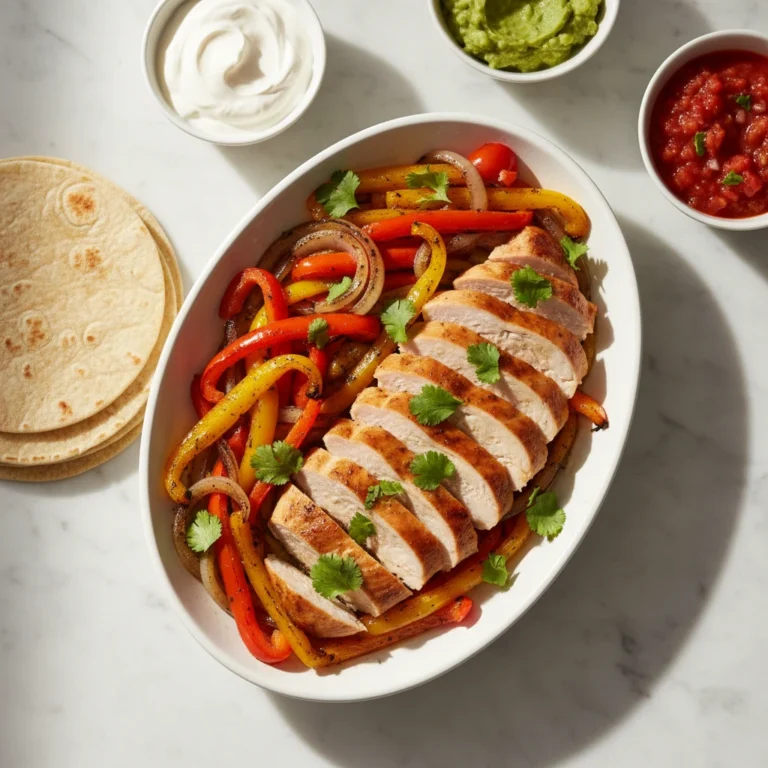
Reasons to Try Smoked Fajita Chicken
Authentic smoky depth: Unlike pan-seared fajitas, smoking infuses the chicken with a savory smokiness that cannot be replicated on a stovetop. The slow heat penetrates the meat, creating a tender, flavorful interior while developing a light smoke ring.
Minimal hands-on time: Once the chicken goes on the smoker, you can relax. There’s no constant flipping or stirring required. Smoke the chicken for about 1.5 hours, and you’re done with that component.
Impressive presentation: Guests are always wowed by homemade smoked meats. Serve them sizzling peppers and onions tableside for a dramatic, restaurant-style presentation.
Versatile and make-ahead friendly: Smoke the chicken ahead of time and store it. Reheat and char the vegetables when you’re ready to serve. This makes entertaining stress-free.
Healthier than traditional fajitas: Skinless chicken breasts are lean protein, and you control the oil and sodium. Smoking requires no added fats, keeping the dish light without sacrificing flavor.
Builds layers of flavor: The dry rub creates a flavorful crust, the smoke adds complexity, and the fajita spices deliver the classic Tex-Mex taste you crave. It’s comfort food elevated.
 Save
SaveIngredients Notes
- Boneless, skinless chicken breasts: Choose evenly-sized breasts so they cook uniformly. Pound them to 1-inch thickness if they’re very thick.
- Smoked paprika: Essential for authentic fajita flavor with a hint of smoke. Do not substitute regular paprika.
- Chili powder: Adds depth and mild heat. Use a good-quality blend, not pure cayenne.
- Ground cumin: Brings earthy, warm notes typical of fajita seasoning.
- Garlic powder and onion powder: Concentrated seasonings that enhance the marinade without moisture.
- Brown sugar: Balances heat with subtle sweetness and helps create a caramelized crust.
- Bell peppers: Use a mix of colors for visual appeal and slightly different flavor profiles. Red is sweetest, yellow is balanced, orange falls in between.
- Yellow onions: Their natural sweetness caramelizes beautifully when charred on the smoker.
- Olive oil: Helps vegetables cook evenly and prevents sticking. Use a moderate heat oil.
- Lime juice: Adds brightness and acid that cuts through the richness of the smoke.
- Worcestershire sauce: Adds umami depth and complexity to the seasoning.
- Fresh cilantro: Final garnish that adds fresh herbaceous notes.
How to Make Smoked Fajita Chicken
- Combine all dry rub ingredients (smoked paprika, chili powder, cumin, garlic powder, onion powder, oregano, cayenne, salt, pepper, and brown sugar) in a small bowl.
- Pat the chicken breasts dry with paper towels and rub them generously on all sides with the spice mixture.
- Preheat your smoker to 225°F and add your choice of wood (hickory or oak work well with chicken).
- Place chicken on the smoker grates and smoke for 1.5 to 2 hours, or until the internal temperature reaches 165°F at the thickest part.
- While the chicken smokes, toss the bell peppers and onions with olive oil, lime juice, Worcestershire sauce, minced garlic, salt, and pepper.
- Once the chicken reaches temperature, carefully place the vegetable mixture in a smoker-safe cast-iron skillet or grill basket directly on the smoker grates.
- Smoke the vegetables for 20 to 25 minutes, stirring occasionally, until they’re tender with charred edges.
- Remove the chicken from the smoker and let it rest for 5 minutes before slicing into strips.
- Slice the chicken against the grain into thin strips and transfer to a serving platter.
- Top the chicken with the smoked vegetables and garnish with fresh cilantro and a pinch of smoked salt.
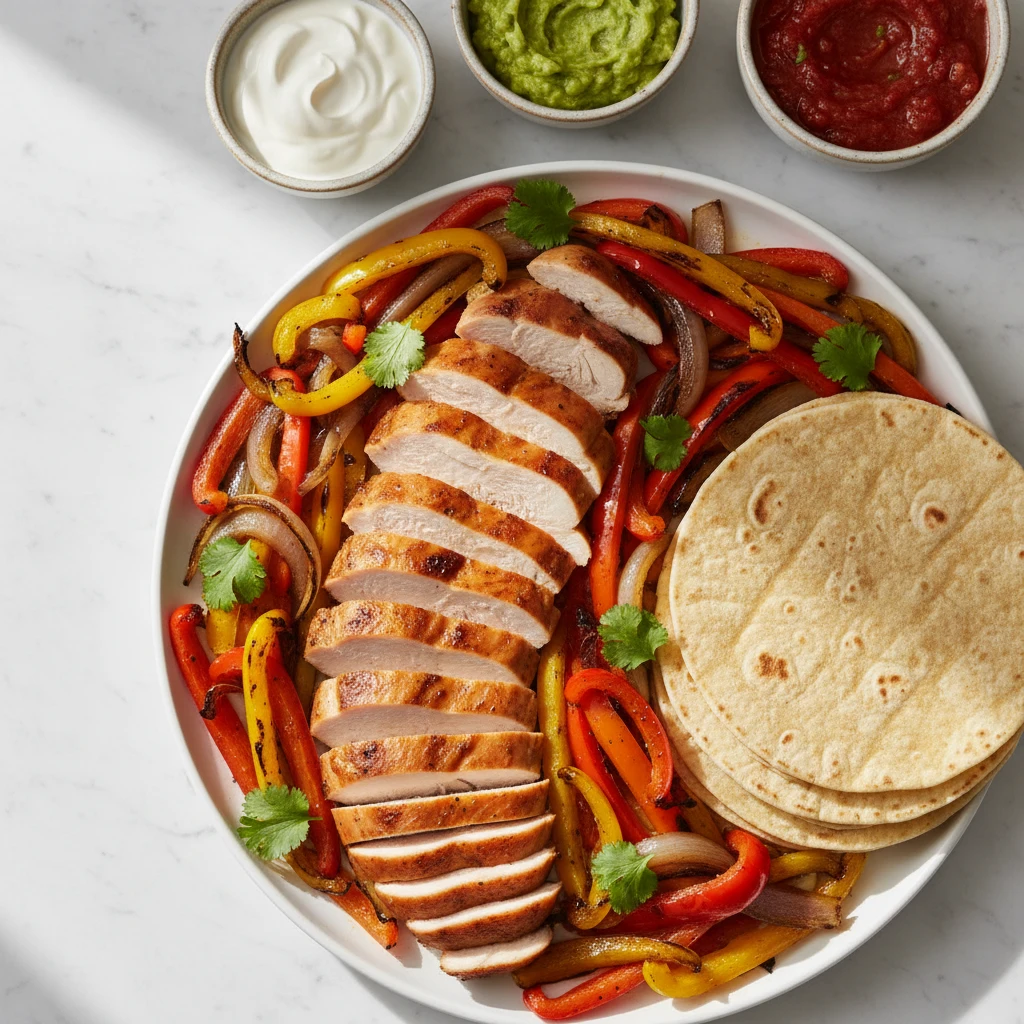
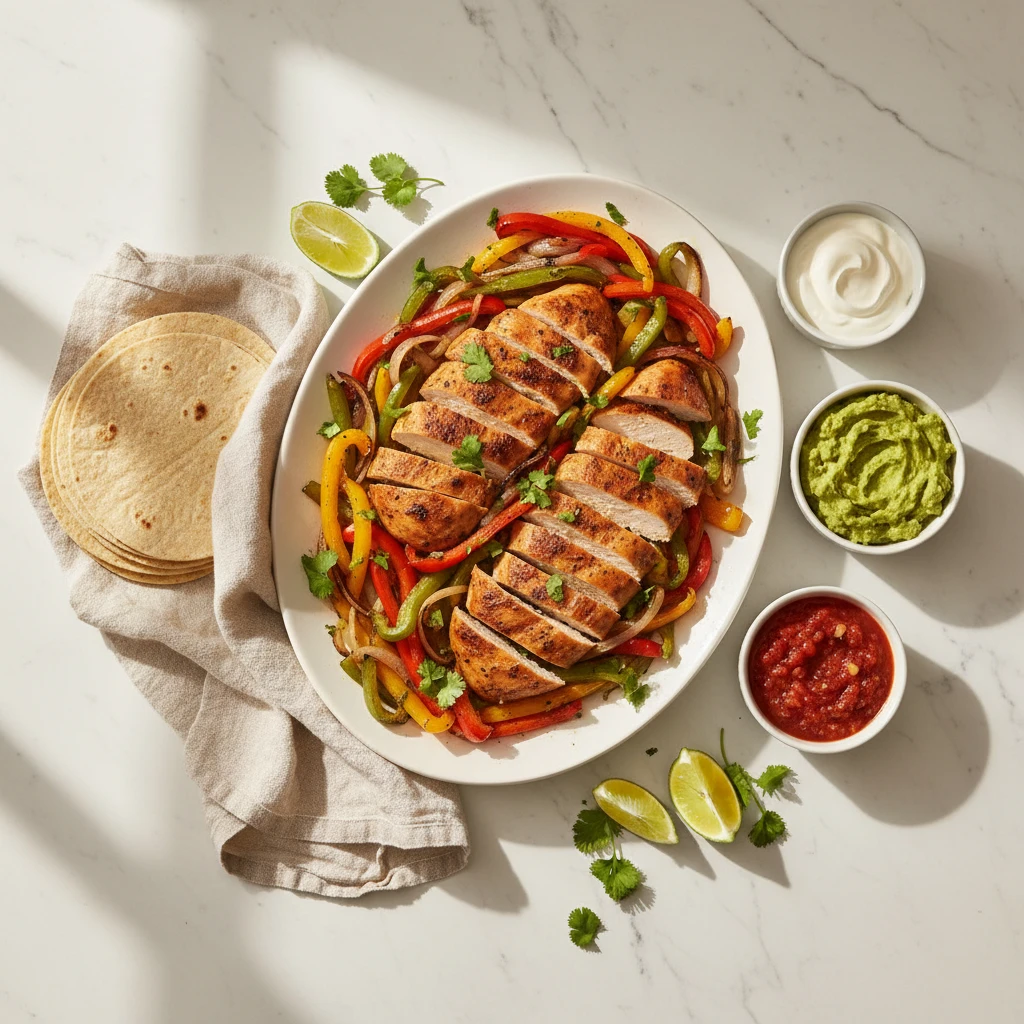
- Serve immediately with warm tortillas, sour cream, guacamole, salsa, and shredded cheese on the side.
What You Must Know About Smoked Fajita Chicken
Temperature control is critical: Use a reliable meat thermometer. Chicken is safe at 165°F. Overcooked chicken becomes dry and stringy. Remove it at 162–164°F and let carryover cooking finish the job.
Smoke type matters: Hickory or oak produce mild, clean smoke that complements chicken. Avoid strong woods like mesquite, which can overpower delicate chicken. Never use treated wood or wood with bark.
Patting chicken dry is essential: Moisture on the surface prevents the dry rub from adhering and creates steam that interferes with smoke flavor. Use paper towels and be thorough.
The rub needs resting time: After applying the dry rub, let the chicken sit uncovered at room temperature for 15–20 minutes. This allows the spices to penetrate and adhere better.
Smoke color indicates quality: Aim for thin, blue smoke. Thick white smoke or no visible smoke means adjustment is needed. Too much wood creates bitter, acrid flavors.
Vegetables cook faster than chicken: Add them during the last 25 minutes of smoking to prevent mushiness and ensure they finish with the chicken.
Helpful Tips
Make ahead: Smoke the chicken up to 2 days in advance. Store it in an airtight container in the refrigerator. Reheat gently in a 300°F oven for 10–15 minutes. Smoke the vegetables fresh on serving day for best texture and char.
Batch cooking: This recipe scales well. Smoke up to 12 breasts at once if your smoker has space. The cooking time remains the same since the smoker is already preheated.
Vegetable variation: Add sliced jalapeños, zucchini, or mushrooms to the pepper-onion mix for extra flavor and texture variety.
Spice level control: If serving to guests with different heat preferences, reduce the cayenne to 1/2 teaspoon and let people add hot sauce individually.
Wooden skewers hack: Thread the sliced chicken and vegetable strips onto wooden skewers for a fun presentation and easy hand-held serving option.
Smoke flavor intensifier: For deeper smoke flavor without cooking longer, soak your wood chips in water for 2 hours before adding to the smoker. This extends the smoking duration.
Variations and Substitutions
Chicken thighs instead of breasts: Bone-in, skin-on thighs develop more flavor and smoke ring. Smoke at 225°F for 2.5 to 3 hours until the internal temperature reaches 175°F. Thighs stay juicier than breasts and have more forgiving cooking margins.
Spice level adjustment: For milder fajitas, reduce cayenne pepper to 1/2 teaspoon and chili powder to 1 tablespoon. For extra heat, add 1/2 teaspoon of chipotle powder or increase cayenne to 1.5 teaspoons.
Citrus marinades: Before smoking, marinate the rubbed chicken in a blend of lime juice, orange juice, and a pinch of cumin for 2–4 hours in the refrigerator. This adds moisture and extra flavor depth.
Different wood smoke: Substitute oak with apple wood for a slightly sweeter smoke, or use pecan for a nuttier profile. Avoid mesquite, which is too strong for chicken.
Charcoal vs. wood: If you have a charcoal smoker or offset firebox, use charcoal as the heat source and add wood chips for smoke. This gives you more temperature control.
Vegetable swaps: Replace bell peppers with poblano peppers for a subtler, earthier flavor. Substitute onions with leeks or shallots for a more refined taste. Add corn kernels or diced tomatoes for texture variety.
Vegan option: Smoke thick-cut blocks of extra-firm tofu or portobello mushroom caps using the same rub and timing as chicken breasts. The porous texture absorbs smoke beautifully.
Cold-smoked version: For a lighter smoke flavor, use a tube smoker or cold-smoke generator at 90–100°F for 3–4 hours. The chicken stays raw-textured, so this is best used for shredded chicken in tacos or salads.
Sauce addition: Toss the finished chicken with a lime-cilantro crema (sour cream, lime, cilantro, garlic) before serving for added creaminess and tang.
Serving Suggestions for Smoked Fajita Chicken
Traditional fajita service: Arrange the smoked chicken and vegetables on a hot cast-iron skillet or wooden board and bring it sizzling to the table. Serve with warm tortillas and let guests assemble their own fajitas with desired toppings. This creates an interactive, impressive presentation.
Elegant plated version: On each plate, create a composed fajita by layering a warm tortilla, topped with sliced chicken and vegetables arranged in an overlapping pattern. Garnish with cilantro, a quenelle of guacamole, and a drizzle of lime crema. Serve salsa and sour cream on the side.
Fajita bowls: Skip tortillas entirely and serve over cilantro-lime rice or cauliflower rice. Top with the chicken and vegetables, then add shredded cheese, black beans, corn, diced tomatoes, and a dollop of sour cream and guacamole. Perfect for grain bowls or meal prep.
Tacos with varied toppings: Shred the chicken finely and serve in corn tortillas topped with: pickled red onions, fresh lime, cotija cheese, crispy tortilla strips, avocado, and hot salsa for authentic street-style tacos.
Complementary sides: Serve with cilantro-lime rice, black beans with cumin, charred street corn (elote), or a crisp jicama slaw dressed with lime vinaigrette. These add texture and round out the meal.
Mexican street food style: Shred the chicken, warm small corn tortillas, and serve with fresh onion and cilantro, lime wedges, and a selection of hot salsas. This simple presentation highlights the quality of the smoked chicken.
Appetizer format: Serve the sliced chicken and vegetables on small tostadas or crispy wonton wrappers with a dollop of crema and cilantro. Perfect for parties or gatherings.
Salad topping: Slice the chicken and vegetables and serve over a bed of mixed greens, black beans, corn, avocado, and crispy tortilla strips. Dress with cilantro-lime vinaigrette and top with cotija cheese for a main-course salad.
 Save
SaveStorage and Reheating
Storing smoked chicken: Place any leftover sliced chicken in an airtight container or wrap tightly in plastic wrap and aluminum foil. Refrigerate for up to 4 days. The smoke flavor actually deepens slightly during storage as it infuses further into the meat.
Storing vegetables: Keep the smoked peppers and onions in a separate airtight container to prevent them from absorbing excess moisture from the chicken. They’ll stay fresh for 3–4 days refrigerated.
Freezing: Both chicken and vegetables freeze well for up to 3 months. Wrap the chicken tightly in plastic wrap, then place in a freezer-safe container or zip-top bag to prevent freezer burn. Label with the date.
Reheating chicken: For best results, reheat gently in a preheated 300°F oven for 10–15 minutes, covered with foil, until warmed through. Avoid the microwave, which can make the chicken tough and rubbery. If you must use a microwave, place chicken on a plate with a damp paper towel over top, and use 50% power in 1-minute intervals.
Reheating vegetables: Warm the smoked peppers and onions in a cast-iron skillet over medium heat for 5–7 minutes, stirring occasionally, until heated through. They may develop additional char, which adds depth.
Repurposing leftovers: Shredded leftover chicken works beautifully in quesadillas, nachos, enchiladas, tacos, or salads. Leftover vegetables can be added to soups, grain bowls, or chopped into a relish or salsa.
Make-ahead strategy: For entertaining, smoke the chicken 1–2 days ahead and refrigerate. On the day of serving, smoke the vegetables 2–3 hours before guests arrive, then reheat them gently just before plating.
Frequently Asked Questions about Smoked Fajita Chicken
What type of smoker works best for this recipe?
Any type of smoker works well: offset stick burner, vertical charcoal smoker, kamado-style, or pellet smoker. The key is maintaining a steady 225°F temperature. Offset and vertical charcoal smokers give the most authentic smoke flavor. Pellet smokers are convenient and consistent. Electric smokers are beginner-friendly. Choose based on your comfort level and available space.
Can I use bone-in chicken instead of boneless?
Absolutely. Bone-in, skin-on chicken breasts or thighs will develop more smoke ring and stay incredibly juicy. Increase the smoking time by 30–45 minutes (total time 2 to 2.5 hours for bone-in breasts, 2.5 to 3 hours for thighs). The internal temperature should still reach 165°F for breasts and 175°F for thighs.
What if I don’t have a smoker? Can I make this in the oven?
Yes. Preheat your oven to 375°F and place the rubbed chicken on a baking sheet. Bake for 20–25 minutes until the internal temperature reaches 165°F. To add smoke flavor, you can use liquid smoke (1 teaspoon stirred into a basting liquid) or smoked paprika in the rub (already in this recipe). Sear the chicken in a cast-iron skillet over high heat for 2 minutes per side before baking for color and crust. The result won’t be identical to smoked chicken, but it will still be delicious.
How do I prevent the dry rub from burning?
The key is temperature stability at 225°F—not higher. The sugar in the rub can char at higher temperatures. Ensure your smoker is running at a steady 225°F, and avoid opening the door frequently, which causes temperature spikes. If you see the rub darkening excessively, lower the temperature by 10–15°F and extend the cooking time by 15–20 minutes.
Can I prepare this ahead of time for a party?
Yes, this is very make-ahead friendly. Smoke the chicken 1–2 days in advance, store it in an airtight container in the refrigerator, and reheat gently in a 300°F oven for 10–15 minutes before serving. You can also prepare the dry rub and let it coat the chicken the night before (refrigerate uncovered so the rub doesn’t get wet). Smoke the vegetables on the day of serving for the best char and texture, or smoke them 4–6 hours ahead and reheat them briefly just before serving.
What’s the best way to tell if the chicken is done?
Use a meat thermometer inserted into the thickest part of the largest breast, not touching bone. The chicken is safely done at 165°F. For the most tender, juiciest result, remove the chicken at 162–164°F and let carryover cooking bring it to 165°F during the 5-minute rest. A meat thermometer is the only reliable method—visual cues like color can be deceiving, especially with smoked chicken, which may have a pinkish tint even when fully cooked.
How do I achieve a better smoke ring on the chicken?
A smoke ring forms when smoke penetrates the meat. To maximize it: (1) pat the chicken very dry before applying the rub; (2) apply the rub the night before and refrigerate uncovered, allowing the rub to form a crust; (3) use thicker smoke by soaking wood chips in water for 2 hours before adding to the smoker; (4) maintain consistent 225°F temperature without opening the smoker door for at least the first 90 minutes; (5) don’t wrap the chicken in foil during smoking.
Can I cook the chicken and vegetables at different times?
Yes. Smoke the chicken fully (1.5 to 2 hours), remove it to rest, and then smoke the vegetables for 20–25 minutes for fresh char. Alternatively, if your schedule demands it, smoke the vegetables ahead of time and reheat them gently in a cast-iron skillet over medium heat for 5–7 minutes just before serving. The vegetables will reheat with additional char developing, which is actually beneficial for flavor.
Nutrition Facts (Per Serving)
| Nutrient | Amount | % Daily Value |
|---|---|---|
| Calories | 285 | 14% |
| Protein | 38g | 76% |
| Total Fat | 8g | 10% |
| Saturated Fat | 2g | 10% |
| Cholesterol | 105mg | 35% |
| Sodium | 580mg | 25% |
| Total Carbohydrates | 4g | 1% |
| Dietary Fiber | 1g | 4% |
| Sugars | 2g | — |
| Iron | 2mg | 11% |
| Potassium | 450mg | 13% |
Note: Nutrition facts are based on the chicken and vegetable components only (4 servings). Tortillas, toppings (sour cream, guacamole, cheese, salsa) are calculated separately. Values are approximate and may vary based on specific brand ingredients used.
Smoked Fajita Chicken
Ingredients
- 4 boneless skinless chicken breasts (about 2 pounds)
- 3 tablespoons smoked paprika
- 2 tablespoons chili powder
- 1 tablespoon ground cumin
- 1 tablespoon garlic powder
- 1 tablespoon onion powder
- 2 teaspoons dried oregano
- 1 teaspoon cayenne pepper
- 2 teaspoons kosher salt
- 1 teaspoon black pepper
- 2 tablespoons brown sugar
- 3 large bell peppers red, yellow, and orange, sliced into strips
- 2 large yellow onions sliced into strips
- 3 tablespoons olive oil
- 2 tablespoons lime juice
- 1 tablespoon Worcestershire sauce
- 2 cloves garlic minced
- 1 teaspoon smoked salt for finishing
- Fresh cilantro for garnish
- Flour or corn tortillas for serving
- Sour cream for serving
- Guacamole for serving
- Salsa for serving
- Shredded cheese for serving
Instructions
- Preheat your smoker to 225°F for 15–20 minutes and fill the wood box with hickory or oak chips. You want a steady, thin smoke flow.
- In a small bowl, whisk together 3 tablespoons smoked paprika, 2 tablespoons chili powder, 1 tablespoon cumin, 1 tablespoon garlic powder, 1 tablespoon onion powder, 2 teaspoons oregano, 1 teaspoon cayenne, 2 teaspoons salt, 1 teaspoon pepper, and 2 tablespoons brown sugar until evenly mixed. Checkpoint: Your spice mixture should smell fragrant and slightly smoky.
- Remove the chicken breasts from packaging and pat them completely dry with clean paper towels. Moisture on the surface will prevent the rub from sticking.
- Place the chicken on a cutting board and rub the spice mixture generously on all sides—top, bottom, and edges. Use about 1.5 tablespoons per breast. Let the rubbed chicken sit at room temperature for 15–20 minutes. Checkpoint: The rub should adhere to the chicken, not fall off when touched gently.
- Place the rubbed chicken breasts directly on the smoker grates, at least 2 inches apart. Close the smoker and maintain 225°F. Do not open the door frequently.
- Smoke for 1.5 to 2 hours until the internal temperature reaches 165°F when measured with a meat thermometer inserted into the thickest part of the largest breast. The chicken should smell strongly of smoke and have a light pinkish smoke ring just under the surface. Checkpoint: The chicken should be tender when pierced with a fork and the juices should run clear.
- While the chicken cooks (around the 1-hour mark), prepare the vegetables. Slice 3 large bell peppers (red, yellow, and orange) into 1/4-inch strips. Peel and slice 2 large yellow onions into 1/4-inch strips.
- In a large bowl, combine the peppers and onions. Drizzle with 3 tablespoons olive oil, 2 tablespoons fresh lime juice, 1 tablespoon Worcestershire sauce, 2 minced garlic cloves, 1/2 teaspoon salt, and 1/4 teaspoon black pepper. Toss gently until all vegetables are evenly coated. Checkpoint: The vegetables should glisten with oil and smell of lime.
- When the chicken has 25 minutes remaining (around the 1.5-hour mark), carefully place the vegetable mixture into a large cast-iron skillet or smoker-safe grill basket.
- Place the skillet or basket directly on the smoker grates next to the chicken. Maintain 225°F and smoke for 20–25 minutes, stirring the vegetables gently with a wooden spoon every 7–8 minutes.
- The vegetables are done when the peppers are tender but still hold their shape, the onions are soft and translucent with charred edges, and everything smells sweet and smoky. Checkpoint: You should see light browning on the pepper edges and some char on the onion layers.
- Using tongs, carefully remove the chicken from the smoker and transfer to a clean cutting board. Let the chicken rest, uncovered, for 5 minutes. During this time, the juices redistribute and the meat becomes more tender.
- Remove the skillet of vegetables from the smoker and set aside on a heat-safe surface.
- Using a sharp knife, slice the rested chicken against the grain into thin strips (about 1/4-inch wide). Slicing against the grain ensures each bite is tender.
- Transfer the sliced chicken to a large serving platter and top with the smoked vegetables, creating an attractive mound.
- Garnish the top of the chicken and vegetables with 2 tablespoons fresh cilantro leaves and a light sprinkle of smoked salt (about 1/2 teaspoon).
- Warm 8–10 flour or corn tortillas by wrapping them in a damp cloth and heating in a 350°F oven for 5 minutes, or by placing them directly over a low gas flame for 15–20 seconds per side.
- Arrange the warm tortillas in a cloth-lined basket or on a plate. Set out bowls of sour cream, guacamole, fresh salsa, and 1 cup shredded cheese (such as Mexican blend or cotija) for guests to build their own fajitas.
- Serve the platter of smoked fajita chicken immediately while still warm. The residual heat keeps everything hot for about 10 minutes.