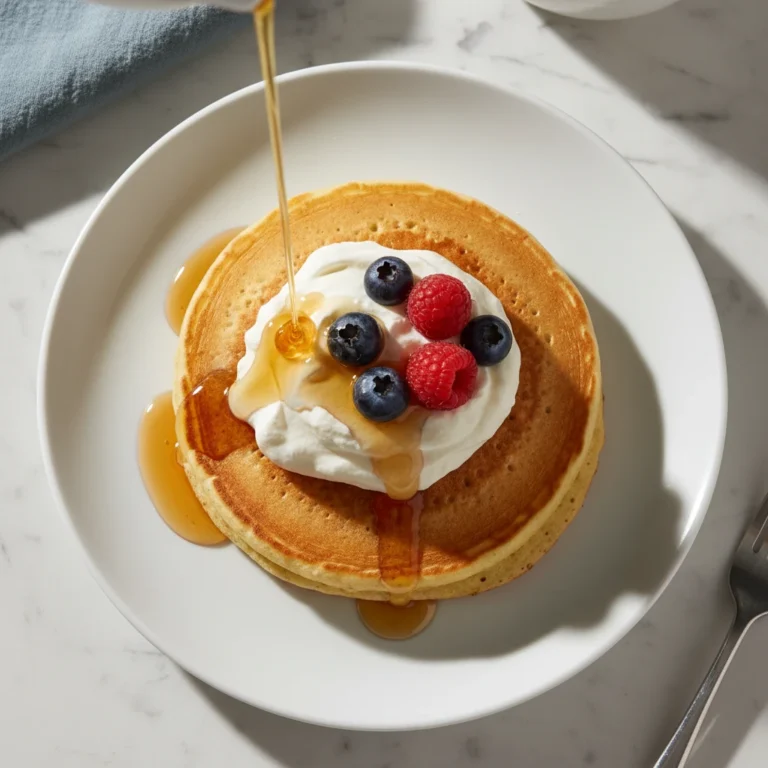
There’s nothing quite like waking up to a stack of super fluffy pancakes that practically melt in your mouth. These classic breakfast favorites are light, airy, and satisfying, with a tender crumb that comes from the perfect balance of ingredients and technique. Whether you’re cooking for yourself or feeding a crowd, this straightforward recipe delivers restaurant-quality results every time. The secret lies in not overmixing the batter and cooking them at just the right temperature for that golden-brown exterior and pillowy-soft interior.
Reasons to Try Super Fluffy Pancakes
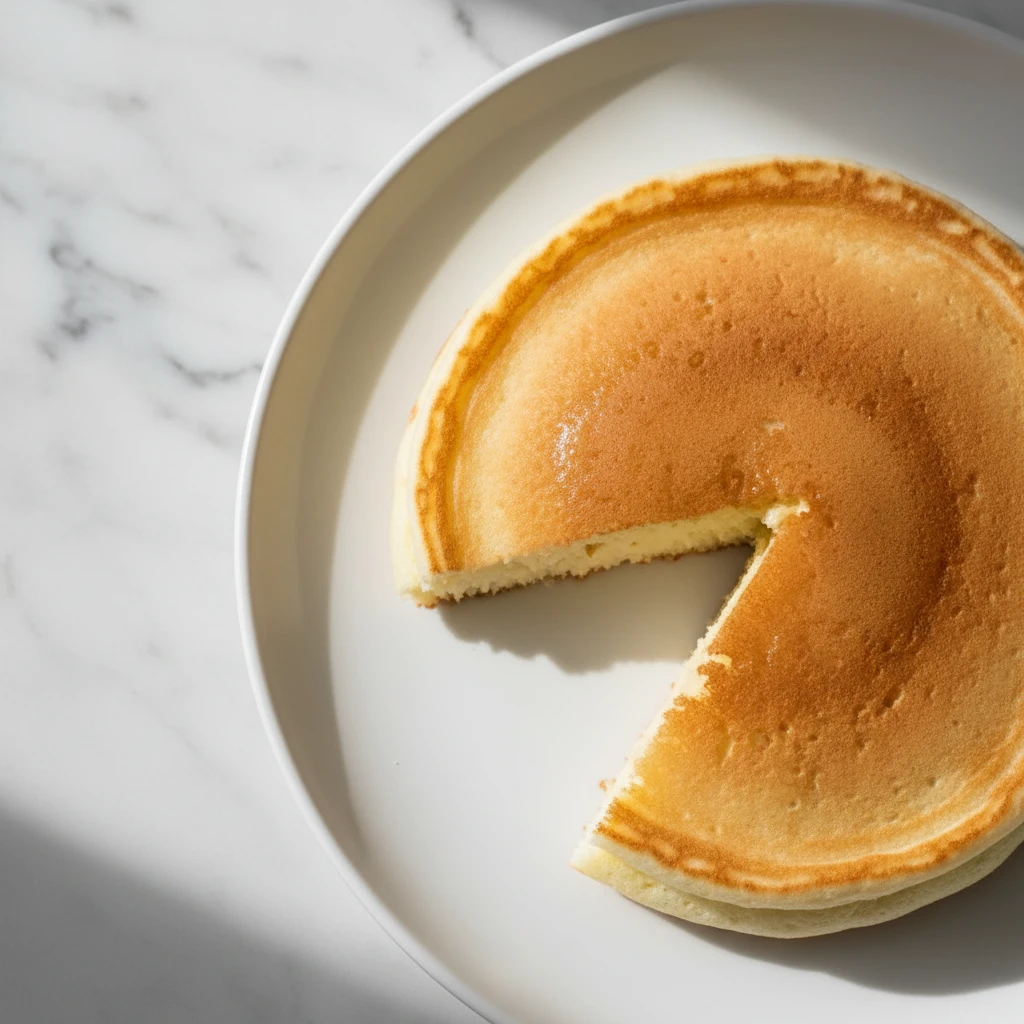
These pancakes stand out because they’re genuinely fluffy, not dense or rubbery like some homemade versions. The baking powder creates lift and air pockets, while the careful mixing technique ensures you don’t develop too much gluten, which would make them tough. What makes this recipe special is its simplicity—no fancy ingredients or complicated steps required. The result is a tender, cloud-like pancake with a slight crispy edge that contrasts beautifully with the soft interior. They’re perfect for weekend breakfasts, special occasions, or whenever you need comfort food on a plate. Plus, they come together in minutes, making them ideal for busy mornings when you still want something homemade and delicious.
 Save
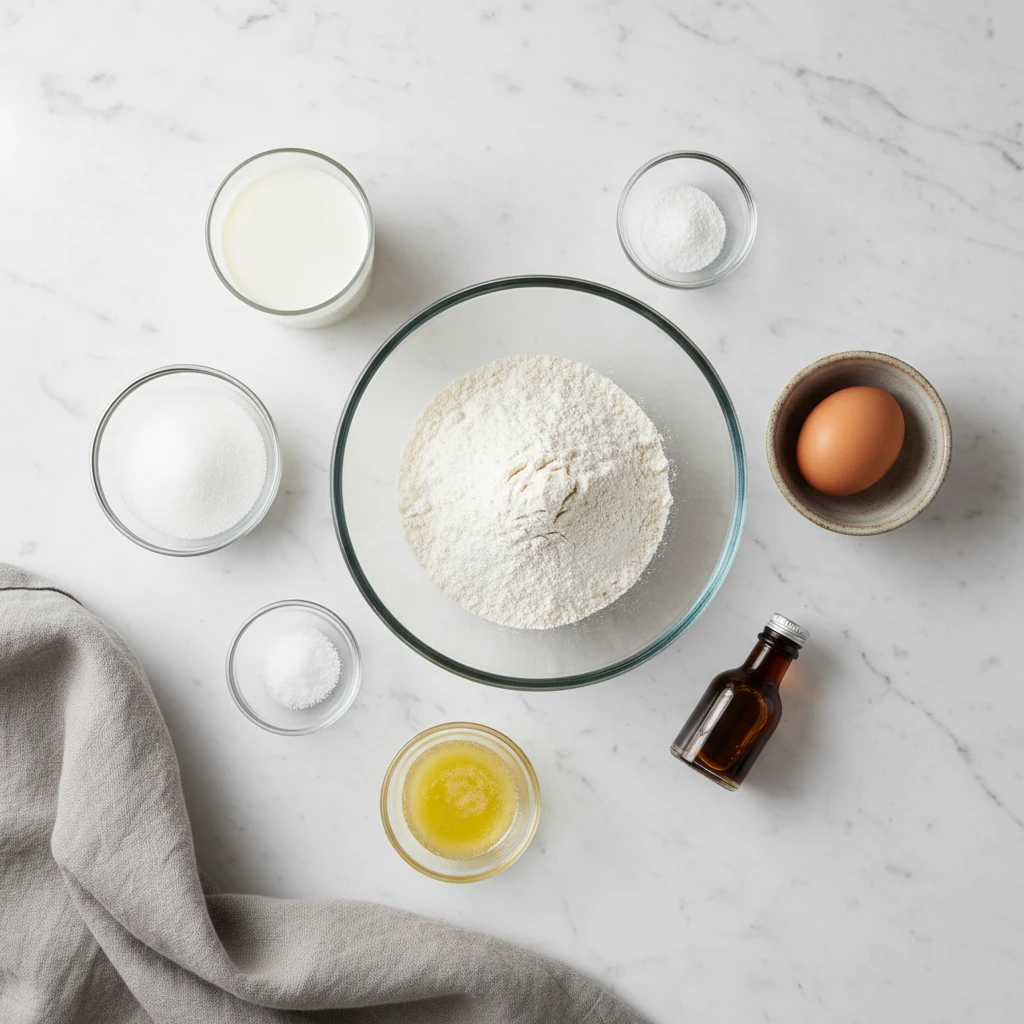
SaveIngredients Notes
- All-purpose flour
- Baking powder
- Salt
- Sugar
- Milk
- Egg
- Margarine or butter, melted
- Vanilla
 Save
SaveHow to Make Super Fluffy Pancakes
- Combine all dry ingredients (flour, baking powder, salt, and sugar) in a large bowl.
- Create a well in the center and add the milk, beaten egg, vanilla, and melted margarine.
- Mix gently until just combined—lumps should remain in the batter.
- Heat a greased skillet or griddle over medium heat.
- Pour about 1/2 cup batter onto the hot surface.
- Cook until bubbles form on the surface and the edges look set, then carefully flip.
- Cook the second side until golden brown.
- Cool the pan slightly between pancakes, wipe or regrease as needed, and repeat with remaining batter.
What You Must Know About Super Fluffy Pancakes
The most critical factor in achieving fluffy pancakes is resisting the urge to overmix. Lumpy batter is not a mistake—it’s essential. When you overmix, you develop gluten in the flour, which creates a tough, dense pancake instead of a tender, fluffy one. Mix only until the dry ingredients are moistened, then stop immediately.
Second, ensure your baking powder is fresh and hasn’t expired. Baking powder loses potency over time, so if your pancakes aren’t rising as expected, it may be time to replace it. Store baking powder in a cool, dry place and check the expiration date regularly.
Third, temperature control is key. Use medium heat—too high and the bottoms burn before the insides cook through, too low and they won’t cook evenly or develop the golden-brown color. Cooling the pan slightly between pancakes (30-60 seconds) helps ensure even cooking across the entire batch.
Finally, use fresh eggs and milk at room temperature. Cold milk can slightly slow cooking and affect the texture. If your ingredients are very cold, let them sit out for 15-20 minutes before mixing.
Variations and Substitutions
For a Healthier Version: Replace half the all-purpose flour with whole wheat flour for added fiber and nutrients. The pancakes will be slightly denser but still fluffy. You may need to add 2-3 tablespoons more milk to maintain the batter consistency.
Dairy-Free Pancakes: Substitute the milk with unsweetened almond milk, oat milk, or coconut milk. Use melted coconut oil or dairy-free butter in place of margarine. Use a flax egg (1 tablespoon ground flaxseed mixed with 3 tablespoons water) instead of a chicken egg. Let the flax mixture sit for 5 minutes before adding to the batter.
Buttermilk Pancakes: Replace regular milk with buttermilk for a tangier flavor and even fluffier texture. Reduce the baking powder slightly to 2 teaspoons and add 1/4 teaspoon baking soda, which reacts with the acid in buttermilk for extra lift.
Add-Ins: Fold in 1/2 cup of mix-ins right before cooking: fresh blueberries, sliced strawberries, chocolate chips, chopped bananas, crushed pecans, or shredded coconut. Add these gently to avoid overmixing.
Vanilla Bean Version: Use 1/2 teaspoon vanilla extract plus the seeds scraped from 1/2 vanilla bean pod for a more sophisticated flavor.
Brown Sugar Pancakes: Replace the granulated sugar with packed brown sugar for a deeper molasses flavor and slightly chewier texture.
Serving Suggestions for Super Fluffy Pancakes
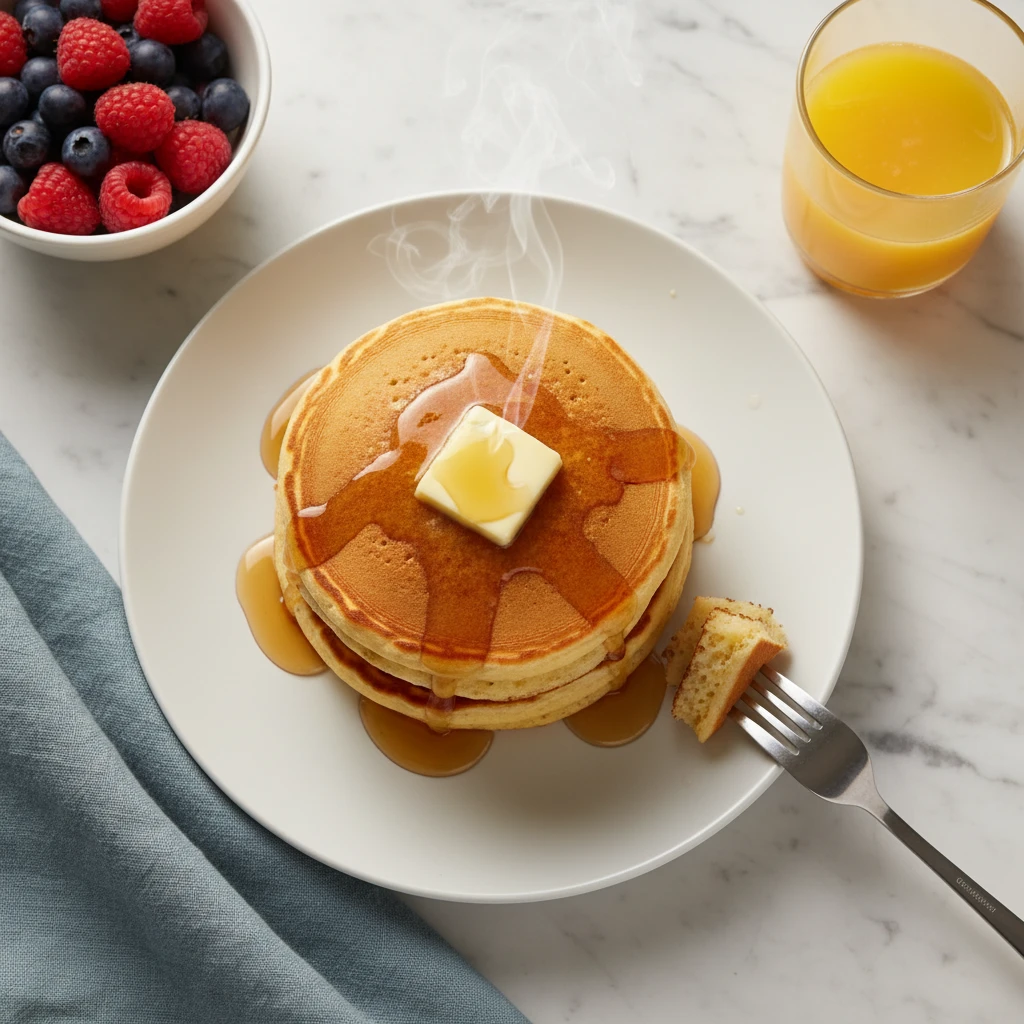
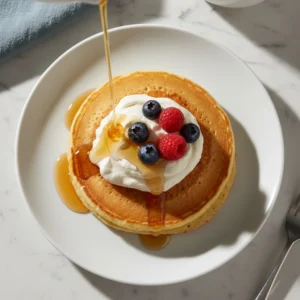
Serve these pancakes warm and stacked high on a plate. The classic pairing is maple syrup and a pat of melting butter on top, but there are endless options. Create a fun pancake bar where everyone can customize their own stack. Top with fresh berries (blueberries, strawberries, raspberries, or blackberries), whipped cream, Greek yogurt, or a drizzle of honey. For something indulgent, try chocolate chips, Nutella, peanut butter, or dulce de leche.
Savory options work too—top with crispy bacon, sausage links, or a fried egg for a protein-packed breakfast. A dusting of powdered sugar and a squeeze of fresh lemon juice creates an elegant presentation for brunch guests. For a nutritious twist, serve alongside a fruit salad or smoothie. Cinnamon and a light sprinkle of mini chocolate chips appeal to kids, while sliced almonds and a drizzle of almond butter satisfy adults seeking something more sophisticated.
 Save
SaveStorage and Reheating
Leftover pancakes can be stored in an airtight container in the refrigerator for up to 3 days. Stack them with a sheet of parchment paper between each pancake to prevent sticking. To reheat, place a pancake on a microwave-safe plate and heat for 30-45 seconds on medium power, or stack them on a baking sheet and warm in a 350°F oven for 5-7 minutes until heated through.
You can also freeze pancakes for up to 2 months. Let them cool completely, then layer them with parchment paper in a freezer-safe bag or container. To reheat from frozen, place directly in a 350°F oven for 10-12 minutes, or use the toaster on a medium setting to warm and slightly crisp the edges. Avoid microwaving frozen pancakes as they can become rubbery.
Frequently Asked Questions about Super Fluffy Pancakes
Why are my pancakes dense instead of fluffy?
Dense pancakes usually result from overmixing the batter, which develops too much gluten. Mix only until the dry ingredients are moistened—visible lumps are normal and desired. Also check that your baking powder is fresh and hasn’t expired, as old baking powder won’t provide adequate lift.
Can I make the batter the night before?
Yes, but with a caveat. Mix the dry ingredients the night before and store in an airtight container. Mix the wet ingredients separately, cover, and refrigerate. Combine them just before cooking. The pancakes will be slightly less fluffy since the baking powder loses some potency overnight, but they’ll still be good. Do not mix the full batter and let it sit, as the leavening will dissipate and the batter will deflate.
What’s the difference between margarine and butter in this recipe?
Both work well. Butter has a richer flavor and slightly higher fat content, which can make pancakes marginally fluffier. Margarine is often less expensive and works just as well for texture. Make sure whatever you use is fully melted before mixing. Avoid butter-flavored margarine unless you prefer that taste.
How can I make extra-fluffy pancakes?
Separate the egg, mixing the yolk with the wet ingredients and whipping the egg white to stiff peaks. Fold the whipped egg white into the batter as the very last step, right before cooking. This adds extra air and creates incredibly light pancakes. Also ensure all ingredients are at room temperature for better mixing.
Can I use self-rising flour instead of all-purpose flour?
Yes, but adjust the other ingredients. Self-rising flour already contains baking powder and salt. If substituting, use 1 1/2 cups self-rising flour, omit the 1 tablespoon baking powder, omit the salt, and reduce any additional salt used. You may need to experiment with measurements as self-rising flour differs by brand.
Why are my pancakes burning on the outside but raw inside?
Your heat is likely too high. Use medium or medium-low heat and allow the skillet to cool for 30-60 seconds between pancakes. The pancake should cook through gently—the inside cooks slowly while the bottom develops a golden-brown color. If the bottom is blackening before the surface is set, lower the heat.
Can I double this recipe?
Absolutely. Simply double all ingredients: 3 cups flour, 2 tablespoons baking powder, 1 teaspoon salt, 4-6 tablespoons sugar, 3 cups milk, 2 eggs, 6 tablespoons melted margarine, and 2 teaspoons vanilla. The method remains the same. You’ll have enough batter for about 8-10 pancakes and can feed more people or have leftovers to freeze.
Nutrition Facts (Per Serving)
| Nutrient | Per Serving (1 pancake, ~173g) |
|---|---|
| Calories | 285 |
| Total Fat | 9g |
| Saturated Fat | 4g |
| Trans Fat | 0g |
| Cholesterol | 65mg |
| Sodium | 385mg |
| Total Carbohydrates | 38g |
| Dietary Fiber | 1g |
| Sugars | 8g |
| Protein | 7g |
| Calcium | 215mg |
| Iron | 1.5mg |
Dietary Notes: These pancakes are a good source of carbohydrates and provide moderate protein. Adding toppings like Greek yogurt, nuts, or berries will increase protein and fiber content. The sodium level is moderate; consider using reduced-salt baking powder if watching sodium intake. These pancakes contain eggs and dairy (milk and margarine/butter), making them unsuitable for vegan diets unless substitutions are used.
Super Fluffy Pancakes
Ingredients
- All-purpose flour
- Baking powder
- Salt
- Sugar
- Milk
- Egg
- Margarine or butter
- Vanilla
Instructions
- Combine 1 1/2 cups all-purpose flour, 1 tablespoon baking powder, 1/2 teaspoon salt, and 2-3 tablespoons sugar in a large mixing bowl. Stir with a whisk or fork for about 1 minute until evenly distributed. Checkpoint: The dry mixture should look uniform with no lumps of baking powder visible.
- Create a crater or well in the center of the dry ingredients. Pour 1 1/2 cups milk, 1 slightly beaten egg, 1 teaspoon vanilla, and 3 tablespoons melted margarine (or butter) into the crater.
- Using a wooden spoon or spatula, gently stir the wet ingredients into the dry ingredients, mixing only until the flour is moistened. This should take about 30-40 seconds. Stop while there are still visible lumps—do not overmix. Checkpoint: The batter should look bumpy with clumps, not smooth.
- Heat a large skillet or griddle over medium heat for about 2-3 minutes. Lightly grease the surface with cooking spray or a small amount of butter.
- Pour approximately 1/2 cup batter onto the hot skillet. The batter will spread into a pancake roughly 5-6 inches across. Immediately reduce heat to medium-low and cook for 2-3 minutes until tiny bubbles begin popping on the surface and the edges look slightly set and dry.
- Use a spatula to gently lift one edge of the pancake—it should be golden brown underneath. Flip the pancake quickly using one smooth motion.
- Cook the flipped side for 1-2 minutes until golden brown. The second side will cook faster than the first. Checkpoint: Both sides should be golden brown with no pale spots.
- Transfer the cooked pancake to a plate and set aside. Let the pan cool for 30-60 seconds by carefully waving it away from the stove a few times (move it through the air to cool faster—never pour water on it).
- Lightly regrease the skillet, then repeat steps 5-7 with the remaining batter. You should have enough batter for 4-5 more pancakes.
- Serve all pancakes while still warm with toppings of your choice (maple syrup, butter, fresh berries, whipped cream, etc.).