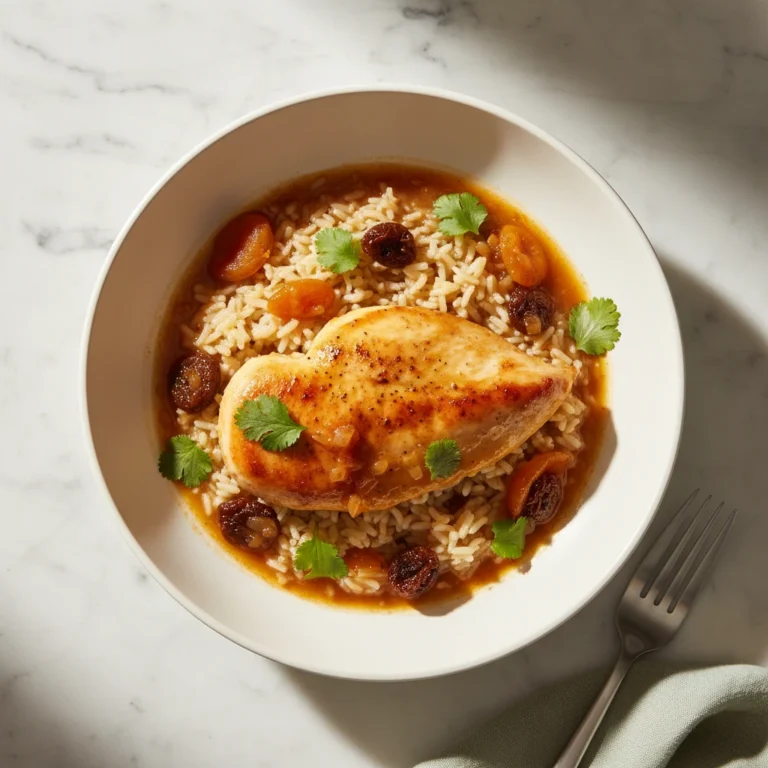
Reasons to Try Apricot Chicken
Sweet and Savory Balance: The dried apricots and apricot preserves provide a natural sweetness that’s balanced perfectly with soy sauce, balsamic vinegar, and warm spices. No cloyingly sweet results—just sophisticated flavor.
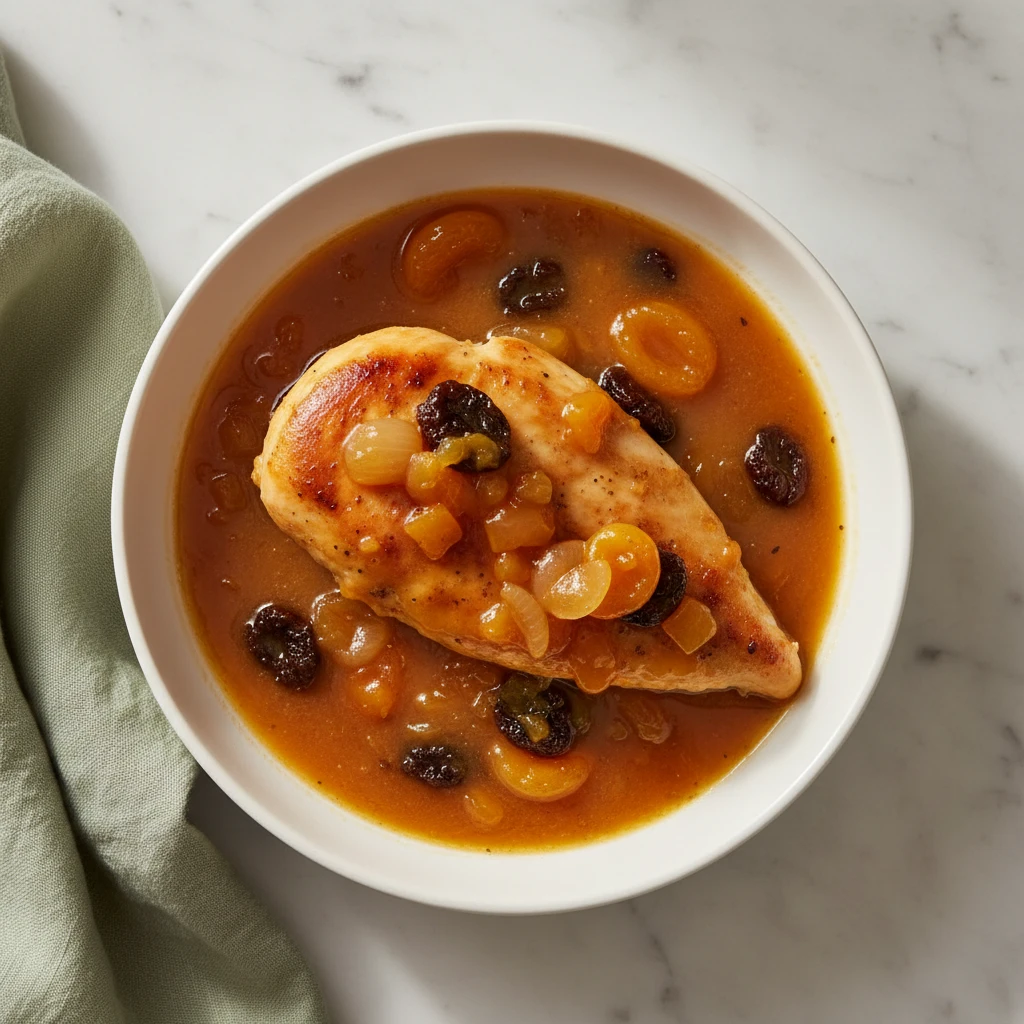
Restaurant-Quality Presentation: This dish looks elegant enough for entertaining. The golden sauce clinging to tender chicken and studded with apricot pieces feels luxurious, yet it’s surprisingly accessible.
Warm, Exotic Spices: Ground ginger, cumin, and a whisper of cayenne create depth and warmth without overpowering heat. These spices complement the apricots and chicken beautifully, evoking Middle Eastern and North African cooking traditions.
One-Pan Simplicity: Everything cooks in a single skillet, making cleanup easy and the technique beginner-friendly. No complex steps or specialized equipment needed.
Versatile and Adaptable: Serve it over rice, couscous, or noodles. Pair it with roasted vegetables or a fresh salad. It reheats beautifully, making it ideal for meal prep and leftovers.
Naturally Tender Protein: Bone-in chicken thighs or pounded chicken breasts ensure juicy, fork-tender meat that stays moist throughout cooking.
 Save
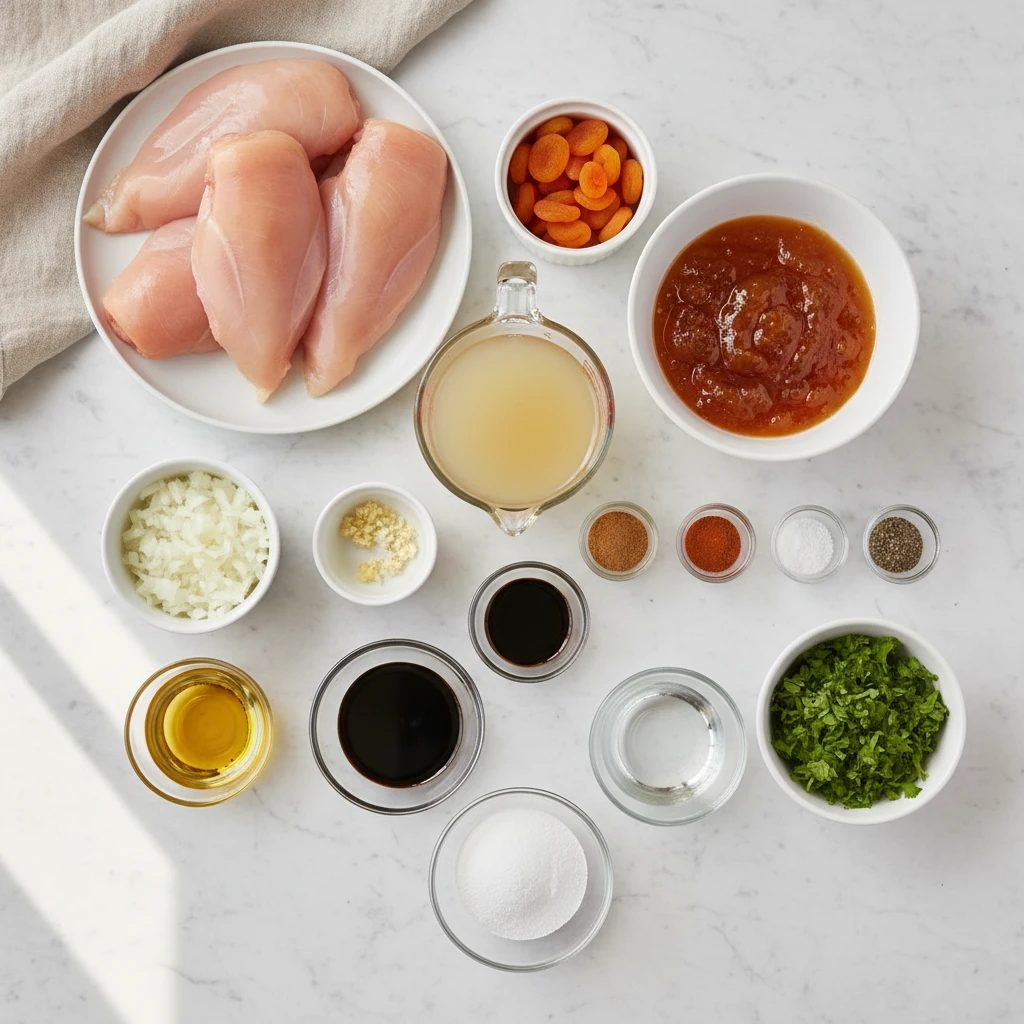
SaveIngredients Notes
- Boneless, skinless chicken breasts (about 6 ounces each)
- Dried apricots, chopped
- Medium onion, diced
- Garlic cloves, minced
- Chicken broth
- Apricot preserves
- Soy sauce
- Balsamic vinegar
- Ground ginger
- Ground cumin
- Cayenne pepper
- Olive oil
- Salt
- Black pepper
- Fresh cilantro, chopped
- Cornstarch
- Water
 Save
SaveHow to Make Apricot Chicken
- Season chicken breasts generously with salt and black pepper on both sides.
- Heat olive oil in a large skillet over medium-high heat until shimmering.
- Add chicken and sear for 5-6 minutes per side until golden brown. Transfer to a plate.
- In the same skillet, sauté diced onion for 3-4 minutes until softened. Add minced garlic and cook for 1 minute until fragrant.
- Stir in ground ginger, cumin, and cayenne pepper. Toast spices for 30 seconds.
- Pour in chicken broth, apricot preserves, soy sauce, and balsamic vinegar. Stir until combined.
- Add chopped dried apricots and stir well.
- Return chicken breasts to the skillet, nestling them into the sauce.
- Reduce heat to medium-low, cover, and simmer for 15-18 minutes until chicken is cooked through.
- Mix cornstarch with water to form a slurry. Stir into the sauce and simmer uncovered for 2-3 minutes until thickened.
- Taste and adjust seasonings. Garnish with fresh cilantro and serve.
What You Must Know About Apricot Chicken
Pound Your Chicken Evenly: For consistent cooking, lightly pound chicken breasts to an even 3/4-inch thickness before seasoning and searing. This ensures they cook through at the same time and stay juicy. Use a meat mallet or the bottom of a heavy skillet.
Don’t Skip the Sear: Searing chicken first creates a flavorful golden crust through the Maillard reaction. This adds depth to the final dish. Don’t crowd the pan—give each piece space to brown properly.
Use Quality Apricot Preserves: Lower-quality preserves often contain added corn syrup and less actual fruit. Look for jam with at least 60% fruit content for better flavor and a more natural sweetness.
Toast Your Spices: The 30-second bloom after adding ginger, cumin, and cayenne releases their essential oils, deepening their flavor. Don’t skip this step.
Cornstarch Slurry Must Be Smooth: Always mix cornstarch with cold water and whisk out lumps before adding to the sauce. Lumpy cornstarch creates a gritty texture.
Dried Apricots Matter: Some apricots are treated with sulfites (for color and preservation). Both treated and untreated work here, but unsulfured apricots will be darker and tangier. Choose based on your preference.
Temperature Check Is Critical: Chicken breasts are done at 165°F (74°C) internal temperature. Use an instant-read thermometer inserted into the thickest part without touching bone.
Helpful Tips
Make It Ahead: This dish actually improves when made a day or two ahead. The spices and apricots infuse the sauce more deeply. Reheat gently over medium-low heat with a splash of broth to restore the sauce’s silkiness.
Substitute the Protein: Turkey breast cutlets, pork tenderloin medallions, or even firm tofu work beautifully with this sauce. Adjust cooking time based on thickness and protein.
Amplify the Tanginess: If you prefer a more pronounced vinegar note, add 1/2 teaspoon of Dijon mustard with the spices or 1 tablespoon of rice vinegar instead of balsamic.
Use Fresh Apricots in Season: During apricot season (late May through August), halve and pit 8-10 fresh apricots instead of dried. Add them during the last 5 minutes of cooking to prevent them from falling apart.
Control the Heat: If you prefer no heat at all, omit the cayenne pepper entirely. For more kick, add 1/4 teaspoon red pepper flakes or increase cayenne to 1/2 teaspoon.
Variations and Substitutions
Apricot Chicken Tagine: Add 1/4 teaspoon cinnamon, 1/4 teaspoon turmeric, and a pinch of cloves with the other spices. Serve over couscous with toasted almonds and fresh mint for a Moroccan-inspired version.
Creamy Apricot Chicken: After the sauce thickens, stir in 1/4 cup heavy cream or Greek yogurt for richness. This creates a more luxurious sauce that’s perfect for special dinners.
Glazed Apricot Chicken (Sheet Pan Version): After searing, transfer chicken to a sheet pan, top with the apricot mixture, and bake covered at 375°F for 18-20 minutes. Skip the cornstarch thickener and reduce broth to 1/2 cup for a more concentrated glaze.
Spicy Apricot Chicken with Peppers: Add 1 diced red bell pepper and 1 sliced jalapeño with the onions. Increase cayenne to 1/2 teaspoon or add a pinch of hot sauce at the end.
Apricot Chicken with Nuts: Toast 1/3 cup sliced almonds or pistachios in a dry skillet until fragrant. Sprinkle over the finished dish just before serving for texture and richness.
Honey-Apricot Variation: Replace 2 tablespoons of apricot preserves with 2 tablespoons raw honey. This creates a lighter, more floral sweetness.
Wine-Enhanced Version: Add 1/4 cup dry white wine or brandy with the broth for complexity. Increase the vinegar to 2 tablespoons to balance the sweetness.
Ingredient Swaps: Substitute chicken broth with vegetable broth for a lighter dish. Use tamari instead of soy sauce for a gluten-free version. Replace fresh cilantro with parsley or mint if preferred.
Serving Suggestions for Apricot Chicken
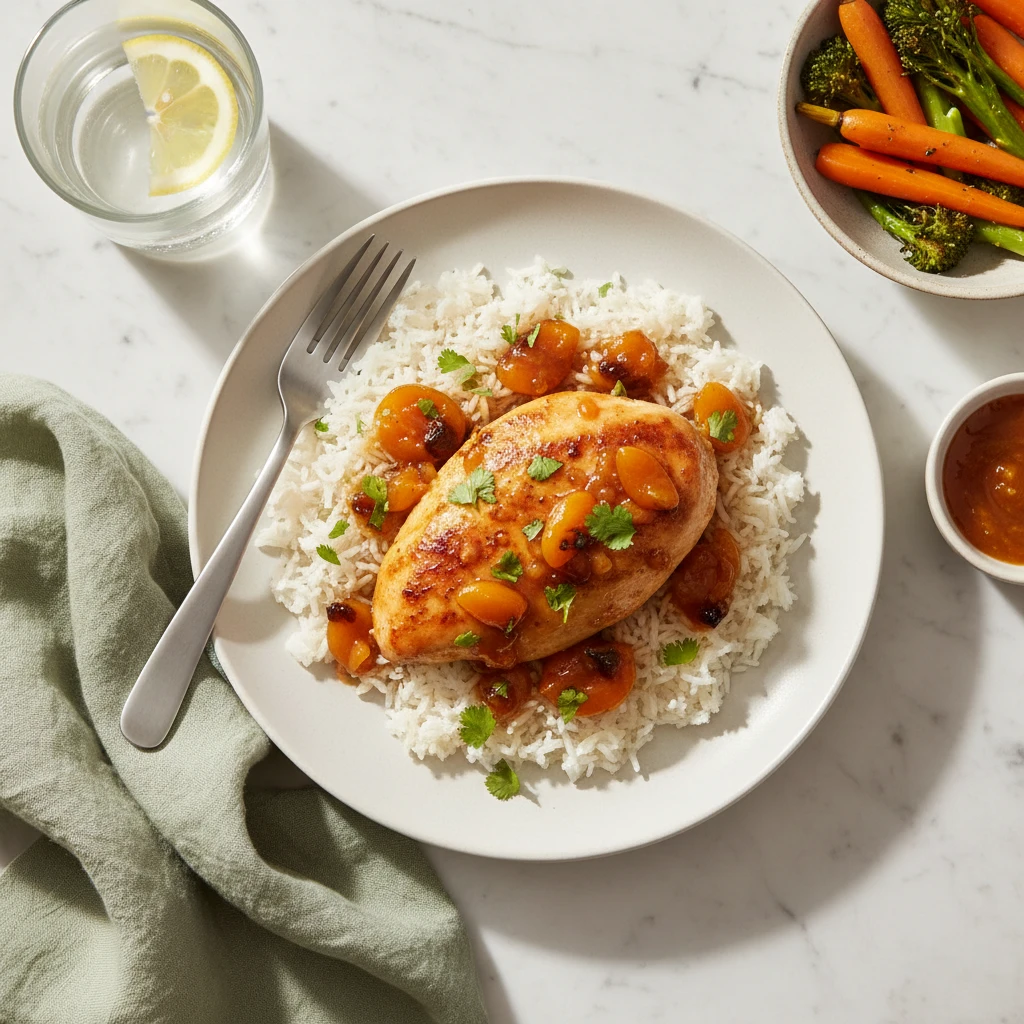
Over Jasmine Rice: Serve over fluffy jasmine rice to soak up every drop of the silky sauce. The rice’s subtle floral notes complement the apricot sweetness beautifully.
With Couscous: Pearl couscous or Israeli couscous provides a nutty texture that pairs wonderfully with the warm spices. The tiny grains catch the sauce perfectly.
On a Bed of Quinoa: For a heartier, protein-packed option, serve over fluffy white or tricolor quinoa.
With Roasted Root Vegetables: Plate alongside roasted carrots, parsnips, or sweet potatoes. The earthiness of roasted vegetables balances the sweet sauce.
With a Fresh Arugula Salad: The peppery bite and acidity of arugula tossed in lemon vinaigrette cuts through the richness of the sauce and cleanses the palate between bites.
Garnish Ideas: Top with toasted sliced almonds for crunch, fresh cilantro or mint leaves for freshness, a sprinkle of pomegranate seeds for color and tartness, or crispy fried shallots for texture.
For Entertaining: Plate individually in shallow bowls with one chicken breast per person, sauce ladled around it, and a bed of rice or couscous. Garnish dramatically with cilantro and pomegranate seeds.
Casual Family Dinner: Transfer the entire skillet to the table with a bowl of rice on the side and let everyone serve themselves. It feels rustic and convivial.
Make it a Grain Bowl: Layer rice or quinoa in a bowl, top with chicken and sauce, add roasted vegetables, fresh greens, avocado slices, and crumbled feta cheese for a grain bowl version.
 Save
SaveStorage and Reheating
Refrigerator Storage: Store leftover apricot chicken in an airtight container for up to 4 days. Let the dish cool to room temperature for 30 minutes before refrigerating to prevent condensation.
Freezer Storage: This dish freezes beautifully for up to 3 months. Transfer to a freezer-safe container or freezer bag, removing as much air as possible. Label with the date.
Reheating Instructions: Thaw frozen apricot chicken overnight in the refrigerator. Reheat gently on the stovetop over medium-low heat in a skillet, stirring occasionally and adding a splash of chicken broth if the sauce has thickened too much. Heat for 8-10 minutes until warmed through. Alternatively, reheat in a microwave-safe container, covered, on 50% power for 5-7 minutes, stirring halfway through.
Pro Tip: The flavors actually deepen and improve after 24 hours as the spices and apricots infuse the sauce more fully. Leftovers are often better than the first serving.
Make-Ahead Option: Prepare the sauce and apricots up to 24 hours ahead and store separately from the seared chicken. The morning of serving, simply combine and simmer for 15-18 minutes for a quick dinner.
Frequently Asked Questions about Apricot Chicken
Can I use bone-in chicken thighs instead of boneless breasts?
Yes, absolutely! Bone-in, skin-on chicken thighs are an excellent choice and stay even more moist than breasts. They have more fat, so they pair beautifully with the sweet apricot sauce. Increase the simmering time to 20-25 minutes to ensure the thighs are cooked through (165°F internally).
Is this recipe gluten-free?
Yes, with one substitution. Use tamari or gluten-free soy sauce instead of regular soy sauce, which typically contains wheat. Cornstarch is naturally gluten-free. Make sure your apricot preserves don’t contain added gluten, which is rare but possible in some brands.
What if I don’t have fresh cilantro?
Fresh cilantro is traditional but optional. You can substitute with fresh parsley, mint, or basil. Alternatively, skip the fresh herb entirely—the dish is delicious without it. If using dried cilantro, use only 1 teaspoon and add it with the other spices rather than at the end.
Can I make this in a slow cooker?
Yes! Sear the chicken in a skillet first for 3 minutes per side to develop color (you don’t need full searing). Transfer to a slow cooker and combine all sauce ingredients. Cook on low for 4-5 hours or high for 2.5-3 hours. Mix the cornstarch slurry and stir it in during the last 15 minutes, then switch to high heat to thicken.
What should I serve with apricot chicken?
Jasmine rice, couscous, and quinoa are all excellent pairings. For vegetables, roasted carrots, parsnips, sweet potatoes, or a fresh arugula salad work beautifully. The goal is something that soaks up the sauce or provides a fresh contrast.
Why did my sauce break or become grainy?
This usually happens if the cornstarch slurry wasn’t smooth before adding it, or if it was added to a boiling sauce instead of a simmering one. Always whisk out lumps first, and keep heat on medium-low when adding the slurry. If it happened, strain the sauce through a fine-mesh sieve and gently reheat.
Can I use frozen chicken?
You can, but thawed chicken is ideal for even cooking and proper browning. If using frozen, thaw it overnight in the refrigerator first. Never sear frozen chicken directly—it won’t brown properly and may cook unevenly.
How do I know when the chicken is done?
Use an instant-read meat thermometer inserted into the thickest part of the chicken without touching bone. It should read 165°F (74°C). If you don’t have a thermometer, cut into the thickest part—juices should run clear, not pink, and the meat should be white throughout.
Nutrition Facts (Per Serving)
| Nutrient | Per Serving |
|---|---|
| Calories | 285 |
| Protein | 32g |
| Carbohydrates | 24g |
| Fat | 7g |
| Saturated Fat | 1.5g |
| Fiber | 3g |
| Sodium | 680mg |
| Sugar | 18g |
| Iron | 2mg |
| Vitamin C | 8mg |
Dietary Notes: This recipe is gluten-free when prepared with tamari instead of soy sauce. It’s high in lean protein and provides natural sugars from apricots. The ginger and cumin offer anti-inflammatory benefits. For a lower-sugar option, reduce apricot preserves to 1/4 cup and add an extra 1/4 cup chicken broth.
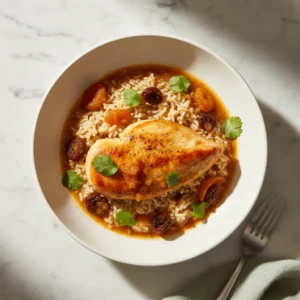
Apricot Chicken
Ingredients
- 4 boneless skinless chicken breasts (about 6 ounces each)
- 1 cup dried apricots chopped
- 1 medium onion diced
- 3 cloves garlic minced
- 1 cup chicken broth
- 1/2 cup apricot preserves
- 2 tablespoons soy sauce
- 1 tablespoon balsamic vinegar
- 1 teaspoon ground ginger
- 1/2 teaspoon ground cumin
- 1/4 teaspoon cayenne pepper
- 2 tablespoons olive oil
- 1 teaspoon salt
- 1/2 teaspoon black pepper
- 2 tablespoons fresh cilantro chopped
- 1 tablespoon cornstarch
- 2 tablespoons water
Instructions
- Pat 4 boneless, skinless chicken breasts dry with paper towels. Season both sides generously with 1 teaspoon salt and 1/2 teaspoon black pepper. Let sit at room temperature for 5 minutes so seasoning adheres.
- Pour 2 tablespoons olive oil into a large skillet (12 inches or wider). Heat over medium-high heat for 2-3 minutes until the oil shimmers and moves freely across the pan. A drop of water should sizzle immediately.
- Carefully place chicken breasts into the hot skillet, laying them away from you to avoid splashing. Do not move them for 5-6 minutes. The bottom should be golden brown and release easily when you lift with tongs.
- Flip each chicken breast and cook the other side for 5-6 minutes until golden brown. A meat thermometer inserted into the thickest part should read 155°F (this will finish cooking in the sauce). Transfer chicken to a clean plate.
- In the same skillet, add 1 medium onion, diced into 1/4-inch pieces. Stir constantly for 3-4 minutes until the onion is soft and translucent. You should smell the sweet onion aroma.
- Add 3 cloves garlic, minced very fine. Stir for exactly 1 minute until fragrant. Do not let garlic brown or it will taste bitter.
- Sprinkle 1 teaspoon ground ginger, 1/2 teaspoon ground cumin, and 1/4 teaspoon cayenne pepper over the onion and garlic. Stir constantly for 30 seconds. The spices will bloom and smell warm and toasty.
- Pour 1 cup chicken broth into the skillet and scrape the bottom with a wooden spoon to release any browned bits (this is called deglazing). Stir in 1/2 cup apricot preserves, 2 tablespoons soy sauce, and 1 tablespoon balsamic vinegar. Mix until the preserves dissolve completely (about 1-2 minutes of stirring).
- Stir in 1 cup chopped dried apricots. The sauce should look golden and smell sweet and savory.
- Nestle the seared chicken breasts back into the skillet, skin-side up, making sure they are mostly covered by sauce. Reduce heat to medium-low. Cover with a lid (or foil if you don't have a lid).
- Simmer for 15-18 minutes. After 15 minutes, insert a meat thermometer into the thickest part of the chicken (not touching bone). It should read 165°F. If not, cover and cook 2-3 more minutes, then check again. The chicken should feel firm to the touch and juices should run clear.
- Mix 1 tablespoon cornstarch with 2 tablespoons water in a small bowl until smooth with no lumps. Remove the skillet from the lid. Stir the cornstarch slurry into the sauce.
- Simmer uncovered for 2-3 minutes, stirring occasionally, until the sauce thickens enough to coat the back of a spoon. If you run your finger across the spoon, the line should hold.
- Taste the sauce. Add more salt, pepper, or soy sauce to your preference. The sauce should taste balanced between sweet (apricot), savory (soy and spices), and tangy (vinegar).
- Remove from heat. Sprinkle 2 tablespoons fresh cilantro, finely chopped, over the chicken and sauce.
- Let rest in the pan for 2-3 minutes before serving. The residual heat will continue to cook any remaining undercooked portions and the sauce will set slightly.
- Checkpoint: You are ready to serve when the chicken reaches 165°F internally, the sauce coats a spoon, and the apricots are tender and infused with sauce.