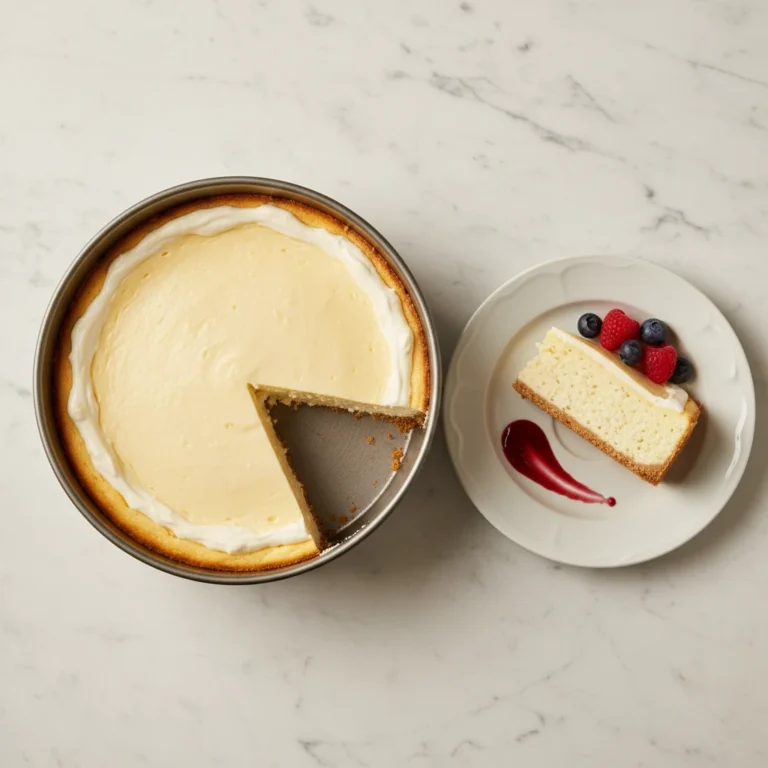
Cottage cheese cheesecake is a delightfully lighter twist on the classic dessert that combines creamy, tangy flavors with a perfectly crumbly crust. This Eastern European-inspired treat delivers the richness you crave without the heavy density of traditional cheesecake. With its velvety texture, subtle tartness, and elegant presentation, this cheesecake is ideal for family gatherings, dinner parties, or whenever you want an impressive yet manageable baked dessert.
Reasons to Try Cottage Cheese Cheesecake
Lighter and Fluffier Texture: Unlike dense traditional cheesecakes, the cottage cheese base creates an airy, mousse-like crumb that feels indulgent without being overwhelming. It’s the perfect dessert when you want something satisfying but not too heavy.
Unique Tangy Flavor Profile: The combination of cottage cheese and sour cream delivers a sophisticated tang that balances the sweetness beautifully. This tartness pairs wonderfully with fruit toppings and compotes, making it endlessly versatile.
Easier to Execute: Cottage cheese cheesecake is more forgiving than its cream cheese counterpart. It doesn’t require a water bath, has fewer cracking issues, and comes together with fewer steps. Perfect for home bakers of all skill levels.
Retro Appeal with Modern Sensibility: This cheesecake style was beloved in mid-20th-century American kitchens and Eastern European traditions. Serving it today feels nostalgic yet fresh—a pleasant surprise for guests expecting conventional cheesecake.
Versatile Topping Canvas: The subtle flavor provides the ideal backdrop for fresh berries, fruit coulis, chocolate drizzle, or even savory options. You can reinvent this dessert with seasonal toppings year-round.
 Save
SaveIngredients Notes
For the Crust
- Graham cracker crumbs
- Melted butter
- Sugar
For the Filling
- Cottage cheese
- Cream cheese, softened
- Eggs
- Sour cream
- Sugar
- All-purpose flour
- Cornstarch
- Vanilla extract
- Lemon zest
- Salt
For the Topping
- Sour cream
- Sugar
How to Make Cottage Cheese Cheesecake
For the Crust
- Preheat oven to 325°F and line a 9-inch springform pan with parchment paper.
- Mix graham cracker crumbs, melted butter, and 3 tablespoons sugar until resembles wet sand.
- Press firmly into the bottom of the prepared pan.
- Bake crust for 8–10 minutes until lightly golden, then remove and set aside.
For the Filling
- In a large bowl, beat softened cream cheese until smooth, about 2 minutes.
- Add cottage cheese gradually, blending until mostly smooth (small lumps are normal).
- Add eggs one at a time, mixing on low speed after each addition.
- Stir in sour cream, sugar, flour, cornstarch, vanilla extract, lemon zest, and salt until just combined.
- Pour filling over the cooled crust.
- Bake for 50–60 minutes until the center is nearly set but still jiggles slightly when gently shaken.
- Remove from oven and cool for 15 minutes.
- Spread sour cream mixed with 1 tablespoon sugar over the warm cheesecake surface.
- Return to oven for 5 minutes, then cool completely before chilling for at least 6 hours or overnight.
What You Must Know About Cottage Cheese Cheesecake
Room Temperature is Critical: Both the cream cheese and cottage cheese must be at room temperature before mixing. Cold dairy creates lumps and uneven texture. Remove them from the refrigerator 1–2 hours ahead of time.
Don’t Overmix the Filling: Once you’ve added the eggs, mix as little as possible. Overmixing incorporates air bubbles that expand during baking and cause cracking. Stop the mixer the moment you don’t see visible streaks.
The Sour Cream Topping is Protection: This layer acts as a buffer against oven heat, dramatically reducing cracking. Don’t skip it—it’s a game-changer for this recipe and adds a beautiful tangy finish.
Jiggle Test Over Timer: Instead of relying on baking time alone, use the visual cue: the edges must be set, but the very center should jiggle slightly when you tap the pan. Every oven is different; this method ensures perfect doneness.
Cooling Sequence Prevents Cracks: Follow the 15-minute room-temperature cool, then sour cream layer and brief return to oven, then complete cooling undisturbed. This gradual transition prevents thermal shock that causes cracking.
Drain Watery Cottage Cheese: If your cottage cheese is very wet, place it in a fine-mesh strainer lined with cheesecloth and let sit for 15 minutes. This prevents the filling from being too loose and helps the cheesecake set properly.
Chill Overnight for Best Results: While 6 hours is the minimum, overnight chilling (8–12 hours) allows the filling to set completely and flavors to meld. Warm cheesecake is delicious but has a softer, almost mousse-like texture.
Use a Springform Pan: This recipe specifically benefits from a springform pan’s removable sides for clean presentation. If you don’t have one, a 9-inch round cake pan works, but you’ll need to invert the cheesecake to remove it, which requires careful handling.
Variations and Substitutions
Lemon Blueberry Version: Increase lemon zest to 1/2 teaspoon and add 1 teaspoon lemon juice to the filling. Top the finished cheesecake with fresh blueberry compote or a layer of blueberries folded into a light glaze. The tartness of the berries complements the tangy filling beautifully.
Chocolate Cottage Cheese Cheesecake: Reduce the all-purpose flour to 1 tablespoon and add 3 tablespoons cocoa powder. Stir in 2 ounces melted dark chocolate (cooled slightly) after adding the eggs. The result is a rich, mousse-like chocolate cheesecake with less density than traditional versions.
No-Bake Version: Skip baking and instead prepare the filling as described but add 1/4 teaspoon gelatin (bloomed in 2 tablespoons warm water) dissolved into the sour cream mixture. Pour over the baked crust and refrigerate for 8 hours. The texture will be lighter and more mousse-like.
Honey-Vanilla Variation: Replace 2 tablespoons of the sugar with 2 tablespoons honey and increase vanilla extract to 1.5 teaspoons. This adds floral sweetness and a slight caramel note without overpowering the cheese flavors.
Berry Swirl Cheesecake: Reserve 1 cup of the filling, then swirl in 1/2 cup berry puree (blended raspberries or strawberries). Pour the remaining plain filling into the crust, then drizzle the berry filling in spirals and swirl gently with a knife. The result is a marbled, visually striking cheesecake.
Gluten-Free Crust: Replace graham cracker crumbs with crushed gluten-free butter cookies or gluten-free pretzels mixed with the butter and sugar. The binding ratio remains the same; the filling is naturally gluten-free.
Almond Crust Option: Mix 1.5 cups graham cracker crumbs with 1/2 cup finely chopped or ground almonds, 6 tablespoons melted butter, and 3 tablespoons sugar. Toast the almonds lightly first to enhance their flavor. This adds a subtle nuttiness and extra texture.
Serving Suggestions for Cottage Cheese Cheesecake
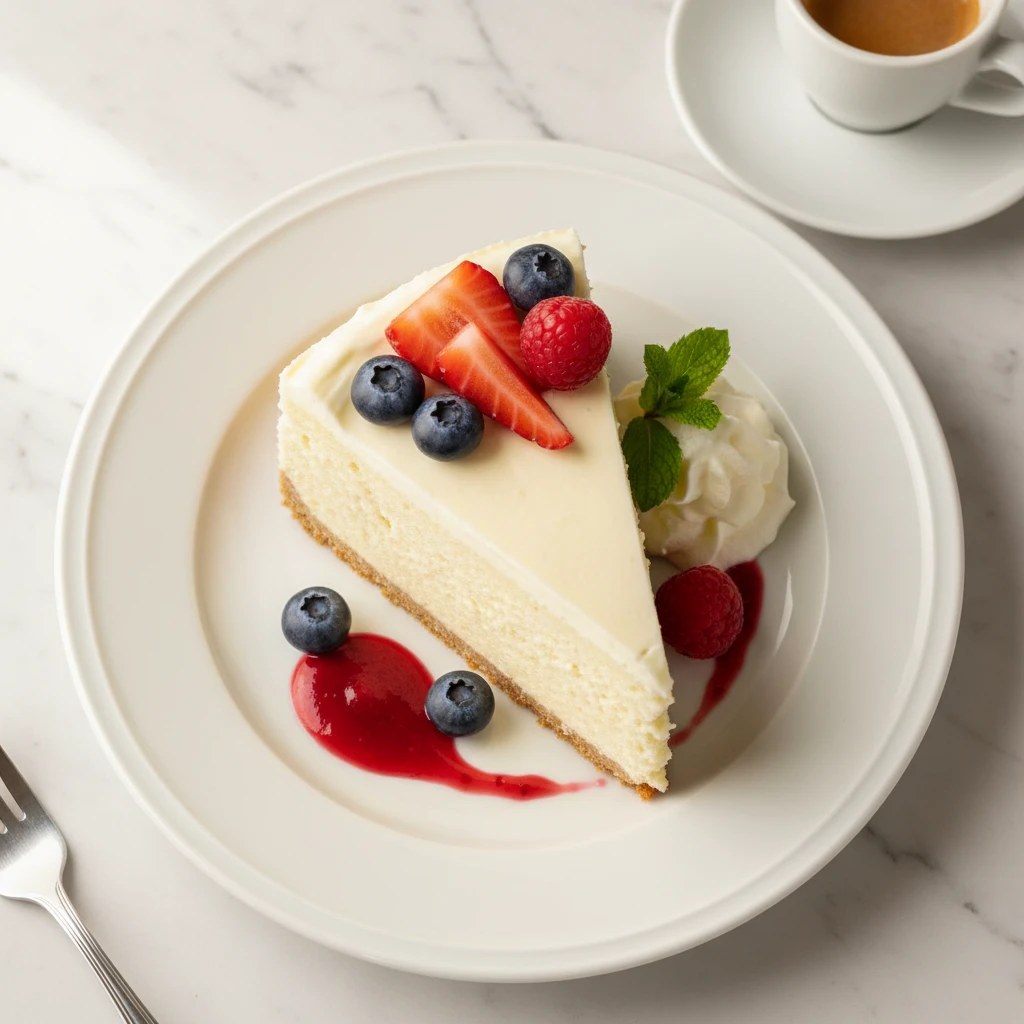
Classic Berry Topping: Crown each slice with fresh raspberries, blueberries, or sliced strawberries. A drizzle of berry coulis (strained jam thinned with a little water) adds elegance and flavor. The tartness of berries complements the tangy filling perfectly.
Fruit Compote: Prepare a warm cherry, rhubarb, or mixed-fruit compote and spoon it over each slice just before serving. The warm-cold contrast and fruit acidity balance the richness beautifully.
Honey Drizzle with Nuts: Lightly drizzle warm honey over each slice and top with toasted sliced almonds or crushed pistachios. This adds textural contrast and a touch of sophistication.
Chocolate Ganache Accent: Pour a thin chocolate ganache over the top of the entire cheesecake before slicing, or serve it on the side as a dip. The dark chocolate richness plays beautifully against the tangy cheese.
Caramel and Sea Salt: Drizzle caramel sauce over slices and finish with a pinch of fleur de sel. The sweet-salty contrast and buttery caramel flavor elevate the dessert for special occasions.
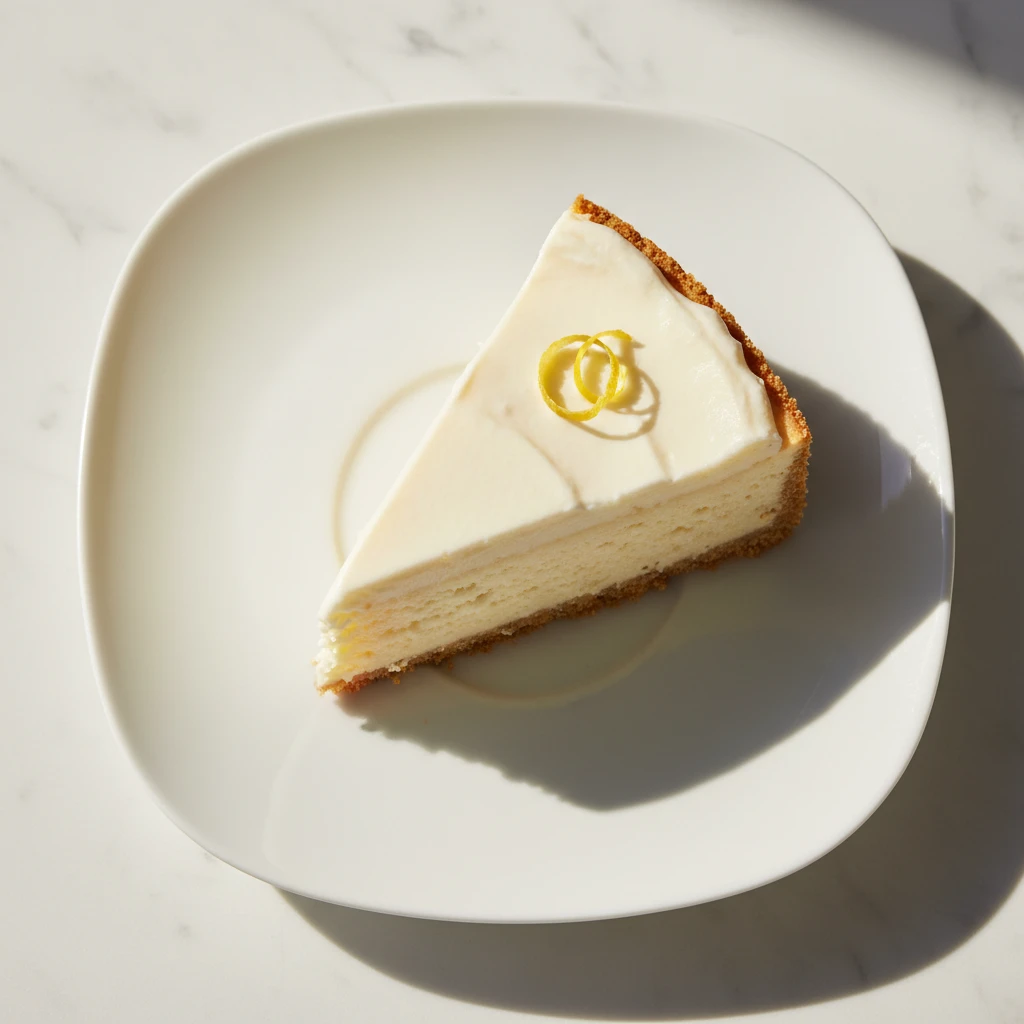
Whipped Cream and Citrus Zest: Top each slice with a dollop of freshly whipped cream and a light dusting of fresh lemon or orange zest. Simple, elegant, and lets the cheesecake shine.
Candied Lemon Slices: Garnish with thin candied lemon slices made by simmering lemon slices in a sugar syrup. They add visual appeal, a glossy finish, and subtle citrus notes that echo the filling’s tartness.
Serve with Coffee or Tea: This cheesecake pairs exceptionally well with strong coffee, espresso, or herbal tea. The acidity and warmth of these beverages cut through the richness and enhance the subtle flavors.
 Save
SaveStorage and Reheating
Refrigerator Storage: Keep the finished cheesecake in an airtight container or cover the springform pan tightly with plastic wrap. It will keep for up to 5 days in the refrigerator. The flavor and texture actually improve after 1–2 days as the filling sets and flavors marry.
Freezer Storage: Cottage cheese cheesecake freezes exceptionally well for up to 3 months. Wrap the entire cheesecake (in its pan) in plastic wrap, then aluminum foil to prevent freezer burn. Alternatively, slice it first, wrap individual slices in plastic wrap, and place in a freezer bag. Label with the date.
Thawing: Remove the cheesecake from the freezer and place it in the refrigerator overnight (8–12 hours) to thaw slowly. Do not thaw at room temperature, as the filling may become too soft. Once thawed, consume within 2–3 days.
Individual Slices: If storing slices, place parchment paper between each slice before wrapping to prevent sticking. Frozen slices can be eaten directly from the freezer for a semi-frozen texture, or thawed for 30–45 minutes at room temperature for the standard creamy consistency.
Reheating (Not Typically Recommended): Cottage cheese cheesecake is best served chilled or at cool room temperature. Reheating is not recommended, as it alters the delicate texture. If you must warm it, place a slice on a plate and let it sit at room temperature for 15–20 minutes. Do not use a microwave, which will cause uneven heating and a rubbery texture.
Topping Storage: If your cheesecake has been topped with fresh berries or other fresh toppings, add them shortly before serving rather than storing them on the cheesecake. This keeps the toppings fresh and prevents the cheesecake surface from becoming soggy.
Frequently Asked Questions about Cottage Cheese Cheesecake
Can I make this cheesecake without a springform pan?
Yes, you can use a standard 9-inch round cake pan. However, removing the cheesecake intact is trickier. After chilling and cooling, run a thin knife around the edges, then invert a serving plate over the pan, hold both together, and carefully flip. The crust will now be on top—you can leave it that way for a rustic presentation or carefully invert it again. A springform pan is easier and recommended for beginners.
Why is my cheesecake cracked on top?
Cracks typically result from overbaking (the center cooked too much), cooling too quickly (thermal shock), or overmixing air into the batter. This recipe’s sour cream topping layer significantly reduces cracking by insulating the surface. If cracks still appear, they’re purely cosmetic—fruit toppings cover them beautifully. Future batches: follow the jiggle test for doneness, skip the mixer after adding eggs, and always use the sour cream layer and gradual cooling sequence.
What’s the difference between cottage cheese and ricotta cheesecake?
Cottage cheese has larger, distinct curds that create a slightly grainier, fluffier texture with more pronounced tanginess. Ricotta is smoother and milder. Cottage cheese cheesecake is lighter, more nostalgic, and uniquely tangy. If you substitute ricotta (same amount), the cheesecake will be denser, less tangy, and smoother. Both are valid; it depends on your texture and flavor preference.
Can I use low-fat or fat-free cottage cheese?
Yes, but the texture and flavor will differ. Low-fat or fat-free versions produce a slightly less creamy, denser cheesecake with a more pronounced sour flavor. Full-fat cottage cheese (typically 4% milk fat) delivers the best balance of creaminess and tang. If using low-fat, you might want to reduce the baking time by 5 minutes and watch for slight changes in texture.
Is it necessary to drain the cottage cheese?
Only if it’s very watery. Most store-bought cottage cheese has appropriate moisture, but some brands or containers near the sell-by date can be wetter. If your cottage cheese looks like it’s swimming in liquid, strain it through a fine-mesh strainer for 15 minutes before using. This prevents the filling from being too loose and helps it set properly during baking.
Can I make this recipe ahead of time?
Absolutely. Prepare the cheesecake up to 2 days in advance, cover it well with plastic wrap, and refrigerate. The flavors actually improve after 1–2 days of chilling. Add fresh toppings just before serving for best presentation and taste. You can also freeze it for up to 3 months and thaw overnight in the refrigerator when ready to serve.
What if I don’t have a water bath—do I need one for this recipe?
No, a water bath is not required for this cottage cheese cheesecake. The higher proportion of cottage cheese and sour cream makes the filling more forgiving and less prone to cracking than dense cream cheese cheesecakes. The sour cream topping layer provides additional insurance against cracking. Skip the water bath and follow the recipe as written for best results.
Nutrition Facts (Per Serving)
| Nutrient | Per Serving (1/8 of cheesecake) |
|---|---|
| Calories | 285 |
| Total Fat | 18g |
| Saturated Fat | 11g |
| Cholesterol | 95mg |
| Sodium | 310mg |
| Total Carbohydrates | 24g |
| Dietary Fiber | 0g |
| Sugars | 19g |
| Protein | 12g |
| Calcium | 165mg (16% DV) |
| Iron | 0.5mg (3% DV) |
Dietary Notes: This cheesecake is a good source of protein and calcium thanks to the cottage cheese and cream cheese base. It contains no fiber and is higher in saturated fat and sugar due to its dessert nature. Serving size is 1/8 of a 9-inch cheesecake. The recipe is naturally gluten-free if you use a gluten-free crust alternative. Individual servings can vary based on specific ingredients used and portion size.
Cottage Cheese Cheesecake
Ingredients
- 2 cups graham cracker crumbs
- 6 tablespoons melted butter
- 3 tablespoons sugar
- 32 ounces cottage cheese
- 8 ounces cream cheese softened
- 3 large eggs
- 1 cup sour cream
- 1/2 cup sugar
- 2 tablespoons all-purpose flour
- 1 tablespoon cornstarch
- 1 teaspoon vanilla extract
- 1/4 teaspoon lemon zest
- 1/4 teaspoon salt
- 2 tablespoons sour cream for topping
- 1 tablespoon sugar for topping
Instructions
- Preheat your oven to 325°F (163°C). Line a 9-inch springform pan with parchment paper on the bottom and sides. Allow 10 minutes for the oven to fully preheat.
- In a medium bowl, combine 2 cups graham cracker crumbs, 6 tablespoons melted butter, and 3 tablespoons sugar. Stir with a fork until the mixture looks like damp sand with small clumps throughout, about 2 minutes. Checkpoint: The mixture should hold together when squeezed but still have visible crumb texture.
- Press the crust mixture firmly into the bottom of your prepared springform pan, using the bottom of a measuring cup to create an even layer. Press from the center outward to avoid gaps. Bake the crust for 8–10 minutes at 325°F until it turns light golden brown and smells toasted. Remove and set aside to cool for 5 minutes while you prepare the filling.
- In a large mixing bowl, add 8 ounces softened cream cheese (it should be soft enough to indent with your finger). Using an electric mixer on low speed, beat for 2 minutes until the cream cheese is smooth and creamy, scraping down the bowl halfway through. Do not overmix.
- Gradually add 32 ounces cottage cheese (about 3½ cups; drain if very liquid) to the cream cheese, mixing on low speed. Blend for 3–4 minutes, stirring occasionally with a spatula to incorporate stubborn lumps. Small lumps of cottage cheese are acceptable—they add texture—but no large clumps should remain. Checkpoint: The mixture should look creamy and relatively smooth with a slight speckled appearance from cottage cheese.
- Add 3 large eggs one at a time, beating on low speed for about 30 seconds after each egg. Stop and scrape the bowl with a spatula between each egg addition to ensure even mixing.
- Add 1 cup sour cream, 1/2 cup sugar, 2 tablespoons all-purpose flour, 1 tablespoon cornstarch, 1 teaspoon vanilla extract, 1/4 teaspoon lemon zest, and 1/4 teaspoon salt. Mix on low speed for 1–2 minutes until just combined. Do not overmix; stop as soon as you don't see streaks of unmixed ingredients. Overmixing incorporates excess air and can cause the cheesecake to crack. Checkpoint: The filling should be smooth, pourable, and uniform in color with no visible streaks of unmixed cream cheese.
- Pour the filling slowly over the cooled crust, starting from the center and working outward. Fill to about 1/2 inch from the rim of the pan. If using a springform pan, ensure the sides are locked tightly before baking to prevent leaks.
- Place the filled pan on a sturdy oven rack positioned in the middle of your 325°F oven. Bake for 50–60 minutes. The cheesecake is done when the edges are set and firm (don't jiggle when you gently shake the pan) but the center 2-inch circle in the middle still jiggles very slightly when you tap the pan. This slight jiggle indicates the residual carryover heat will finish cooking the center without overbaking. Do not wait for the entire top to be firm, or you'll overbake it. Checkpoint: The edges should be opaque and set; the very center should look just barely underdone.
- Remove the cheesecake from the oven and allow it to cool undisturbed on the counter for 15 minutes. During this time, the residual heat finishes cooking the center gently, preventing cracks.
- In a small bowl, whisk together 2 tablespoons sour cream and 1 tablespoon sugar until the sugar dissolves slightly and you have a pourable, thin mixture, about 1 minute.
- Gently spread the sour cream mixture evenly over the warm cheesecake surface in a thin, even layer using an offset spatula or the back of a spoon. Work carefully to avoid disturbing the soft filling beneath. Return the cheesecake to the 325°F oven for exactly 5 minutes. This prevents cracks by creating a protective layer. Remove from oven.
- Allow the cheesecake to cool completely at room temperature on a countertop, undisturbed, for 1–2 hours. You'll notice it will continue to set and cool as it sits. Do not move it during this time.
- Once fully cooled, carefully run a thin, warm knife around the inside edge of the springform pan to loosen the cheesecake from the sides. Do not remove the pan yet. Place the pan in the refrigerator, uncovered, for at least 6 hours or overnight. Chilling allows the filling to set completely and the flavors to meld.
- To serve, remove the cheesecake from the refrigerator 15–20 minutes before serving to allow it to come to cool room temperature (not cold). This enhances the creamy texture and flavor. Wipe a sharp knife with a hot, damp cloth and gently cut the cheesecake into 8–12 slices, wiping the blade between each cut to ensure clean edges. Run the knife around the edge one more time if needed, then carefully open the springform pan latch and lift away the pan sides.