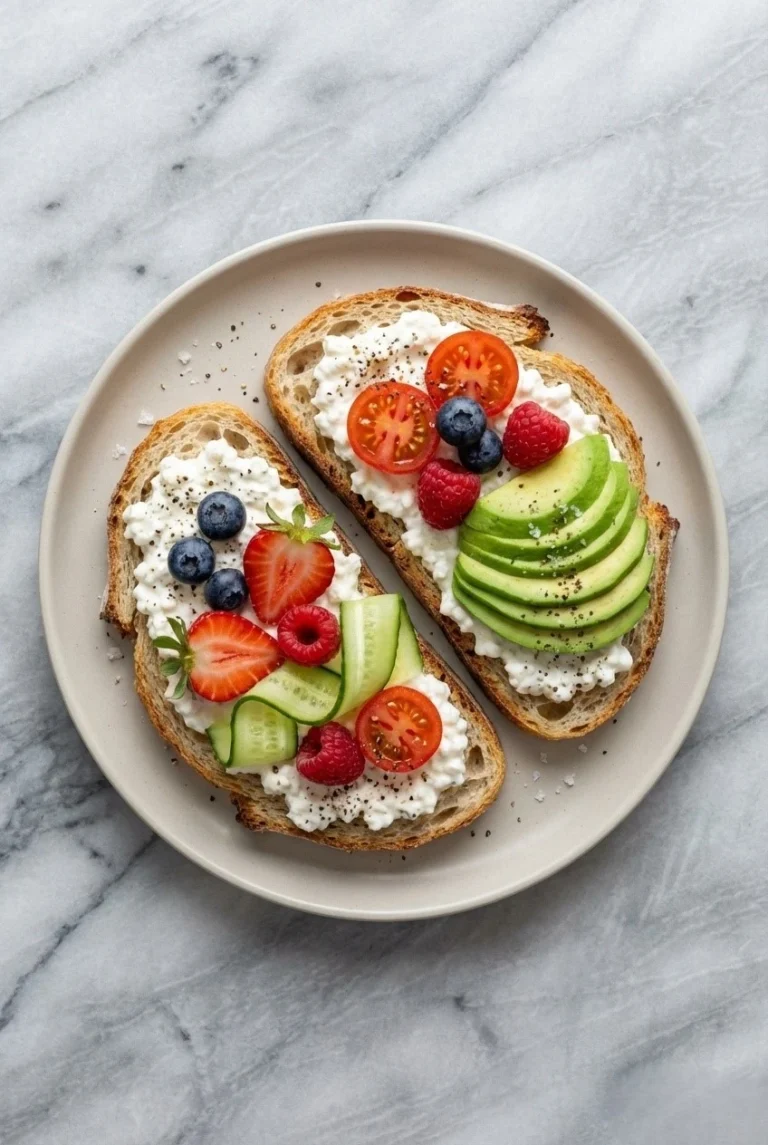
Cottage cheese toast transforms your morning routine with a protein-packed breakfast that tastes amazing and fuels your day. This simple recipe combines creamy cottage cheese with crispy toasted bread, creating a perfect balance of textures that satisfies both your taste buds and nutritional needs. I started making this breakfast during my busy work weeks when I needed something quick yet filling, and it quickly became my favorite morning meal.
The beauty of cottage cheese toast lies in its versatility and simplicity. You can prepare it in under ten minutes, making it ideal for rushed mornings or lazy weekends. The cottage cheese provides essential protein and calcium, while the toast offers that satisfying crunch we all crave. Whether you top it with fresh fruits, savory vegetables, or sweet honey, each bite delivers a delicious combination that keeps you full for hours. This recipe works perfectly for anyone looking to eat healthier without spending too much time in the kitchen, and it adapts easily to different dietary preferences and flavor profiles.
Reasons to Try Cottage Cheese Toast
Cottage cheese toast offers incredible nutritional value that supports your health goals throughout the day. Each serving packs approximately 15-20 grams of protein, which helps build muscle, keeps you satisfied, and prevents mid-morning hunger pangs. The calcium content strengthens your bones and teeth, making this breakfast choice particularly beneficial for growing children and adults alike.
The texture combination makes every bite interesting and enjoyable. The creamy, slightly tangy cottage cheese contrasts beautifully with the warm, crunchy toast. When you add toppings like fresh berries or sliced tomatoes, you create even more textural variety that makes eating this breakfast feel like a treat rather than a healthy obligation.
This recipe saves you money compared to expensive breakfast options. A container of cottage cheese costs less than fancy breakfast sandwiches from coffee shops, and it provides multiple servings. You probably already have bread at home, which means you can make this breakfast without a special shopping trip.
The preparation speed fits perfectly into busy morning schedules. You need only five to ten minutes from start to finish, which beats waiting in drive-through lines or cooking elaborate breakfasts. I often make this on weekdays when I have early meetings, and it never fails to give me the energy I need.
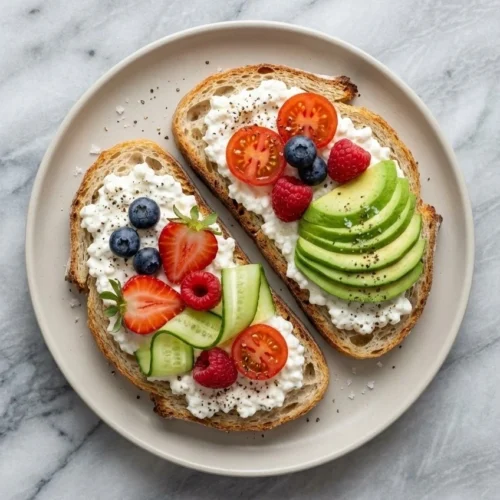
Cottage cheese toast adapts to any flavor preference you have. Sweet lovers can add honey and strawberries, while savory fans enjoy it with everything bagel seasoning and cucumber slices. This flexibility means you never get bored, even if you eat it every single day.
 Save
SaveWhere Did Cottage Cheese Toast Come From?
Cottage cheese toast emerged from the recent health food movement that celebrates simple, nutritious ingredients. While cottage cheese has been a staple in American kitchens since the early 1900s, combining it with toast as a trendy breakfast item gained popularity around 2020 through social media platforms. Health enthusiasts and fitness professionals began sharing this protein-rich breakfast option as an alternative to avocado toast, which dominated breakfast trends for years.
The concept itself draws from European breakfast traditions where fresh cheese spreads on bread have existed for centuries. Cottage cheese, originally called “cottage” because people made it in their small cottages using leftover milk, became widely available in grocery stores during the mid-twentieth century. The modern toast version simply combines these traditional elements in a way that meets current nutritional preferences for high-protein, lower-carb breakfast options.
Ingredients Notes
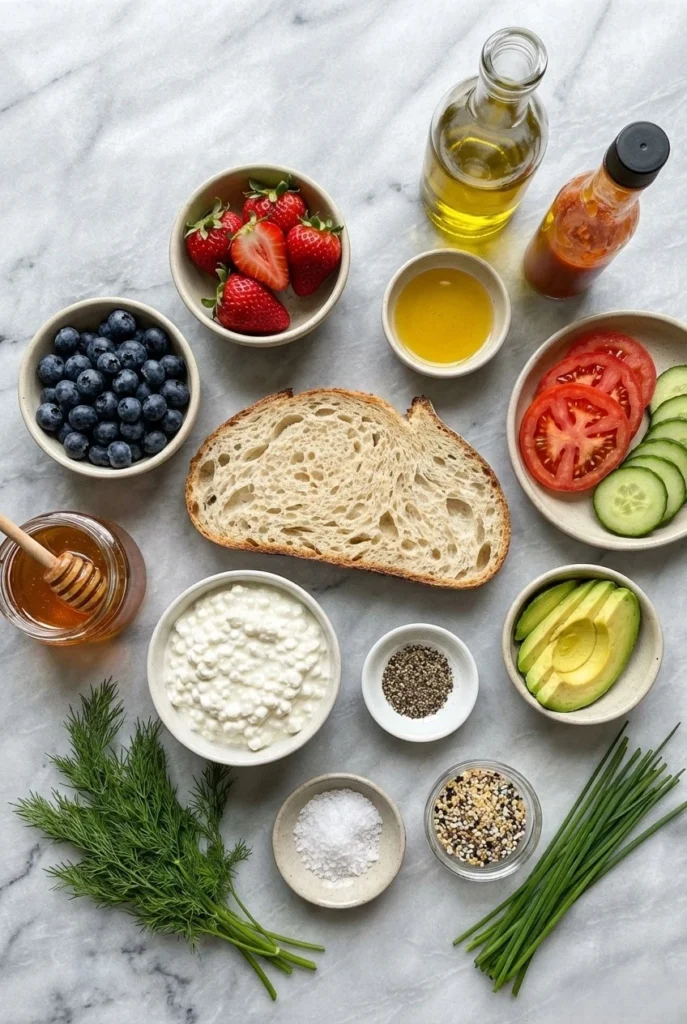
Cottage Cheese: Choose full-fat cottage cheese for the creamiest texture and richest flavor. The fat content makes the cheese spread more smoothly and taste less watery. I prefer brands with larger curds because they create better visual appeal on the toast, though small-curd varieties work perfectly fine and blend more easily. Look for cottage cheese without added gums or stabilizers for the cleanest ingredient list.
Bread: Select whole grain or sourdough bread for the best nutritional value and flavor depth. Whole grain bread adds fiber and extra nutrients, while sourdough provides a tangy taste that complements the cottage cheese beautifully. The bread should be thick enough to support the cottage cheese weight without getting soggy. I slice my bread about half an inch thick, which creates the perfect sturdy base.
Salt and Pepper: Use flaky sea salt rather than regular table salt for a better flavor boost. Black pepper should be freshly cracked because pre-ground pepper loses its essential oils and tastes flat. These seasonings enhance the natural flavors without overpowering the mild cottage cheese taste.
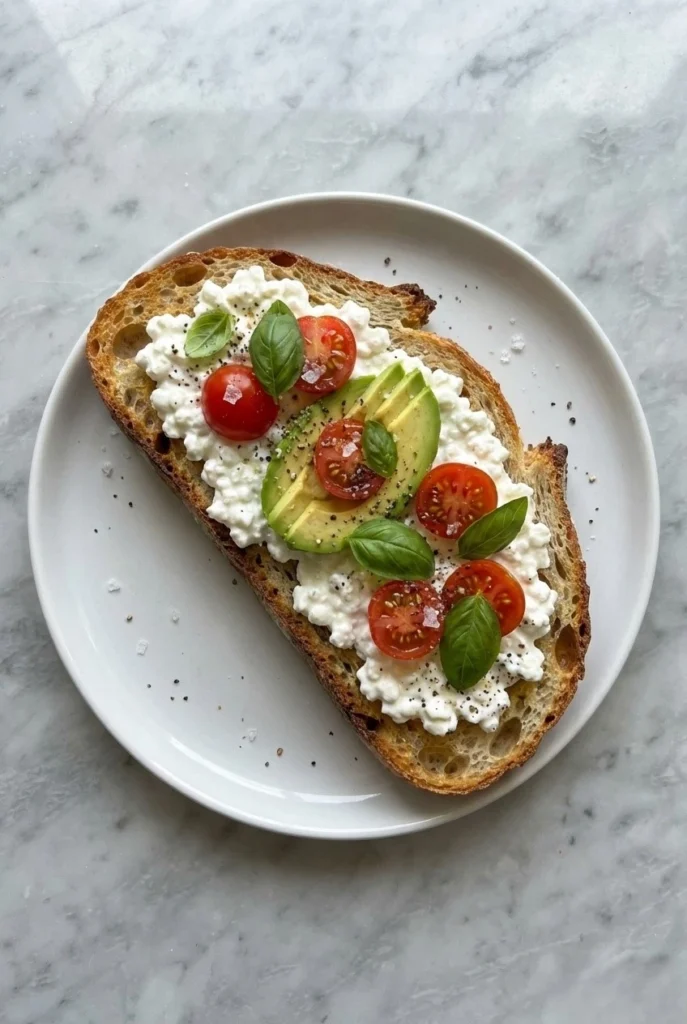
Toppings: Fresh ingredients work best for toppings. Ripe tomatoes, crisp cucumbers, sweet berries, or ripe avocado all add different flavor profiles and nutritional benefits. Choose organic produce when possible, especially for items like strawberries which often contain pesticide residues. Fresh herbs like basil, chives, or dill elevate the flavor significantly.
 Save
SaveHow to Make Cottage Cheese Toast
Step 1: Toast your bread slices in a toaster or toaster oven until they reach a golden brown color. The toast should be crispy on the outside but still slightly soft in the center. Watch carefully during the last minute of toasting to prevent burning.
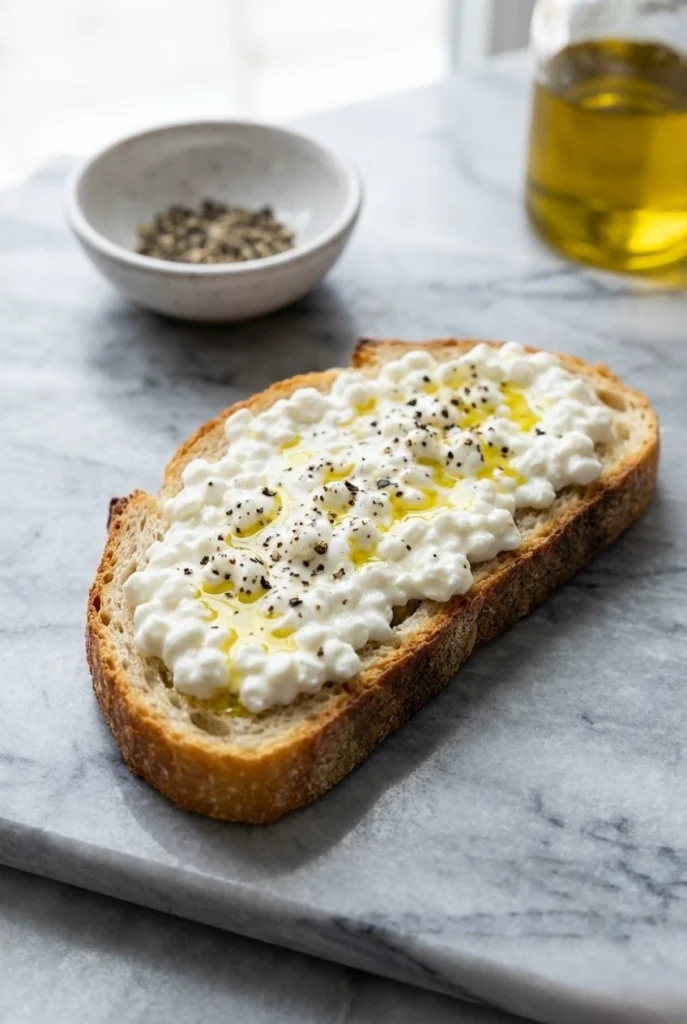
Step 2: Spread cottage cheese generously over the warm toast while it is still hot. Use about one-third to one-half cup of cottage cheese per slice, depending on your bread size and preference. The warmth from the toast will slightly soften the cottage cheese and make it easier to spread.
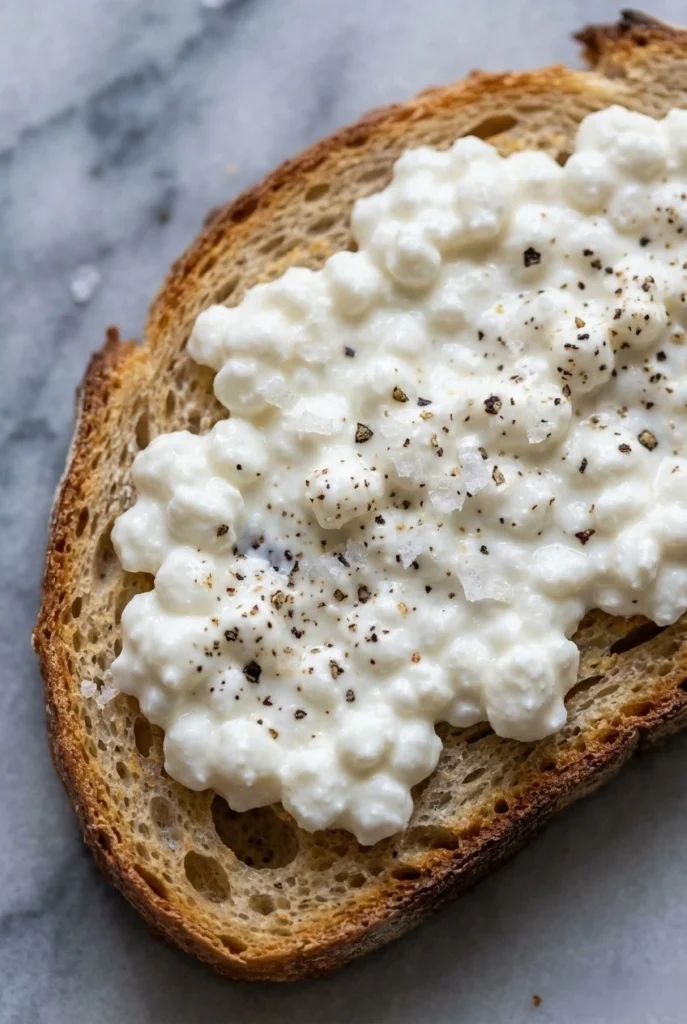
Step 3: Sprinkle salt and freshly cracked black pepper over the cottage cheese layer. Start with a small amount and add more according to your taste preferences. The salt brings out the natural flavors and balances the mild tanginess of the cheese.
Step 4: Add your chosen toppings to create your preferred flavor combination. Arrange them attractively on top of the cottage cheese for visual appeal. Press down gently so the toppings stick to the cheese layer.
Step 5: Drizzle with olive oil, honey, or hot sauce based on whether you made a sweet or savory version. This final touch adds moisture and an extra flavor dimension that completes the dish.
Step 6: Serve immediately while the toast remains crispy and enjoy your nutritious breakfast.
What You Must Know About Cottage Cheese Toast
The toast must be eaten immediately after assembly to maintain the ideal texture. Cottage cheese contains moisture that will soak into the bread if you let it sit too long, creating a soggy, unpleasant texture. I learned this the hard way when I tried to prep several pieces ahead for the week.
Never use cold cottage cheese straight from the refrigerator if you want the best spreading consistency. Let it sit at room temperature for about ten minutes before using, or use the warmth from fresh toast to soften it naturally. Cold cottage cheese clumps and spreads unevenly, creating an unappetizing appearance.
Check the expiration date on your cottage cheese carefully because it spoils faster than harder cheeses. Cottage cheese typically lasts about one week after opening when stored properly in the refrigerator. Discard any cottage cheese that smells sour or shows mold growth.
Pregnant women should only consume cottage cheese made from pasteurized milk to avoid potential foodborne illness risks. Most commercial cottage cheese uses pasteurized milk, but always verify the label if you have any doubts.
The protein content in cottage cheese can cause digestive discomfort if you eat it too quickly or consume very large portions. Start with smaller servings if you are not accustomed to high-protein breakfasts.
 Save
SaveHelpful Tips
Blend your cottage cheese in a food processor for fifteen seconds if you prefer a smoother, cream-cheese-like texture. This technique works especially well for people who dislike the curdy texture but want the nutritional benefits.
Toast your bread on a lower setting and then broil it for thirty seconds to create extra crispiness that holds up better against the cottage cheese moisture. This restaurant trick keeps your toast crunchy longer.
Mix fresh herbs directly into the cottage cheese before spreading it on the toast. This distributes the flavors more evenly and creates a beautiful green-flecked appearance that looks professional.
Use a fork to create little peaks and valleys in the cottage cheese layer before adding toppings. These indentations catch oils, honey, or juices from your toppings and create pockets of concentrated flavor.
Make your own everything bagel seasoning by mixing sesame seeds, poppy seeds, dried garlic flakes, dried onion flakes, and coarse salt. This homemade version tastes fresher and costs less than store-bought varieties.
Variations and Substitutions
Replace cottage cheese with ricotta cheese for a sweeter, milder flavor that works beautifully with fruit toppings. Ricotta spreads more smoothly but contains less protein than cottage cheese.
Use Greek yogurt instead of cottage cheese if you want a tangier taste and different texture. Greek yogurt provides similar protein levels and creates a smoother spread that some people prefer.
Swap regular bread for rice cakes or corn thins if you follow a gluten-free diet. These alternatives provide the necessary crunch while accommodating dietary restrictions.
Try rye bread or pumpernickel for a heartier, more European-style breakfast toast. These darker breads offer robust flavors that pair exceptionally well with savory toppings.
Replace fresh toppings with roasted vegetables prepared the night before. Roasted red peppers, zucchini, or eggplant add concentrated flavors and work perfectly for meal prep situations.
Substitute regular cottage cheese with lactose-free cottage cheese if you have lactose intolerance. The taste remains nearly identical while preventing digestive discomfort.
Serving Suggestions for Cottage Cheese Toast
Serve your cottage cheese toast alongside fresh fruit salad for a complete, balanced breakfast. The fruit adds natural sweetness and additional vitamins that complement the protein-rich toast perfectly.
Pair savory versions with a small green salad dressed with lemon vinaigrette. This combination creates a light lunch that satisfies without feeling heavy or causing afternoon energy crashes.
Cut the toast into triangles or strips for an attractive presentation that works well for brunch gatherings. Smaller pieces allow guests to try multiple flavor combinations without feeling too full.
Arrange cottage cheese toast on a wooden board with small bowls of different toppings nearby. Let everyone customize their own toast, which makes breakfast interactive and fun for families with children.
Serve sweet cottage cheese toast with hot coffee or tea for a cozy morning meal. The warm beverage balances the cold cheese and creates a comforting breakfast experience.
Add a soft-boiled egg on the side for extra protein and healthy fats. The runny yolk creates a delicious sauce when it mixes with the cottage cheese.
 Save
SaveStorage and Reheating
Store leftover cottage cheese in its original container with the lid tightly sealed. Keep it in the coldest part of your refrigerator, usually the back of the bottom shelf, where temperature remains most consistent. Properly stored cottage cheese lasts five to seven days after opening.
Never store assembled cottage cheese toast because the moisture makes the bread completely soggy and inedible. The components must stay separate until you are ready to eat.
Freeze extra bread slices in a freezer bag with pieces separated by parchment paper. Frozen bread toasts directly from the freezer without thawing, making quick breakfasts even easier.
You cannot freeze cottage cheese successfully because freezing destroys the texture and makes it grainy and watery after thawing. Only buy amounts you can consume within one week.
Leftover toppings like sliced vegetables should be stored in airtight containers in the refrigerator and used within two to three days for optimal freshness and food safety.
Frequently Asked Questions about Cottage Cheese Toast
Can I make cottage cheese toast ahead of time for meal prep?
You cannot assemble cottage cheese toast ahead of time because the moisture from the cheese makes the bread soggy. Instead, prepare your toppings in advance and store them in separate containers. Keep the cottage cheese and bread separate, then assemble everything fresh each morning. This takes only two minutes and ensures your toast stays crispy and delicious.
What is the best bread to use for cottage cheese toast?
Whole grain bread works best because it provides fiber, nutrients, and a sturdy texture that supports the cottage cheese weight. Sourdough offers excellent flavor and natural fermentation benefits. Thicker slices hold up better than thin sandwich bread. Avoid very soft white bread because it becomes soggy quickly and cannot support heavy toppings.
How many calories are in cottage cheese toast?
A basic cottage cheese toast with one slice of whole grain bread and half cup of cottage cheese contains approximately 250-300 calories. Adding toppings increases the calorie count depending on what you choose. Sweet toppings like honey and fruit add about 50-100 calories, while savory options like avocado add around 80-120 calories. The exact number varies based on portion sizes and specific ingredients.
Can I use low-fat cottage cheese instead of full-fat?
You can use low-fat cottage cheese, though it tastes slightly less rich and spreads less smoothly than full-fat versions. Low-fat cottage cheese contains more protein per serving and fewer calories, which benefits people watching their calorie intake. The texture becomes slightly more watery, so drain any excess liquid before spreading it on toast. Both versions provide excellent nutritional value.
What are the best toppings for cottage cheese toast?
Sweet toppings include fresh berries, sliced banana, honey, cinnamon, and chia seeds. Savory options include sliced tomatoes, cucumber, avocado, everything bagel seasoning, smoked salmon, fresh herbs, or sautéed mushrooms. You can also try combinations like strawberries with balsamic glaze or tomatoes with fresh basil. Choose toppings based on your taste preferences and nutritional goals.
Is cottage cheese toast good for weight loss?
Cottage cheese toast supports weight loss because it provides high protein that keeps you full for hours and prevents overeating later in the day. The protein content helps maintain muscle mass during calorie restriction. Choose whole grain bread and control your topping portions to keep calories reasonable. This breakfast option beats many high-sugar cereals and pastries that cause energy crashes and increased hunger.
Nutrition Facts (Per Serving)
| Nutrient | Amount |
|---|---|
| Calories | 280 |
| Total Fat | 9g |
| Saturated Fat | 4g |
| Cholesterol | 25mg |
| Sodium | 450mg |
| Total Carbohydrates | 28g |
| Dietary Fiber | 4g |
| Sugars | 6g |
| Protein | 18g |
| Calcium | 15% DV |
| Iron | 8% DV |
| Vitamin D | 2% DV |
Based on one slice of whole grain bread with 1/2 cup full-fat cottage cheese and basic seasonings
Best Cottage Cheese Toast Recipe
Ingredients
- 1 slice whole grain bread or sourdough bread thick-cut
- 1/2 cup cottage cheese full-fat recommended
- Pinch of flaky sea salt
- Freshly cracked black pepper to taste
- Optional toppings: fresh berries sliced tomatoes, cucumber, avocado, honey, everything bagel seasoning, fresh herbs, olive oil, or hot sauce
Instructions
- Place the bread slice in a toaster or toaster oven and toast until golden brown and crispy, approximately 2-3 minutes depending on your toaster settings.
- Remove the toast from the toaster and place it on a serving plate while still warm.
- Spoon 1/2 cup of cottage cheese onto the warm toast and spread it evenly across the surface using the back of the spoon.
- Sprinkle a pinch of flaky sea salt and freshly cracked black pepper over the cottage cheese layer.
- Add your choice of toppings, arranging them attractively on the cottage cheese.
- Drizzle with olive oil for savory versions or honey for sweet versions if desired.
- Serve immediately and enjoy while the toast remains crispy.