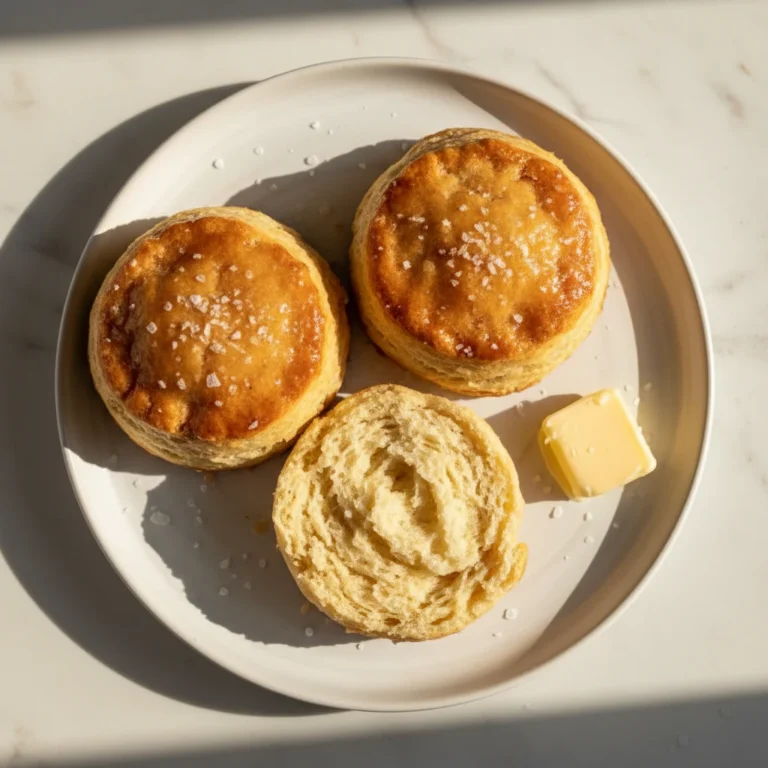
Warm, fluffy, and indulgent, honey butter biscuits are the ultimate comfort bread that elevates any meal. These tender biscuits feature a light, flaky interior with a soft golden exterior, finished with a luxurious honey-butter glaze that adds subtle sweetness and richness. Perfect for breakfast, brunch, or as a side to dinner, these biscuits come together in under an hour and are sure to impress family and friends.
Reasons to Try Honey Butter Biscuits
Irresistible Flavor Combination: The natural sweetness of honey paired with rich, creamy butter creates a sophisticated yet comforting taste that appeals to all palates. Unlike basic butter biscuits, the honey adds depth without overwhelming sweetness.
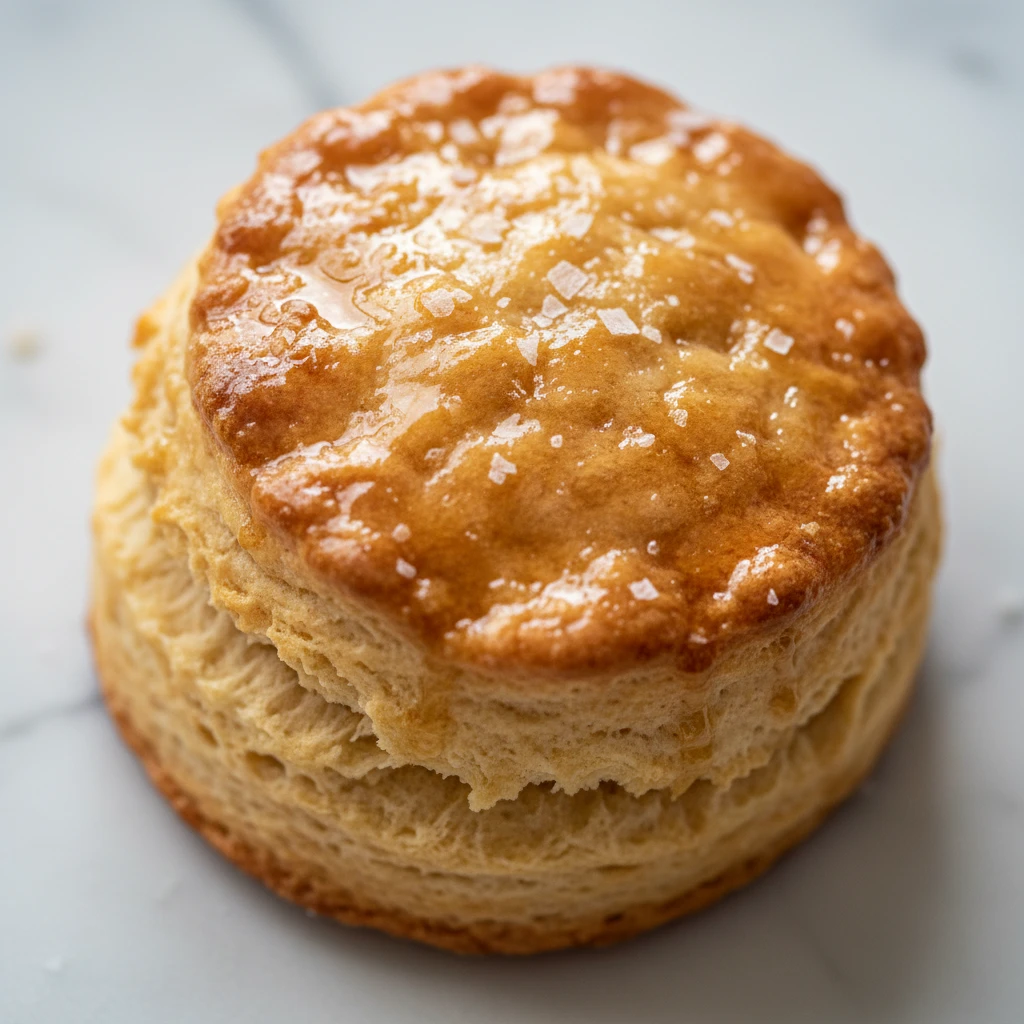
Restaurant-Quality Texture: These biscuits achieve that prized flaky-yet-tender crumb that rivals your favorite bakery. The secret lies in keeping ingredients cold and handling the dough minimally.
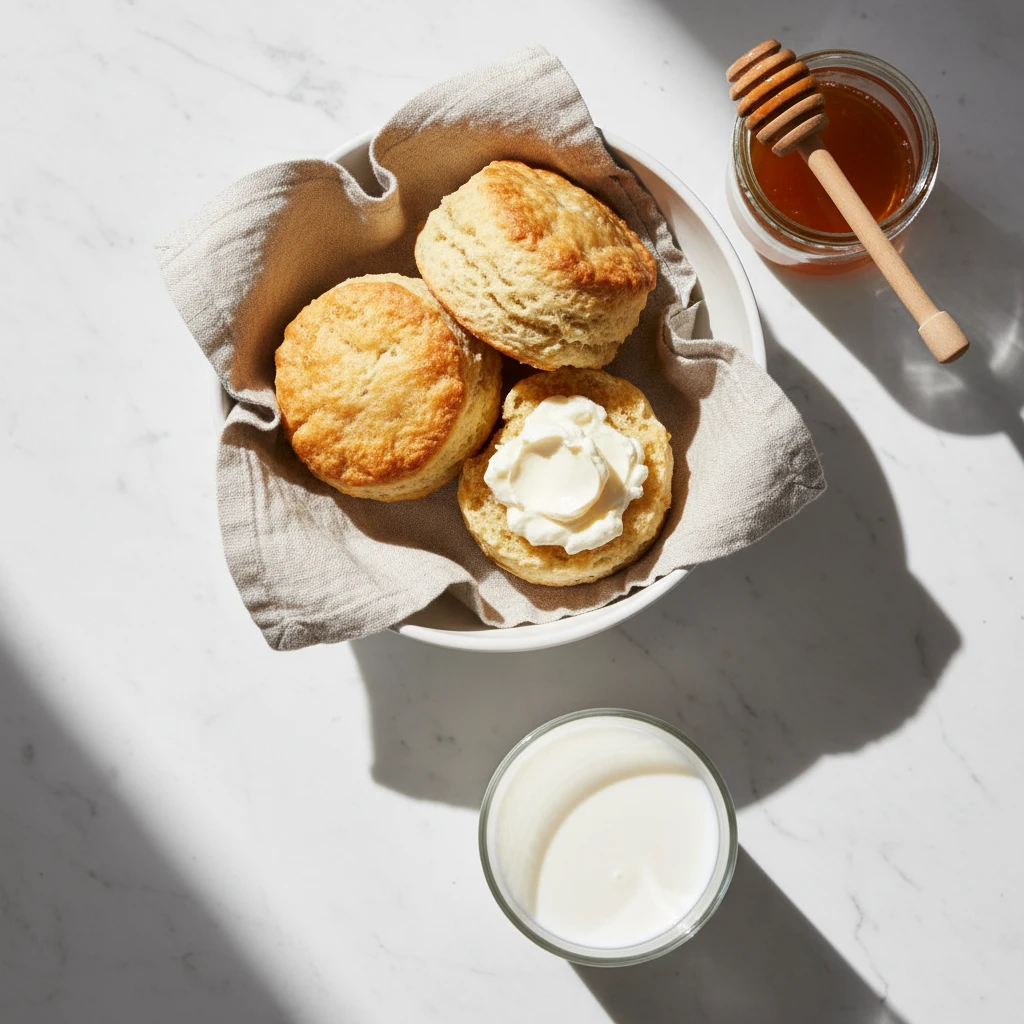
Versatile and Crowd-Pleasing: Serve them warm from the oven with jam and clotted cream for breakfast, alongside soups and salads for lunch, or as part of a Southern-inspired dinner spread. They pair beautifully with savory and sweet preparations.
Quick to Make: From mixing to the table in approximately 30–35 minutes, these biscuits fit into even busy schedules. They’re perfect for unexpected guests or last-minute entertaining.
Homemade Goodness: There’s nothing quite like freshly baked biscuits straight from your own oven. They’ll fill your kitchen with an aroma that’s impossible to replicate with store-bought versions.
 Save
SaveIngredients Notes
- All-purpose flour: Standard flour works best for achieving the right structure and flakiness
- Baking powder: Ensures proper rise and creates a light, airy crumb
- Baking soda: Adds extra leavening and reacts with acidic milk for tender results
- Salt: Enhances the overall flavor profile and balances sweetness
- Unsalted butter: Use cold butter for the dough to create steam pockets; melted butter is used separately for the topping
- Whole milk: The cold liquid binds ingredients and creates steam during baking for lift and flakiness
- Honey: Adds natural sweetness and moisture to both the dough and the finishing glaze
- Fleur de sel: A delicate finishing salt that adds a subtle crunch and sophistication without overwhelming salt flavor
How to Make Honey Butter Biscuits
- Preheat your oven to 425°F and line a baking sheet with parchment paper.
- Whisk together flour, baking powder, salt, and baking soda in a large bowl.
- Cut cold butter cubes into the flour mixture using a pastry cutter or fork until the mixture resembles coarse breadcrumbs with some pea-sized pieces remaining.
- In a small bowl, whisk together cold milk and 3 tablespoons honey until combined.
- Pour the wet mixture into the dry ingredients and gently stir with a fork until just combined—do not overmix.
- Turn the dough onto a lightly floured surface and gently fold it together 3–4 times until it comes together.
- Pat the dough to about 1-inch thickness and cut out biscuits using a 2.5-inch round biscuit cutter, pressing straight down without twisting.
- Place biscuits on the prepared baking sheet, leaving about 2 inches between each one.
- Bake for 12–14 minutes until the tops are lightly golden brown.
- While biscuits bake, whisk together melted butter and 2 tablespoons honey in a small bowl.
- Remove biscuits from oven and immediately brush the warm tops with the honey-butter glaze, then sprinkle with fleur de sel.
What You Must Know About Honey Butter Biscuits
Temperature Control is Essential: Keep all ingredients, especially butter and milk, as cold as possible. Cold butter creates steam pockets that make the biscuits flaky. If your kitchen is very warm, place your mixing bowl in the freezer for 5–10 minutes before beginning.
Don’t Overmix the Dough: This is the most common mistake. Overmixing develops gluten, which makes biscuits tough and dense instead of tender and flaky. Mix just until the ingredients combine—the dough will look slightly shaggy, and that’s perfect.
Use a Proper Biscuit Cutter: A sharp biscuit cutter or a glass works best. Avoid a blunt knife, which crushes the edges and prevents proper rise. Press straight down without twisting.
Room Temperature Matters: Biscuits bake best in a properly preheated oven. Use an oven thermometer to verify your temperature—many home ovens run hotter or cooler than indicated.
Glaze While Hot: Apply the honey-butter glaze immediately after removing the biscuits from the oven. The residual heat helps the glaze absorb, creating a beautiful sheen and better flavor distribution.
Helpful Tip – Make Ahead Option: You can prepare the biscuits up to the cutting stage, cover them with plastic wrap, and refrigerate for up to 8 hours. Bake directly from the refrigerator, adding 1–2 minutes to the baking time.
Helpful Tip – Buttermilk Substitute: If you don’t have regular milk, you can use buttermilk for extra tang, though you should reduce the baking soda to 1/4 teaspoon and increase baking powder to 1.5 tablespoons.
Helpful Tip – Freezer-Friendly: Unbaked biscuits freeze beautifully for up to 3 months. Freeze on a baking sheet, then transfer to a freezer bag. Bake from frozen, adding 3–4 minutes to the baking time.
Variations and Substitutions
Cheddar Herb Honey Butter Biscuits: Add 1 cup shredded sharp cheddar cheese and 1 teaspoon fresh thyme (or 1/2 teaspoon dried) to the dry ingredients. Omit the finishing salt and brush with savory herb butter instead of honey butter. These are wonderful alongside soups and salads.
Brown Butter Honey Biscuits: Replace the melted butter in the glaze with brown butter. Heat 4 tablespoons butter in a small saucepan over medium heat for 5–7 minutes, swirling occasionally, until it turns golden brown with a nutty aroma. Cool slightly before mixing with honey. This adds a sophisticated depth of flavor.
Whole Wheat Honey Biscuits: Replace 1/2 cup of the all-purpose flour with whole wheat flour for added nutrition and a slightly nuttier flavor. The texture will be slightly denser but still flaky.
Lavender Honey Biscuits: Add 1 teaspoon culinary lavender buds (finely ground) to the dry ingredients and use lavender-infused honey in both the dough and glaze for a delicate, floral variation. Perfect for brunch or afternoon tea.
Dairy-Free Version: Substitute the milk with unsweetened oat milk or almond milk, and use dairy-free butter. The texture may be slightly less flaky but still very good. Use maple syrup instead of honey if preferred.
Mini Biscuits: Use a 1.5-inch biscuit cutter instead of 2.5-inch to make smaller biscuits. These are perfect for sliders or as bite-sized appetizers. Reduce baking time to 9–11 minutes.
Spiced Honey Biscuits: Add 1/2 teaspoon ground cinnamon, 1/4 teaspoon ground ginger, and a pinch of nutmeg to the dry ingredients for warmly spiced biscuits. These pair beautifully with coffee or tea.
Serving Suggestions for Honey Butter Biscuits
Breakfast or Brunch: Serve warm with clotted cream and high-quality jam (apricot, strawberry, or raspberry work beautifully). Add a poached or fried egg and crispy bacon for a more substantial breakfast sandwich.
Southern Supper: Split the biscuits and serve alongside pulled pork, collard greens, and sweet potato casserole for a traditional Southern meal. The honey-butter glaze complements savory, slow-cooked dishes perfectly.
Soup Companion: Serve alongside creamy soups such as tomato bisque, butternut squash, or potato leek soup. The slight sweetness of the honey biscuits balances rich, savory broths.
Charcuterie Board Addition: Arrange the biscuits on a charcuterie board alongside aged cheeses, cured meats, nuts, and honey. Guests can assemble their own combinations for a sophisticated appetizer.
Standalone Treat: Simply serve warm from the oven with softened butter on the side. The honey glaze provides enough sweetness to enjoy the biscuits as a simple, comforting treat on their own.
Plating Tip: Serve in a cloth-lined bread basket to retain warmth, or arrange on a wooden board for a rustic presentation. A small bowl of additional honey or herb-infused butter on the side allows guests to customize their experience.
Garnish Ideas: Sprinkle with fresh thyme, coarse sea salt, or a light drizzle of additional honey immediately before serving for visual appeal and added flavor complexity.
 Save
SaveStorage and Reheating
Room Temperature Storage: Store freshly baked biscuits in an airtight container at room temperature for up to 2 days. They’re best consumed within 24 hours while still relatively soft and tender.
Refrigerator Storage: Place cooled biscuits in an airtight container or resealable plastic bag in the refrigerator for up to 5 days. The cold will firm them slightly, but reheating restores softness.
Freezer Storage: Wrap cooled biscuits individually in plastic wrap, then place in a resealable freezer bag. Freeze for up to 3 months. Label with the date for easy reference.
Reheating Instructions: Preheat your oven to 325°F. Wrap the biscuits loosely in aluminum foil and place on a baking sheet. Heat for 8–10 minutes until warmed through and soft. Do not microwave, as this makes them rubbery. For frozen biscuits, heat for 12–15 minutes directly from the freezer, still wrapped in foil.
Quick Reheat Option: Wrap a single biscuit in a damp paper towel and microwave for 15–20 seconds. This isn’t ideal for texture but works in a pinch.
Do-Ahead Tip: Bake biscuits in the morning, allow to cool completely, and store in an airtight container. Reheat gently before serving for fresh-baked flavor and texture without the morning rush.
Frequently Asked Questions about Honey Butter Biscuits
Can I make honey butter biscuits ahead of time?
Yes! You can prepare the dough through the cutting stage, cover the biscuits with plastic wrap, and refrigerate for up to 8 hours. Bake directly from the refrigerator, adding 1–2 minutes to the baking time. Alternatively, bake the biscuits completely, cool them, and store in an airtight container for up to 2 days. Reheat gently in a 325°F oven wrapped in foil for 8–10 minutes before serving.
Why are my biscuits dense and not fluffy?
Dense biscuits typically result from overmixing the dough, which develops too much gluten and toughens the crumb. Mix only until ingredients combine—the dough should look slightly shaggy. Additionally, ensure your baking powder and baking soda haven’t expired, as these lose potency over time. Finally, verify your oven temperature with an oven thermometer, as an oven that’s too cool won’t create enough steam for proper rise.
Can I substitute the honey with something else?
Absolutely. You can use maple syrup, agave nectar, or brown rice syrup in equal amounts. For a different flavor profile, try molasses (use 2 tablespoons instead of 3 tablespoons, as it’s more potent) or even a fruit preserves-based glaze. The biscuits will taste slightly different but will still be delicious.
What if I don’t have buttermilk or honey?
For milk: Regular whole milk works perfectly for this recipe. If you have buttermilk, you can use it but should adjust the leavening (reduce baking soda to 1/4 teaspoon and increase baking powder to 1.5 tablespoons). For honey: Use maple syrup, agave, brown rice syrup, or even a bit of brown sugar mixed with a little liquid sweetener at equal measurements.
How do I prevent my biscuits from spreading instead of rising?
Spreading occurs when the butter is too warm or the dough is warm. Keep all ingredients, especially butter and milk, as cold as possible. If your kitchen is very warm, chill your mixing bowl in the freezer for 5–10 minutes before starting. Work quickly so the dough stays cool, and avoid overworking it. Additionally, ensure your oven is properly preheated to 425°F for proper heat rise.
Can I make these biscuits vegan?
Yes, with substitutions. Use dairy-free butter for both the dough and glaze, and replace the whole milk with unsweetened oat milk or almond milk. Use vegan honey (or maple syrup) in the dough and glaze. The texture may be slightly less flaky due to the properties of dairy-free butter, but the biscuits will still be good. Make sure to use fleur de sel or finishing salt for the topping.
How many biscuits does this recipe make?
This recipe typically yields 8–10 biscuits using a 2.5-inch round cutter. You may get a few more if you re-roll the scraps, though these will be slightly less fluffy. If you prefer larger biscuits, use a 3-inch cutter and you’ll get 6–8 biscuits. For mini biscuits, use a 1.5-inch cutter and you’ll get 12–16 small biscuits.
Nutrition Facts (Per Serving)
| Nutrient | Amount per Serving |
|---|---|
| Calories | 215 |
| Total Fat | 10g |
| Saturated Fat | 6g |
| Cholesterol | 27mg |
| Sodium | 420mg |
| Total Carbohydrates | 29g |
| Dietary Fiber | 1g |
| Sugars | 8g |
| Protein | 4g |
Note: Nutrition facts are estimated per biscuit (recipe yields 9 biscuits). Values may vary based on specific ingredient brands and preparation methods. For dietary restrictions or medical conditions, consult a registered dietitian.
Honey Butter Biscuits
Ingredients
- 2 cups all-purpose flour
- 1 tablespoon baking powder
- 1 teaspoon salt
- 1/2 teaspoon baking soda
- 6 tablespoons unsalted butter cold and cubed
- 3/4 cup whole milk cold
- 3 tablespoons honey
- 4 tablespoons unsalted butter melted
- 2 tablespoons honey for brushing
- 1/4 teaspoon fleur de sel or finishing salt
Instructions
- Preheat your oven to 425°F (220°C). Line a baking sheet with parchment paper and set aside. Checkpoint: Your oven is ready when the temperature indicator shows 425°F.
- In a large mixing bowl, whisk together 2 cups all-purpose flour, 1 tablespoon baking powder, 1 teaspoon salt, and 1/2 teaspoon baking soda for about 30 seconds until evenly combined. Checkpoint: The dry mixture should look uniformly pale and have no lumps.
- Cut 6 tablespoons of cold unsalted butter into small cubes directly into the flour mixture. Using a pastry cutter, two knives, or your fingertips, work the cold butter into the flour by breaking it down into smaller and smaller pieces. Continue for about 3–4 minutes until the mixture resembles coarse breadcrumbs with some pea-sized pieces of butter still visible. This creates pockets of butter that will steam during baking and create flakiness. Checkpoint: The texture should resemble sand with small gravel—some pieces of butter should still be visible.
- In a small bowl, pour 3/4 cup cold whole milk and add 3 tablespoons honey. Whisk them together for about 30 seconds until the honey is mostly dissolved and the mixture is smooth. Checkpoint: The wet mixture should be uniform and honey should be well-incorporated.
- Make a well in the center of the dry ingredients by pushing the flour to the sides. Pour the milk-honey mixture into the well. Using a fork, gently stir the ingredients together, bringing some dry mixture from the sides into the wet center. Stir for about 1 minute until the dough just comes together—there should be no dry flour remaining, but the dough will be slightly shaggy. Do not overmix or the biscuits will become tough. Checkpoint: No dry flour should be visible when you look into the bowl, but the dough should not look smooth or overworked.
- Lightly dust your work surface with about 1 tablespoon of all-purpose flour. Turn the dough out onto the floured surface. Using your hands, gently fold the dough over itself 3–4 times, being careful not to compress it too much. This gentle folding helps create layers without toughening the dough. After folding, the dough should hold together loosely but still have a rustic, slightly shaggy appearance. Checkpoint: The dough should be cohesive enough to handle but should not be smooth or dense.
- Using a rolling pin or your hands, gently pat the dough down to approximately 1 inch thick. Try to keep the thickness as even as possible—this ensures all biscuits bake at the same rate. Checkpoint: Your dough should be about 1 inch tall when measured with a ruler.
- Using a 2.5-inch round biscuit cutter (or a glass of similar diameter), press straight down into the dough to cut out biscuits. Press firmly so you cut all the way through, but do not twist the cutter—twisting seals the edges and prevents the biscuits from rising properly. You should be able to cut about 8–10 biscuits. Gently gather any dough scraps, re-pat to 1 inch thick, and cut additional biscuits (these will be slightly less fluffy). Checkpoint: Your biscuits should be clean-cut circles with no twisted or sealed edges.
- Arrange the cut biscuits on your prepared baking sheet, leaving about 2 inches of space between each one. If you prefer extra-tall, fluffy biscuits, place them so they're almost touching—the steam from one biscuit will help another rise higher. Checkpoint: All biscuits should be evenly spaced and sitting flat on the baking sheet.
- Place the baking sheet on the middle rack of your preheated 425°F oven. Bake for 12–14 minutes until the tops of the biscuits are light golden brown and the sides are set. The biscuits should not be deeply browned—a pale to medium gold is perfect. Do not open the oven door during the first 10 minutes of baking or you may cause them to collapse. Checkpoint: The biscuit tops should be golden and springy to the touch when you lightly press the center of one.
- While the biscuits are baking, prepare the honey-butter glaze: In a small bowl, combine 4 tablespoons melted unsalted butter and 2 tablespoons honey. Whisk them together for about 30 seconds until smooth and well-combined. The mixture should be liquid and pour easily. Checkpoint: The glaze should be smooth, warm, and golden with no visible separation.
- Remove the biscuits from the oven immediately after they turn golden. Using a pastry brush, generously brush the warm honey-butter glaze over the top of each biscuit while they're still hot—the heat helps the glaze absorb and creates a beautiful sheen. Checkpoint: All biscuit tops should be glistening and evenly coated with the glaze.
- Sprinkle 1/4 teaspoon of fleur de sel (or regular finishing salt) evenly over the tops of all the biscuits while the glaze is still wet. The salt will stick to the glaze and create a subtle salty-sweet contrast. Checkpoint: Each biscuit should have a light dusting of salt crystals.
- Allow the biscuits to cool on the baking sheet for 3–5 minutes before serving. This allows the glaze to set slightly while the biscuits remain warm and soft. Transfer to a bread basket or serving plate. Serve warm and enjoy within 2–3 hours for the best texture and flavor.