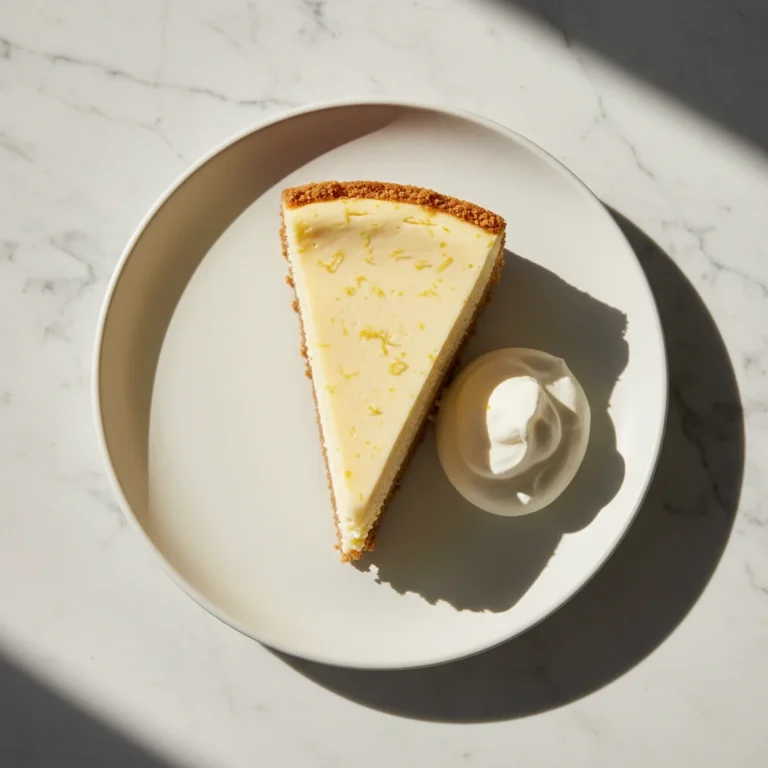
Keto cheesecake is a creamy, decadent dessert that proves low-carb eating doesn’t mean sacrificing indulgence. This recipe combines a buttery almond flour crust with a dense, smooth filling made from cream cheese and heavy cream, sweetened with keto-friendly sugar substitutes. Perfect for those following a ketogenic diet or simply looking to reduce sugar intake, this cheesecake delivers classic flavors without the blood sugar spike.
Reasons to Try Keto Cheesecake
A True Low-Carb Treat
Unlike traditional cheesecake made with sugar, keto cheesecake contains only 3-4 grams of net carbs per slice. The combination of almond flour crust and erythritol sweetener keeps you in ketosis while satisfying serious dessert cravings.
Rich, Creamy Texture
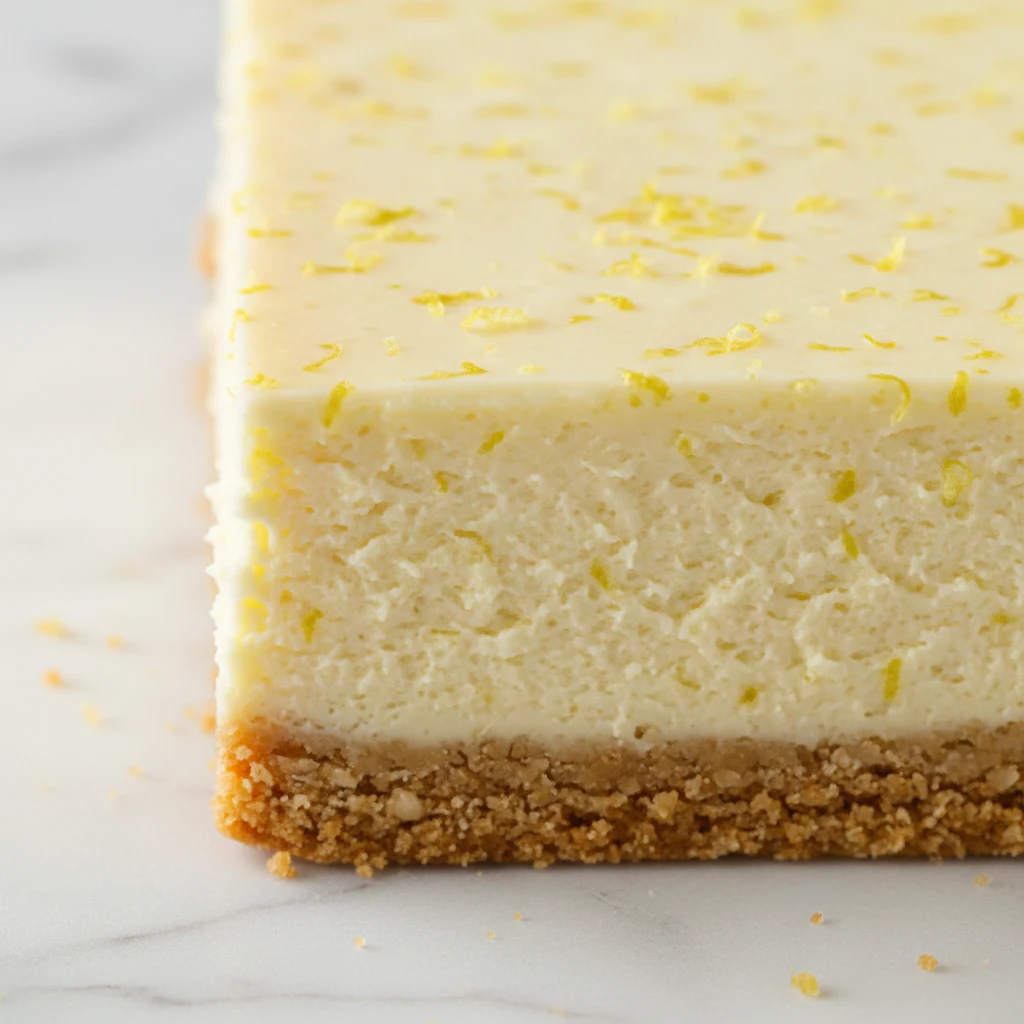
This cheesecake achieves the perfect dense and creamy consistency thanks to the use of both cream cheese and heavy whipping cream. The filling is silky, luxurious, and tastes indistinguishable from full-sugar versions.
Simple Almond Flour Crust
The crust requires just four ingredients and no baking—it’s pressed directly into the pan. Almond flour provides a nutty flavor and pleasant crunch that complements the smooth filling beautifully.
Versatile and Elegant
Serve it plain for a classic presentation, or top with sugar-free berries, keto-friendly chocolate sauce, or a drizzle of almond butter. It’s impressive enough for dinner parties yet simple enough for weeknight dessert.
Freezer-Friendly
Keto cheesecake actually improves when made ahead. Bake it, refrigerate, and freeze for up to three months. Slice while partially frozen for perfectly portioned servings.
 Save
SaveIngredients Notes
For the Crust
- Almond flour
- Melted butter
- Erythritol or monk fruit sweetener
- Sea salt
- Butter for greasing
For the Filling
- Cream cheese at room temperature
- Heavy whipping cream
- Erythritol or monk fruit sweetener
- Large eggs at room temperature
- Vanilla extract
- Fresh lemon juice
- Lemon zest
- Sea salt
How to Make Keto Cheesecake
For the Crust
- Preheat oven to 325°F. Grease a 9-inch springform pan with butter and line the bottom with parchment paper.
- Mix almond flour, melted butter, erythritol, and salt until the texture resembles wet sand.
- Press the mixture firmly into the bottom of the prepared pan, creating an even layer.
- Bake for 10–12 minutes until lightly golden, then remove and let cool slightly.
For the Filling
- Beat room-temperature cream cheese on medium speed for 2–3 minutes until smooth and creamy.
- Add heavy whipping cream and erythritol, beating until well combined and fluffy.
- Add eggs one at a time, beating on low speed after each addition just until incorporated.
- Stir in vanilla extract, lemon juice, lemon zest, and salt by hand until just combined.
- Pour the filling over the cooled crust, smoothing the top with a spatula.
- Place the springform pan inside a larger roasting pan. Fill the roasting pan with hot water until it reaches halfway up the sides of the springform pan (water bath).
- Bake for 45–55 minutes until the edges are set but the center still jiggles slightly when gently shaken.
- Turn off the oven and crack the door open about 4 inches. Let the cheesecake sit in the warm oven for 1 hour to cool gradually.
- Remove from the oven and refrigerate for at least 8 hours or overnight before serving.
What You Must Know About Keto Cheesecake
Room Temperature is Non-Negotiable
All ingredients—cream cheese, eggs, and even the bowl—should be at room temperature. Cold cream cheese won’t blend smoothly and will create lumps in the filling. Cold eggs don’t incorporate evenly and can cause the mixture to curdle. Set ingredients out 30 minutes before starting.
The Water Bath is Essential
Never skip the water bath. It’s not optional. The gentle, humid heat prevents the top from drying out and cracking while the interior sets evenly. Without it, you’ll get a rubbery top and potentially a gritty texture.
Don’t Overbake
A jiggling center is what you want. The cheesecake will continue to cook as it cools. Overbaking leads to cracks, a dense texture, and loss of creaminess. Trust the jiggle test—it’s accurate.
Use Quality Sweeteners
Erythritol and monk fruit are the best keto sweeteners for cheesecake—they don’t have the bitter aftertaste that stevia can impart, and they blend smoothly into the filling. Some people are sensitive to sugar alcohols, so start with a small slice to test tolerance.
Springform Pan Requirements
Use a true 9-inch springform pan with a removable bottom. Wrap the outside with aluminum foil to prevent water from seeping into the filling during the water bath. Test the seal by running your finger along the base—it should feel tight.
Helpful Tips
• Make cheesecake ahead: It actually tastes better the next day after flavors develop. Bake it 1–2 days before serving and refrigerate covered.
• Freeze successfully: Wrap individual slices tightly in plastic wrap and freeze for up to 3 months. Thaw in the refrigerator overnight before serving.
• Crack-free guarantee: The gradual cooling step (cracking oven door open for 1 hour) is your secret weapon. Don’t skip it.
• Top it creatively: Serve with sugar-free berry compote, a drizzle of keto chocolate sauce, crushed nuts, or a dollop of unsweetened whipped cream.
• Slice cleaner: Use a long thin knife dipped in hot water and wiped dry between cuts. This prevents the filling from sticking to the blade.
Variations and Substitutions
Sweetener Swaps
Erythritol and monk fruit are ideal, but you can substitute with allulose (behaves most like sugar) or a blend of erythritol and stevia if that’s what you have. Reduce stevia-only recipes by half, as it’s much sweeter. Note that some sweeteners may cause a cooling sensation or slight aftertaste.
Almond Flour Crust Alternative
Replace almond flour with crushed macadamia nuts, crushed pecans, or even pork rinds (for a savory take). You may need to add 1–2 tablespoons more butter if using drier nuts. Pecans create a slightly earthier flavor that pairs beautifully with cheesecake.
Flavor Variations
Vanilla Bean: Replace lemon zest with 1 scraped vanilla bean (or 1/2 teaspoon vanilla paste) for a classic vanilla cheesecake.
Chocolate: Reduce cream cheese to 28 ounces and add 4 ounces softened cream cheese mixed with 3 tablespoons unsweetened cocoa powder and 2 tablespoons erythritol.
Strawberry: Reserve some filling, mix it with 1/2 cup mashed fresh strawberries and erythritol to taste, and swirl into the plain filling before baking.
Pumpkin Spice: Add 1/3 cup pumpkin puree, 1/2 teaspoon cinnamon, 1/4 teaspoon ginger, and 1/8 teaspoon nutmeg to the filling.
No-Bake Version
If you prefer not to bake, make the crust as directed and bake for 12 minutes. For the filling, whip 24 ounces softened cream cheese with 1 cup heavy whipping cream and sweetener until fluffy. Fold in 1/4 cup melted butter and flavorings. Pour over the cooled crust and refrigerate for 6 hours. This version is airier but less dense than baked cheesecake.
Mini Cheesecakes
Divide the mixture into 12 muffin cups lined with parchment. Reduce crust and filling proportionally. Bake for 20–25 minutes in a water bath. These are perfect for portion control and entertaining.
Instant Pot Version
You can bake cheesecake in an Instant Pot on high pressure for 25 minutes with natural release. The result is slightly fluffier due to steam, but still delicious. Always use a trivet and water bath.
Serving Suggestions for Keto Cheesecake
Classic Presentation
Slice into 8–10 wedges and serve on white plates with a small dollop of unsweetened whipped cream and a sprinkle of lemon zest on the side. The clean presentation lets the creamy texture shine.
Berries and Cream
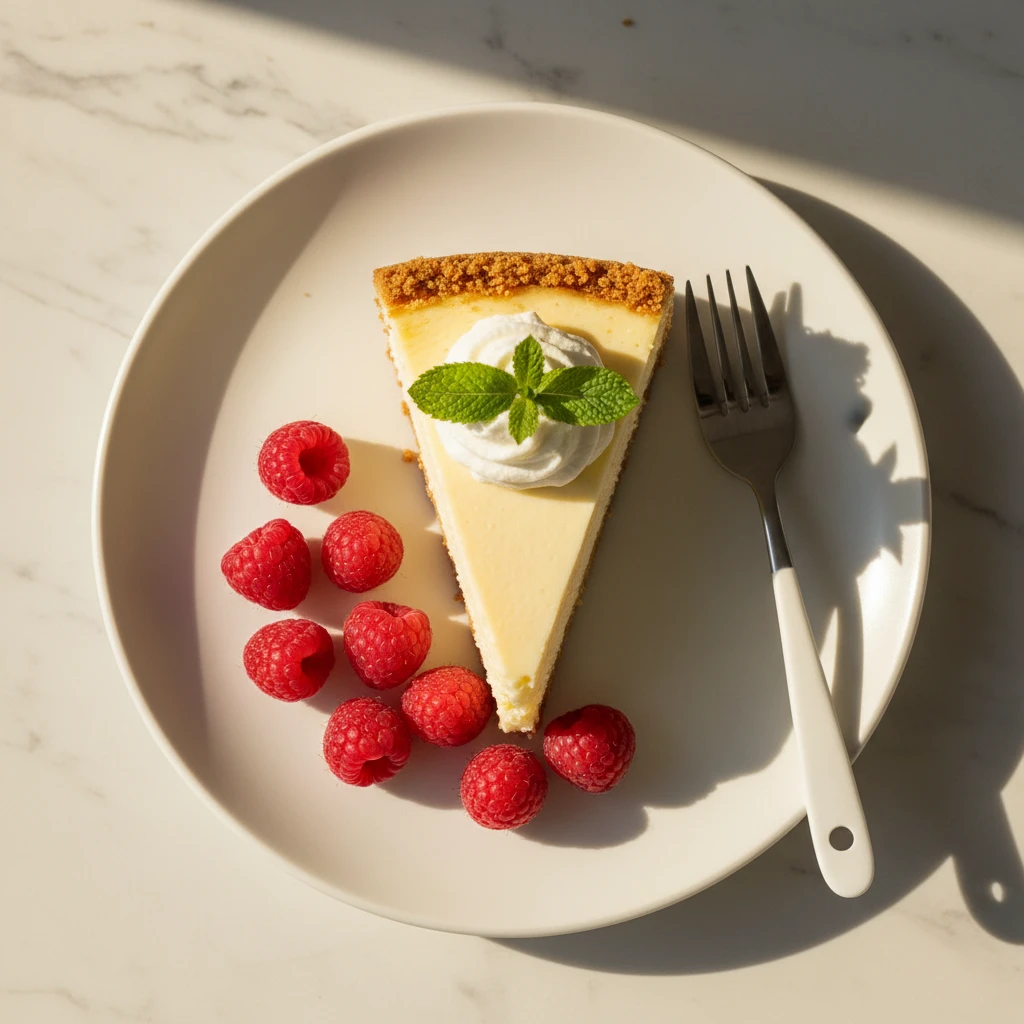
Top each slice with fresh raspberries, blackberries, or a small portion of strawberries mixed with a little erythritol. The tartness of berries complements the rich, sweet cheesecake beautifully. Add a dollop of whipped cream for elegance.
Keto Chocolate Drizzle
Melt 2 ounces sugar-free dark chocolate with 1 teaspoon coconut oil and drizzle decoratively over each plate. The chocolate adds visual appeal and a complementary flavor note.
Berry Compote Topping
Simmer 1 cup mixed berries with 2 tablespoons erythritol and 1 tablespoon lemon juice for 10 minutes until jammy. Spoon over slices for a more indulgent presentation. This can be made ahead and refrigerated.
Nutty Garnish
Crush 1/4 cup toasted almonds or pecans and sprinkle over the top. The crunch contrasts beautifully with the creamy filling. Dust lightly with cinnamon for extra warmth.
Café Service
Serve alongside a strong espresso or sugar-free coffee drink. The bitterness of coffee enhances the richness of cheesecake. Pair with herbal tea for an afternoon dessert.
Plated Elegantly
For dinner parties, place a slice slightly off-center on the plate. Add a quenelle of unsweetened whipped cream, a small handful of fresh herbs (mint looks beautiful), and a light dusting of powdered erythritol for sophistication.
 Save
SaveStorage and Reheating
Refrigerator Storage
Store the entire cheesecake covered tightly with plastic wrap or in an airtight container in the refrigerator for up to 5 days. Individual slices can be wrapped in plastic wrap and stored for up to 4 days. The cheesecake will maintain its creamy texture throughout this period.
Freezer Storage
Keto cheesecake freezes exceptionally well for up to 3 months. Wrap individual slices tightly in plastic wrap, then place in a freezer-safe bag or container with a label showing the date. You can also freeze the entire cheesecake in the springform pan; wrap the outside tightly with plastic wrap and foil before freezing.
Thawing
Thaw frozen cheesecake in the refrigerator overnight (about 8 hours) before serving. Do not thaw at room temperature, as this can create condensation that makes the cheesecake watery. The texture will be identical to freshly baked cheesecake after proper thawing.
Serving Cold or Slightly Chilled
Keto cheesecake is best served cold or at cool room temperature (about 60–65°F). Cold temperatures enhance the creamy texture and keep the sweetness in balance. Remove from the refrigerator 10–15 minutes before serving if you prefer a slightly softer texture.
Not Recommended for Reheating
Cheesecake should not be reheated. Heat will cause the filling to separate and lose its creamy texture. Keep refrigerated or frozen until ready to serve, then slice and enjoy cold. If a slice becomes warm during serving, simply return it to the refrigerator to re-chill before eating.
Frequently Asked Questions about Keto Cheesecake
Can I use cream cheese cold straight from the fridge?
No. Cold cream cheese will not blend smoothly and will create lumps in your filling. Always let cream cheese sit at room temperature for 20–30 minutes until it’s soft enough to press your finger into without resistance. This step is non-negotiable for a smooth, creamy texture.
What’s the difference between erythritol and monk fruit?
Both are excellent keto sweeteners with zero net carbs. Erythritol has a slight cooling sensation in large amounts and is grainier when sprinkled on top. Monk fruit has no cooling effect and doesn’t crystallize as easily, but it’s more expensive. For cheesecake filling, either works—choose based on budget and personal taste preference. Some people blend them for the best result.
Why did my cheesecake crack on top?
Cracks form when the cheesecake bakes too long, cools too quickly, or both. Always use a water bath, monitor the jiggling center carefully, and never skip the gradual cooling step where you crack the oven door and let the cheesecake cool in residual heat for 1 hour. If cracks do appear, they’re cosmetic—cover with berries, whipped cream, or sauce.
Can I make this cheesecake without a springform pan?
You can use a regular 9-inch round cake pan, though removal will be messier. Line the bottom with parchment paper that extends over the sides, bake as directed, cool, then use the parchment to lift the entire cheesecake out and transfer to a serving plate. A springform pan is strongly recommended for easier, cleaner removal.
How many net carbs per slice?
Each slice (1/8 of the cheesecake) contains approximately 3–4 grams of net carbs (carbs minus fiber). The almond flour crust and erythritol sweetener keep the carb count low while maintaining that indulgent cheesecake experience. Exact carbs depend on your sweetener choice—some have 1–2 grams of carbs per tablespoon.
Can I substitute heavy cream with cream cheese?
No. Heavy cream and cream cheese serve different purposes. Heavy cream makes the filling lighter and fluffier, while cream cheese provides structure and richness. If you use only cream cheese, the cheesecake will be denser and richer. For variation, you can reduce heavy cream to 3/4 cup for a denser texture.
Is the water bath really necessary?
Yes. The water bath surrounds the cheesecake with gentle, humid heat that prevents the top from drying out and cracking while the interior sets evenly. Without it, the outside overbakes while the inside might still be too soft, and you’ll likely get cracks and a grainy texture. Never skip this step.
Can I add extract flavoring to this recipe?
Absolutely. Reduce vanilla extract to 1 teaspoon and add 1 teaspoon almond extract, or try 1/2 teaspoon peppermint extract. You can also replace lemon zest with 1/2 teaspoon of any extract you prefer (orange, coconut, rum). Extracts are keto-friendly and add interesting flavor dimensions without adding carbs.
Keto Cheesecake
Ingredients
- 2 cups almond flour
- 1/2 cup melted butter
- 1/4 cup erythritol or monk fruit sweetener
- 1/4 teaspoon sea salt
- 32 ounces cream cheese at room temperature
- 1 cup heavy whipping cream
- 3/4 cup erythritol or monk fruit sweetener
- 4 large eggs at room temperature
- 2 teaspoons vanilla extract
- 2 tablespoons fresh lemon juice
- 1 teaspoon lemon zest
- 1/4 teaspoon sea salt
- Butter for greasing the springform pan
Instructions
- Prep the pan (5 minutes): Preheat oven to 325°F. Grease a 9-inch springform pan thoroughly with butter and line the bottom with parchment paper. This prevents sticking and makes removal easier. Set aside.
- Make the crust (10 minutes): In a bowl, combine 2 cups almond flour, 1/2 cup melted butter, 1/4 cup erythritol, and 1/4 teaspoon sea salt. Stir until the mixture looks like damp sand with no dry flour visible. Press firmly and evenly into the bottom of the prepared pan, using the bottom of a measuring cup to compress it into a compact layer about 1/4 inch thick.
- Bake the crust (12 minutes at 325°F): Place the pan in the oven and bake for 10–12 minutes until the crust is pale golden and smells toasted. The edges may brown slightly—this is fine. Remove from the oven and set aside to cool while you prepare the filling. Checkpoint: The crust should feel firm to the touch and have a light golden color.
- Soften cream cheese (5 minutes, room temperature): Remove 32 ounces of cream cheese from the refrigerator and let it sit on the counter for 20–30 minutes until completely soft. This is critical—cold cream cheese will create lumps. Test by pressing your finger into it; it should feel soft without being oily.
- Beat cream cheese (3 minutes, medium speed): Using an electric mixer on medium speed, beat the softened cream cheese for 2–3 minutes until smooth, creamy, and pale. Stop and scrape down the sides of the bowl with a spatula halfway through. The mixture should look like frosting with no lumps visible. Checkpoint: The cream cheese should be completely lump-free and fluffy.
- Add cream and sweetener (3 minutes, medium speed): Pour in 1 cup heavy whipping cream and 3/4 cup erythritol (or monk fruit sweetener). Beat on medium speed for 2–3 minutes until the mixture is light, fluffy, and pale. Stop and scrape the bowl once during beating. The texture should resemble mousse.
- Add eggs one at a time (5 minutes, low speed): With the mixer on low speed, add the 4 room-temperature eggs one at a time, mixing for about 30 seconds after each egg. After each addition, stop and scrape the bowl. Add eggs slowly—this prevents overmixing, which can incorporate too much air and cause cracks. Do not beat on high speed. Checkpoint: The batter should be smooth and homogeneous with no streaks of egg white visible.
- Add flavorings (2 minutes, low speed): Add 2 teaspoons vanilla extract, 2 tablespoons fresh lemon juice, 1 teaspoon lemon zest, and 1/4 teaspoon sea salt. Fold gently with a spatula by hand rather than using the mixer—this prevents overmixing and ensures even distribution. Stir just until the yellow zest is evenly dispersed throughout the batter.
- Prepare water bath (5 minutes): Place a large roasting pan on the oven rack. Pour the cheesecake filling into the springform pan over the cooled crust, smoothing the top with a spatula. Carefully place the springform pan inside the roasting pan on the oven rack. Pour hot water (from a kettle) into the roasting pan until the water level reaches halfway up the outside of the springform pan. The water bath prevents cracks and ensures even, gentle baking.
- Bake the cheesecake (55 minutes at 325°F): Bake for 45–55 minutes. The cheesecake is done when the edges are set and pull away slightly from the sides of the pan, but the center (about a 3-inch circle in the middle) still jiggles slightly when you gently shake the pan. The top should look slightly matte, not shiny or wet. Do not overbake—overdone cheesecake will crack. Checkpoint: The outer 2 inches should feel firm when lightly touched, but the very center should jiggle like gelatin.
- Cool gradually (60 minutes): Turn off the oven and crack the door open 4–6 inches (use a wooden spoon as a wedge). Leave the cheesecake inside the warm oven for 1 full hour. This gradual cooling process is essential—it prevents the sudden temperature change that causes cracks to form. The residual heat gently sets the interior.
- Cool completely (30 minutes): Remove the cheesecake from the oven and water bath. Set it on the counter to cool to room temperature, about 30 minutes. Do not touch or move it during this time.
- Chill thoroughly (8 hours or overnight, refrigerator at 40°F or below): Refrigerate the cheesecake in the springform pan for at least 8 hours, or preferably overnight. This allows the filling to fully set and the flavors to develop. The cheesecake will be firm and sliceable only after complete chilling. You can prepare this step in advance—it actually tastes better after sitting overnight.
- Release from pan (5 minutes): When ready to serve, run a thin-bladed knife around the inside edge of the springform pan, pressing gently against the pan to avoid cutting the cheesecake. Release the springform latch slowly and carefully lift the ring straight up. If using parchment paper on the bottom, slide a thin offset spatula underneath and carefully transfer to a serving plate, or leave on the metal base.
- Slice and serve (5 minutes): Use a sharp knife dipped in hot water and wiped clean between cuts. This produces clean slices without dragging the filling. Cut into 8–12 slices depending on desired portion size. Each slice should be creamy throughout with an almond crust base visible.