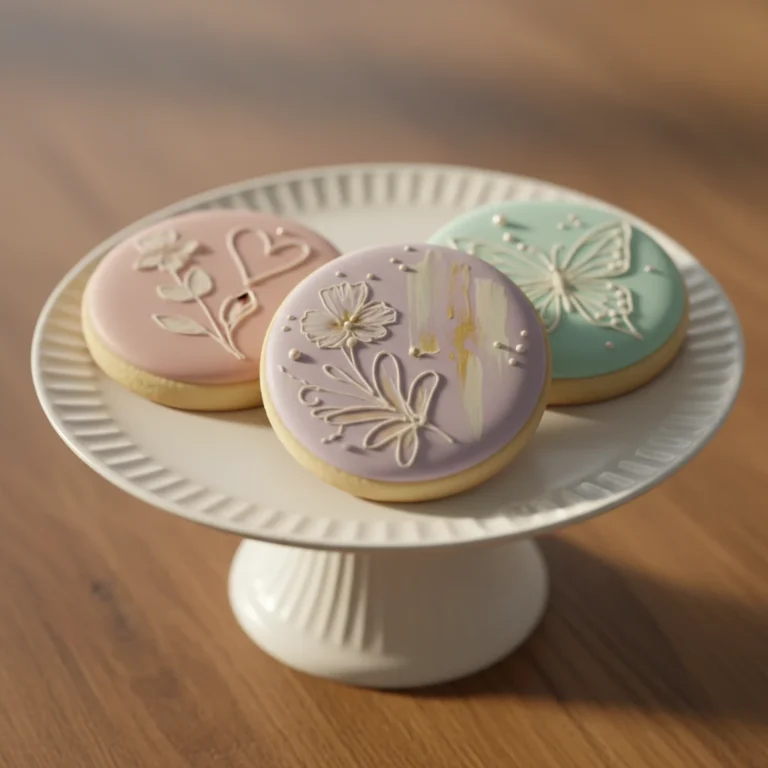
Mother’s Day cookies are a timeless, heartfelt treat that celebrate the special women in our lives. These tender, buttery sugar cookies feature a delicate crumb and subtle vanilla flavor that pairs beautifully with frosting, sprinkles, or simple royal icing. Perfect for gift-giving or enjoying with a cup of tea, these classic cookies are simple enough for beginners yet elegant enough to impress. Whether you shape them into flowers, hearts, or any festive design, homemade Mother’s Day cookies deliver warmth, love, and delicious flavor in every bite.
Reasons to Try Mother’s Day Cookies
These Mother’s Day cookies are a celebration in cookie form. Here’s why they’re worth making:
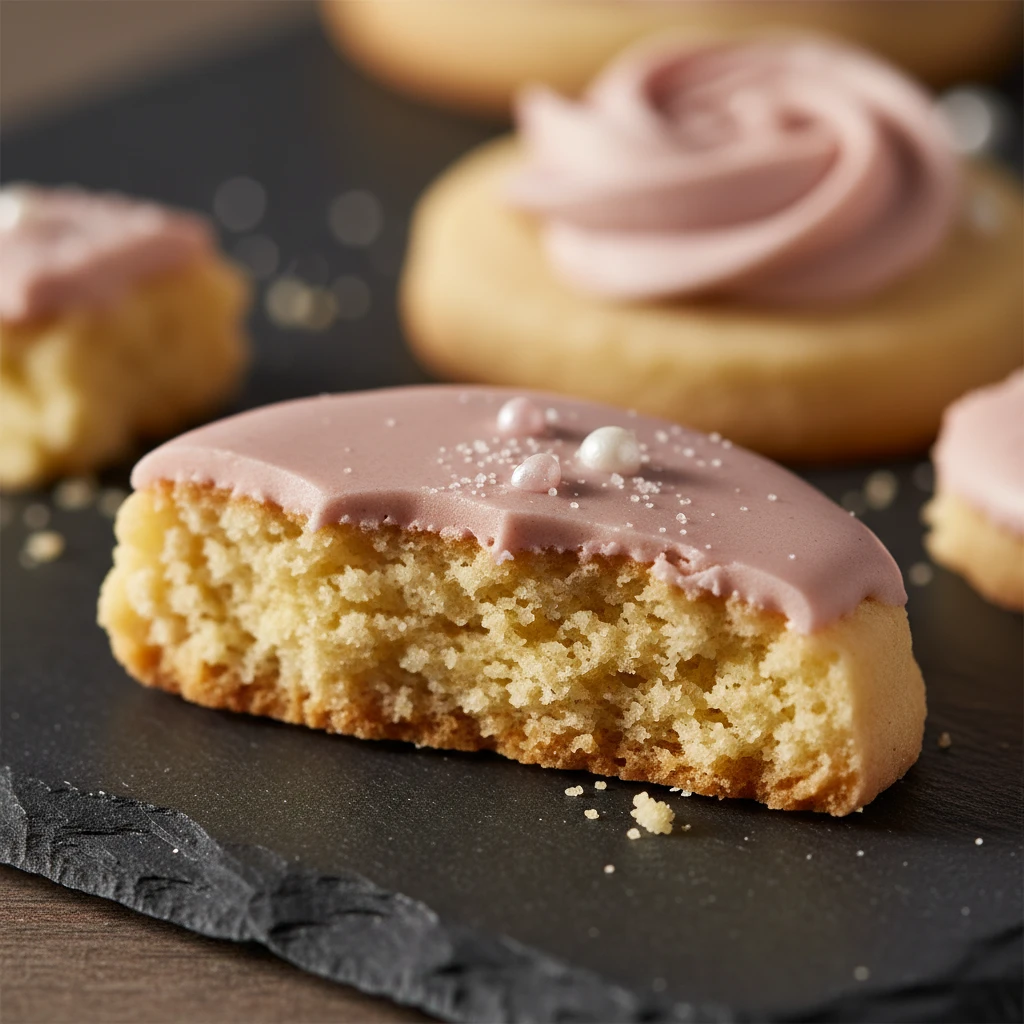
- Tender & Buttery: With a high butter-to-flour ratio, these cookies deliver a melt-in-your-mouth texture that’s never dry or crumbly.
- Perfect for Decorating: The dough rolls out smoothly and holds shape beautifully, making it ideal for cut-out designs, piping, or royal icing applications.
- Subtle Vanilla Flavor: The delicate vanilla notes let frosting and toppings shine without competing flavors.
- Gift-Ready: Homemade cookies packaged thoughtfully make an memorable, personal gift for any mom or mother figure.
- Simple Ingredients: No fancy techniques or hard-to-find items—just pantry staples that create restaurant-quality results.
- Freezer-Friendly: Prepare the dough ahead and bake fresh when you’re ready, perfect for last-minute celebrations.
 Save
SaveIngredients Notes
- Unsalted butter, softened
- Granulated white sugar
- Large egg
- Vanilla extract
- Salt
- All-purpose flour, sifted
How to Make Mother’s Day Cookies
- Cream the softened butter and sugar together using an electric mixer until smooth, light, and fluffy (about 3 minutes).
- Beat in the egg and vanilla extract until fully combined.
- Gradually add the sifted flour and salt on low speed, mixing until just combined—do not overmix.
- Divide dough in half, wrap each portion in plastic wrap, and chill for 3 to 4 hours or overnight.
- Preheat oven to 350°F. On a lightly floured surface, roll chilled dough to 1/4 inch thickness and cut into desired shapes.
- Place cut cookies 1 inch apart on parchment-lined baking sheets and bake for 6–8 minutes until lightly golden.
- Cool cookies on the baking sheet for 5 minutes, then transfer to a wire rack to cool completely before decorating or icing.
What You Must Know About Mother’s Day Cookies
These cookies require patience and attention to detail for perfect results. Here are critical tips before you begin:
- Use Room-Temperature Butter: Cold butter won’t cream properly, and you’ll end up with a dense, dense cookie. Take butter out 30–60 minutes before mixing, or cut it into small pieces and let them soften faster.
- Don’t Overmix the Dough: Once you add the flour, mix on low speed until just combined. Overmixing develops gluten, making cookies tough instead of tender. Stop as soon as no white flour streaks are visible.
- Chill Is Non-Negotiable: Chilling prevents cookies from spreading too much and ensures clean, defined shapes. Overnight chilling produces the best results and develops deeper vanilla flavor.
- Roll to Even Thickness: Uneven thickness means some cookies will overbake while others underbake. Use a thickness guide, ruler, or invest in adjustable rolling pins that lock at 1/4 inch.
- Accurate Oven Temperature: Most home ovens run hot or cold. Invest in an inexpensive oven thermometer to ensure you’re actually baking at 350°F. Cookies bake quickly, and 25°F difference matters.
- Bake Until Just Golden: These cookies continue cooking on the hot baking sheet after removal. Pull them out when edges are light golden and centers look almost pale—they’ll firm up perfectly as they cool.
Helpful Tips
- Make-Ahead Magic: Prepare dough up to 3 days in advance. Wrap portions tightly in plastic wrap and refrigerate. You can also freeze dough for up to 3 months—thaw overnight in the fridge before rolling.
- Batch Decorating: Bake all cookies first, then decorate in an assembly-line style. Set up frosting stations and let icing dry between coats for professional-looking results.
- Prevent Sticking: Dust your work surface and cutters lightly with flour—not too much, or cookies become tough. A silicone baking mat helps prevent sticking without excess flour.
- Uniform Size = Even Baking: Use the same cookie cutter for all cookies so they bake at the same rate. Larger cookies need extra 1–2 minutes; tiny cookies may finish in 5 minutes.
- Flavor Boost: Use high-quality vanilla extract for more pronounced vanilla flavor. If you have it, a tiny pinch of almond extract adds subtle elegance.
Variations and Substitutions
- Brown Butter Elegance: Replace regular softened butter with brown butter (melted, cooled slightly, and chilled back to soft stage). This adds a subtle nutty, toasty flavor perfect for sophisticated Mother’s Day treats.
- Citrus Twist: Add 1 tablespoon of lemon or orange zest to the creamed butter and sugar, and reduce vanilla to 1/2 teaspoon. This brightens the flavor beautifully.
- Almond or Rose Water: Replace vanilla extract with 1/2 teaspoon almond extract or 1/4 teaspoon rose water for a floral or nutty variation.
- Gluten-Free Version: Substitute all-purpose flour with a 1:1 gluten-free baking blend. The texture may be slightly more delicate, so handle cookies gently after baking.
- Extra-Tender Shortbread Style: Add 2 tablespoons of cornstarch to the flour for an even more tender, melt-in-your-mouth texture.
- Embellished with Mix-Ins: Before chilling, fold in 1/2 cup of finely chopped pistachios, lavender buds, or sprinkles for added flavor and visual interest.
- Sugar-Free Option: Substitute granulated sugar with erythritol or monk fruit sweetener (use same amount by weight). Results will be slightly less golden but similarly tender.
Serving Suggestions for Mother’s Day Cookies
- Royal Icing Elegance: Frost cookies with royal icing in pastels—soft pink, lavender, cream, and mint—and add delicate hand-painted details or edible pearls for a sophisticated presentation.
- Buttercream Dreams: Pipe buttercream frosting in rose swirls or ombre gradients using a piping bag and rose tip for an Instagram-worthy display.
- Simple Dusting: For understated elegance, dust cooled cookies with powdered sugar and serve on a tiered cake stand with fresh flowers nearby.
- Tea Time Pairing: Arrange cookies on a beautiful platter and serve alongside herbal tea, coffee, or hot chocolate for a cozy brunch or afternoon tea.
- Gift Box Presentation: Layer cooled cookies between parchment paper in a decorative box, tied with ribbon. Include a handwritten note for a heartfelt, personalized gift.
- Cookie Decorating Bar: Set out cooled plain cookies, various frostings in piping bags, sprinkles, edible glitter, and toppings, then let guests decorate their own for an interactive celebration.
- Tiered Display: Arrange decorated cookies on a three-tiered stand for an elegant centerpiece at a Mother’s Day brunch or tea party.
- With Milk & Company: Serve fresh-baked cookies warm with cold milk, ice cream, or a scoop of sorbet for a playful contrast of temperatures.
 Save
SaveStorage and Reheating
- Room Temperature Storage: Place cooled, undecorated cookies in an airtight container with parchment paper between layers. They’ll stay fresh for up to 5 days at room temperature. Keep decorated cookies in a single layer or separated by parchment to prevent frosting smudging.
- Refrigerator Storage: Store in an airtight container for up to 7 days. Cookies may soften slightly in humid conditions, so add a silica packet to absorb moisture if needed.
- Freezer Storage: Undecorated cookies freeze beautifully for up to 3 months. Layer them between parchment paper in a freezer-safe container. Thaw at room temperature for 30 minutes before serving. Decorated cookies can be frozen for up to 1 month but may show slight frosting cracks upon thawing.
- Dough Storage: Wrapped dough keeps refrigerated for up to 3 days or frozen for up to 3 months. Thaw frozen dough overnight in the fridge before rolling and baking.
- Reheating (Optional): If cookies have become slightly hard after several days, place them on a baking sheet and warm in a 300°F oven for 3–5 minutes to restore softness. Cool completely before serving.
- Humidity Tip: In humid climates, store cookies with a silica gel packet or small piece of bread (replace bread daily) to maintain crispness.
Frequently Asked Questions About Mother’s Day Cookies
Can I make Mother’s Day cookies without an electric mixer?
Yes, though it will require more elbow grease. Use a wooden spoon and vigorously cream the butter and sugar together for 5–7 minutes until light and fluffy. The mixture should be pale and about doubled in volume. Whisk egg and vanilla by hand, then fold in flour gently using a spatula to avoid overdeveloping gluten. The hand-mixed version may be slightly denser, but the results are still delicious.
What if I don’t have time to chill the dough overnight?
While overnight chilling is ideal, a minimum of 3–4 hours is necessary to firm the dough enough for rolling and cutting. If you’re extremely short on time, chill in the freezer for 1–1.5 hours, checking frequently so it doesn’t become rock-hard. For future batches, prepare dough the night before or even 2–3 days ahead.
How do I prevent my cookies from spreading during baking?
Spreading happens when dough is too warm or your oven temperature is inaccurate. Ensure dough is thoroughly chilled before rolling and cutting. Use an oven thermometer to verify your oven reaches 350°F accurately. Bake cookies on a cool baking sheet (not straight from the oven) and give them 1 inch of space on all sides. If spreading still occurs, reduce oven temperature by 25°F and add 1–2 minutes to baking time.
Can I use salted butter instead of unsalted?
Technically yes, but unsalted butter gives you better control over salt content. If using salted butter, reduce the salt in the recipe from 1/2 teaspoon to 1/4 teaspoon to avoid overly salty cookies. Unsalted butter is recommended for more consistent results and the ability to adjust seasoning precisely.
What’s the best way to decorate Mother’s Day cookies?
Royal icing creates crisp, professional-looking designs and dries hard—perfect for layering details and intricate patterns. Buttercream is easier to apply and offers smooth, creamy finishes ideal for piping roses or swirls. Fondant provides a polished, smooth appearance but requires a learning curve. For a simpler approach, dust with powdered sugar, add sprinkles, or drizzle melted white chocolate. Let frosting dry fully before stacking or packaging.
Why did my cookies turn out cake-like instead of tender?
Overbaking or overmixing the dough are common culprits. Ensure you stop mixing flour as soon as no white streaks remain—overmixing develops gluten and toughens cookies. Bake only until edges are light golden; cookies continue cooking on the hot baking sheet. If your oven runs hot, reduce temperature by 25°F. Also, ensure you creamed butter and sugar for the full 3 minutes for maximum airiness.
Can I substitute vanilla extract with something else?
Absolutely. Try almond extract (use 1/2 teaspoon), lemon or orange zest (1 tablespoon), or rose water (1/4 teaspoon) for different flavor profiles. You can also use a combination—for example, 1/2 teaspoon vanilla plus 1 tablespoon citrus zest adds complexity. Experiment based on your preference and what pairs well with your frosting choice.
Nutrition Facts (Per Serving)
| Nutrient | Amount per Serving |
|---|---|
| Calories | 145 |
| Total Fat | 8g |
| Saturated Fat | 5g |
| Carbohydrates | 18g |
| Sugar | 8g |
| Fiber | 0g |
| Protein | 2g |
| Sodium | 95mg |
| Values are estimates and may vary based on exact ingredients and portion sizes. | |

Mother's Day Cookies
Ingredients
- 1 cup 225g unsalted butter, softened
- 2/3 cup 130g granulated white sugar
- 1 large egg
- 1 tsp vanilla extract
- 1/2 tsp salt
- 2-1/2 cups 315g all-purpose flour, sifted
Instructions
- Prep your workspace: Line two large baking sheets with parchment paper and set aside. You'll need these ready before baking.
- Soften the butter: Let unsalted butter sit at room temperature for 30–60 minutes. It should be soft enough to easily press with your finger but still hold its shape.
- Cream butter and sugar: Add softened butter and granulated white sugar to a large mixing bowl. Using an electric mixer on medium speed, beat for 3 minutes until the mixture is pale, fluffy, and doubled in volume. You'll see light streaks throughout and the texture will be airy.
- Add egg and vanilla: Crack the large egg into the bowl and add vanilla extract. Beat on medium speed for 1–2 minutes until fully incorporated and the mixture is smooth. The bowl should smell fragrant and vanilla-forward.
- Combine dry ingredients: In a separate bowl, sift together all-purpose flour and salt (sifting removes lumps and aerates the flour). Gradually add this flour mixture to the wet ingredients while mixing on low speed. Stop as soon as no white streaks of flour remain—this takes about 1–2 minutes. Checkpoint: You are ready to move on when the dough just comes together with no dry pockets of flour visible.
- Chill the dough: Divide dough in half and wrap each portion tightly in plastic wrap. Refrigerate for 3 to 4 hours or overnight until firm. (If you're short on time, 2 hours works, but overnight chilling gives the best results.) The dough should be cold and firm enough to handle without sticking.
- Preheat the oven: About 15–20 minutes before baking, preheat your oven to 350°F. Position your racks in the upper-middle and lower-middle positions so both baking sheets can fit comfortably.
- Roll the dough: Remove one portion of chilled dough from the refrigerator. Lightly dust your work surface and a rolling pin with flour to prevent sticking. Gently roll dough to 1/4 inch thickness (about the thickness of a pencil). If dough cracks at the edges, let it warm up for 2–3 minutes. Checkpoint: You are ready to move on when your dough is even, 1/4 inch thick, and holds its shape when lifted.
- Cut cookies: Using your favorite cookie cutters (flowers, hearts, or any shape), press firmly into the rolled dough and lift out each shape. Place cut cookies 1 inch apart on your prepared parchment-lined baking sheets. Re-roll scraps gently and cut additional cookies.
- Bake: Place baking sheets on preheated 350°F oven racks. Bake for 6–8 minutes until edges are very lightly golden but centers still look pale. The cookies should not be dark brown—they'll continue cooking slightly as they cool. The baking time varies depending on your oven and cookie size; start checking at 6 minutes.
- First cooling phase: Remove cookies from the oven and let them rest on the hot baking sheet for exactly 5 minutes. During this time they'll firm up and be easier to move without breaking.
- Complete cooling: After 5 minutes, carefully transfer cookies to a wire cooling rack using a thin spatula. Let them cool completely at room temperature for 15–30 minutes until they're firm and no longer warm to the touch. Checkpoint: Cookies are ready to decorate when they are completely cool and feel sturdy when gently pressed.
- Optional decorating: Once cooled completely, frost with royal icing, buttercream, or fondant. Add sprinkles, edible glitter, or hand-painted designs as desired.