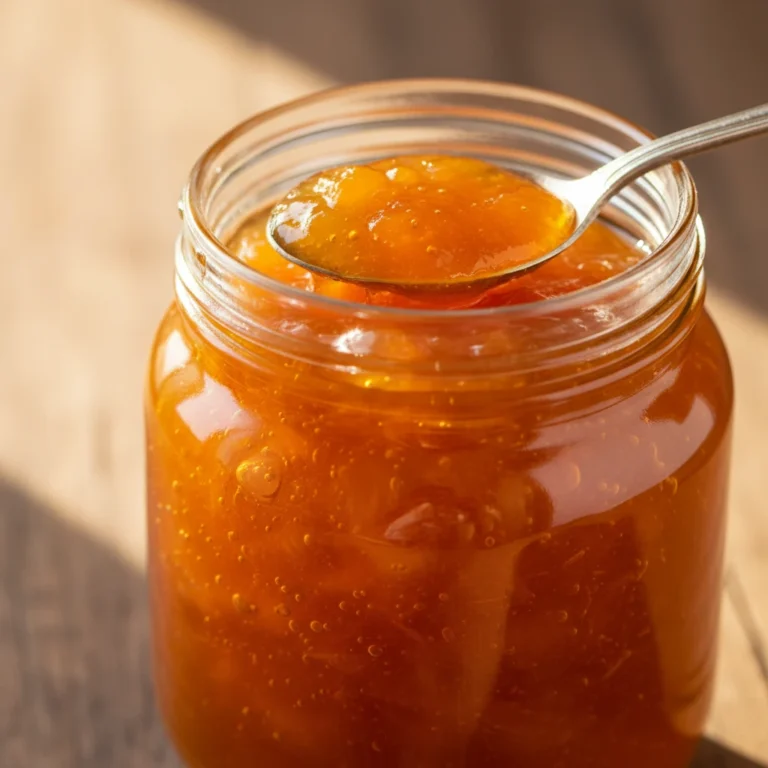
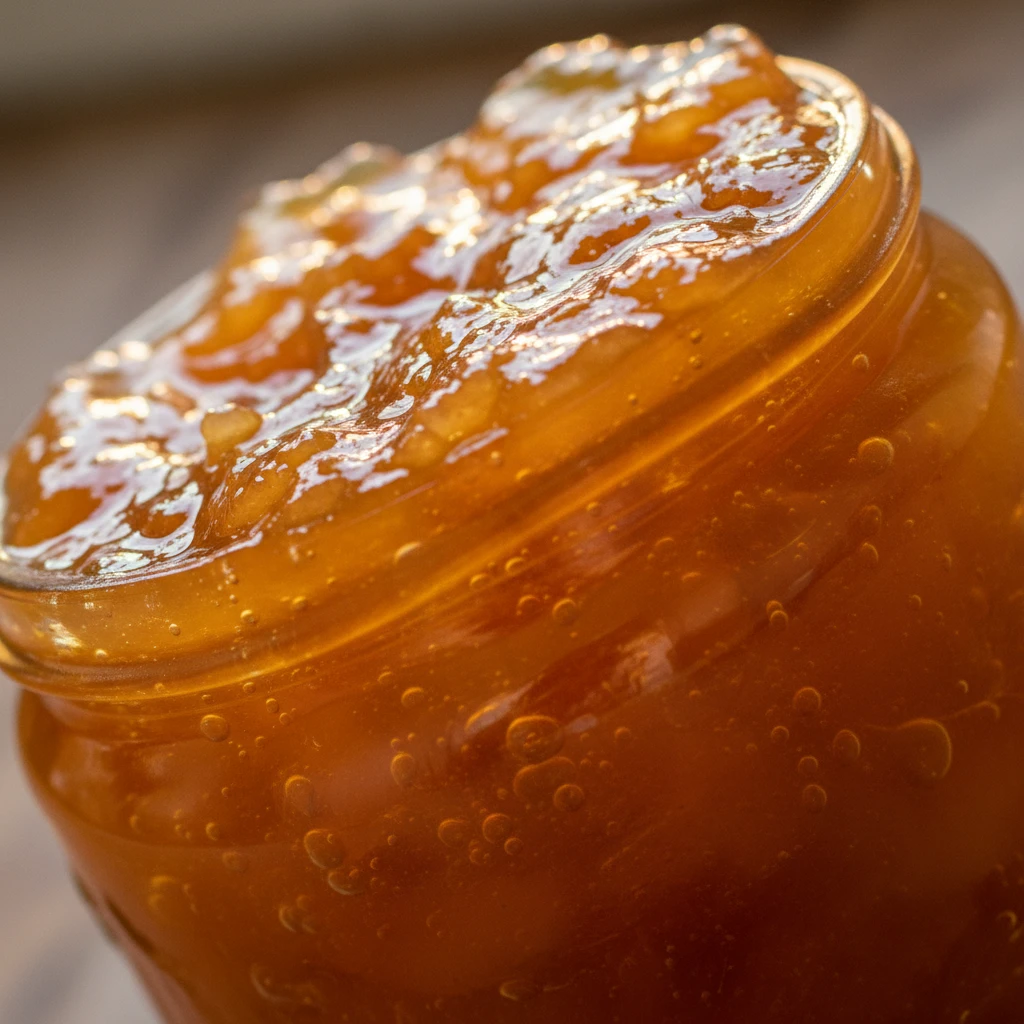
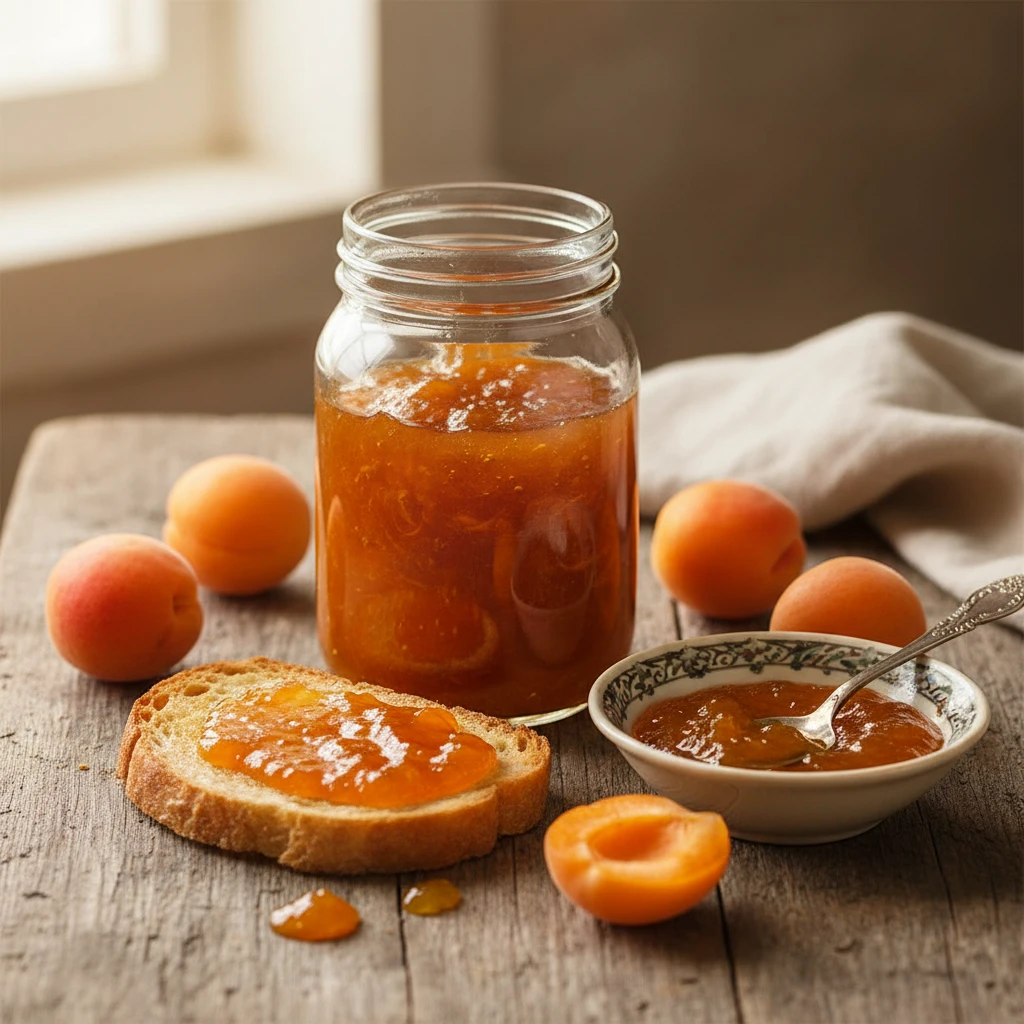
There’s nothing quite like homemade apricot jam — vibrant, fruity, and bursting with natural sweetness that no store-bought version can match. This classic recipe transforms fresh apricots into silky, jewel-toned preserve that’s perfect for spreading on toast, swirling into yogurt, or using as a filling for pastries. With just three simple ingredients and straightforward techniques, you can make restaurant-quality jam in your own kitchen. Whether you’re a first-time jam maker or a seasoned canner, this foolproof method delivers consistently delicious results every time.
Reasons to Try Apricot Jam
Homemade apricot jam is a revelation compared to commercial versions. Here’s why you should make it:
- Pure, Natural Flavor: Made with just apricots, sugar, and lemon juice — no artificial flavors, pectin, or mystery ingredients. The bright, fresh apricot taste shines through beautifully.
- Customizable Texture: Control how thick or chunky your jam is by adjusting cooking time and how much you mash the fruit. Prefer it smooth? Blend it. Love texture? Leave some pieces whole.
- Cost-Effective: When apricots are in season, this is an incredibly affordable way to preserve their flavor. A few pounds of fresh fruit yields multiple jars of jam.
- No Special Equipment Needed: Unlike many preserves, you don’t need fancy tools — just a large pot, a spoon, and some jars. Both fridge and shelf-stable versions are possible.
- Versatile and Long-Lasting: Use it immediately or process it for pantry storage. Perfect for gifts, breakfast spreads, dessert fillings, or glazing meats.
- Deeply Satisfying: There’s genuine pride in making jam from scratch. Your kitchen will smell absolutely wonderful as it cooks.
 Save
SaveIngredients Notes
- Fresh apricots — Choose ripe, fragrant apricots that yield slightly to pressure. They should have good color and smell sweet. Underripe fruit may not set properly; overripe fruit may taste less flavorful.
- Granulated sugar — The sugar preserves the jam and helps it set. Don’t skip it or reduce it significantly, as both functions are essential.
- Lemon juice — This brightens the flavor and adds acidity, which helps the jam set. Freshly squeezed juice works best, but bottled is acceptable.
How to Make Apricot Jam
- Wash and halve the apricots, then remove the pits. Optionally peel the skins for smoother jam, or leave them on for rustic texture.
- In a large, heavy-bottomed pot, combine the apricots, sugar, and lemon juice.
- Let the mixture sit for 30 minutes to an hour to release juices (optional but recommended).
- Place the pot over medium-high heat and bring the mixture to a boil, stirring frequently to dissolve sugar and prevent scorching.
- Reduce heat slightly to maintain a steady simmer. Cook for 25–30 minutes, crushing the softened apricots with a potato masher or wooden spoon to your desired consistency.
- Test the set using the cold plate method: place a spoonful on a chilled plate, freeze for one minute, then push with your finger. If it wrinkles, it’s ready.
- Remove from heat and skim off any foam from the surface.
- For fridge jam: ladle into clean jars, cool to room temperature, and refrigerate up to 3 weeks. For shelf-stable jam: ladle into sterilized jars leaving ¼ inch headspace and process in a boiling water bath for 10 minutes.
What You Must Know About Apricot Jam
Quality of fruit matters: Ripe, fragrant apricots produce the best jam. If your apricots are underripe or have little aroma, the final jam will taste flat. Check the farmer’s market at peak season (usually June–August) for the freshest, most flavorful fruit.
The set test is essential: Don’t rely on cooking time alone. Every stove, pot, and batch of fruit is different. The cold plate wrinkle test is your safest indicator of proper gel formation. Skip it at your own risk.
Pectin is optional: This recipe relies on the natural pectin in apricots to set. Apricots have moderate pectin, so the recipe works well without added pectin. However, if your jam remains runny after testing, whisk in 1–2 tablespoons of powdered pectin (dissolved in water per package directions) and simmer another 5 minutes.
Lemon juice isn’t just flavor: The acid in lemon juice helps the jam set and prevents crystallization of sugar. Don’t omit it.
Altitude affects canning: If you live above 1,000 feet elevation and plan to can this jam, adjust your processing time. Add 1 minute to the 10-minute base time for every 1,000 feet above sea level. Consult the USDA canning guidelines for your exact altitude.
Sterilization matters for long-term storage: If you’re canning (processing in a water bath), sterilized jars are non-negotiable for food safety. Run jars through a hot dishwasher or boil them for 10 minutes before filling.
Helpful Tips
- Make a double batch: If you’re already cooking jam, double the recipe. The cooking time stays roughly the same, and you’ll have more jam to enjoy or gift.
- Use a candy thermometer: Once you’re confident with the visual wrinkle test, you can supplement it by checking that the jam reaches 220°F (104°C) — the gel stage. This helps streamline the process.
- Cool jars on a rack: Allow air to circulate under cooling jars. If they sit directly on a countertop, the bottom may cool too slowly, affecting sealing.
- Label your jars: Write the date and flavor on the lids or sides. Jam keeps well, but you’ll want to know when you made it.
- Save the liquid: If your jam separates slightly in storage (a thin layer of syrup on top), this is normal and harmless — just stir it back in before serving.
Variations and Substitutions
- Vanilla Apricot Jam: Add 1 teaspoon of vanilla extract or the seeds from ½ vanilla bean to the pot during the final minute of cooking. Stir well before jarring.
- Almond or Amaretto Jam: Stir in ½ teaspoon of almond extract or 2 tablespoons of amaretto liqueur just before removing from heat. The almond flavor complements apricots beautifully.
- Spiced Apricot Jam: Add ¼ teaspoon of ground cinnamon, ⅛ teaspoon of ground cloves, and a tiny pinch of nutmeg during the simmer. Taste and adjust to your preference.
- Ginger Apricot Jam: Add 1 tablespoon of fresh ginger, minced very fine, or 1 teaspoon of ground ginger to the pot with the fruit. Fresh ginger adds brightness; ground ginger offers deeper warmth.
- Low-Sugar Apricot Jam: Reduce sugar to 3 cups and add 1–2 tablespoons of powdered pectin (dissolved per package directions) to ensure proper setting. The flavor will be slightly less sweet but still delicious.
- Apricot-Raspberry Jam: Replace 1 pound of apricots with 1 pound of fresh raspberries. Raspberries are high in pectin, so this blend sets beautifully and adds floral notes.
- Apricot-Peach Jam: Replace 1 pound of apricots with 1 pound of fresh peaches, pitted and halved. The peach adds subtle sweetness and body.
- No-Cook Jam (Quick Version): If you want to skip stovetop cooking, blend 2 pounds of fresh apricots (pitted) with 2 cups of sugar and 2 tablespoons of lemon juice in a food processor until smooth. Stir in 2 tablespoons of powdered pectin and let sit at room temperature for 24 hours to thicken. This yields a softer spread; refrigerate immediately and use within 3 weeks.
Serving Suggestions for Apricot Jam
- Classic Breakfast Spread: Spread on warm buttered toast, croissants, or English muffins. The jam’s warmth will make it glossy and spreadable.
- Yogurt Parfait: Layer Greek yogurt, granola, and apricot jam in a glass. Drizzle with honey and top with crushed pistachios or sliced almonds for a sophisticated breakfast or dessert.
- Pastry Filling: Use as a filling for thumbprint cookies, tarts, or hand pies. Spoon it into pastry shells before or after baking (depending on your recipe) for vibrant, fruity results.
- Cheese Board Companion: Serve alongside aged cheddar, manchego, or brie for an unexpected sweet-savory contrast. The jam’s acidity cuts through rich cheese beautifully.
- Glazed Ham or Pork: Warm the jam with a splash of balsamic vinegar and brush it over roasted pork chops or glazed ham during the last few minutes of cooking. The glaze will caramelize and add shine and flavor.
- Dessert Sauce: Thin the jam with 1–2 tablespoons of water to create a pourable sauce. Drizzle over vanilla ice cream, panna cotta, or cheesecake.
- Tea-Time Treat: Serve with fresh cream (clotted cream if you can find it) and scones for an elevated afternoon tea experience.
- Swirl into Cake Batter: Fold a few spoonfuls of jam into pound cake or bundt cake batter for pockets of fruity sweetness.
 Save
SaveStorage and Reheating
Refrigerator Storage (Fridge Jam): If you’re not canning your jam, store it in clean glass jars in the refrigerator. Fridge jam keeps for up to 3 weeks. Make sure to use a clean spoon every time you scoop jam to avoid introducing bacteria. Once opened, keep the jar refrigerated and covered.
Pantry Storage (Canned Jam): If you’ve processed your jam in a boiling water bath and the lids have sealed properly (they should not flex when pressed), store the jars in a cool, dark pantry away from direct sunlight. Properly canned apricot jam keeps for up to 1 year. Once opened, move the jar to the refrigerator and use within 3 weeks.
Freezer Storage: You can also freeze jam in freezer-safe containers or ice-cube trays for up to 1 year. Freeze in portion-sized amounts for easy thawing. Thaw in the refrigerator overnight before using.
Reheating (if needed): Jam doesn’t typically require reheating, but if it’s been refrigerated and seems too thick, gently warm it in a saucepan over low heat, stirring occasionally, until it reaches your desired consistency. You can also microwave individual portions in a small bowl for 10–20 seconds.
Frequently Asked Questions about Apricot Jam
Can I use frozen apricots to make jam?
Yes, frozen apricots work well for jam. Thaw them completely and drain excess liquid before cooking. Because frozen fruit may have released some juice, your cooking time might be slightly shorter. Proceed with the recipe as written and rely on the cold plate wrinkle test to determine doneness.
What if my apricot jam is too runny after processing?
If your jam remains runny even after the cold plate test indicates it should be set, a few things may have happened: your apricots were very watery, you didn’t cook long enough, or the temperature didn’t reach the gel stage. You can re-cook the jam: open the jars, pour the jam back into the pot, add 1–2 tablespoons of lemon juice, and simmer for another 5–10 minutes. Re-test, then jar and process again.
Do I have to peel the apricots?
No. The skins soften beautifully during cooking and add fiber and rustic texture. Peeling is entirely optional and a matter of personal preference. If you prefer a silky-smooth jam, peel them; for a more textured, homemade look, leave skins on.
Can I make this recipe with less sugar?
Sugar serves two purposes: sweetness and preservation. You can reduce it to 3 cups, but the jam won’t set as well and won’t store as long. Add 1–2 tablespoons of powdered pectin (prepared per package directions) to ensure proper gel formation. Note that the flavor will be noticeably less sweet.
How do I know if my canned jam has sealed properly?
After the jars cool completely (4–24 hours), press the center of each lid. If it’s flat and doesn’t flex or pop back up, the jar is sealed. If the lid flexes or pops, the jar didn’t seal. Move unsealed jars to the refrigerator and use the jam within 3 weeks, or reprocess: reheat the jam, transfer it to a new sterilized jar with a new lid, and process again for 10 minutes.
Can I use a slow cooker or Instant Pot to make this jam?
Yes, you can make jam in a slow cooker: combine all ingredients, cook on high for 3–4 hours (uncovered), stirring occasionally, until it reaches the gel stage. Instant Pot cooking is less ideal because the high-pressure environment doesn’t allow for proper evaporation, which is essential for setting. Stick with stovetop or slow cooker methods.
What’s the difference between jam, jelly, and preserves?
Jam contains crushed or mashed fruit pieces suspended in a gel (like this recipe). Jelly is clear and smooth with no fruit pieces (strained). Preserves contain larger, whole or half fruit pieces in a thick syrup. This recipe produces jam—you control the texture by how much you mash the apricots.
Nutrition Facts (Per Serving)
| Nutrient | Amount per 1 tablespoon (20g) |
|---|---|
| Calories | 52 |
| Total Fat | 0g |
| Saturated Fat | 0g |
| Carbohydrates | 13g |
| Sugars | 12g |
| Fiber | 0.3g |
| Protein | 0.1g |
| Sodium | 1mg |
| Disclaimer | Values are estimates and may vary based on exact ingredients and portion sizes. |
Apricot Jam Recipe
Ingredients
- 4 pounds fresh apricots pitted and halved
- 4 cups granulated sugar
- ¼ cup lemon juice
Instructions
- Prepare the apricots: Wash 4 pounds of fresh apricots under cool water. Cut each apricot in half lengthwise and remove the pit by twisting gently or using a small knife. You can peel the skins off using a vegetable peeler or blanch-and-ice-bath method if you prefer smooth jam, or leave them on for rustic texture. (Prep time: 20–30 minutes.)
- Combine ingredients: Place a large, heavy-bottomed pot (at least 8-quart capacity) on your counter. Add the 4 pounds of halved apricots, 4 cups of granulated sugar, and ¼ cup of fresh lemon juice into the pot. Stir gently to combine. (Combine time: 5 minutes.)
- Optional maceration: Let the mixture sit at room temperature for 30 minutes to 1 hour. The sugar will draw out the apricot juices, creating a syrup base. This step improves texture but is optional if you're short on time. (Wait time: 30–60 minutes.)
- Heat to boiling: Place the pot over medium-high heat. Stir frequently, every 2–3 minutes, scraping the bottom and sides to ensure sugar dissolves evenly and doesn't scorch. Watch for steam rising and the mixture to bubble at the edges first. Continue stirring for 8–12 minutes until the entire mixture reaches a rolling boil. Checkpoint: The mixture should bubble vigorously across the entire surface when you stir.
- Simmer and thicken: Once boiling, reduce the heat to medium or medium-low to maintain a steady, gentle boil. The jam should bubble actively but not violently splash. Stir occasionally (every 2–3 minutes) and use a potato masher or sturdy wooden spoon to crush the softening apricots against the side of the pot. Aim for a chunky texture initially; you can always mash more if desired. Cook for 25–30 minutes total. The mixture will darken from bright orange to deep amber and thicken noticeably. Checkpoint: The jam should slow down when you draw a spoon through it, leaving a brief trail before closing.
- Perform the set test: After 25 minutes, remove the pot from heat. Place a small clean saucer or plate in the freezer for 1 minute. Spoon about ½ teaspoon of hot jam onto the chilled plate. Return it to the freezer for exactly 1 minute. Remove and gently push the jam with your finger. If it wrinkles and doesn't immediately flow back together, the jam has reached the gel stage and is ready. If it's still too runny, return the pot to the heat, simmer for another 2–3 minutes, and test again. Checkpoint: Jam should wrinkle when pushed and hold its shape on the cold plate.
- Skim the foam: Remove the pot from heat. Using a clean spoon or skimmer, gently remove any white or tan foam that has collected on the jam's surface. This foam is harmless but skimming it creates a clearer, more polished final product. (Skimming time: 2–3 minutes.)
- Prepare jars (for fridge storage): For jam you'll refrigerate, use clean glass jars (no need for sterilization). Carefully ladle the hot jam into jars, leaving about ¼ inch of headspace at the top. Wipe the rims clean with a damp cloth. Place lids on top but do not tighten sealed. Let the jars cool to room temperature on the counter (about 2–3 hours), then refrigerate. Checkpoint: Jars should be filled but not overflowing, with ¼ inch clear space below the rim.
- Prepare jars (for shelf-stable canning): If you want to process the jam for long-term pantry storage, use sterilized mason jars. Sterilize by running them through a hot dishwasher cycle or boiling them in water for 10 minutes before use. While the jam finishes cooking, fill a large pot with water and bring it to a rolling boil. Carefully ladle hot jam into hot, sterilized jars, leaving exactly ¼ inch headspace. Wipe rims with a clean, damp cloth to remove any jam residue. Place sterilized lids on jars and screw bands finger-tight (snug but not forced). (Jar prep time: 10–15 minutes.)
- Process in water bath (canning only): Using a jar lifter, carefully lower each filled jar into the pot of boiling water, ensuring jars are covered by at least 1 inch of water. Return the water to a rolling boil, then maintain the boil for 10 minutes (standard processing time at sea level; add 1 minute for every 1,000 feet above sea level). Checkpoint: Water should boil vigorously; jars should not tip or touch the pot bottom.
- Cool and store: Using a jar lifter, carefully remove jars from the boiling water bath and place them upright on a clean towel or rack. Do not move or tilt them. Leave them undisturbed as they cool to room temperature (4–24 hours). You may hear a popping sound as lids seal — this is normal and good. Once cool, check that lids have sealed by pressing the center; sealed lids should not flex. Store sealed jars in a cool, dark pantry for up to 1 year. Refrigerate any jars that don't seal within 24 hours and use within 3 weeks. For fridge jam (non-canned), simply refrigerate cooled jars for up to 3 weeks. (Cooling time: several hours to overnight.)