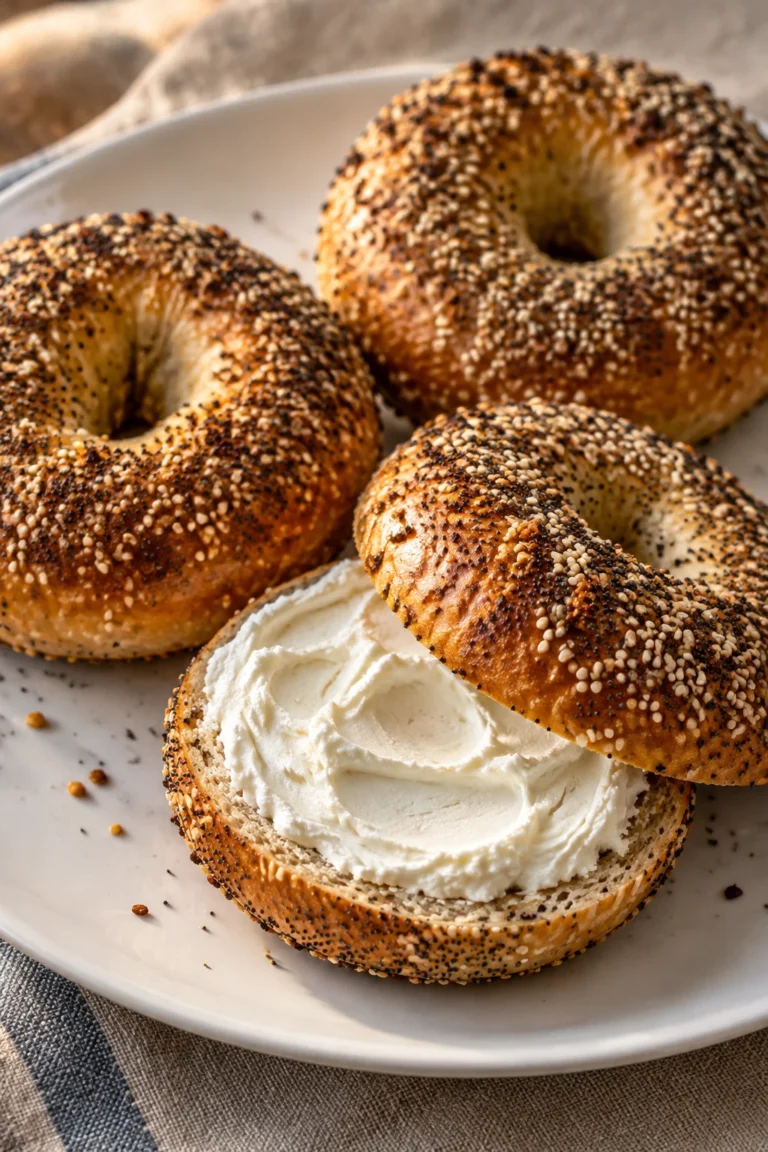
There is something deeply satisfying about pulling a batch of freshly baked sourdough bagels from your oven — golden, glossy, and smelling absolutely incredible. These bagels deliver everything you love about a classic New York-style bagel: a chewy, dense crumb, a beautifully blistered crust, and that subtle tang that only a naturally leavened dough can provide. Whether you top them with everything seasoning, sesame seeds, or enjoy them plain, this recipe walks you through every step of the process from starter prep to the final golden bake.
Reasons to Try Sourdough Bagels
If you have never made bagels from scratch before, this recipe will completely change the way you think about this iconic breakfast staple. Here is why it is worth every minute of effort:
- Unbeatable Chew: The combination of high-protein bread flour and a low-hydration dough creates that signature dense, satisfying chew that store-bought bagels simply cannot replicate.
- Complex Sourdough Flavor: Using an active sourdough starter instead of commercial yeast adds a mild, pleasantly tangy depth of flavor that develops beautifully during the overnight cold retard.
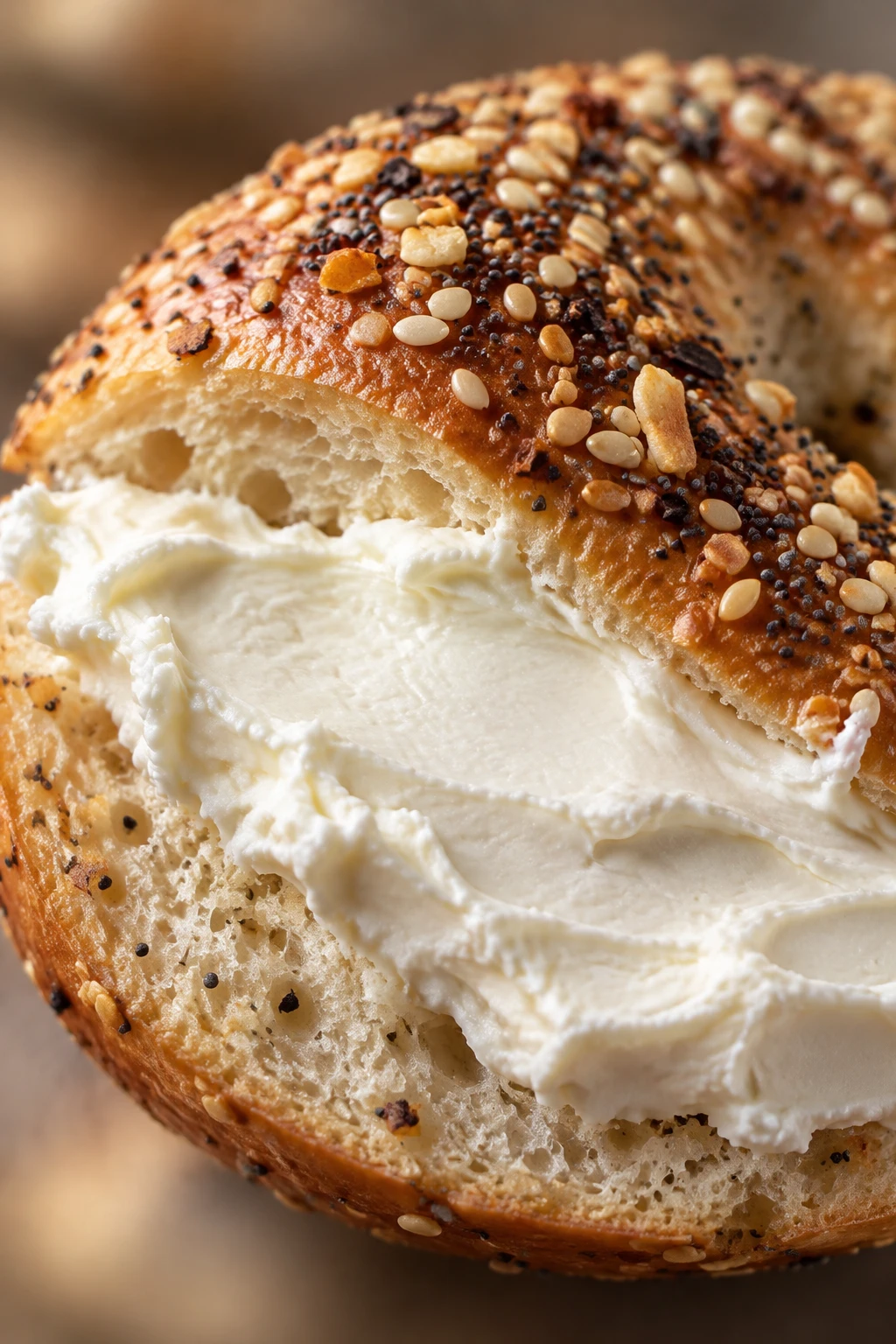
- The Boiling Step is a standout: Boiling bagels before baking gelatinizes the outer crust, giving you that authentic chewy exterior with a shiny finish — a step that truly sets these apart from regular bread rolls.
- Completely Customizable: From everything bagel seasoning to sesame, poppy seeds, or plain — you can top these however you like and tailor them to your taste.
- Made with Real Ingredients: No preservatives, no additives — just flour, water, salt, honey, and your starter. You know exactly what goes into every bite.
- Make-Ahead Friendly: The overnight cold retard means you can do most of the work the day before and simply boil and bake fresh in the morning.
 Save
SaveIngredients Notes
- Bread Flour (high-protein, 12–14%): This is non-negotiable. The high protein content builds the strong gluten network that gives sourdough bagels their signature chew. Do not substitute all-purpose flour.
- Active Sourdough Starter (100% hydration): Your starter must be at peak activity — doubled in size, domed, bubbly, and smelling yeasty-sweet. Using discard alone will not provide enough lift.
- Water (lukewarm, ~90°F): Keeping water temperature around 90°F helps activate the starter without killing it. The low overall hydration (55–60%) is essential for stiff, shapeable dough.
- Salt: Fine sea salt or table salt works well. It is added after the initial mix to avoid directly inhibiting the starter.
- Honey or Barley Malt Syrup (dough): Barley malt syrup is the traditional choice and lends a deeper, maltier flavor. Honey is a widely used and equally delicious substitute.
- Honey or Barley Malt Syrup (boiling water): Adding sweetener to the boiling water helps develop crust color and contributes a subtle sweetness to the exterior.
- Baking Soda (boiling water): This alkaline addition to the boiling water promotes a deeper, richer brown crust — a technique borrowed from pretzel-making.
- Sugar (dough): Some versions use sugar alongside or instead of honey in the dough for consistent sweetness and fermentation support.
- Egg White Wash: Brushed on just before baking, the egg white creates a golden, glossy sheen and helps toppings adhere beautifully.
- Everything Bagel Seasoning / Sesame / Poppy Seeds: Apply these immediately after boiling while the surface is still wet for maximum adhesion.
- Cornmeal (pan prep): A light dusting of cornmeal on your baking sheet prevents sticking and is a classic New York-style bagel technique.
How to Make Sourdough Bagels
- Feed your sourdough starter 4–8 hours before mixing and wait until it has doubled, is bubbly, and passes the float test.
- Combine the active starter, lukewarm water, and honey in a stand mixer bowl, then add the bread flour and salt and knead until the dough is smooth, stiff, and elastic.
- Bulk ferment the dough at room temperature, performing 3–4 sets of stretch-and-folds in the first two hours, until it rises 50–75%.
- Divide the dough into 12 equal pieces, shape into tight balls, and bench rest before poking a hole through each and stretching to form bagels.
- Place shaped bagels on a cornmeal-dusted, parchment-lined sheet, cover, and refrigerate overnight for a cold retard of 12–24 hours.
- Preheat the oven to 450°F, bring a large pot of water to a rolling boil with honey and baking soda, then boil bagels 2–3 at a time for 30–60 seconds per side.
- Top boiled bagels immediately, then bake 25–28 minutes until deep golden brown with an internal temperature of 210°F. Cool on a wire rack before slicing.
What You Must Know About Sourdough Bagels
Before you dive in, there are a few things that can make or break this recipe — so read these carefully:
- Your starter must be at peak — no exceptions: This is the most critical factor in the entire recipe. Using starter that is not fully active (doubled, bubbly, passing the float test) is the number one cause of dense, under-risen bagels. If your starter is sluggish, feed it twice the day before to strengthen it.
- The low hydration is intentional: Bagel dough is supposed to feel stiff and firm — almost like stiff clay. Do not be tempted to add more water. That low hydration (55–60% baker’s percentage) is exactly what creates the dense, chewy crumb.
- Never skip the boil: Boiling is what separates a bagel from a bread roll. It gelatinizes the outer layer of the dough, creating that signature chewy crust. Skipping it will give you soft, bready results that are a completely different product.
- The cold retard is your friend: The overnight refrigeration does more than just fit your schedule — it slows fermentation so the dough develops deeper flavor and improves its structure and texture before baking. Do not skip it.
- Oven temperature matters: A fully preheated 450°F oven is essential. Give your oven at least 30–45 minutes to fully saturate with heat. An under-heated oven produces pale, soft bagels that never achieve that gorgeous golden crust.
- Baking soda in the water is a pro move: Adding baking soda to the boiling water creates an alkaline environment that accelerates browning and gives the crust a beautiful deep color. Do not skip this step.
- Target 210°F internal temperature: Use an instant-read thermometer to check doneness. The crust color alone can be deceiving — hitting 210°F ensures the crumb is fully set and not gummy.
- Apply toppings the moment bagels come out of the boiling water: The wet surface is your adhesive. Once it dries, toppings will simply fall off during baking.
- Cool completely before slicing: We know it is tempting, but cutting into a hot bagel releases steam and collapses the crumb before it has had time to set. A 20–30 minute rest is essential for the best texture.
Variations and Substitutions
- Barley Malt Syrup vs. Honey: Barley malt syrup is the traditional New York bagel sweetener and gives a deeper, slightly caramel-like flavor. Honey is a perfectly delicious and widely available substitute. Brown sugar or maple syrup also work in a pinch.
- Topping Variations: Go classic with everything bagel seasoning, sesame seeds, or poppy seeds. For something different, try coarse salt and cracked black pepper, dried minced garlic, dried onion flakes, or a mix of all three.
- Cinnamon Raisin Bagels: Add 1 tsp cinnamon and 1 tbsp brown sugar to the dough, then fold in 100–150g of raisins during the final minutes of kneading. Skip the savory toppings.
- Whole Wheat Variation: Substitute up to 20–25% of the bread flour with whole wheat flour for a nuttier, more complex flavor. Note that whole wheat absorbs more water, so you may need to add a small amount of extra liquid.
- Cheesy Bagels: After boiling, press shredded cheddar, gruyère, or asiago directly onto the top of each bagel before baking. The cheese will melt into a golden, crispy crown.
- No Stand Mixer: You can mix and knead by hand — it will take 12–15 minutes of vigorous kneading to develop the gluten in this stiff dough. It is a workout, but absolutely doable.
- Egg Wash Alternatives: If you prefer a vegan option, brush with a thin layer of plant-based milk or aquafaba (the liquid from a can of chickpeas) for a similar sheen without egg.
Serving Suggestions for Sourdough Bagels
Fresh sourdough bagels are a canvas for so many incredible flavor combinations. Here are some of the best ways to enjoy them:
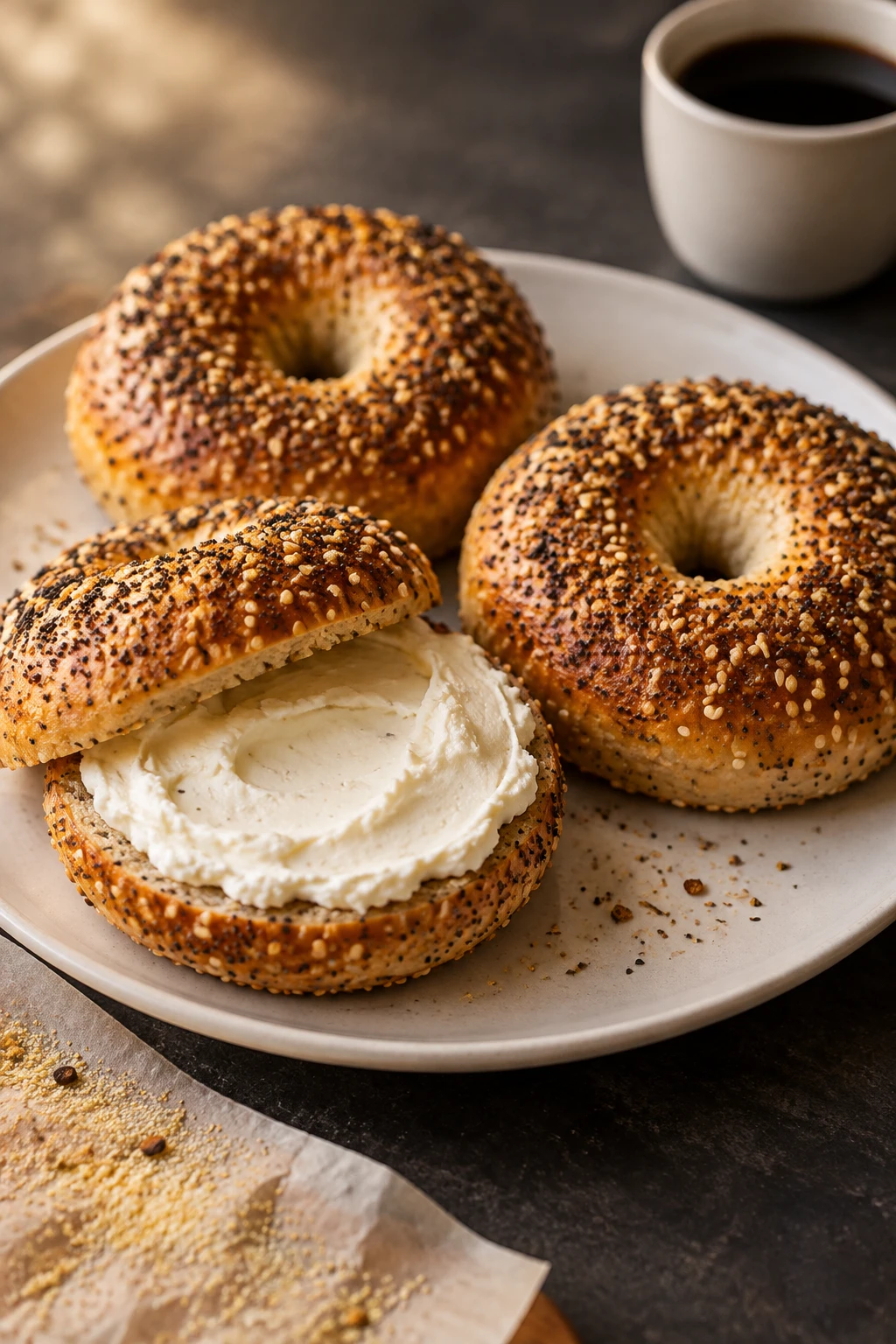
- Classic Schmear: Slice and toast your bagel, then spread generously with plain or flavored cream cheese. Chive, everything, or lox-style cream cheese are all spectacular choices.
- Lox and the Works: Layer smoked salmon, cream cheese, thinly sliced red onion, capers, and a squeeze of lemon for the ultimate New York-style bagel experience.
- Avocado Bagel: Smash ripe avocado with lemon juice and flaky sea salt, spread on a toasted bagel, and top with sliced cherry tomatoes or a poached egg.
- Breakfast Sandwich: These bagels are thick and sturdy enough to hold a fried egg, crispy bacon, and melted cheddar for a seriously satisfying breakfast or brunch sandwich.
- Butter and Jam: Sometimes simplicity wins. A warm bagel with a generous pat of good butter and a spoonful of fruit preserves is absolutely perfect.
- Serve with Soup: Plain or sesame sourdough bagels make a wonderful accompaniment to tomato soup, French onion soup, or a hearty chowder instead of dinner rolls.
- Garnish Tips: A sprinkle of fresh herbs, a drizzle of extra virgin olive oil, or a few flakes of smoked sea salt on top of your cream cheese takes a simple bagel to the next level.
 Save
SaveStorage and Reheating
Room Temperature: Once fully cooled, store bagels in an airtight bag or container at room temperature for up to 2 days. The crust will soften slightly over time, which is normal.
Freezing (Recommended for Longer Storage): Sourdough bagels freeze beautifully. Slice them before freezing for the most convenient storage. Place sliced bagels in a zip-top freezer bag, pressing out as much air as possible, and freeze for up to 3 months. You can pull individual halves straight from the freezer whenever you need them.
Refrigerating: Avoid storing bagels in the refrigerator — the cold, dry environment of a fridge tends to make bagels stale and hard faster than room temperature storage.
Reheating:
- From frozen (best method): Place the frozen bagel halves directly in the toaster or toaster oven and toast until golden and heated through, about 3–4 minutes. No thawing needed.
- Whole bagel from frozen: Wrap in aluminum foil and bake at 375°F for 15–20 minutes until warmed through. Unwrap for the last 3–4 minutes to re-crisp the crust.
- Day-old bagels: Run the cut surface briefly under cold water, then place cut-side down in a dry skillet over medium heat for 2–3 minutes, or toast in the toaster to restore some of the original texture.
Frequently Asked Questions about Sourdough Bagels
Can I use sourdough discard instead of active starter?
No — for sourdough bagels, you need a fully active, peak-fed starter. Discard alone does not have enough leavening power to properly ferment a stiff bagel dough. Make sure your starter has been fed 4–8 hours before mixing and has clearly doubled in size before you use it.
Can I bake the bagels without the overnight cold retard?
Technically yes, but the results will be noticeably different. The cold retard slows fermentation, allows deeper flavor development, and makes the dough easier to handle. If you are short on time, you can proof the shaped bagels at room temperature for 1–2 hours until slightly puffed, then bake — but expect less tang and a slightly less chewy texture.
Why do sourdough bagels need to be boiled before baking?
Boiling is the step that gives bagels their signature chewy crust and dense structure. The hot water gelatinizes the outer layer of the dough, setting the crust before it ever hits the oven. Adding honey and baking soda to the boiling water enhances browning and adds a subtle sweetness. Skipping the boil will result in a soft, bready roll — not a bagel.
How do I know when my sourdough starter is ready to use?
Your starter is ready when it has doubled in size since its last feeding, looks domed and bubbly on the surface, smells pleasantly yeasty and slightly tangy, and passes the float test — a small spoonful dropped into a glass of water should float. If it sinks, give it more time or feed it again.
My bagels came out dense and gummy inside. What went wrong?
This is almost always caused by an under-active starter or insufficient fermentation. Make sure your starter is at true peak activity before mixing, allow the dough to rise a full 50–75% during bulk ferment, and cold-proof the shaped bagels for at least 16–24 hours. Also confirm you are baking to an internal temperature of 210°F.
Can I make sourdough bagels without a stand mixer?
Yes, absolutely. Because bagel dough is very stiff, you will need to knead by hand for 12–15 minutes to fully develop the gluten. The dough will feel tough at first, but keep working it until it is smooth, elastic, and passes the windowpane test. It is harder work but completely achievable.
How long do sourdough bagels stay fresh?
Sourdough bagels are best on the day they are baked. They will keep well at room temperature in an airtight bag for up to 2 days. For longer storage, slice and freeze them — they can be stored in the freezer for up to 3 months and toasted directly from frozen with excellent results.
Can I refrigerate the dough at the bulk ferment stage instead of after shaping?
The consensus method calls for cold-retarding the dough after shaping, not during bulk ferment. This gives you the most control over the final shape and texture. Retarding shaped bagels also makes your morning routine much simpler — just pull from the fridge, boil, top, and bake.
Nutrition Facts (Per Serving)
| Nutrient | Amount Per Serving |
|---|---|
| Calories | 270 kcal |
| Total Fat | 1.5 g |
| Saturated Fat | 0.2 g |
| Total Carbohydrates | 54 g |
| Sugar | 5 g |
| Dietary Fiber | 2 g |
| Protein | 9 g |
| Sodium | 380 mg |
| Values are estimates and may vary based on exact ingredients and portion sizes. | |
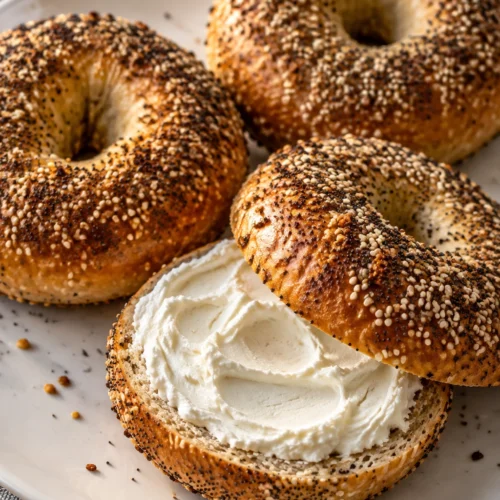
Sourdough Bagels
Ingredients
- 500 –840 g Bread Flour high-protein, 12–14%
- 100 –227 g Active Sourdough Starter 100% hydration
- 250 –425 g Water lukewarm, ~90°F
- 9 –18 g Salt
- 21 –63 g Honey or Barley Malt Syrup dough
- 20 –63 g Honey or Barley Malt Syrup boiling water
- 1 –2 tsp Baking Soda boiling water
- 24 –40 g Sugar dough
- 1 egg white Egg White Wash
- 2 –4 tbsp Everything Bagel Seasoning / Sesame / Poppy Seeds
- 1 –2 tbsp Cornmeal pan prep
Instructions
- Feed your starter: Feed your sourdough starter 4–8 hours before you plan to mix your dough. Keep it at 75–80°F. It is ready when it has doubled in size, looks domed and bubbly on top, smells yeasty and slightly sweet, and a small spoonful floats in water. Checkpoint: You are ready to move on when your starter has clearly doubled and passes the float test.
- Mix the wet base: In the bowl of a stand mixer, combine 227g active starter, 425g lukewarm water (~90°F), and 42g honey. Stir together for about 2 minutes until the mixture looks slightly cloudy and uniform with no starter clumps.
- Add flour and salt: Add 840g bread flour and 18g salt to the bowl. Mix on low speed for 2 minutes until the ingredients just come together.
- Knead the dough: Switch to the dough hook and knead on medium-low speed for 8–10 minutes. The dough should clear the sides of the bowl, feel firm and stiff like clay — not sticky — and pass the windowpane test (stretch a small piece thin without tearing). This should take 10–12 minutes total. Checkpoint: You are ready to move on when the dough is smooth, stiff, and elastic.
- Bulk ferment: Transfer the dough to a lightly oiled bowl and cover it. Let it ferment at room temperature (75–78°F) for 6–8 hours. During the first 2 hours, perform 3–4 sets of stretch-and-folds every 30 minutes: grab one side of the dough, stretch it up, and fold it over the center. Rotate the bowl and repeat on all four sides. After the folds are done, leave the dough undisturbed. Checkpoint: You are ready to move on when the dough has risen 50–75%, feels airy and jiggly, and you can see bubbles on the surface and sides.
- Divide and pre-shape: Turn the dough out onto an unfloured surface. Using a bench scraper and kitchen scale, divide it into 12 equal pieces of about 105g each. Roll each piece into a tight, smooth ball by cupping your hand over the dough and rolling in a circular motion against the surface. Leave the balls uncovered to bench rest for 10–15 minutes at room temperature. Checkpoint: You are ready to move on when the balls hold their round shape without spreading and have a taut, smooth surface.
- Shape the bagels: Poke your thumb through the center of each dough ball. Gently stretch the hole to about 2 inches in diameter using both index fingers, rotating the dough as you go. Place each shaped bagel on a parchment-lined baking sheet dusted with 1–2 tbsp cornmeal. The hole will shrink during proofing and baking, so make it slightly larger than you want it to end up.
- Cold retard: Cover the shaped bagels loosely with plastic wrap and refrigerate for 12–24 hours (up to 48 hours maximum) at 38–40°F. When you remove them, they should look slightly puffed but still feel firm and cold. Checkpoint: You are ready to move on when bagels are slightly puffed but still cold and firm — not over-proofed or airy.
- Preheat oven and prepare boiling water: Remove bagels from the fridge. Preheat your oven to 450°F with racks in the upper and lower thirds. Allow 30–45 minutes for the oven to fully saturate with heat. Meanwhile, bring a large pot of water to a full rolling boil. Add 1 tbsp honey and 1 tsp baking soda to the boiling water and stir briefly.
- Boil the bagels: Working in batches of 2–3, carefully drop the cold bagels into the boiling water. Boil for 30–60 seconds on the first side. Using a slotted spoon, flip each bagel and boil for another 30–60 seconds on the second side. Remove and let drain briefly on a wire rack or clean towel. The bagels should puff slightly and float, with a slightly glossy and set surface.
- Apply toppings: While each batch of bagels is still hot and wet from the boiling water, immediately brush with egg white wash and press or sprinkle your toppings — everything bagel seasoning, sesame seeds, poppy seeds, or your choice — onto the surface. The moisture ensures maximum adhesion.
- Bake: Place topped bagels back on the cornmeal-dusted, parchment-lined baking sheets. Bake at 450°F for 25–28 minutes, rotating the pans (top to bottom, front to back) halfway through at the 13-minute mark. Bagels are done when they are deep golden brown all over and register 210°F on an instant-read thermometer inserted into the side. Checkpoint: You are ready to move on when the crust is a deep, rich golden brown and the internal temperature hits 210°F.
- Cool before slicing: Transfer bagels to a wire rack and cool for at least 20–30 minutes before slicing. The crumb needs this time to fully set. The crust should sound hollow when tapped and no steam should escape when gently pressed.