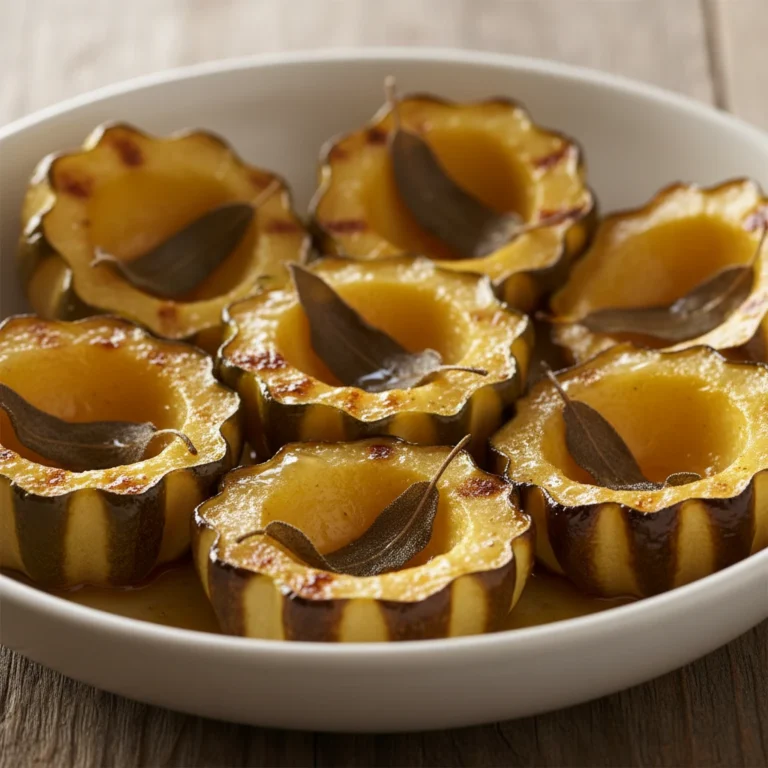
Patty pan squash is a delightful summer vegetable that deserves a place on your dinner table. With their charming scalloped edges and tender flesh, these little gems transform into a simple yet elegant side dish with just a handful of pantry staples. Roasted until caramelized and golden, they become naturally sweet and irresistibly tender. This recipe brings out their subtle flavor with a touch of honey, butter, and aromatic sage—perfect for beginners and seasoned cooks alike.
Reasons to Try Patty Pan Squash Recipe
Patty pan squash is one of summer’s most charming vegetables, and this recipe showcases why. Here’s what makes this dish so special:
- Naturally Sweet Flavor: The honey and butter caramelize beautifully during roasting, enhancing the squash’s delicate sweetness without overwhelming it.
- Stunning Presentation: The scalloped edges of patty pan squash are visually striking and impress guests effortlessly. Each piece looks like a tiny, edible crown on the plate.
- Minimal Ingredients: This recipe keeps things simple—just six ingredients create maximum flavor. It’s proof that you don’t need a complicated ingredient list to achieve restaurant-quality results.
- Quick and Easy: From prep to table in under 35 minutes, this is perfect for busy weeknight dinners or last-minute entertaining.
- Aromatic Sage Finish: Fresh sage adds an earthy, herbaceous touch that elevates the dish from simple to sophisticated.
- Versatile Side Dish: Pairs beautifully with roasted chicken, grilled fish, or pasta dishes. It’s also vegan-friendly if you substitute the butter with additional olive oil.
Ingredients Notes
- Patty Pan Squash – Choose small to medium squash (about 3–4 inches across) for tender, quick-cooking pieces. Look for firm skin with no soft spots.
- Honey – Provides natural sweetness and helps create a caramelized glaze as the squash roasts.
- Olive Oil – Use extra virgin for the best flavor; it adds richness and helps the squash brown evenly.
- Butter – Adds creamy richness and deepens the caramelization. One big knob (about 1 tablespoon) is perfect for this quantity.
- Sage – Fresh sage leaves are best; they release a fragrant, peppery flavor. If fresh isn’t available, dried sage works, though use it sparingly (about ½ teaspoon).
How to Make Patty Pan Squash Recipe
- Preheat your oven to 450 degrees Fahrenheit and allow it to reach full temperature (about 10 minutes).
- In a mixing bowl, combine the butter, honey, and olive oil, stirring until the mixture is smooth and well blended.
- Prepare the squash by slicing off the tops and bottoms, then carefully slice each squash in half lengthwise. Add all the prepared squash pieces to the butter mixture and toss until each piece is evenly coated.
- Season generously with salt and pepper, tossing again to distribute the seasoning.
- Transfer the coated squash to a baking sheet (skin-side down works best for even cooking) and roast in the preheated oven for 15–20 minutes, until the cut sides are golden brown and the flesh is tender when pierced with a fork.
- Remove from the oven and garnish generously with fresh sage leaves before serving.
What You Must Know About Patty Pan Squash Recipe
Choose the Right Squash: Smaller patty pan squash (about 3–4 inches wide) cook faster and have more tender flesh than larger ones. Avoid any with soft spots or blemishes, which indicate decay. If you can only find larger squash, cut them into quarters instead of halves to ensure they roast through completely.
Don’t Skip the Preheating: Preheating your oven to 450°F is essential for proper caramelization. A cold oven will cause the squash to steam rather than roast, resulting in a pale, mushy texture instead of that beautiful golden-brown finish.
Dry Your Squash Well: Moisture on the surface prevents browning. After washing, pat each squash thoroughly with a clean kitchen towel. This extra 30 seconds makes a significant difference in the final result.
Don’t Overcrowd the Pan: Arrange the squash in a single layer with space between pieces. Crowding traps steam and prevents proper browning. Use two baking sheets if necessary.
Timing Varies by Size: Smaller squash may be done in 15 minutes; larger pieces may need the full 20 minutes. Start checking at the 15-minute mark by piercing with a fork. The flesh should be completely tender with no resistance.
Fresh Sage is Ideal but Optional: If fresh sage isn’t available, dried sage, thyme, or rosemary work beautifully. Just use less dried herb (about ½ teaspoon total) since dried herbs are more concentrated.
Helpful Tip — Vegan Adaptation: Substitute the butter with an additional 1 teaspoon of good-quality olive oil for a fully vegan version that tastes just as delicious.
Helpful Tip — Make Ahead: You can prepare the squash (wash, cut, and coat with the butter mixture) up to 4 hours ahead. Cover and refrigerate, then roast when ready. Add 2–3 minutes to the roasting time if starting from cold.
Helpful Tip — Leftover Squash: Leftover roasted patty pan squash reheats beautifully. Simply place on a baking sheet, cover loosely with foil, and warm at 350°F for 8–10 minutes until heated through. Or enjoy cold as a salad topping with fresh greens and vinaigrette.
Variations and Substitutions
Lemon and Thyme Version: Replace the sage with fresh thyme and add the zest of one lemon to the butter mixture. Finish with a squeeze of fresh lemon juice for a bright, zesty twist.
Garlic and Herb Roasted: Add 2 minced garlic cloves to the butter mixture before coating the squash. Include fresh rosemary or a combination of Italian herbs for a Mediterranean feel.
Spiced Version: Add ¼ teaspoon each of ground cumin, smoked paprika, and a pinch of cayenne pepper to the butter mixture for a warm, slightly spicy profile. This pairs wonderfully with Mexican-inspired mains.
Maple and Sage (Autumn Special): Replace the honey with pure maple syrup for an even richer, more complex sweetness. Keep the sage for a classic autumn flavor combination.
Vegan Option: Replace the butter with an additional 1 teaspoon of olive oil. The result is lighter but still beautifully caramelized.
Different Squash Varieties: While this recipe is designed for patty pan squash, it works equally well with yellow summer squash, zucchini, or delicata squash. Adjust cooking time based on thickness—thinner varieties may cook 2–3 minutes faster.
Cheesy Finish: After roasting, immediately grate Parmesan or Gruyère cheese over the warm squash while the surface is still slightly sticky. The residual heat will soften the cheese beautifully.
Serving Suggestions for Patty Pan Squash Recipe
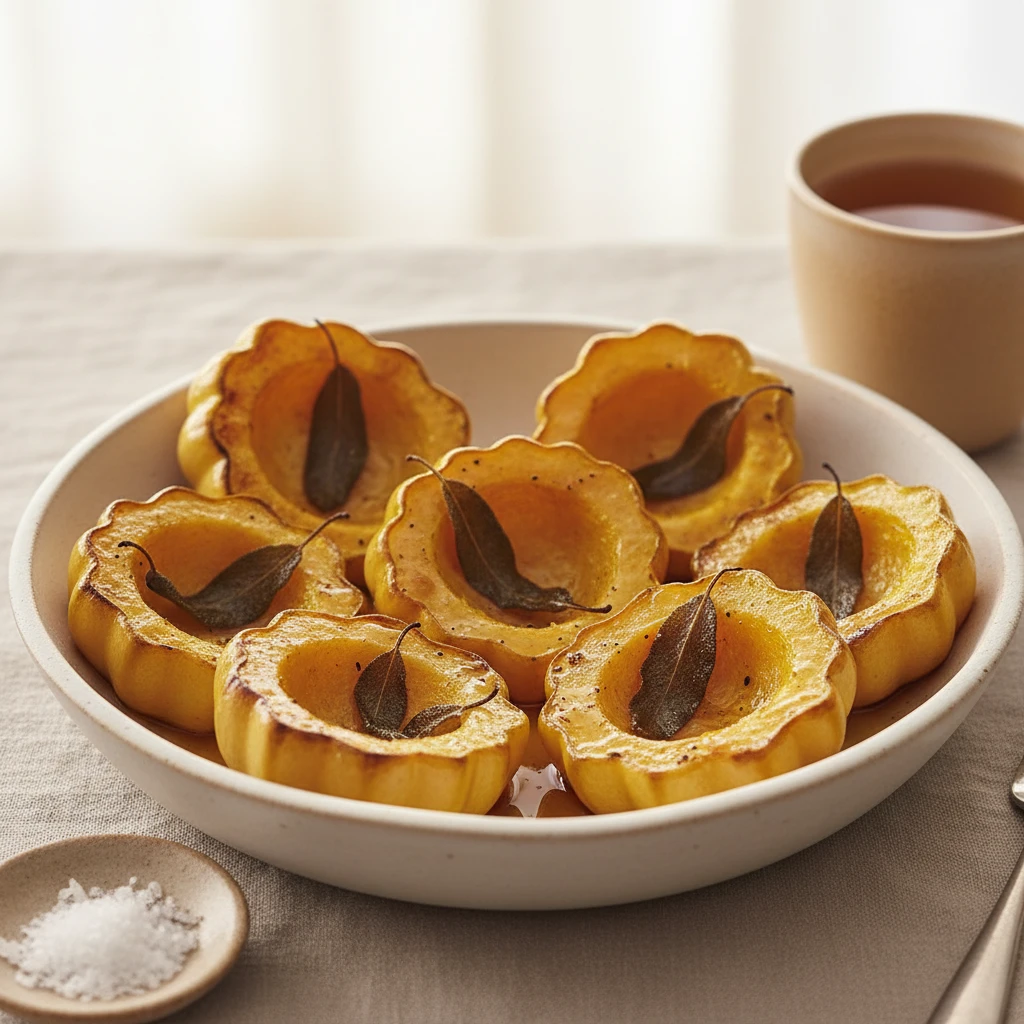
Classic Presentation: Arrange the roasted squash halves on a large serving platter, cut-side up, and garnish generously with fresh sage leaves. Drizzle any pan juices over the top for extra flavor and shine. This creates an elegant, restaurant-style presentation.
With Grilled Proteins: Serve alongside grilled chicken breast, pan-seared salmon, or herb-roasted lamb. The sweet, buttery squash complements both lighter and richer proteins beautifully.
Summer Garden Plate: Pair with other roasted summer vegetables like zucchini, cherry tomatoes, and bell peppers for a vibrant, colorful medley. Finish the entire plate with a drizzle of good-quality olive oil and fresh herbs.
As a Vegetarian Main: Serve three to four squash halves per person, topped with crumbled goat cheese, toasted breadcrumbs, and additional fresh sage. Add a simple green salad on the side for a light but satisfying main course.
Pasta Companion: Toss roasted squash pieces into creamy pasta dishes, risotto, or grain bowls. The soft, caramelized texture melds beautifully with warm grains and light cream sauces.
Appetizer Bites: Cut the roasted squash pieces into smaller chunks and serve on crostini or crackers topped with ricotta cheese and a sage leaf for an elegant appetizer.
Picnic or Cold Serving: This dish is delicious at room temperature, making it perfect for picnics, potlucks, or summer gatherings. Prepare earlier in the day, let cool, and transport in a covered container.
Garnish Ideas: Top with crispy sage leaves (fried in butter for 30 seconds), toasted pine nuts, pumpkin seeds, or a sprinkle of finishing salt like fleur de sel. A tiny drizzle of balsamic glaze adds sophistication.
 Save
SaveStorage and Reheating
Refrigerator Storage: Place leftover roasted patty pan squash in an airtight container and refrigerate for up to 4 days. The squash will keep its tender texture and develop slightly deeper flavors as it cools.
Freezing: You can freeze roasted patty pan squash for up to 3 months. Arrange the cooled pieces on a baking sheet, freeze until solid (about 2 hours), then transfer to a freezer-safe bag or container. Freeze flat to save space.
Reheating in the Oven: This is the best method to restore the original texture. Preheat your oven to 350°F, arrange the squash on a baking sheet, cover loosely with foil, and warm for 8–10 minutes until heated through. The squash will re-warm gently without drying out.
Reheating on the Stovetop: Place leftover squash in a skillet over medium-low heat with a splash of water or a small pat of butter. Cover and warm for 5–7 minutes, stirring occasionally, until heated through.
Reheating in the Microwave: While convenient, microwaving can make the squash mushy. If you must use a microwave, place the squash on a microwave-safe plate, cover loosely with a damp paper towel, and microwave in 1-minute intervals at 50% power, checking for warmth.
Cold Serving: Leftover roasted squash is delicious served cold or at room temperature. Use it in salads, grain bowls, or as a side dish the next day without reheating.
Frequently Asked Questions about Patty Pan Squash Recipe
What exactly is a patty pan squash?
Patty pan squash is a summer squash with a distinctive scalloped, UFO-like shape and tender, pale green or yellow skin. The flesh is mild, slightly sweet, and creamy when cooked. It’s a member of the Cucurbitaceae family, related to zucchini and yellow squash, but with a unique appearance and slightly sweeter flavor profile. They typically range from 2–5 inches in diameter.
Can I use frozen patty pan squash for this recipe?
Frozen patty pan squash is not ideal for this recipe because freezing breaks down the cell structure, resulting in a mushy texture when roasted. Fresh squash is strongly recommended for the best results. If you only have frozen squash available, thaw it completely, pat dry very thoroughly, and expect a softer final texture. You may also need to reduce roasting time by 2–3 minutes.
Can I make this recipe without sage?
Absolutely! Sage is a wonderful garnish that adds an herbaceous note, but it’s not essential to the recipe’s success. The roasted squash is delicious on its own. If you prefer a different herb, try fresh thyme, rosemary, oregano, or basil. Alternatively, skip the fresh herb entirely and finish with a sprinkle of Parmesan cheese or freshly cracked black pepper for a simpler presentation.
How do I know when the squash is done roasting?
The squash is done when the cut surfaces are golden brown to light caramel color and the flesh is completely tender. Pierce a piece with a fork or knife—there should be no resistance, and the fork should slide through easily. The edges may look slightly caramelized and slightly darkened. If you’re unsure, roast an additional 2–3 minutes and check again.
Can I prepare this recipe ahead of time?
Yes! You can wash, cut, and coat the squash with the butter mixture up to 4 hours in advance. Cover and refrigerate until you’re ready to roast. Simply place directly in the oven and add 2–3 minutes to the cooking time since the squash will be cold. The flavor develops beautifully, and this is a great time-saver for entertaining.
What’s the best way to store leftover roasted squash?
Place leftover roasted squash in an airtight container and refrigerate for up to 4 days. For longer storage, freeze for up to 3 months on a baking sheet before transferring to a freezer bag. Reheat in a 350°F oven for 8–10 minutes, covered loosely with foil. Cold leftover squash is also delicious in salads or grain bowls the next day.
Is this recipe vegan-friendly?
The recipe as written contains butter, so it’s vegetarian but not vegan. To make it vegan, simply replace the butter with an additional 1 teaspoon of olive oil. The result will be slightly lighter but still beautifully caramelized and delicious. All other ingredients are naturally plant-based.
Can I use dried sage instead of fresh?
Yes, but use less. Dried sage is more concentrated than fresh sage, so use only about ½ teaspoon total (rather than the full garnish of fresh leaves) to avoid overpowering the delicate squash flavor. Add it to the butter mixture before roasting or sprinkle it on top after roasting, stirring it into the warm residual heat to release its flavor.
Nutrition Facts (Per Serving)
| Nutrient | Amount per Serving |
|---|---|
| Calories | 85 |
| Total Fat | 5g |
| Saturated Fat | 2g |
| Total Carbohydrates | 10g |
| Dietary Fiber | 2g |
| Sugars | 4g |
| Protein | 1g |
| Sodium | 210mg |
| Values are estimates and may vary based on exact ingredients and portion sizes. | |
Patty Pan Squash Recipe
Ingredients
- 7-8 Patty Pan Squash
- 2 tsp honey
- 2 tsp olive oil
- 1 knob of butter ~1 big tbsp
- sage
Instructions
- Preheat your oven to 450°F (230°C) and let it reach full temperature. This typically takes 10–15 minutes. You'll know it's ready when your oven beeps or displays the target temperature. Checkpoint: Oven is fully preheated and ready to use.
- Place the butter (about 1 big tablespoon), honey (2 teaspoons), and olive oil (2 teaspoons) into a medium-sized mixing bowl. Stir with a spoon for 30–60 seconds until the mixture is smooth and fully blended with no streaks of oil remaining. The consistency should be creamy and uniform. Checkpoint: The butter-honey-oil mixture is smooth and well combined.
- Rinse the 7–8 patty pan squash under cool running water and pat them dry with a clean kitchen towel. This removes any dirt and helps them brown evenly. Allow about 2–3 minutes for rinsing and drying.
- Working on a cutting board, carefully slice the top stem end off each squash with a sharp knife, removing about ½ inch. Then slice off the bottom end in the same way. Be careful not to cut your fingers—use a stable cutting board and hold the squash firmly but gently.
- Next, slice each squash in half lengthwise (from top to bottom, cutting through the middle). This exposes the tender flesh. You should end up with 14–16 squash halves. This prep work typically takes 5–8 minutes.
- Place all the squash halves into the bowl with the butter-honey-oil mixture immediately after cutting. Using a large spoon or your hands (clean hands work best here), toss the squash pieces until every surface is coated with the golden mixture. You're looking for even coverage with no dry spots. This takes about 1–2 minutes. Checkpoint: Every squash piece is thoroughly coated with the butter mixture.
- Sprinkle the coated squash generously with salt (about ½ teaspoon per batch of 4–5 pieces) and freshly ground black pepper (about ¼ teaspoon). Toss everything together again for 30 seconds to ensure the seasoning is evenly distributed. Taste a tiny piece of the raw squash if you'd like to verify the seasoning is right.
- Arrange the squash pieces on a large baking sheet or roasting pan in a single layer, placing them skin-side down (cut-side up). Space them about 1 inch apart so heat circulates evenly. If needed, use two baking sheets.
- Carefully place the baking sheet into the preheated 450°F oven on the middle rack. Close the door gently. Roast for 15–20 minutes. At the 12-minute mark, you can peek in to check progress. The squash is done when the cut surfaces are golden brown to light caramel color and the flesh is fork-tender (a fork should pierce easily without resistance). Checkpoint: The cut edges are golden brown, the flesh is soft, and juices are visible on the pan.
- Remove the baking sheet from the oven using oven mitts and place it on a heat-safe trivet or cooling rack. Let it rest for 1–2 minutes so the residual heat finishes the cooking process.
- While still warm, garnish each squash piece with 2–3 fresh sage leaves or a light sprinkle of chopped fresh sage (about ¼ teaspoon total per piece). If using dried sage, use just a pinch per piece. The warm squash will release the sage's fragrant oils, making the dish smell amazing.
- Transfer to serving plates immediately while warm, or let cool slightly for 2–3 minutes if you prefer. Serve as a side dish alongside grilled chicken, roasted fish, or pasta.