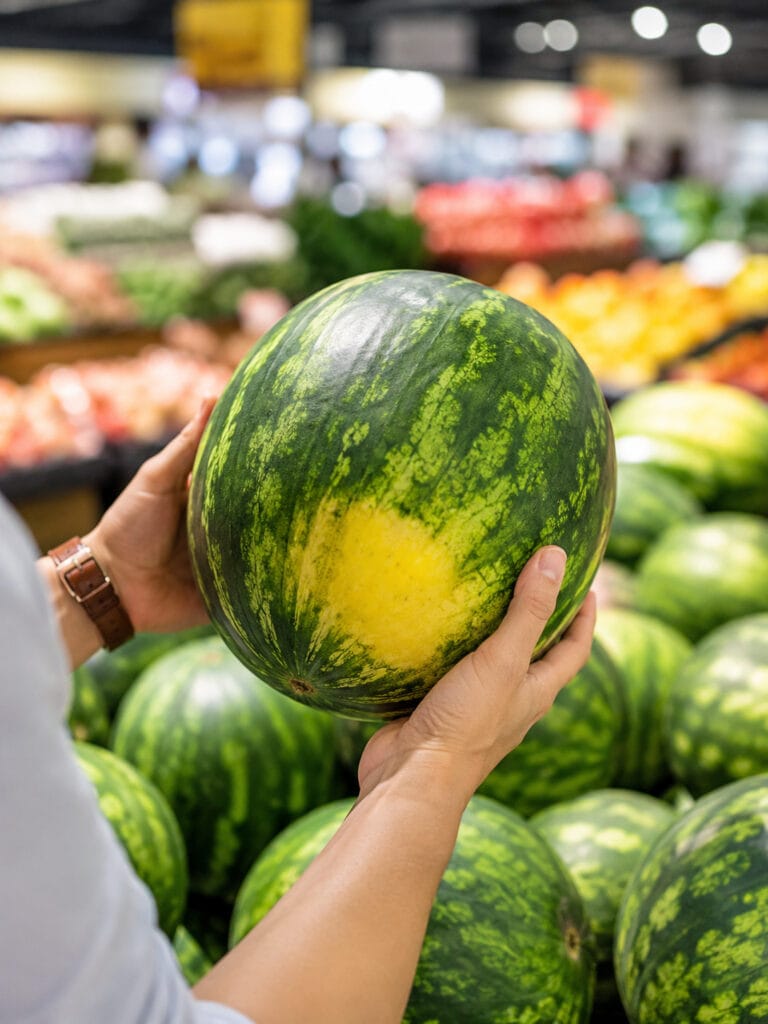
Nothing is more disappointing than cutting into a watermelon only to find pale, watery, or flavorless fruit inside. Since you can’t see what’s under the rind before buying, choosing the perfect watermelon can feel like a guessing game.
The good news? It doesn’t have to be.
By looking for a few simple signs, you can dramatically increase your chances of bringing home a sweet, juicy watermelon every time. Whether you’re shopping at the grocery store, a local farmers market, or picking one from your own garden, these six foolproof tips will help you choose the best watermelon with confidence.
Why Choosing the Right Watermelon Matters
A ripe watermelon offers much more than great flavor.
When you choose a perfectly ripe melon, you’ll enjoy:
- Naturally sweet taste
- Crisp, juicy texture
- Bright red flesh
- Better value for your money
- Less food waste
Instead of relying on luck, use the tips below to spot a watermelon that reached peak ripeness before it was harvested.
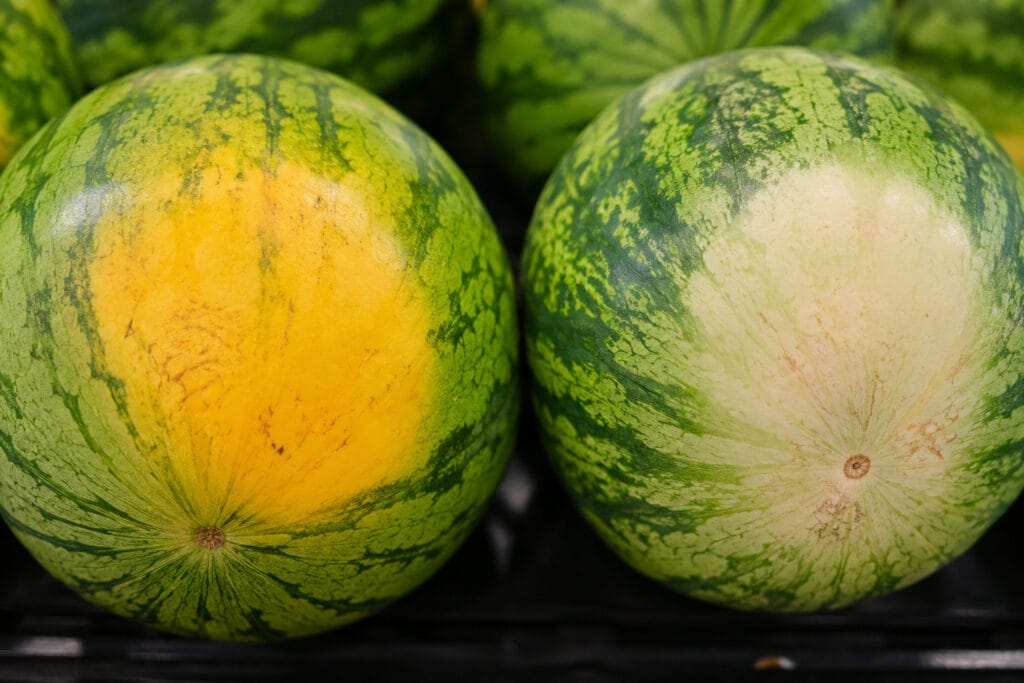
1. Look for a Creamy Yellow Field Spot
One of the easiest ways to identify a ripe watermelon is by checking the field spot.
The field spot is the area where the watermelon rested on the ground while growing.
What color should it be?
✔ Creamy yellow
✔ Deep golden yellow
What should you avoid?
❌ White field spots
❌ Very pale yellow spots
 Save
SaveA creamy yellow field spot tells you the watermelon had enough time to ripen naturally on the vine, allowing the sugars to develop. A white or nearly white spot usually means it was picked too early.
Pro Tip: The darker the creamy yellow color, the longer the watermelon ripened on the vine.
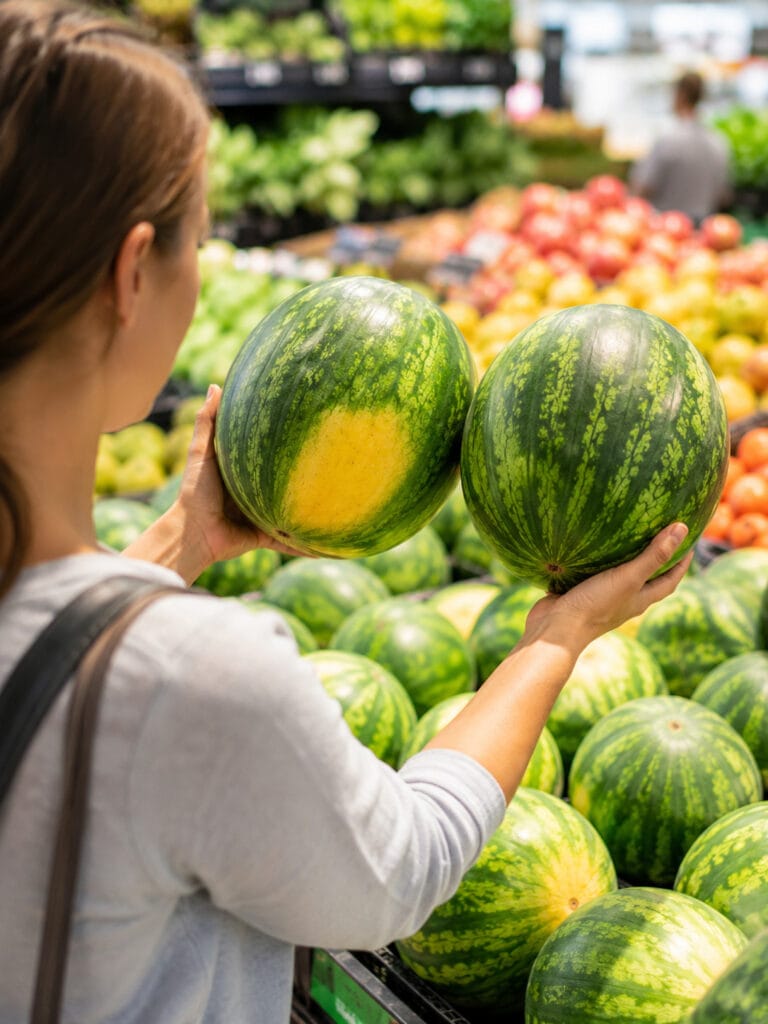
2. Pick the Heaviest Watermelon
Weight is one of the best indicators of juiciness.
Compare several watermelons that are roughly the same size.
Choose the one that feels noticeably heavier.
A heavy watermelon contains more water, which usually means:
- More juice
- Better texture
- Fresher fruit
 Save
SaveDon’t simply choose the biggest watermelon. Instead, choose the heaviest one for its size.
3. Choose a Dull, Not Shiny, Rind
Many shoppers assume a shiny watermelon looks fresher.
In reality, the opposite is often true.
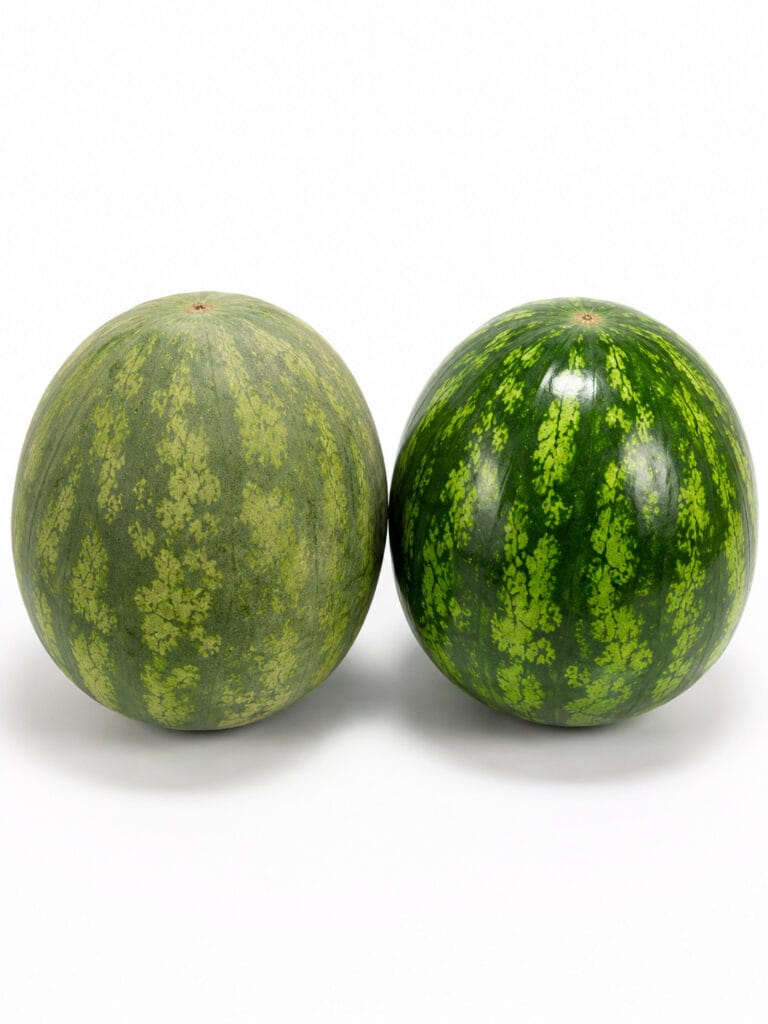
A ripe watermelon usually has:
- A dull or matte finish
- Firm skin
- Even coloring
A shiny rind often indicates the fruit hasn’t fully matured.
 Save
SaveLook for a watermelon with a slightly rough, matte appearance rather than one that looks polished.
4. Look for a Uniform Shape
A healthy watermelon should have a symmetrical shape.
Whether it’s round or oval doesn’t matter nearly as much as consistency.
Choose one that is:
- Evenly shaped
- Free of dents
- Free of deep cuts
- Without unusual lumps
Odd bumps or irregular shapes can sometimes indicate inconsistent growing conditions or uneven watering.
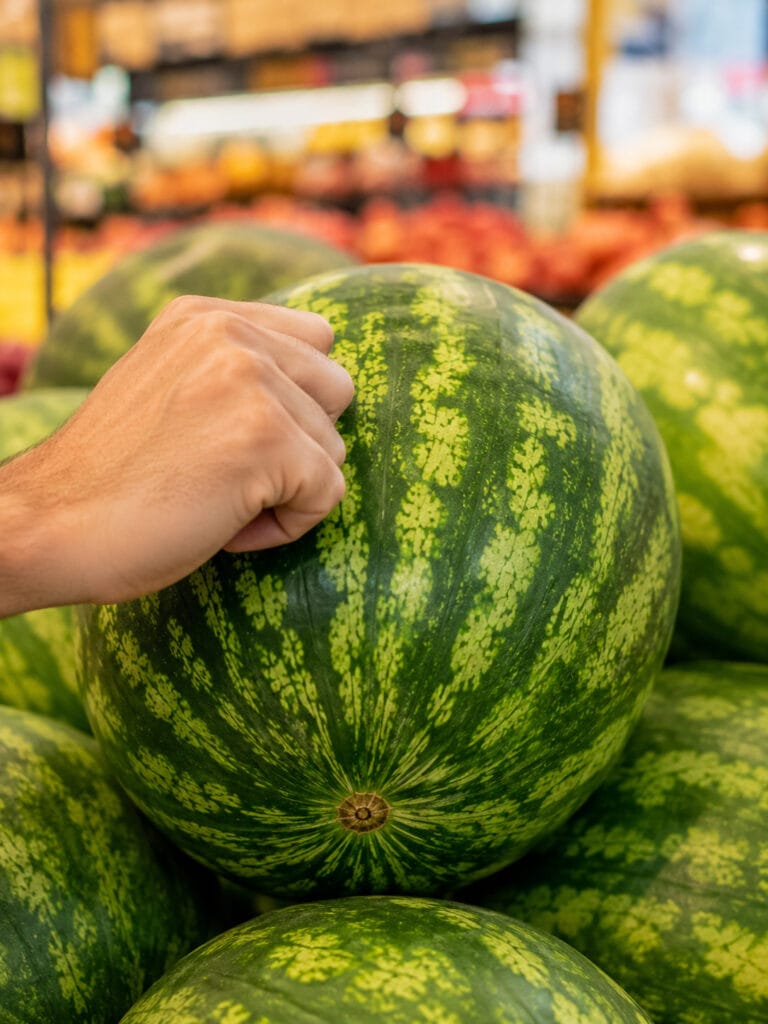
5. Give It a Gentle Tap
You’ve probably seen people knocking on watermelons in the produce section.
Believe it or not, this trick can actually help.
Tap the watermelon with your knuckles.
A ripe watermelon sounds:
✔ Deep
✔ Hollow
✔ Resonant
An underripe watermelon sounds:
❌ High-pitched
❌ Flat
An overripe watermelon sounds:
❌ Dull
❌ Heavy and lifeless
 Save
SaveThis test isn’t perfect by itself, but it becomes much more reliable when combined with the other tips in this guide.
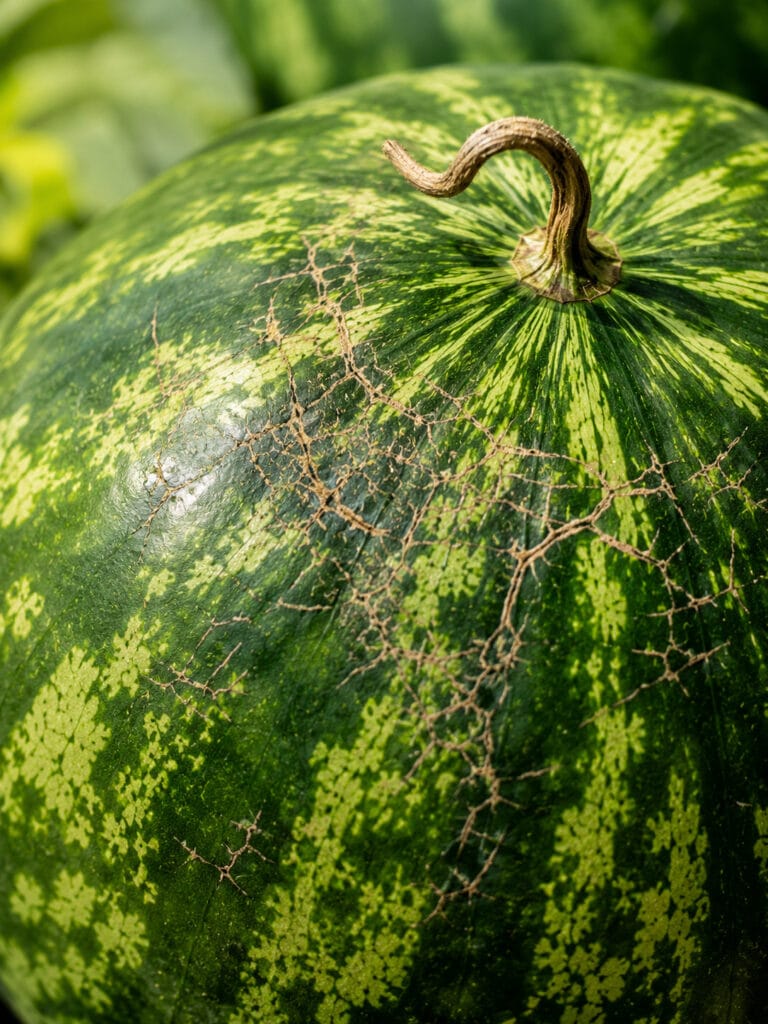
6. Check for Sugar Webbing and Dry Stem
Some watermelons develop rough brown webbing or sugar spots on their skin.
These marks are generally a good sign.
They often indicate heavy bee pollination, which can lead to sweeter fruit.
You should also examine the stem.
A ripe watermelon often has:
- A dry stem
- A shriveled stem
 Save
SaveAvoid watermelons with bright green stems, as they may have been harvested too early.
Watermelon Warning Signs to Avoid
Skip any watermelon that has:
- Soft spots
- Cracks
- Mold
- Leaking juice
- Large bruises
- Wrinkled skin
- Deep punctures
- Strong fermented smell
These signs may indicate damage, overripeness, or spoilage.
Common Myths About Picking Watermelon
Myth #1: Bigger Watermelons Are Always Better
Not necessarily.
A medium-sized watermelon that’s heavy for its size is often sweeter than an oversized one.
Myth #2: Knocking Is All You Need
Knocking helps, but it shouldn’t be your only test.
For the best results, combine several ripeness indicators.
Myth #3: Dark Green Means Ripe
Color alone isn’t a reliable sign.
Different watermelon varieties naturally have different shades of green.
Instead, focus on the field spot, weight, rind texture, and shape.
Frequently Asked Questions
How can you tell if a watermelon is ripe without cutting it?
Look for a creamy yellow field spot, a dull rind, a heavy weight, a symmetrical shape, and a deep hollow sound when tapped. Using all these signs together gives you the best chance of choosing a sweet watermelon.
What color should the field spot be?
A ripe watermelon should have a creamy yellow or golden-yellow field spot. White spots usually indicate the fruit was harvested too early.
Is the heaviest watermelon always the best?
Among watermelons of similar size, the heavier one is usually juicier because it contains more water.
Are round or oval watermelons sweeter?
Both shapes can be delicious. The most important thing is choosing a watermelon that’s symmetrical and shows multiple signs of ripeness.
Does knocking on a watermelon really work?
Yes, but it’s only one piece of the puzzle. A ripe watermelon usually produces a deep, hollow sound. For the most reliable results, combine this test with checking the field spot, rind, weight, and stem.
What to Make with Your Perfect Watermelon
Once you’ve picked the perfect watermelon, put it to good use with these refreshing recipes from RecipeExplore:
These recipes are perfect for hot summer days and are a delicious way to enjoy your freshly picked watermelon.