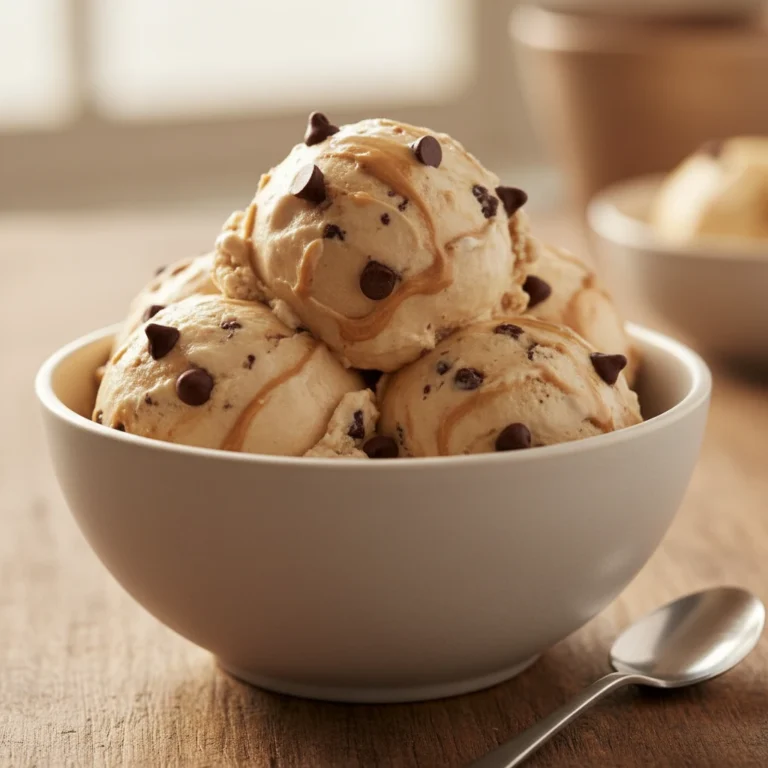
Cottage cheese ice cream is a revolutionary dessert that proves healthy ingredients can taste indulgent. This creamy, protein-packed frozen treat combines smooth cottage cheese with maple syrup, vanilla, peanut butter, and dark chocolate chips for a delightfully rich flavor profile. Unlike traditional ice cream, this no-churn version is ready in just a few hours and requires minimal equipment. Perfect for those seeking a guilt-free frozen dessert that doesn’t skimp on taste or texture.
Reasons to Try Cottage Cheese Ice Cream
This innovative dessert offers multiple compelling reasons to make it your go-to frozen treat. First, it’s remarkably high in protein—cottage cheese delivers substantial protein content without any dairy guilt, making this ideal for fitness enthusiasts or anyone seeking nutritious indulgences.
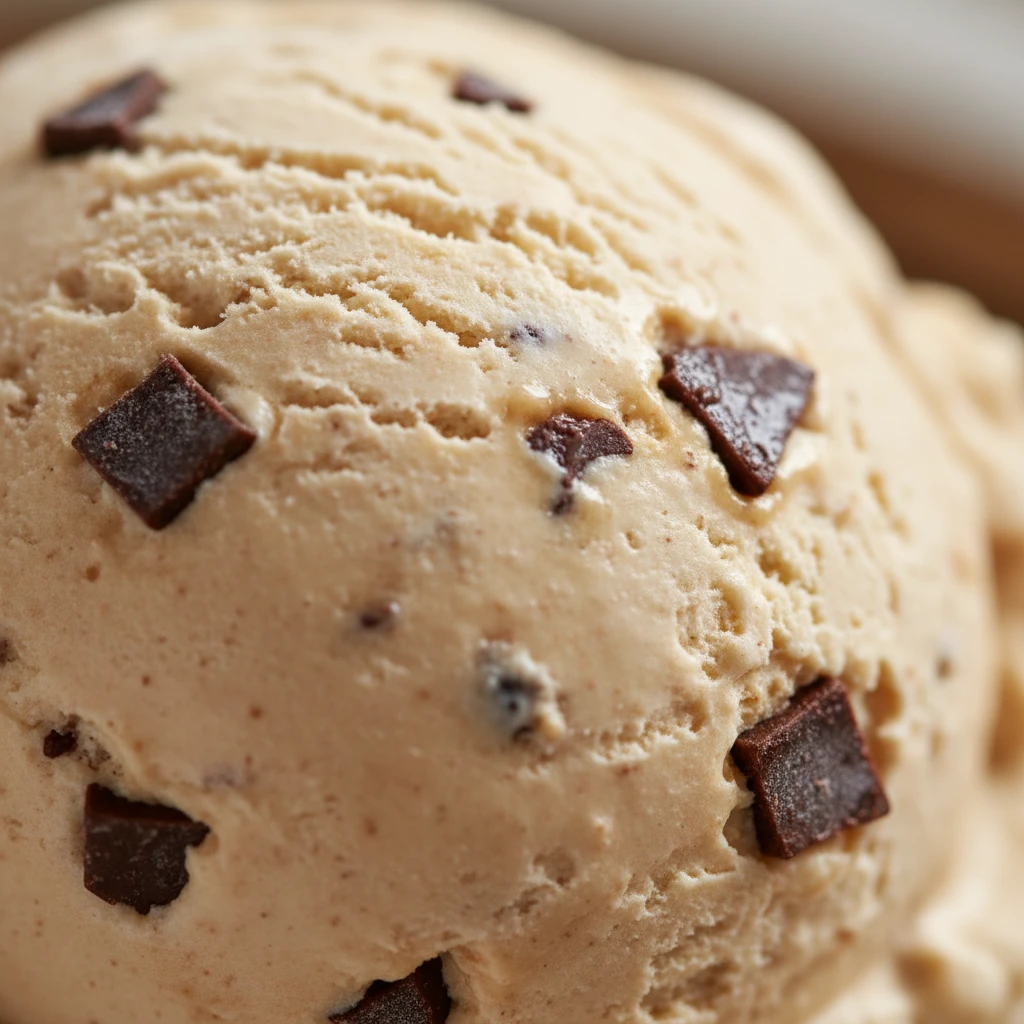
Second, the texture is genuinely luxurious. The creamy peanut butter acts as a natural fat blocker, preventing that icy, grainy texture common in low-fat frozen desserts. The result? Silky, scoopable ice cream that rivals traditional recipes.
Third, the flavor combination is sophisticated yet simple. Maple syrup and vanilla create a warm, aromatic base, while dark chocolate chips add pops of bittersweet richness. The peanut butter weaves through everything, creating subtle depth.
Finally, it’s a no-churn marvel. No ice cream maker required—just a blender and freezer. The entire process takes under five minutes of active time, making it accessible for beginners and busy home cooks alike.
 Save
SaveIngredients Notes
- 4% milkfat small-curd cottage cheese
- Pure maple syrup or raw honey
- Pure vanilla extract
- Creamy all-natural peanut butter
- Mini dark chocolate chips
Why these specific ingredients matter: The 4% milkfat cottage cheese provides creaminess without excess heaviness. Small curds blend smoother than large-curd varieties. Pure maple syrup or honey adds subtle sweetness without overpowering vanilla notes. All-natural peanut butter is essential—its natural fats prevent iciness that plagues lower-fat frozen desserts. Finally, mini dark chocolate chips distribute evenly throughout and melt slightly as you scoop, creating bursts of chocolate throughout each bite.
How to Make Cottage Cheese Ice Cream
- Liquefy the base: Combine cottage cheese, maple syrup, vanilla extract, and peanut butter in a high-speed blender. Blend on high for 60–90 seconds, scraping sides once, until completely smooth and shiny with no visible curds.
- Fold in mix-ins: Pour the smooth mixture into a bowl and gently fold in the mini dark chocolate chips by hand until evenly distributed.
- Transfer to pan: Pour into a 9×5-inch metal loaf pan or shallow container, spreading into an even layer.
- Freeze: Cover tightly with plastic wrap and freeze for 3.5–4 hours. Check at the 3-hour mark for a firm, scoopable soft-serve consistency.
- Thaw before scooping: If frozen longer than 4 hours, let the pan sit undisturbed on the counter for 15 minutes before scooping to soften slightly.
What You Must Know About Cottage Cheese Ice Cream
Critical tip—blending time is non-negotiable: You must blend for the full 60–90 seconds and scrape the sides once. Under-blending leaves grainy cottage cheese curds, creating an unpleasant sandy texture. Over-blending won’t harm the recipe but won’t improve it either.
The peanut butter is your secret weapon: Don’t skip it or use peanut powder. Natural peanut butter’s fat content prevents the icy texture that plagued low-fat frozen desserts. It also adds subtle flavor depth that makes the ice cream taste more indulgent than it is.
Use 4% milkfat small-curd cottage cheese specifically: Large-curd cottage cheese won’t blend as smoothly, and low-fat versions create icier results. Check the label carefully.
Freeze time varies by freezer temperature: If your freezer is consistently at 0°F (ideal), expect 3.5–4 hours. Warmer freezers may need 5+ hours. Always check at the 3-hour mark rather than assuming timing.
The 15-minute thaw is essential for overnight storage: Don’t skip this step. Serving straight from a long-term freeze results in rock-hard, difficult-to-scoop ice cream. The gentle counter thaw brings it to perfect serving consistency.
Helpful tip—warm your scoop: Dip your ice cream scoop in warm water between scoops. This prevents the scoop from sticking and helps you create clean, attractive portions.
Helpful tip—chill your serving bowls: Place bowls in the freezer for 10 minutes before scooping. The cold bowls slow melting, giving you more time to enjoy your ice cream.
Helpful tip—use a metal pan, not plastic: Metal freezes faster and more evenly, resulting in better texture. If you only have plastic, add 30 minutes to freezing time.
Variations and Substitutions
Honey instead of maple syrup: Use 3 tbsp raw honey for a slightly floral, less woody sweetness. The flavor will be subtly different but equally delicious.
Cookie dough variation: Replace chocolate chips with crushed sugar cookies or chocolate sandwich cookies. Fold in ⅓ cup crushed pieces for a nostalgia-driven twist.
Strawberry swirl: Make a simple strawberry sauce by blending 1 cup fresh or frozen strawberries with 1 tbsp maple syrup. Fold half into the base, then drizzle the remaining sauce before freezing to create swirls.
Almond butter version: Substitute creamy almond butter for peanut butter. This creates a more delicate, slightly nuttier flavor profile. Use the same ¼ cup measurement.
Salted caramel swirl: Drizzle ¼ cup store-bought or homemade salted caramel sauce into the mixture in a spiral pattern before freezing. Fold gently a few times to create swirls rather than fully incorporating.
No chocolate chips: Simply omit the chocolate chips for a cleaner peanut butter flavor. The ice cream will be equally smooth and delicious.
Espresso lover’s version: Add 1 tsp instant espresso powder to the blender with the base ingredients. This adds coffee flavor without liquid, maintaining the perfect consistency.
Lower-sugar option: Reduce maple syrup to 2 tbsp and add 1 tbsp raw allulose (a zero-calorie sweetener). This significantly reduces sugar while maintaining sweetness and texture.
Serving Suggestions for Cottage Cheese Ice Cream
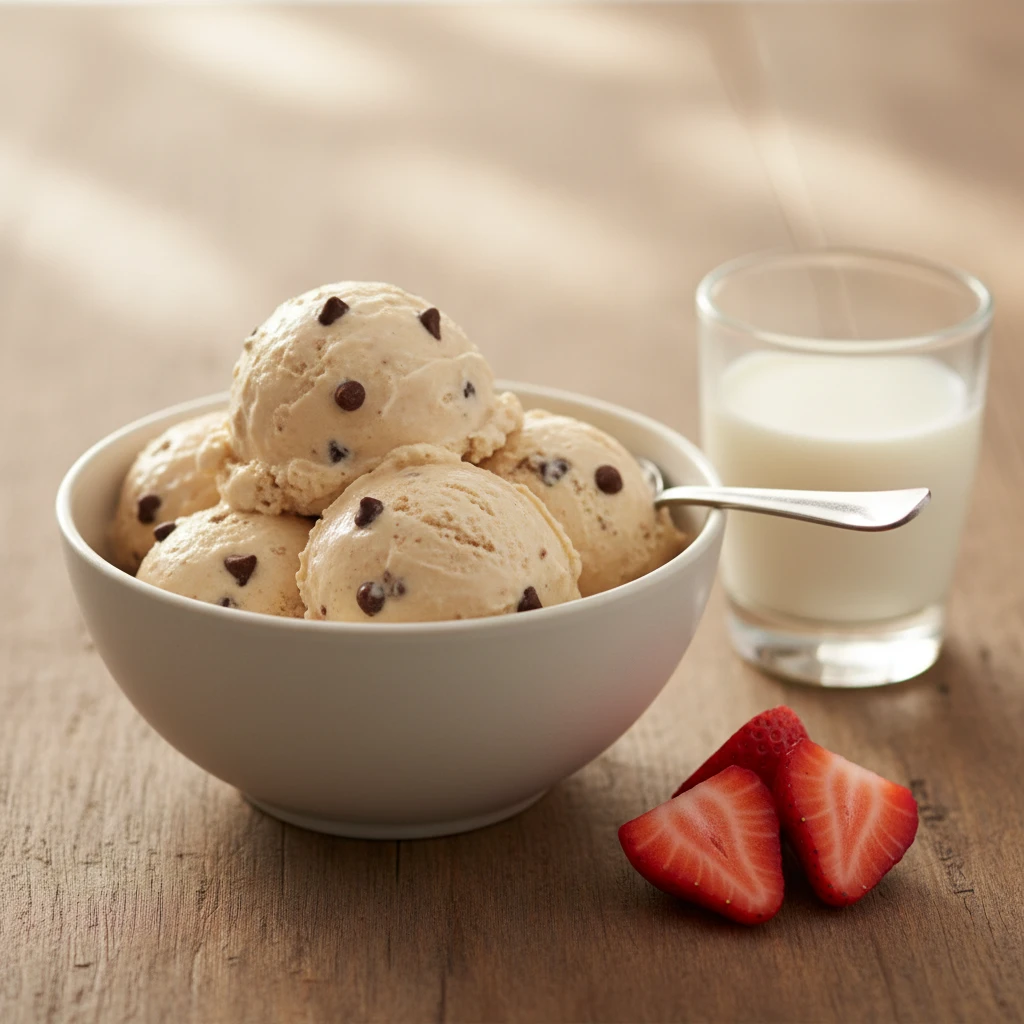
Classic bowl presentation: Scoop into a chilled bowl or cup and serve immediately. The simplicity lets the creamy texture and chocolate chips shine. No garnish necessary, though a drizzle of chocolate sauce or a sprinkle of crushed peanuts would add elegance.
Waffle cone experience: Serve in a crisp waffle cone for a nostalgic ice cream shop vibe. The cone’s sweetness and crunch contrast beautifully with the smooth, creamy ice cream.
Sundae bar setup: Create an adult-friendly sundae by topping a scoop with granola, sliced fresh fruit (berries or bananas), a drizzle of chocolate or caramel sauce, and a small dollop of whipped cream.
Banana split interpretation: Slice a banana lengthwise and place two scoops of this ice cream between the halves. Top with chocolate sauce and a sprinkle of mini dark chocolate chips for extra decadence.
Alongside warm desserts: Serve a scoop melting slightly atop warm brownies, fresh-baked chocolate chip cookies, or warm apple pie. The contrast of temperatures and textures is magnificent.
Protein-packed breakfast: For a Greek-yogurt-ice-cream-bowl aesthetic, serve a generous scoop topped with granola, sliced fresh berries, and a drizzle of honey. This creates a deceptively healthy-feeling dessert-for-breakfast moment.
Plating tip: Use a warm spoon between scoops to wipe clean and create neat portions. A light dusting of unsweetened cocoa powder adds professional restaurant vibes to any presentation.
 Save
SaveStorage and Reheating
Storage: Keep the covered pan in the freezer for up to 7 days. The plastic wrap directly on the surface prevents freezer burn and ice crystal formation. For longer storage beyond one week, transfer portions to a freezer-safe airtight container and store for up to 14 days, though quality is best within the first week.
Serving from long-term storage: Remove the pan from the freezer and place it undisturbed on your kitchen counter for 15 minutes. This gentle thaw brings the ice cream to perfect scoopable consistency. If it’s still too hard, add 5 more minutes. Never microwave or use hot water—this causes uneven melting and compromises texture.
Individual portions: For convenient grab-and-go servings, scoop the ice cream into individual freezer-safe containers or silicone muffin cups immediately after the 3.5–4 hour freeze. Cover tightly and freeze up to 7 days. Remove one portion at a time; let thaw for 5–10 minutes at room temperature before eating.
No reheating needed: This is a frozen dessert meant to be eaten cold. Simply thaw according to the guidelines above and enjoy.
Frequently Asked Questions about Cottage Cheese Ice Cream
Can I use a food processor instead of a high-speed blender?
Yes, absolutely. A food processor works well for this recipe. Blend for the same 60–90 seconds and scrape down the sides once. You may need an extra 15–30 seconds if your food processor is less powerful than a high-speed blender, but the result will be equally smooth and delicious.
What if I can’t find 4% milkfat cottage cheese?
If only 2% is available, you can use it, but add an extra 1 tbsp of peanut butter to compensate for lower fat content and prevent iciness. Avoid non-fat cottage cheese—it produces a grainy, icy texture even with extra peanut butter. For best results, check multiple stores or order online.
How much does this recipe make, and how many servings?
This recipe makes approximately 2–3 cups of ice cream, yielding about 6–8 generous scoops or 4–6 normal servings depending on scoop size. A standard ice cream scoop holds about ½ cup, so plan accordingly for your needs.
Can I use natural peanut butter from the bulk bin or store-brand?
Yes, any creamy all-natural peanut butter works beautifully. Make sure it’s creamy, not crunchy, and that it contains only peanuts and salt—no added oils or hydrogenated fats. If the peanut butter is very thick or has separated oil on top, mix it well before measuring.
Is this ice cream actually healthy compared to regular ice cream?
This cottage cheese ice cream is higher in protein (roughly 8–10g per serving) than traditional ice cream and lower in added sugar when using maple syrup or honey. However, it still contains sugar and fat, so it’s best enjoyed as an occasional treat rather than a daily indulgence. It’s a nutrient-dense upgrade to conventional ice cream but not a replacement for whole foods.
Why does my ice cream taste slightly tangy?
Cottage cheese has a subtle tangy note that persists even when blended smooth. This is completely normal and intentional—it balances the sweetness of the maple syrup and adds complexity. If the tang is too pronounced, ensure you’re using fresh cottage cheese (check the expiration date) and try reducing to 1.5 tbsp maple syrup while adding 1 tbsp honey for a smoother flavor profile.
Can I make this recipe without an ice cream maker and without freezing overnight?
Yes! This is a no-churn recipe that doesn’t require an ice cream maker. It reaches perfect soft-serve consistency in 3–4 hours, meaning you can enjoy it the same day you make it. If you want it faster (2–3 hours), use the coldest part of your freezer and chill the mixture in the blender bowl before transferring to the pan.
Nutrition Facts (Per Serving)
| Nutrient | Amount per Serving |
| Calories | 185 kcal |
| Total Fat | 11g |
| Saturated Fat | 4.5g |
| Cholesterol | 15mg |
| Sodium | 310mg |
| Total Carbohydrates | 16g |
| Dietary Fiber | 1g |
| Sugars | 12g |
| Protein | 9g |
| Values are estimates and may vary based on exact ingredients and portion sizes. | |

Cottage Cheese Ice Cream
Ingredients
- 16 oz 2 cups 4% milkfat small-curd cottage cheese
- 3 tbsp pure maple syrup or raw honey
- 1 tsp pure vanilla extract
- ¼ cup creamy all-natural peanut butter adds fats to prevent iciness
- ⅓ cup mini dark chocolate chips
Instructions
- Prepare your blender: Gather your high-speed blender or food processor. This step takes 2 minutes and ensures you have everything ready before beginning.
- Add base ingredients to blender: Pour the 16 oz (2 cups) 4% milkfat small-curd cottage cheese directly into the blender bowl. Add 3 tbsp pure maple syrup or raw honey, 1 tsp pure vanilla extract, and ¼ cup creamy all-natural peanut butter. Do not blend yet. This takes 3 minutes of prep time.
- Blend on high speed: Secure the blender lid tightly. Turn to high speed and blend for 60–90 seconds total. Stop halfway through (around 45 seconds) and carefully remove the lid. Use a rubber spatula to scrape down the sides of the blender, pushing any visible cottage cheese curds back into the center. Replace the lid and continue blending for the remaining 15–45 seconds until the mixture is completely smooth, shiny, and creamy with absolutely no visible cheese curds or lumps. You should see a glossy, uniform texture resembling soft-serve ice cream base. Checkpoint: The mixture is ready when it looks like silky pudding with no grainy or chunky spots.
- Prepare the fold-in bowl: While the base is blending, take a medium-sized mixing bowl (ceramic or glass works best) and have it ready on your counter. This takes 1 minute.
- Transfer blended mixture to bowl: Carefully pour the entire smooth cottage cheese mixture from the blender into your prepared bowl. Use a spatula to get every last bit out of the blender. This takes 2 minutes.
- Fold in chocolate chips: Sprinkle ⅓ cup mini dark chocolate chips over the top of the mixture. Using a rubber spatula or wooden spoon, gently fold the chips into the mixture using a gentle under-and-over motion (not stirring). Fold for 10–15 seconds until the chocolate chips are evenly distributed throughout and no dry chips remain visible on the surface. Checkpoint: You should see chocolate specks distributed throughout the cream base.
- Prepare your freezing pan: Take a 9×5-inch metal loaf pan or shallow rectangular container and place it on a flat section of your freezer shelf. Metal pans freeze faster and more evenly than plastic. This takes 1 minute.
- Transfer mixture to freezing pan: Pour the chocolate-chip-studded mixture into the prepared pan. Using an offset spatula or the back of a spoon, spread it into an even, level layer, roughly ½ to ¾ inch thick. Try to avoid air pockets. This takes 3 minutes.
- Cover tightly: Cut a piece of plastic wrap slightly larger than your pan (about 10×8 inches). Press it directly onto the surface of the ice cream mixture, smoothing out any air bubbles. This direct contact prevents ice crystals from forming on the surface. Wrap any excess plastic wrap around the sides of the pan, sealing it completely. This takes 2 minutes.
- Freeze for 3 hours: Place the covered pan in the coldest part of your freezer (usually the back or bottom shelf) where it won't be disturbed. Set a timer for 3 hours. During this time, the mixture will gradually firm up and transform from liquid-like to scoopable. This takes 180 minutes (3 hours) of passive freezing time.
- Check texture at 3-hour mark: After exactly 3 hours, remove the pan from the freezer and gently press the plastic wrap with your fingertip. The mixture should feel firm but yield slightly to gentle pressure—like soft-serve ice cream or very thick pudding. If it still feels too soft or liquid-like, return to freezer for another 30 minutes and check again. Checkpoint: The ice cream is ready to serve when you can press a spoon into it and it holds the shape but isn't rock-hard.
- Scoop and serve immediately (if freezing 3–4 hours total): Using a sturdy ice cream scoop dipped in warm water (to help scooping), dig into the ice cream and portion into bowls or cones. The soft-serve consistency means you may need to scoop quickly before it melts. Serve immediately. This takes 5 minutes. Checkpoint: Your scoops should look creamy and hold their shape for 2–3 minutes at room temperature.
- If freezing longer than 4 hours or overnight: Cover tightly with plastic wrap as described above. Freeze for up to 7 days. When ready to serve, remove the pan from the freezer and place it undisturbed on your kitchen counter for exactly 15 minutes. Do not open the freezer or move the pan during this time. The gentle warming softens the ice cream to a scoopable consistency. After 15 minutes, scoop and serve immediately. This takes 15 minutes of passive thawing time.
- Troubleshooting checkpoint: If the ice cream is too hard to scoop even after the 15-minute thaw, let it sit for an additional 5 minutes. If it remains rock-hard, your freezer may be extremely cold; increase thaw time to 20 minutes next time.