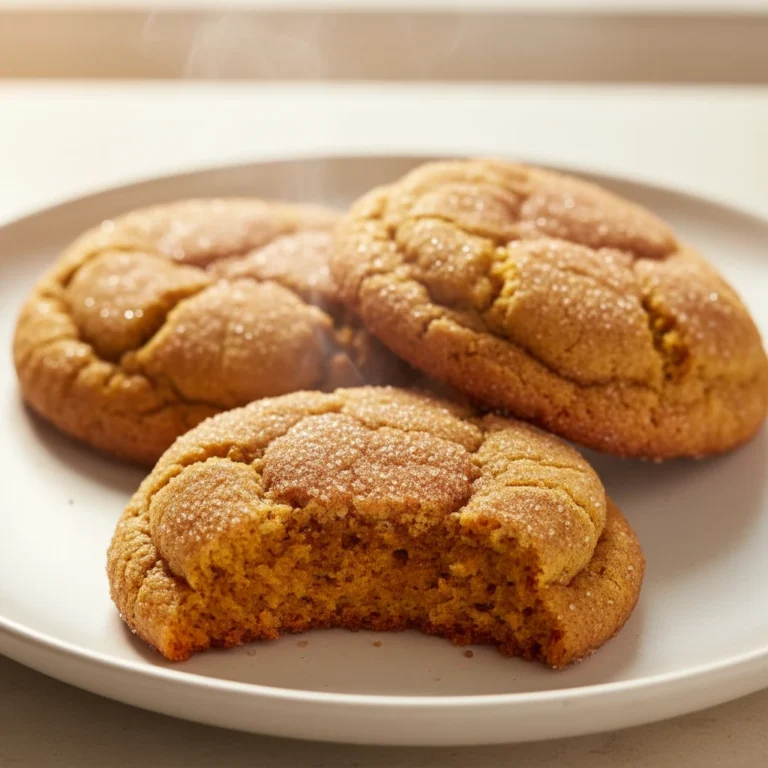
Pumpkin snickerdoodle cookies are a delightful autumn treat that marries the warm, comforting flavors of pumpkin with the nostalgic charm of cinnamon-sugar coated cookies. These chewy delights feature a carefully crafted dough that combines blotted pumpkin puree with cream of tartar for that signature snickerdoodle tang, all wrapped in a generously spiced cinnamon-sugar exterior. Perfect for fall gatherings, holiday baking, or simply satisfying a seasonal craving, these cookies deliver soft centers, slightly crispy edges, and a sophisticated flavor profile that appeals to both purists and pumpkin enthusiasts alike.
Reasons to Try Pumpkin Snickerdoodle Cookies
These pumpkin snickerdoodle cookies are a standout for anyone who loves both pumpkin spice and snickerdoodles. Here’s why they deserve a spot in your baking rotation:
- Chewy, tender centers: The secret lies in using blotted pumpkin puree and slight underbaking. The result is cookies that stay soft and moist for days, never turning hard or crumbly.
- Balanced flavor profile: The pumpkin is never overpowering—it works in perfect harmony with cream of tartar, pumpkin pie spice, and a cinnamon-sugar crust that evokes classic snickerdoodles while bringing autumn warmth.
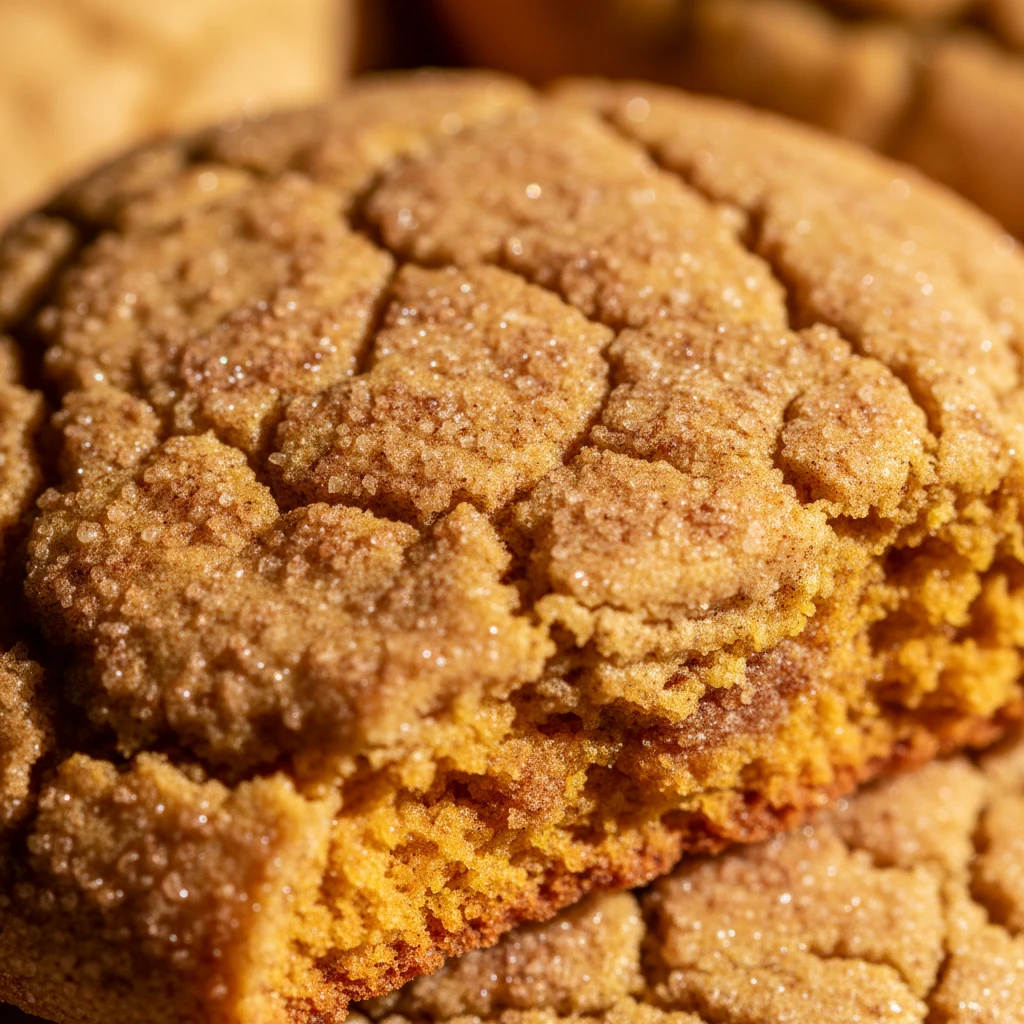
- Impressive presentation: The generous cinnamon-sugar coating creates a beautiful, sparkly exterior that looks bakery-worthy and tastes even better.
- Versatile for any occasion: Whether you’re hosting a fall party, packing lunchboxes, or need a homemade gift, these cookies deliver sophistication without fuss.
- Beginner-friendly technique: Despite their elegant appearance, these cookies follow straightforward steps—no complex laminating or piping required.
- Season-spanning appeal: While perfectly on-theme for autumn, their subtle spicing and chewy texture make them crave-worthy year-round.
 Save
SaveIngredients Notes
For the Chewy Pumpkin Dough
- Canned pumpkin puree
- Unsalted butter, melted and slightly cooled
- Granulated sugar
- Light brown sugar, packed
- Large egg yolk
- Vanilla extract
- All-purpose flour
- Cream of tartar
- Baking soda
- Fine sea salt
- Pumpkin pie spice
- Ground cinnamon
For the Cinnamon-Sugar Coating
- Granulated sugar
- Ground cinnamon
How to Make Pumpkin Snickerdoodle Cookies
- Blot the pumpkin puree: Spread it on a plate, press folded paper towels over the top, and repeat 3–4 times until the volume reduces by almost half and it resembles a thick paste.
- Mix the wet ingredients: In a large bowl, whisk the melted butter, granulated sugar, and brown sugar until smooth. Whisk in the blotted pumpkin, egg yolk, and vanilla extract until fully combined.
- Combine the dry ingredients: In a separate bowl, whisk together flour, cream of tartar, baking soda, salt, pumpkin pie spice, and cinnamon. Fold the dry mixture into the wet ingredients just until no flour streaks remain.
- Chill the dough: Cover and refrigerate for at least 45 minutes (or up to 2 days). The dough must be chilled for proper texture and handling.
- Preheat and prepare: Heat your oven to 350°F and line two baking sheets with parchment paper. Mix the ¼ cup sugar and 1 ½ tsp cinnamon in a small bowl for coating.
- Shape and coat: Scoop 1.5-tablespoon portions of chilled dough, roll into balls, and generously coat each in the cinnamon-sugar mixture. Space them 2 inches apart on the baking sheets.
- Bake: Bake for 10–12 minutes until edges are set but centers still look very soft. Cool on the baking sheet for 10 minutes, then transfer to a wire rack.
What You Must Know About Pumpkin Snickerdoodle Cookies
The blotting step is non-negotiable. Fresh pumpkin puree contains excess moisture that will ruin the cookie texture. By blotting it down to about ¼ cup from ½ cup, you remove water and create a dense paste that contributes chewiness without sogginess. Skip this step, and your cookies will bake up cakey and dense.
Cream of tartar is essential. This ingredient is what makes snickerdoodles tangy and creates their signature crackly top. Don’t substitute it with extra baking powder, as it will change both flavor and texture.
Underbaking is the key to chewiness. These cookies should look slightly underdone when you pull them from the oven—soft and jiggly in the center. They will set as they cool on the pan and on the rack. Overbaking for even 1–2 minutes will result in crisper, less chewy cookies.
Chill before scooping. The dough is too sticky to work with at room temperature. A 45-minute chill is the minimum; you can also make the dough a day or two ahead and bake when ready.
Space cookies adequately. These cookies spread slightly, so leave 2 inches between each one to prevent them from baking together.
Helpful Tips
Make-ahead strategy: Prepare the dough up to 2 days in advance and store it covered in the fridge. On baking day, scoop, coat, and bake fresh cookies in about 30 minutes.
Double batch: This recipe scales easily. Double the ingredients and chill extra dough, then bake a second batch a few hours later or the next day for fresh cookies throughout the week.
Soften hardened cookies: If cookies harden over time, place them in an airtight container with a slice of bread for 12–24 hours. The bread will transfer moisture back into the cookies.
Coat generously: Press the dough balls firmly into the cinnamon-sugar mixture so the coating adheres well. A light touch won’t stick properly.
Variations and Substitutions
- Maple pecan version: Replace ¼ cup of the all-purpose flour with ¼ cup toasted pecan flour (finely ground pecans). Add ½ tsp maple extract to the wet ingredients. Coat with the same cinnamon-sugar mixture. The pecans add nuttiness that complements the pumpkin beautifully.
- Brown butter enhancement: Brown the ½ cup butter on the stovetop before adding to the wet ingredients. Let it cool slightly first. This adds a deeper, nuttier flavor that elevates the pumpkin spice profile.
- Extra spice kick: Increase the pumpkin pie spice to 1 ½ tsp and add ⅛ tsp ground cloves and a pinch of nutmeg. This creates a richer, more complex autumnal flavor.
- Chocolate chip variation: Fold ½ cup mini chocolate chips into the dough after mixing in the dry ingredients. The chocolate complements pumpkin surprisingly well.
- Egg-free version: Replace the 1 large egg yolk with 1 tbsp applesauce or ½ tbsp unsweetened Greek yogurt mixed with ½ tbsp water. This yields slightly less chewy cookies but still very delicious.
- Whole wheat option: Substitute ½ cup of the all-purpose flour with ½ cup whole wheat pastry flour. The cookies will be slightly denser and nuttier, with a subtle earthiness.
- Vegan adaptation: Use ½ cup melted coconut oil instead of butter, replace the egg yolk with 1 tbsp aquafaba (liquid from canned chickpeas), and use the same cinnamon-sugar coating. The texture will be very similar.
- Mini cookies: Scoop dough using 1-teaspoon portions instead of 1.5-tablespoon portions. Reduce baking time to 8–9 minutes. This yields about 30 smaller, daintier cookies perfect for gift boxes.
Serving Suggestions for Pumpkin Snickerdoodle Cookies
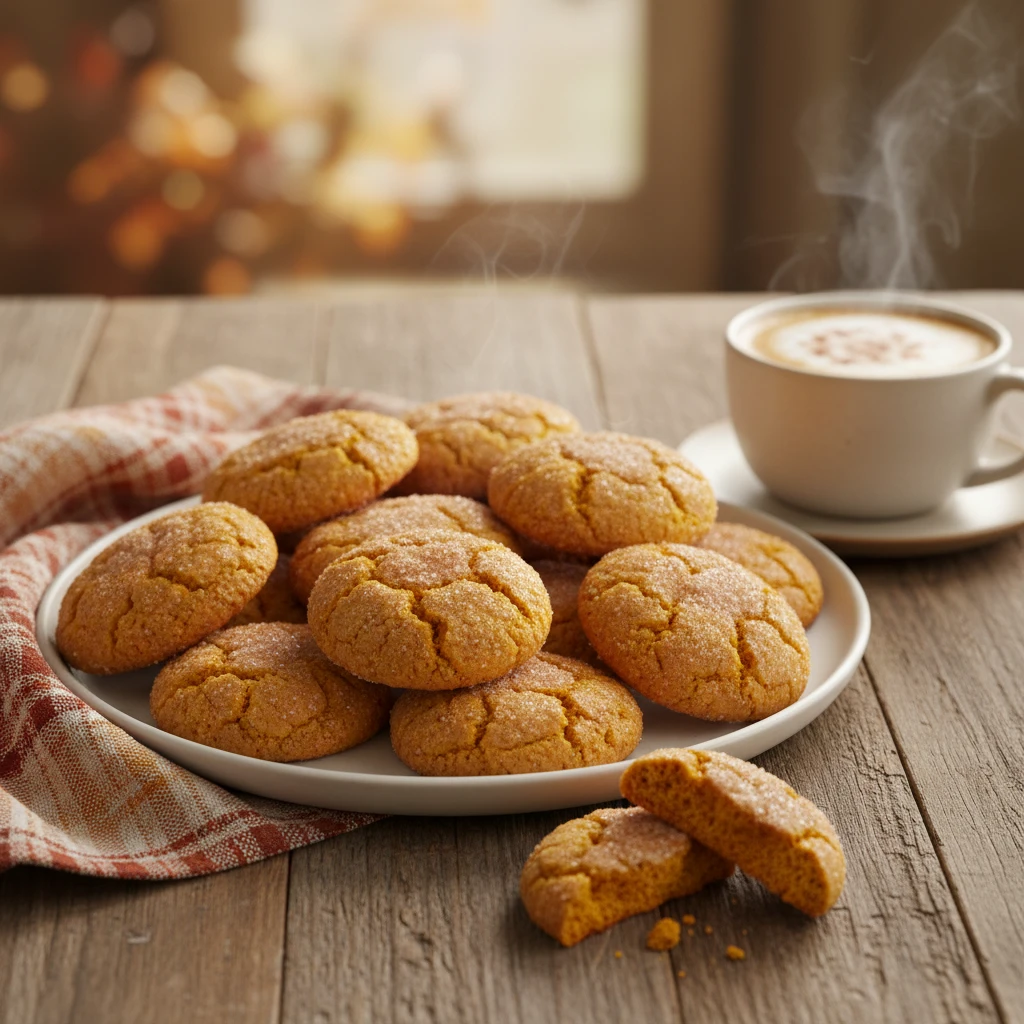
- Coffee pairing: Serve warm or at room temperature alongside a steaming cup of black coffee, cappuccino, or spiced latte. The warmth of the beverage and the subtle tang of the snickerdoodle work beautifully together.
- Afternoon tea: Arrange cookies on a vintage plate or tiered stand with fresh fruit, cheese, and nuts for an elegant fall tea service. The cinnamon-sugar coating adds visual appeal and rustic charm.
- Lunchbox treats: Pack one or two cookies in a sealed container alongside apple slices or pumpkin-themed napkins for a homemade school or work snack.
- Festive plating: Dust the serving plate lightly with additional cinnamon-sugar and arrange cookies in a small pyramid. Garnish with a sprig of fresh rosemary or a small pile of whole cinnamon sticks for a seasonal touch.
- Dessert plate finale: Serve one cookie alongside a scoop of vanilla ice cream or cinnamon ice cream for a simple yet elegant dessert course. The slight warmth of the cookie melts the ice cream beautifully.
- Holiday gift packaging: Stack cookies in a clear cellophane bag or decorative box tied with a cinnamon-colored ribbon. Include a handwritten tag with the recipe name and baking date for a charming homemade gift.
- Dunking time: These cookies are sturdy enough to hold up to dunking in hot chocolate, chai tea, or even cold milk, making them perfect for family movie nights or holiday gatherings.
 Save
SaveStorage and Reheating
Room temperature storage: Store cooled cookies in an airtight container at room temperature for up to 5 days. Layer cookies between parchment paper to prevent sticking. To maintain chewiness, place a slice of bread in the container—it will soften hardened cookies over 12–24 hours.
Refrigerator storage: Refrigerate cookies in an airtight container for up to 1 week. The cool temperature may make them firmer, but they will soften at room temperature within 30 minutes.
Freezer storage: Freeze baked cookies in a freezer-safe container or zip-top bag for up to 3 months. Layer with parchment paper. Thaw at room temperature for 30–45 minutes before serving—no reheating needed.
Freeze cookie dough: Scoop and coat the dough balls, then place on a parchment-lined tray and freeze until solid (about 2 hours). Transfer to a zip-top freezer bag and store for up to 1 month. Bake directly from frozen, adding 2–3 minutes to the baking time.
Reheating (if needed): To restore softness and warmth, place a cookie on a microwave-safe plate and microwave for 10–15 seconds at 50% power. Or wrap a cooled cookie in foil and warm in a 300°F oven for 5–7 minutes. Do not overheat, or the cookies will lose their chewy texture.
Frequently Asked Questions about Pumpkin Snickerdoodle Cookies
Why do I need to blot the pumpkin puree?
Canned pumpkin puree contains significant liquid that will make your cookie dough too wet and the baked cookies dense or cakey. Blotting removes roughly half the moisture, transforming it into a thick paste that provides flavor and chewiness without excess water. This step is crucial for the signature texture of these cookies.
Can I use pumpkin pie filling instead of pumpkin puree?
No. Pumpkin pie filling contains added sugar, spices, and sometimes eggs, which will throw off the recipe’s balance and texture. Stick with pure pumpkin puree—the ingredient list should contain only pumpkin.
What if I don’t have cream of tartar?
Cream of tartar is what makes these snickerdoodles tangy and distinctive. While you could substitute ½ tsp baking powder, the flavor and texture will be noticeably different—less tang, less crackle, and more cake-like. It’s worth seeking out cream of tartar from the baking aisle or ordering online.
Can I make these cookies without chilling the dough?
The dough is too sticky to scoop and shape without chilling. Attempting to work with unchilled dough will result in a messy process and unevenly shaped cookies. A minimum 45-minute chill is non-negotiable for texture and handling ease.
How do I know when the cookies are done baking?
The edges should appear set and dry, while the centers still look soft and slightly jiggly. When you gently press the center with a finger, it should spring back slightly but not feel hard. This slight underbaking is what gives them their chewy interior.
Do these cookies stay chewy, or do they get hard over time?
These cookies naturally stay chewy for 3–5 days when stored in an airtight container. If they harden, simply place a slice of bread in the container overnight, and the moisture will transfer back to the cookies, restoring chewiness.
Can I double this recipe?
Yes, the recipe scales easily. Simply double all ingredient amounts. Bake on separate batches if your oven is small, or use additional baking sheets and rotate them halfway through. Chilling time remains the same.
Are these cookies suitable for people with gluten sensitivities?
This recipe uses all-purpose flour and is not gluten-free as written. However, you can substitute the all-purpose flour 1:1 with a high-quality gluten-free all-purpose baking blend (ensure it contains xanthan gum). The texture may be slightly different but should still be quite good.
Nutrition Facts (Per Serving)
| Nutrient | Amount Per Cookie |
|---|---|
| Calories | 145 |
| Total Fat | 6 g |
| Saturated Fat | 3.5 g |
| Carbohydrates | 19 g |
| Dietary Fiber | 0.5 g |
| Sugars | 13 g |
| Protein | 1.5 g |
| Sodium | 85 mg |
| Values are estimates and may vary based on exact ingredients and portion sizes. | |
Pumpkin Snickerdoodle Cookies
Ingredients
- ½ cup canned pumpkin puree
- ½ cup unsalted butter melted and slightly cooled
- ½ cup granulated sugar
- ½ cup light brown sugar packed
- 1 large egg yolk
- 1 tsp vanilla extract
- 1 ½ cups all-purpose flour
- 1 ½ tsp cream of tartar
- ½ tsp baking soda
- ¼ tsp fine sea salt
- 1 tsp pumpkin pie spice
- ½ tsp ground cinnamon
- ¼ cup granulated sugar
- 1 ½ tsp ground cinnamon
Instructions
- Blot the ½ cup pumpkin puree by spreading it on a plate lined with paper towels. Fold paper towels over the top and gently press down for 30 seconds. Repeat this 3–4 times, replacing wet towels each time, until the pumpkin volume reduces by almost half and resembles a thick paste. Checkpoint: Your blotted pumpkin should measure about ¼ cup and feel dense, not watery.
- In a large mixing bowl, pour the melted, slightly cooled ½ cup butter. Add the ½ cup granulated sugar and ½ cup packed brown sugar. Whisk vigorously for 1–2 minutes until the mixture is smooth and pale. Checkpoint: The mixture should look light and slightly fluffy, not separated.
- Whisk the blotted pumpkin paste into the butter-sugar mixture for 1 minute. Add the 1 large egg yolk and 1 tsp vanilla extract. Whisk for another 1–2 minutes until everything is completely combined and no streaks of pumpkin remain. Checkpoint: The wet mixture should look uniform, orange-tinted, and creamy.
- In a separate medium bowl, whisk together 1 ½ cups all-purpose flour, 1 ½ tsp cream of tartar, ½ tsp baking soda, ¼ tsp fine sea salt, 1 tsp pumpkin pie spice, and ½ tsp ground cinnamon. Whisk for 30 seconds to combine and aerate. Checkpoint: The dry mixture should look evenly blended with no lumps of cream of tartar.
- Pour the dry ingredients into the wet ingredients. Using a rubber spatula, fold gently for 2–3 minutes, scraping the bottom and sides of the bowl, just until no white flour streaks remain. Do not overmix or stir vigorously—the dough should be thick and slightly lumpy. Checkpoint: No flour should be visible, but the dough should look slightly undermixed compared to typical cookie dough.
- Cover the bowl tightly with plastic wrap. Place it in the refrigerator for at least 45 minutes—or up to 2 days. This resting time is mandatory; the dough will be too sticky to scoop without chilling. Checkpoint: The dough should be firm and hold its shape when scooped, not wet or runny.
- Position your oven racks to the upper-middle and lower-middle positions. Preheat the oven to 350°F (175°C) for 15 minutes. Line two large baking sheets with parchment paper and set aside. Checkpoint: The oven should beeping or displaying 350°F, and the parchment should be flat on the sheets.
- In a small shallow bowl, mix ¼ cup granulated sugar and 1 ½ tsp ground cinnamon. Stir with a fork for 30 seconds until the cinnamon is evenly distributed. Checkpoint: The coating should look uniform, not streaky, and smell strongly of cinnamon.
- Remove the chilled dough from the refrigerator. Using a 1.5-tablespoon cookie scoop or a tablespoon measure, scoop one portion of dough and drop it into the cinnamon-sugar bowl. Roll it gently in the coating, pressing and turning to coat all sides generously for about 20 seconds. Checkpoint: Each ball should look completely covered in the cinnamon-sugar mixture, not patchy.
- Place the coated dough ball on a prepared baking sheet. Repeat scooping and coating the remaining dough, placing each ball about 2 inches apart. You should have 12–14 cookies total. Checkpoint: All balls should be evenly spaced and generously coated.
- Transfer both baking sheets to the preheated 350°F oven, placing one on the upper-middle rack and one on the lower-middle rack. Bake for 10–12 minutes. The cookies are done when the edges appear set and dry, but the centers still look very soft and slightly underbaked. The tops may crack slightly. Checkpoint: Press the center of one cookie gently with your finger—it should feel soft and spring back slightly, not firm or hard.
- Remove both baking sheets from the oven. Let the cookies cool on the baking sheets for exactly 10 minutes—do not move them during this time. They will continue to set as they cool. Checkpoint: The cookies should look slightly firmer on top but still soft in the center when you gently press them.
- After 10 minutes of cooling on the sheet, transfer each cookie to a wire cooling rack using a thin spatula. Handle gently, as they are still delicate. Let them cool completely for another 20–30 minutes on the rack. Checkpoint: Cookies should now feel set on the outside but still have a slight chew when bitten.