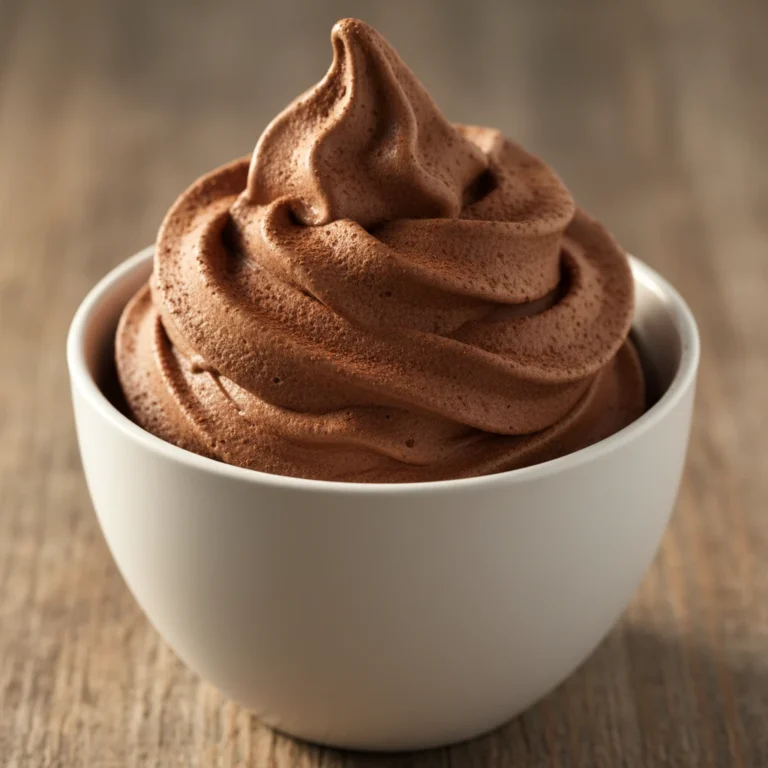
Protein ice cream is a game-changing frozen treat that delivers creamy, soft-serve indulgence without the guilt. This high-powered blender creation transforms simple ingredients into a thick, voluminous dessert in minutes—perfect for post-workout cravings, hot summer days, or whenever you need a protein-packed sweet fix. With customizable flavors and zero cooking required, you’ll never look at store-bought ice cream the same way again.
Reasons to Try Protein Ice Cream
This recipe is a fitness enthusiast’s dream and a dessert lover’s delight rolled into one. Here’s why it deserves a spot in your blender rotation:
- Instant Gratification: No churning, no freezing for hours—enjoy soft-serve ice cream in under 10 minutes from start to finish.
- Macro-Friendly: Packed with 20+ grams of protein per serving, it’s an ideal post-workout recovery snack or guilt-free dessert that supports your fitness goals.
- Completely Customizable: Swap cocoa for vanilla, vanilla for strawberry, or experiment with any flavoring your heart desires. The base formula works with virtually any protein powder.
- Lower Sugar, More Control: You decide exactly how much sweetener goes in—no hidden sugars or artificial ingredients you can’t pronounce.
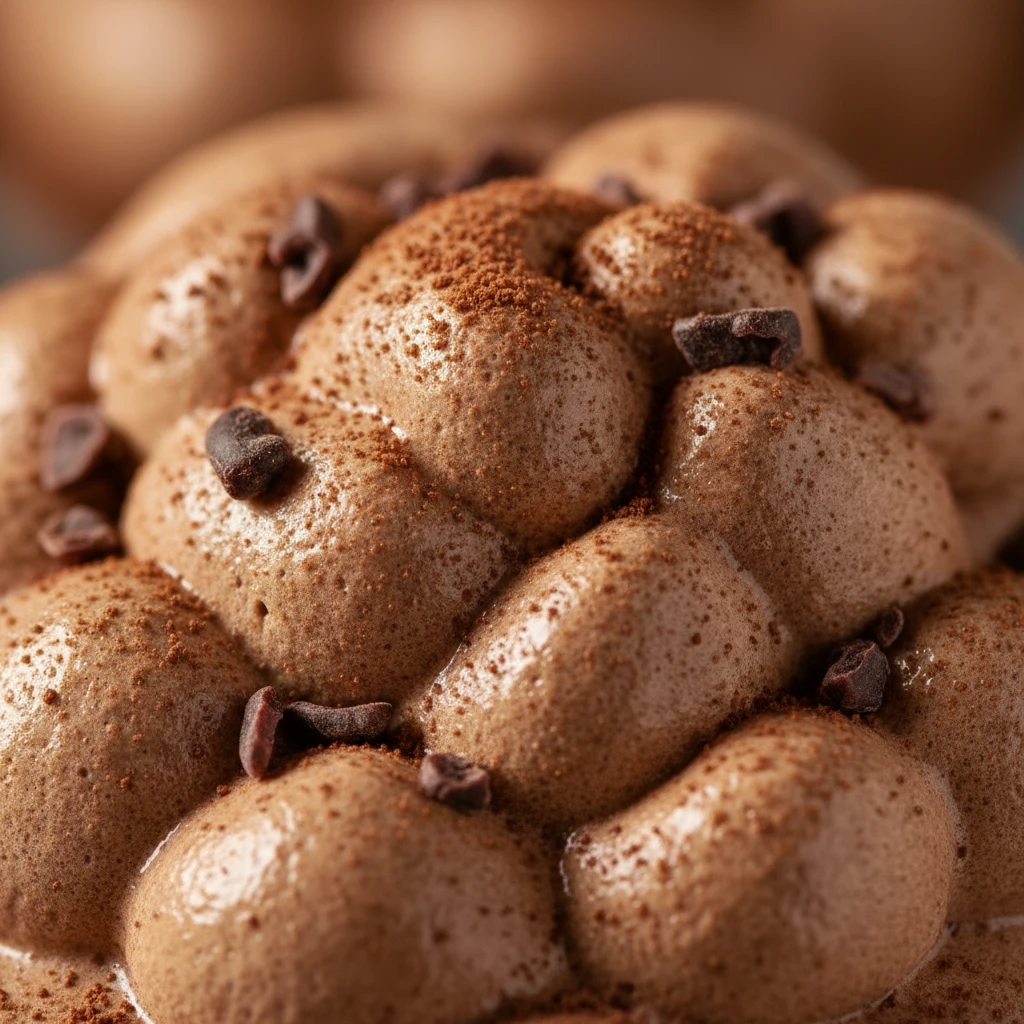
- Incredible Texture: The xanthan gum and whey/casein blend create a luxuriously thick, creamy consistency that rivals premium ice cream shops.
- Cost-Effective: This homemade version costs a fraction of specialty protein ice cream brands, making indulgence affordable.
 Save
SaveIngredients Notes
- Protein Powder (A Whey/Casein blend is highly recommended over 100% Whey for maximum thickness)
- Unsweetened almond milk (or milk of choice)
- Xanthan gum (Do not over-measure)
- Cocoa powder (if using vanilla powder, omit or use 1 tsp vanilla extract)
- Ice cubes (smaller cubes blend smoother)
- Zero-calorie granular sweetener (optional, adjust to preference)
- Fine sea salt (critical for masking chemical aftertastes)
How to Make Protein Ice Cream
- Pour the milk into your high-powered blender pitcher first, then add the protein powder, xanthan gum, cocoa powder (or vanilla), sweetener, and a tiny pinch of salt.
- Top with the ice cubes.
- Pulse 5 to 10 times until the ice is roughly crushed and the blades can spin freely.
- Turn the blender to its highest speed setting and blend continuously for 3 to 4 full minutes. Watch the mixture transform from a slushie into thick, voluminous soft-serve ice cream that doubles or triples in size.
- Serve straight out of the blender container immediately.
What You Must Know About Protein Ice Cream
Critical Tips:
- Blender Power is Non-Negotiable: This recipe requires a high-powered blender (1000+ watts minimum, such as Vitamix or Ninja). A standard countertop blender will struggle or fail to reach the proper soft-serve consistency. The motor needs enough power to whip air into the mixture and keep ice moving smoothly for 3–4 minutes straight.
- Order Matters: Always add liquid first, then dry ingredients (protein powder, xanthan gum, cocoa powder), then sweetener and salt, and finally ice on top. This prevents protein powder from clumping at the bottom and ensures even blending.
- Xanthan Gum Precision: Do not over-measure xanthan gum. Exactly ½ teaspoon is the magic number. Too much (even ¾ tsp) will create a gluey, unpalatable texture. Too little (¼ tsp) won’t provide enough thickness. A kitchen scale or measuring spoon is your best friend here.
- Whey/Casein Blend Over 100% Whey: While 100% whey protein powder works, a blend of whey and casein creates substantially thicker, creamier ice cream with better volume. Casein proteins are naturally stickier and foam better under high-speed blending. Look for products labeled “whey/casein blend” or “micellar casein + whey” on the label.
- Don’t Skip the Salt: A tiny pinch of fine sea salt is absolutely critical. It masks the chemical or metallic aftertaste that many protein powders and artificial sweeteners leave behind. This single ingredient transforms an acceptable drink into a genuinely delicious dessert.
- Consume Immediately: Unlike traditional frozen ice cream, this blended version does not store well in a standard freezer. The soft-serve consistency comes from air incorporation and the blending process—once it freezes, it hardens into a dense, icy block. Eat it straight from the blender for the best experience.
Helpful Tips:
- Pre-Chill Your Bowl: Place your serving bowl in the freezer for 2–3 minutes before you start blending. A cold bowl keeps the ice cream at optimal temperature longer.
- Frozen Almond Milk Hack: For an even thicker texture, freeze your almond milk in an ice cube tray overnight, then use 1–2 frozen milk cubes instead of liquid milk. This reduces the total liquid and creates an ultra-dense consistency.
- Batch Blend for Multiple Servings: This recipe makes one large serving. To make 2–3 servings, you can double or triple the recipe and blend in one large batch (your blender must be big enough), or blend individual servings back-to-back.
- Flavor Layering: Don’t limit yourself to cocoa and vanilla. Try adding ½ tsp espresso powder for mocha flavor, 1 tbsp almond butter for protein-rich richness, or ½ tsp peppermint extract for an after-dinner treat. Experiment freely—the base formula is forgiving.
Variations and Substitutions
- Chocolate Chip: Blend the base recipe as directed, then fold in 2–3 tbsp mini dark chocolate chips by hand after blending. Use a spatula to gently stir them in right before serving.
- Peanut Butter Protein: Replace 1 tbsp cocoa powder with 2 tbsp natural peanut butter. Blend slightly longer (4–5 minutes) to fully incorporate the nut butter. The result is thick, rich, and stadium-snack delicious.
- Vanilla Bean: Omit cocoa powder and add 1 tsp vanilla extract plus a scraping from a vanilla bean pod (or 1 tbsp vanilla protein powder instead of unflavored). This creates a clean, classic vanilla soft-serve.
- Strawberry Bliss: Use vanilla protein powder and omit cocoa powder. Add ½ cup frozen strawberries (or fresh strawberries frozen at home) along with the ice cubes. Blend for 4–5 minutes. The strawberries will break down and create a gorgeous pink hue.
- Coffee Shop Mocha: Add 1 tsp instant espresso powder to the cocoa powder step. This adds depth and a café-style coffee note without thinning the texture.
- Milk Alternatives: Swap unsweetened almond milk for oat milk, coconut milk, cashew milk, or regular dairy milk. Each creates a slightly different mouthfeel. Oat milk is especially creamy; coconut milk adds tropical richness.
- Sweetener Swaps: Experiment with erythritol, stevia, monk fruit sweetener, or sugar alcohols. Some are sweeter than others, so start with less and adjust up. Avoid powdered sweeteners with fillers—stick to granular or liquid versions.
Serving Suggestions for Protein Ice Cream
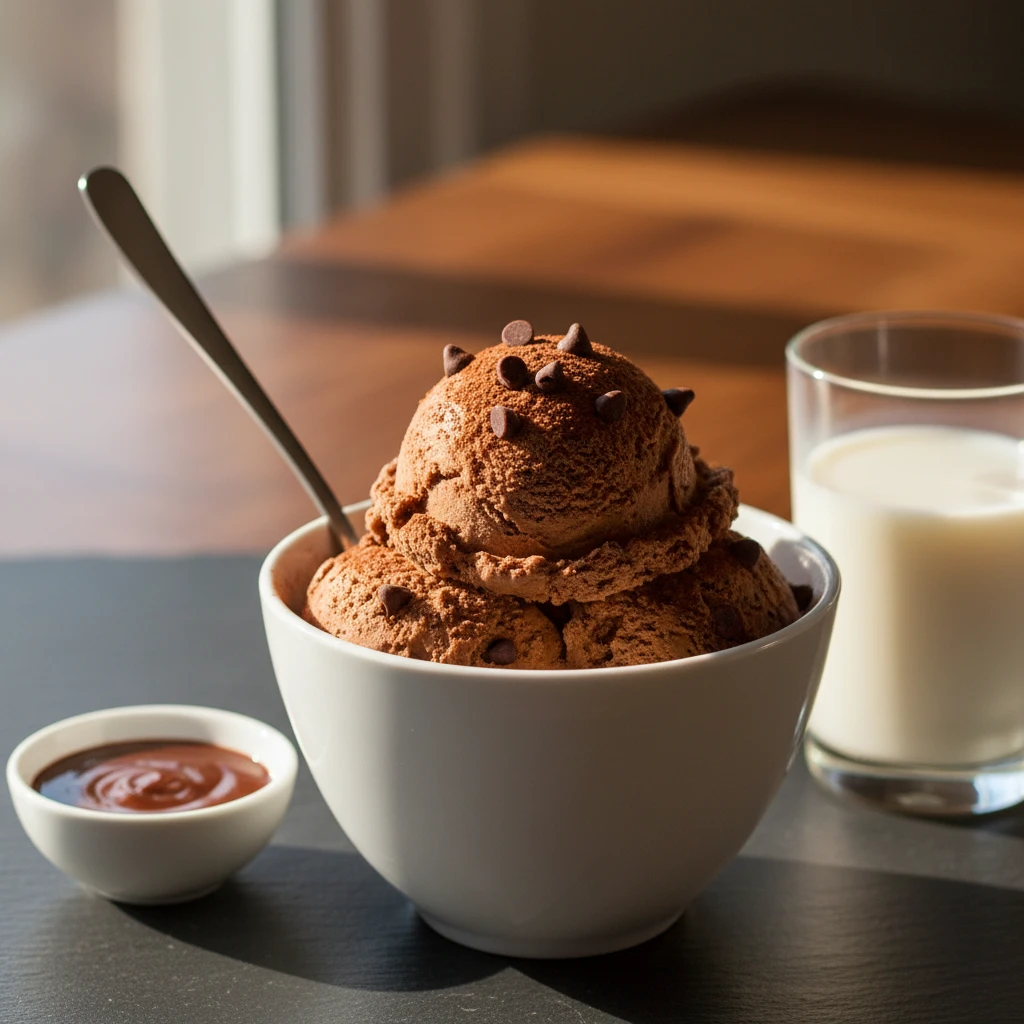
- Classic Bowl Serve: Scoop into a chilled bowl and top with a small drizzle of almond butter, a sprinkle of dark chocolate chips, and a dusting of unsweetened cocoa powder for an elegant presentation.
- Cone Presentation: Pack the soft-serve into a waffle cone or cake cone immediately after blending. The ice cream’s thickness holds the cone structure perfectly. Pair with a small napkin for a nostalgic ice cream parlor experience.
- Sundae Style: Top with 1 tbsp sugar-free chocolate sauce, a small handful of sliced almonds or granola, and a light sprinkle of fleur de sel. The contrast of sweet, crunchy, and salty is irresistible.
- Post-Workout Recovery Bowl: Serve with a side of fresh berries (blueberries, raspberries, or blackberries) for added antioxidants. The cool, protein-rich ice cream plus fresh fruit makes a balanced recovery snack.
- Affogato-Inspired: Pour a shot of hot espresso or strong black coffee over the soft-serve ice cream right before eating. The warm coffee will slightly melt the top while keeping the bulk of the ice cream creamy and cold.
- Float Style: Spoon the soft-serve into a tall glass and pour unsweetened almond milk or oat milk around it until half-full. Sip and scoop alternately for a creamy, drinkable dessert.
 Save
SaveStorage and Reheating
Storage: This blended protein ice cream is designed to be consumed immediately after blending. It does not store well in a standard freezer because the soft-serve texture depends on the air incorporation from high-speed blending. Once frozen solid, it becomes a dense, rock-hard block of ice with an unpleasant texture.
If you must store leftovers (though not recommended), transfer the ice cream to an airtight freezer-safe container and freeze for no more than 2 hours. Beyond 2 hours, quality declines significantly. When you remove it from the freezer, it will be frozen solid and require thawing at room temperature for 5–10 minutes before eating. The texture will be noticeably denser and less creamy than fresh.
Reheating: Reheating is not applicable to this recipe. If your ice cream has frozen solid, allow it to thaw naturally at room temperature for 5–10 minutes until it reaches a soft-serve consistency again. Do not microwave, as this will melt it into a thin liquid rather than a creamy soft-serve.
Protein Powder and Ingredient Storage: Store your protein powder, xanthan gum, and cocoa powder in cool, dry places (a pantry or sealed containers work best). Most protein powders remain fresh for 6–12 months after opening if stored away from moisture and direct sunlight. Xanthan gum lasts indefinitely if kept dry. Always check expiration dates before blending.
Frequently Asked Questions about Protein Ice Cream
Can I make protein ice cream in a regular blender?
Regular blenders lack the power and speed needed to create the thick, airy soft-serve texture. You’ll need a high-powered blender with at least 1000 watts (such as Vitamix, Ninja, or Blendtec) to properly whip air into the mixture and blend ice smoothly for 3–4 minutes. Standard blenders will produce a watery slushie instead of creamy ice cream.
Why does my protein ice cream taste chemical or bitter?
This is a common issue with artificial sweeteners and certain protein powder brands. Always add a tiny pinch of fine sea salt—it masks chemical aftertastes remarkably well. You can also try reducing the sweetener amount, choosing a higher-quality protein powder, or using a different sweetener brand (erythritol and monk fruit often taste cleaner than stevia or sucralose).
Can I freeze this ice cream for later?
Not recommended. This recipe creates soft-serve through air incorporation during blending. Once frozen solid in a standard freezer, it becomes a dense, icy block rather than creamy ice cream. The texture will be unpleasant and nothing like fresh. Consume immediately after blending for the best experience. If you must store it, keep it in the freezer for no more than 2 hours.
What’s the difference between whey, casein, and whey/casein blend proteins?
100% whey protein is fast-absorbing but doesn’t create as thick or creamy a texture when blended. Casein proteins are slower-digesting and naturally stickier, foaming better under high-speed blending. A whey/casein blend offers the best of both worlds—quick absorption plus superior creaminess and volume. For this recipe, a blend is highly recommended over pure whey.
How much xanthan gum should I use?
Use exactly ½ teaspoon (no more, no less). This is critical for proper texture. Too much xanthan gum creates a gluey, unpleasant mouthfeel. Too little won’t provide enough thickening. Measure carefully with a measuring spoon or kitchen scale. If you don’t have xanthan gum, you can omit it, but the ice cream will be thinner and less creamy.
Can I use flavored protein powder instead of unflavored?
Yes, absolutely. If using vanilla protein powder, omit the cocoa powder and add 1 tsp vanilla extract (or use the vanilla powder alone). If using chocolate protein powder, reduce or omit the cocoa powder to avoid an overly intense chocolate flavor. Always adjust sweetener to taste, as flavored powders often have added sweetness built in.
What milk alternatives work best?
Any unsweetened milk works: almond milk, oat milk, coconut milk, cashew milk, dairy milk, or even soy milk. Oat milk creates the creamiest texture due to its natural thickness. Coconut milk adds tropical richness. Almond milk is lean and lets the protein shine. Avoid sweetened milks, as they can make the ice cream too sugary.
Nutrition Facts (Per Serving)
| Nutrient | Amount |
|---|---|
| Calories | 140 |
| Total Fat | 2.5g |
| Saturated Fat | 0.5g |
| Carbohydrates | 7g |
| Dietary Fiber | 1g |
| Sugar | 1g |
| Protein | 25g |
| Sodium | 85mg |
| Values are estimates and may vary based on exact ingredients and portion sizes. | |
Protein Ice Cream
Ingredients
- 1 large scoop approx. 32g Protein Powder (A Whey/Casein blend is highly recommended over 100% Whey for maximum thickness)
- 1 cup unsweetened almond milk or milk of choice
- ½ tsp xanthan gum Do not over-measure
- 1 tbsp cocoa powder if using vanilla powder, omit or use 1 tsp vanilla extract
- 1 ½ to 2 cups ice cubes smaller cubes blend smoother
- 1 tbsp zero-calorie granular sweetener optional, adjust to preference
- A tiny pinch of fine sea salt critical for masking chemical aftertastes
Instructions
- Load the blender pitcher: Pour 1 cup unsweetened almond milk into a high-powered blender first (this prevents protein powder from clumping). Add 1 large scoop of protein powder, ½ tsp xanthan gum, 1 tbsp cocoa powder, 1 tbsp zero-calorie sweetener (optional), and a tiny pinch of fine sea salt. Do not skip the salt—it's critical for masking chemical aftertastes from the protein and sweetener.
- Add ice on top: Pour 1½ to 2 cups of ice cubes (smaller cubes blend smoother than large chunks) into the blender on top of the wet ingredients.
- Pulse to break down ice: Pulse the blender 5 to 10 times until the ice is roughly crushed and the blades can spin freely without resistance. This takes 15–20 seconds total. Checkpoint: You are ready to move on when ice is broken into small chunks and the blender spins without strain.
- Blend at highest speed: Turn the blender dial to the highest speed setting. Blend continuously for 3 to 4 full minutes without stopping. During this time, you will watch the mixture transform dramatically from a thick slushie into creamy, voluminous soft-serve ice cream that roughly doubles or triples in total volume. The friction and air incorporation create the signature light, fluffy texture.
- Check consistency and scrape if needed: Around the 1½- to 2-minute mark, you may notice the mixture thickening rapidly around the blender pitcher edges. If blending feels strained or the blades slow down, stop the blender and use a tamper (or wooden spoon if no tamper is included) to gently push the mixture toward the center blades. Do this carefully—never insert fingers into a blender, even when it's off. Resume blending at high speed.
- Serve immediately: Once the 3–4 minute blend time is complete, pour or scoop the soft-serve ice cream straight out of the blender container into a bowl or cone. Do not store in the freezer—this style of protein ice cream does not freeze well and will turn into a solid, rock-hard ice block within hours. Enjoy it fresh within 10–15 minutes of blending for the best texture.